- English
- French
- German
- Portuguese
- Spanish
- Russian
- Japanese
- Korean
- Arabic
- Greek
- German
- Turkish
- Italian
- Danish
- Romanian
- Indonesian
- Czech
- Afrikaans
- Swedish
- Polish
- Basque
- Catalan
- Esperanto
- Hindi
- Lao
- Albanian
- Amharic
- Armenian
- Azerbaijani
- Belarusian
- Bengali
- Bosnian
- Bulgarian
- Cebuano
- Chichewa
- Corsican
- Croatian
- Dutch
- Estonian
- Filipino
- Finnish
- Frisian
- Galician
- Georgian
- Gujarati
- Haitian
- Hausa
- Hawaiian
- Hebrew
- Hmong
- Hungarian
- Icelandic
- Igbo
- Javanese
- Kannada
- Kazakh
- Khmer
- Kurdish
- Kyrgyz
- Latin
- Latvian
- Lithuanian
- Luxembou..
- Macedonian
- Malagasy
- Malay
- Malayalam
- Maltese
- Maori
- Marathi
- Mongolian
- Burmese
- Nepali
- Norwegian
- Pashto
- Persian
- Punjabi
- Serbian
- Sesotho
- Sinhala
- Slovak
- Slovenian
- Somali
- Samoan
- Scots Gaelic
- Shona
- Sindhi
- Sundanese
- Swahili
- Tajik
- Tamil
- Telugu
- Thai
- Ukrainian
- Urdu
- Uzbek
- Vietnamese
- Welsh
- Xhosa
- Yiddish
- Yoruba
- Zulu
High purity niobium bar rod suppliers: how to choose reliable ones?
Choosing the right source for high purity niobium bar rods is a smart choice that goes beyond just buying. Today's manufacturing world is very connected, and the quality of your material source directly affects the results of your projects, the time it takes to make them, and eventually your company's image in tough industries like aerospace, electronics, and medical devices. It's not enough to just find sellers who say they have high-quality goods; you also need to find partners whose quality systems, technical knowledge, and delivery options perfectly match your business needs. This detailed guide looks at the most important evaluation criteria that engineers and procurement managers in the US should focus on when looking for these specialized refractory metals. It gives you actionable insights based on 30 years of industry experience to help you confidently navigate the complicated world of global B2B procurement.
Understanding High Purity Niobium Bar Rods and Their Market
Defining Material Specifications and Purity Standards
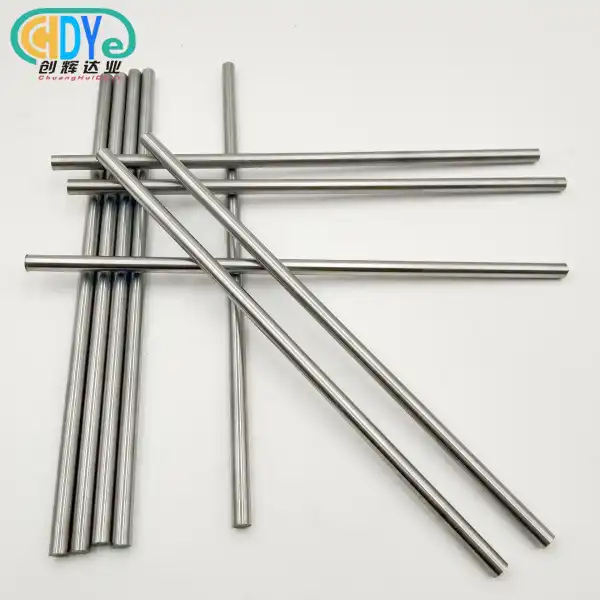
High purity niobium bar rods are precision-engineered refractory metal goods that have a chemical makeup that is usually more than 99.9% pure according to ASTM B392 standards. These materials have a body-centered cubic crystal structure, a melting point of 2,477°C, and a density of 8.57 g/cm³. This makes them essential in harsh environments where performance must be unwavering. The difference between grades like R04200 (reactor grade with tantalum content below 0.1%) and R04210 (commercial pure niobium with controlled oxygen content) has a big effect on how well they work in different situations, especially in nuclear settings where neutron absorption needs to be kept to a minimum.
Primary Industrial Applications
The aerospace industry relies on niobium's ability to stay stable at high temperatures for engine parts and structural elements that can handle changing temperatures without breaking down. Electronics companies use these bars to make capacitors and devices that work with superconducting fields. The special electrical qualities of the material and its high Residual Resistivity Ratio (RRR numbers over 300) make sure that the devices work perfectly. Niobium is very good at resisting corrosion, which is why chemical processing plants use it to make reaction tanks and heat exchangers. On the other hand, medical device makers use it because it is biocompatible when making implants and surgical tools. The low neutron capture cross-section of the material is good for nuclear energy uses; it makes it perfect for reactor parts that need to stay the same size over time while being exposed to radiation.
Market Challenges and Procurement Considerations
Supply chain instability is still a problem because most of the world's niobium is made in a few areas with complicated mining methods. Quality control is also very hard because even small amounts of oxygen, nitrogen, carbon, and hydrogen in the interstices can have a big effect on the material's mechanical traits and performance. Buyers often find providers who can't provide full paperwork or tracking, which can pose compliance risks in industries that are controlled. The difference between what was promised as specifications and what was actually provided in terms of quality shows how important it is to carefully check out suppliers, especially when projects need materials that meet strict international standards for important uses.
Core Criteria for Choosing Reliable Niobium Bar Rod Suppliers
Certification Standards and Quality Documentation
Trustworthy suppliers of high purity niobium bar rod keep their ISO 9001:2015 Quality Management System license, which shows that they are dedicated to maintaining quality control throughout the entire production process. Check if sellers offer thorough chemical composition reports using advanced analytical methods such as Glow Discharge Mass Spectrometry (GDMS) or Inductively Coupled Plasma Mass Spectrometry (ICP-MS) for accurate impurity identification. As required by ASTM E112 standards, every shipment should come with a Material Test Report (MTR) that lists the tensile strength, flexibility, and grain size of the material. Concerns about the authenticity of materials are raised right away when suppliers refuse to share full testing paperwork or don't have any authorized third-party verification.
Production Capabilities and Customization Flexibility
Reliable makers can do a lot of different processing techniques, such as vacuum melting, electron beam furnace polishing, and controlled atmosphere annealing, which makes sure that the microstructures are all the same. Lathes, sawing machines, and cutting machines should be part of their precision machining tools so that they can make rods with custom diameters, cuts of specific lengths, and finishes that are controlled by tolerances. Check to see if sources can handle both small amounts for study at universities and colleges and large amounts for production at aerospace companies. Being able to make different types (R04200, R04210, and custom metals) shows that the company has a lot of technical flexibility and metallurgical knowledge, not just reselling standard stock materials.
Supplier Reputation and Industry Track Record
Look into a supplier's past operations, focused on those that have been handling rare metals for decades instead of new companies that haven't shown they can do the job yet. Client references from well-known aerospace companies, semiconductor makers, or research institutions are a good way to show that you consistently offer high-quality work. Case studies that show how difficult projects were finished successfully in areas like superconducting RF cavities, high-pressure sodium lighting electrodes, or fake diamond making show that the person can solve problems in the real world. Joining professional groups and going to conferences in your field show that you are actively involved with changing technical standards and practices for ongoing growth.
Logistics, Reliability, and Global Shipping Expertise
International packages of goods need special packing rules to keep the surfaces clean and free of oxidation while they're in transit. Usually, vacuum-sealing or acid-free wrapping is used before safe crating. Suppliers who have exported to the US before know what kind of customs paperwork is needed, such as country-of-origin certificates and compliance statements for critical materials. Check their normal wait times for standard goods versus special orders. If they make claims that can't be kept, it's likely that they aren't managing their inventory or production well enough. Having insurance, systems for tracking shipments, and established connections with freight forwarders who specialize in dangerous or valuable materials are all signs of organizational development that are needed to keep projects on schedule.
Comparing Supplier Offers: Price, Quality, and Service
Transparent Pricing Structures
The prices of high purity niobium bar rods on the market vary a lot depending on the level of purity, the width requirements, and the order quantity. This makes direct comparison difficult without standard quote forms. Reliable providers give detailed prices that break down the costs of base materials, special processing, testing, and shipping. This makes it possible to accurately plan your budget. When prices are unusually low, you should be skeptical instead of excited because it's likely that the purity levels have been lowered, the manufacturing methods are old, or there isn't enough quality control, all of which will lead to project failures. When you buy directly from a maker, like one in a known metal processing center, you usually get a better deal and can communicate more clearly about technical issues.
Technical Support and Pre-Sale Consultation
Excellent sellers offer engineering support throughout the whole buying process, helping customers choose the right grades for their needs instead of just taking orders. When you ask them about things like thermal expansion factors, work-hardening characteristics during cold forming, or compatibility with certain welding processes, their expert teams should give you detailed answers. Giving customers access to material selection guides, property data sheets, and application notes shows that you care about your customers. Communication quality is an important part of evaluating because it shows how quickly sales and technical staff are to respond to initial questions and how careful they will be during production and delivery.
Documentation Completeness and Certification Access
Material safety data sheets (MSDS), certifications of conformance to certain standards, thorough chemical analysis reports, and mechanical property test results should all be part of complete product paperwork packages. Traceability is made possible by suppliers who keep digital files of old test data for regulated businesses that need to keep records for ten years. Flexibility in customer service means being able to offer quick re-certification or extra testing for quality assurance. Warranty policies that cover material flaws found during the initial review or early stages of processing protect investments made in purchases and show that suppliers are confident in the quality of their products.
How Reliable Suppliers Ensure Quality: From Production to Delivery
Advanced Manufacturing Processes
The process of making premium high purity niobium bar rods starts with carefully choosing the raw materials and getting them from reputable refiners. Then, the bars go through several melting cycles in vacuum or neutral atmosphere furnaces, which get rid of flaws one by one. By carefully vaporizing volatile contaminants, electron beam melting technology can reach the very high levels of purity needed for superconducting uses. Controlled cold-working operations smooth out the grain structure and improve the material's mechanical qualities. These are followed by precise annealing processes that reduce internal stresses without affecting the material's ability to bend. At every step of the manufacturing process, there are checks to make sure that the dimensions are correct, the surface is smooth, and the intermediate makeup is correct.
Quality Assurance Protocols
Statistical process control is used throughout the manufacturing process by strict quality management systems. These systems keep an eye on important factors such as furnace temperatures, rolling pressures, and heating times to find process drift before it affects the quality of the product. Batch-specific paperwork makes it possible to track everything from the arrival of raw materials to the final shipment. This makes it possible to find the root cause of any quality problems that may appear. Independent metallurgical laboratories test products on a third-party basis to make sure that sellers are telling the truth. This is especially helpful when looking for new suppliers or for important aerospace uses.
Protective Packaging and Contamination Prevention
Advanced packing methods stop the oxidation and pollution in the air that can hurt the quality of the surface while it is being stored and shipped. Handling in a clean room keeps particulate contamination to a minimum, and controlled humidity storage stops hygroscopic surface oxides from absorbing water. Vacuum-sealed polymer bags, desiccant packets, and rigid outer cases rated for foreign shipping stresses are common parts of multi-layer packing. Clear labels with traceability codes, handling directions, and danger ratings make sure that the right people handle the goods at all stages of the logistics chain. This protects the integrity of the goods until they are delivered.
Practical Tips for Procurement Managers When Selecting Niobium Bar Rod Suppliers
Matching Technical Requirements to Supplier Capabilities
To start evaluating suppliers of high purity niobium bar rod, make a list of specific needs for purity, tolerances for size and shape, surface finish standards, and ranges of mechanical properties that are relevant to your application. For cryogenic performance, aerospace projects may need RRR values higher than 300. On the other hand, biocompatibility paperwork and sterilization compatibility are the most important things for medical device making. For electronics, the interstitial oxygen level must be carefully kept below 10 ppm so that the material doesn't become weak during later shaping steps. When you first talk to a seller, be clear about these requirements. Skilled manufacturers will ask follow-up questions to show that they understand the challenges that come with your unique application.
Pilot Orders and Sample Evaluation
Reduce the risk of buying something by asking for small samples to be sent in for internal testing before agreeing to large sales. As usual, you should check these examples as soon as they come in by having an independent composition analysis, mechanical property tests, and trial handling under production conditions. Check to see how responsive the provider is during the sample request process. Communication habits set early on tend to stay the same throughout the business relationship. If the sample works well, it gives you faith to place larger orders, and finding quality problems early keeps production from being interrupted, which costs a lot of money.
Building Strategic Supplier Relationships
Long-term relationships with certified suppliers offer benefits beyond individual transactions. These include priority ordering for production when capacity is limited, early warning of changes in the prices of raw materials, and working together to create new grades with specific uses in mind. Regular contact keeps your changing needs and your supplier's skills in line, which lets you use proactive procurement strategies instead of reactive ones. Sharing predictions about production helps sellers plan their capacity and raw material stock, which often leads to better prices and delivery performance. When both sides put effort into building relationships, it gives them a competitive edge by keeping the supply chain stable and giving them early access to new technologies.
Conclusion
To find trustworthy providers of high purity niobium bar rods, you need to carefully look at their quality certifications, production skills, technical know-how, and ability to handle logistics. When making a buying choice, more than just price is taken into account. Long-term relationship potential, supply chain resilience, and alignment with changing technical needs are also taken into account. Your company will be more likely to succeed in tough situations if its suppliers have ISO 9001:2015 certification, detailed testing documentation, the ability to adapt to different needs, and quick expert help. When procurement managers use the evaluation criteria and useful strategies mentioned in this guide, they can be sure to find partners who provide consistent material quality, reliable delivery performance, and teamwork that leads to project success.
FAQ
Q: What purity levels should I expect for critical applications?
A: High purity niobium bar rods are used in high-strength aircraft, superconducting, and semiconductor applications. They are usually purer than 99.9%, and reactor-grade material (R04200) keeps the tantalum content below 0.1%. Interstitial impurities, especially oxygen, nitrogen, and carbon, need to be tightly controlled below certain levels because even small amounts of pollution have a big impact on the mechanical and electrical qualities. Ask for full chemical analysis results that list all the elements that make up the substance, and make sure that the testing method uses sensitive analytical techniques like GDMS that can find impurities at parts-per-million levels.
Q: How long are typical delivery timelines for bulk orders?
A: Standard-grade niobium bars from reputable sources usually ship within 4 to 6 weeks for small orders. However, unique specs that need special processing may take up to 8 to 12 weeks, based on how busy production plans are at the moment. Sometimes, expedited service choices can meet tight project deadlines, but they usually come with higher prices. Communication that is clear about realistic lead times shows that the provider can be trusted, but regularly broken delivery claims show that the production plan isn't good enough or that there are capacity issues that threaten project schedules.
Q: Can suppliers provide technical assistance during material selection?
A: Reliable makers offer technical advice to help buyers choose the right grades, sizes, and processing states for each application. Their technical teams should talk about the trade-offs in properties between different grades, suggest heat treatment techniques for making the material easier to shape, and suggest checking methods to make sure the material is suitable. This consultative method shows that you care about your customers and have a lot of experience with metals, instead of just filling orders.
Partner With a Trusted High Purity Niobium Bar Rod Manufacturer
Shaanxi Chuanghui Daye has been making goods with rare metals for more than thirty years and is known for their precision engineering and high purity niobium bar rod products that meet ASTM B392 standards and are confirmed as 99.99% pure by ISO 9001:2015 quality management systems. We have modern electron beam furnaces, controlled atmosphere processing equipment, and full testing facilities in Baoji, China, which is known as the "Titanium Capital." These facilities make sure that materials work consistently in aerospace, electronics, nuclear, and medical device uses. Our engineering team gives expert advice at every step of the buying process, from choosing the first materials to custom processing and coordinating global shipping. Our manufacturing skills are flexible enough to meet both R04200 reactor-grade and R04210 commercial-grade specifications, and we can provide full traceability documentation for both. This means that we can make small amounts for study purposes or large amounts for production. Contact our experts at info@chdymetal.com right away to talk about your specific needs, get samples of the material, or get detailed quotes from a high purity niobium bar rod source that cares about the success of your project.
References
1. American Society for Testing and Materials. "ASTM B392-95: Standard Specification for Niobium and Niobium Alloy Ingots." ASTM International Standards, 1995.
2. Davis, J.R. "Refractory Metals and Alloys: Properties, Selection, and Applications." ASM International Handbook Committee, Materials Park, Ohio, 2000.
3. Schultz, R.W. and Watkins, H.B. "Niobium: Physical Metallurgy, Processing, and Applications." The Minerals, Metals & Materials Society Annual Meeting Proceedings, 2004.
4. International Organization for Standardization. "ISO 9001:2015: Quality Management Systems – Requirements." Geneva, Switzerland, 2015.
5. Miller, G.L. "Tantalum and Niobium: Chemistry, Technology, and Commercial Applications." Butterworth Scientific Publications, London, 1959.
6. Aggarwal, R.K. and Batra, I.S. "Characterization and Applications of High Purity Niobium in Superconducting Technologies." Journal of Advanced Materials and Manufacturing, Vol. 28, 2016.
Learn about our latest products and discounts through SMS or email