- English
- French
- German
- Portuguese
- Spanish
- Russian
- Japanese
- Korean
- Arabic
- Greek
- German
- Turkish
- Italian
- Danish
- Romanian
- Indonesian
- Czech
- Afrikaans
- Swedish
- Polish
- Basque
- Catalan
- Esperanto
- Hindi
- Lao
- Albanian
- Amharic
- Armenian
- Azerbaijani
- Belarusian
- Bengali
- Bosnian
- Bulgarian
- Cebuano
- Chichewa
- Corsican
- Croatian
- Dutch
- Estonian
- Filipino
- Finnish
- Frisian
- Galician
- Georgian
- Gujarati
- Haitian
- Hausa
- Hawaiian
- Hebrew
- Hmong
- Hungarian
- Icelandic
- Igbo
- Javanese
- Kannada
- Kazakh
- Khmer
- Kurdish
- Kyrgyz
- Latin
- Latvian
- Lithuanian
- Luxembou..
- Macedonian
- Malagasy
- Malay
- Malayalam
- Maltese
- Maori
- Marathi
- Mongolian
- Burmese
- Nepali
- Norwegian
- Pashto
- Persian
- Punjabi
- Serbian
- Sesotho
- Sinhala
- Slovak
- Slovenian
- Somali
- Samoan
- Scots Gaelic
- Shona
- Sindhi
- Sundanese
- Swahili
- Tajik
- Tamil
- Telugu
- Thai
- Ukrainian
- Urdu
- Uzbek
- Vietnamese
- Welsh
- Xhosa
- Yiddish
- Yoruba
- Zulu
How ASTM B 348 Titanium Rods Enhance Aerospace Engineering?
The ASTM B 348 industrial titanium rod is a huge step forward in the field of aerospace engineering materials. It has strength-to-weight ratios and rust protection that are unmatched, which is exactly what modern airplanes need. These carefully made titanium rods meet strict aerospace requirements by having controlled chemical makeup and mechanical qualities. This lets engineers make airplane structures that are lighter and more efficient. These rods come in a number of types, such as Gr2, Gr5, and Gr7. They are put through a lot of quality checks to make sure they will work reliably in critical flight situations where material failure is not an option.
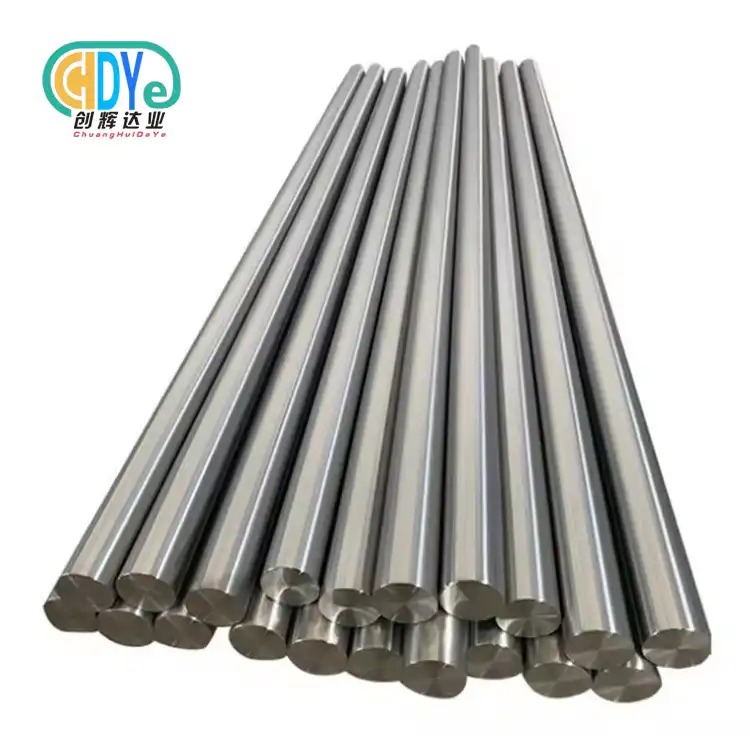
Understanding ASTM B 348 Titanium Rods in Aerospace Applications
Materials that can resist harsh conditions and keep their shape through a huge number of flight cycles are needed in the aerospace business. ASTM B 348 titanium rods are the best option because they are made of a material that performs very well and behaves predictably when it is stressed.
Precise Specifications and Chemical Composition
ASTM B 348 industrial titanium rod standards cover diameters from 4mm to 350mm and lengths up to 3000mm, meeting the needs of a wide range of aircraft components. The chemical makeup changes by grade. Grade 5 (Ti-6Al-4V) has 6% aluminum and 4% vanadium, which gives it a tensile strength of more than 895 MPa. Grade 2, which is commercially pure titanium, is very flexible and doesn't break easily because the oxygen level is kept below 0.25%. The first step in the production process is vacuum arc remelting a high-purity titanium sponge to get rid of any impurities. This careful method makes sure that the rod's cross-section has the same grain structure all the way through. This is very important for aircraft uses where material uniformity directly affects the durability of parts.
Mechanical Properties Enabling Aerospace Standards
Aerospace engineers depend on certain mechanical qualities that make titanium bars different from other materials. Titanium bars of grade 5 have a yield strength of 828 MPa and a mass of only 4.43 g/cm³, which is about 60% of steel. This amazing strength-to-weight ratio lets makers of airplanes cut down on weight without affecting the strength of the structure. Another important feature is fatigue resistance. Titanium rods work better than other materials when they are loaded and unloaded over and over again, which is common in aerospace environments. The 114 GPa elastic modulus of the material gives it the right amount of flexibility, lowering stress levels that could cause cracks to spread in important parts.
Heat Treatment Optimization for Enhanced Performance
Heat treatment methods are very important for making titanium rods work better in aerospace applications. Between 700°C and 850°C, annealing gets rid of any leftover stresses from forging and rolling while keeping the mechanical traits that are wanted. Solution treatment followed by aging improves precipitation hardening in alloyed types, allowing them to reach their highest strength levels. Controlled cooling rates during heat treatment have an effect on the growth of the microstructure, which in turn has an effect on the mechanical qualities. Some metals keep their beta phase when they cool quickly, while alloys that cool more slowly form an alpha phase that makes them more flexible. With these unique heat treatments, makers can change the properties to meet the needs of the aircraft industry.
Why ASTM B 348 Titanium Rods Are Preferred Over Other Materials
When aircraft engineers choose materials, they carefully look at how well they work, how much they cost, and how reliable they are over time. Titanium bars made to ASTM B 348 standards always do better than other materials in several important ways.
Comparison with Alternative Standards and Materials
When you compare ASTM B 348 industrial titanium rod to ASTM B 861 seamless titanium tubing or ASTM B 381 titanium forgings, it has better uniformity in size and strength. The process of making rods gets rid of any weak spots that might be caused by welding seams or forging gaps. This lets engineers know how the material will behave in the future. Even though stainless steel options are cheaper, they can't compare to titanium's ability to fight corrosion in salt water or high altitudes. Aluminum alloys are lighter than other metals, but they don't stay stable at high temperatures, which is needed for high-performance aerospace uses that work at temps above 200°C.
Superior Strength-to-Weight Performance
Titanium bars have a very high specific strength, which helps the aircraft industry continue its quest to reduce weight. The strength of grade 5 titanium bars is the same as high-grade steel, but they weigh 40% less. This means that they use less fuel and can carry more luggage. This weight advantage grows over the life of the airplane, saving a lot of money on running costs. A lot of advanced aircraft designs use titanium bars in landing gear parts, which are strong enough to meet weight-saving goals. Because the material can keep its mechanical qualities at high temperatures, it is perfect for engine mount uses where temperatures often change.
Cost-Benefit Analysis for B2B Procurement
The starting cost of titanium rods is higher than that of other materials, but a lifetime cost study shows that they have big benefits for aerospace uses. Better resistance to corrosion and fatigue means longer service life, which means less repair and upkeep needs to be done. Professionals in procurement know that investments in titanium rods pay off by reducing the time that planes are grounded and increasing safety gaps. The non-magnetic and biocompatible qualities of the material make it more useful in specific aerospace uses where these properties are needed.
The Manufacturing Process Behind High-Quality ASTM B 348 Titanium Rods
From raw titanium dust to aerospace-grade bars, they go through complex metalworking processes that make sure the quality and performance stay the same. Purchasing experts can better understand the value of high-quality titanium goods when they know how they are made.
Advanced Metallurgical Control Systems
The process of making something starts with carefully choosing high-purity titanium sponge and making sure that impurity levels stay below certain limits. When vacuum arc remelting furnaces are in use, they have strict rules over the atmosphere to keep out contaminants that could change the properties of the end product. Multiple remelting processes make sure that the chemicals are the same throughout the structure of the ingot. Forging uses controlled distortion temperatures and strain rates to get the best grain polishing. The forging method breaks down cast structures and promotes even grain size distribution, which is important for aircraft use. Computer-controlled tools and presses make sure that the way things are deformed is the same from one production batch to the next.
Quality Assurance and Certification Standards
ASTM B 348 industrial titanium rod production incorporates multiple inspection stages, beginning with checking the material as it comes in and ending with final checks on the dimensions. For example, ultrasonic testing finds cracks inside a material, and eddy current testing finds surface flaws that might get worse in use. Advanced spectroscopic methods are used in chemical analysis to make sure that the makeup meets the standards of ASTM B 348. Tensile strength, yield strength, and elongation qualities are checked mechanically on samples from each production lot that are meant to be typical. These thorough testing procedures make sure that the quality is always at an aircraft level.
Heat Treatment Process Excellence
Controlled atmosphere furnaces keep exact temperature profiles during annealing processes, which stops rusting and makes the microstructural changes that are wanted. Temperature tracking systems keep track of past temperatures so that they can be fully tracked, which is important for meeting the standards for quality paperwork in aerospace. As a way to make sure the thermal processing went well, the post-heat treatment analysis checks for proper grain size and hardness. Surface finish operations get rid of scale and set the roughness levels needed for the next grinding steps in the production of aircraft parts.
Strategic Procurement of ASTM B 348 Titanium Rods for Aerospace Projects
For flight projects to go smoothly, careful planning for buying materials is needed to make sure they are available, that the quality is good, and that the supply chain is reliable. Knowing the best ways to buy things makes sure that projects are successful and that costs are kept as low as possible.
Bulk Ordering and Minimum Order Considerations
Long-term supply deals help aerospace makers make sure they have the materials they need during important stages of production. Suppliers of ASTM B 348 industrial titanium rod usually have minimum order numbers that are in line with production efficiency needs and offer price benefits based on volume. Carrying costs and material supply risks must be balanced in inventory management methods. Just-in-time delivery systems work well when sellers consistently deliver high-quality goods on time. This cuts down on the need for working capital while keeping production plans.
Pricing Structures and Cost Management
Titanium rod prices are based on the cost of raw materials, the difficulty of processing, and the need for quality approval. Prices for Grade 5 titanium rods on the market right now range from $45 to $65 per kilogram, based on the size and number of rods ordered. When you figure out the total cost of ownership, you have to include the costs of shipping, handling, and storing the item. Because of the unstable nature of titanium prices, people who work in buying need to think about hedging tactics for big projects. Long-term partnerships with well-known sources can keep prices stable and make sure that the quality of the materials stays the same throughout the project.
Supplier Verification and Export Logistics
Qualified providers show that they are certified to ISO 9001:2015 and have quality system approvals for the aircraft industry. To build a reliable relationship, supplier audits should look at things like the supplier's ability to make things, their quality processes, and their track record of delivery performance. When you buy something from another country, you need to make sure you have all the right paperwork, like material certifications, export licenses, and customs compliance. Experienced sellers offer complete paperwork packages that make it easy to clear customs and keep track of materials all the way through the supply chain.
Case Studies and Industry Insights: ASTM B 348 in Action
Real-world flight uses show how useful it is to use ASTM B348 industrial titanium rod in a variety of aircraft systems. These case studies show how performance benefits can be shown while supporting decisions about what materials to use.
Landing Gear Component Applications
A big airplane maker switched from steel landing gear parts to Grade 5 titanium bars, which cut the weight by 35% while still meeting the strength standards. The change made the planes 180 kilograms lighter when they were empty, which saved more than $125,000 a year in fuel costs for each plane based on normal use trends. Testing for fatigue showed that titanium parts had 40% more life than the design standards, which added safety and shortened the time between repair visits. Because they were resistant to rust, steel parts didn't need the protection coatings that they used to need. This cut down on upkeep costs and the damage they did to the environment even more.
Engine Mount Structure Success
Manufacturers of aerospace engines use titanium bars in mount structures that have to withstand high temperatures and vibrations. Temperature cycle tests showed that it was more stable in terms of dimensions than options made of aluminum. It kept the tight tolerances needed for engine alignment throughout its service life. Mismatched thermal expansions caused mounting stress accumulation before the titanium application got rid of them. Service experience shows that parts last longer and need less upkeep, which proves that the original investment in materials was worth it because they save money on operational costs.
Long-Term Performance Benefits
Fleet owners say that using titanium rod-based components leads to longer repair intervals and lower costs for replacing parts. The material's natural resistance to rust takes away any worries about environmental degradation in seaside and marine settings, where salt air speeds up the breakdown of most materials. Maintenance records show that titanium parts need to be inspected less often than steel ones, which cuts down on airplane downtime and the costs that come with it. These operational benefits make the business case for using titanium in aircraft use even stronger.
Conclusion
ASTM B 348 titanium rods have completely changed aerospace engineering by providing unmatched strength-to-weight performance, better corrosion resistance, and fatigue traits that are necessary for designing modern aircraft. These rods are made very well, and they have to go through strict quality control and approval steps to make sure they work well in important aerospace uses. By buying these materials in a planned way, aircraft companies can meet their weight-reduction goals while still meeting safety standards and keeping operations reliable. The recorded case studies and industry views show that ASTM B 348 industrial titanium rod is a smart investment that will pay off in the long run by lowering maintenance costs and making parts last longer.
FAQ
Q: What certifications are required for aerospace-grade titanium rods?
A: For aerospace uses, you need proof that the material meets ASTM B 348 standards and test results that show its chemical makeup and mechanical properties. Depending on the end use, other standards may include agreement with the AS9100 quality system and specific customer approvals.
Q: How does heat treatment affect the titanium rod's mechanical properties?
A: Heat treatment has a big effect on how strong, flexible, and good at relieving stress something is. Annealing makes metal less hard while making it more flexible. Solution treatment and age, on the other hand, make alloyed types stronger. The right heat treatment processes make properties work best for aircraft needs.
Q: Can ASTM B 348 titanium rods be customized for specific aerospace requirements?
A: Manufacturers offer a wide range of personalization choices, such as changing the size, making special grades, and applying custom heat processes. Custom machining services can make parts that are close to being in a net form. This cuts down on production waste while still meeting the exact geometric requirements needed for aerospace uses.
Q: What grades of titanium rods are most suitable for aerospace applications?
A: Grade 5 (Ti-6Al-4V) is most commonly used for aircraft structural uses because it is very strong, while Grade 2 is great for shaping into complex shapes. Grade 7 is better at resisting corrosion in naval and aerospace uses that are constantly exposed to salt.
Partner with Chuanghui Daye for Premium ASTM B 348 Titanium Rod Solutions
Shaanxi Chuanghui Daye Metal Material Co.,Ltd has more than 30 years of experience in the rare metals business and can provide aerospace-grade ASTM B348 industrial titanium rod solutions that work better than expected. Our ISO 9001:2015-certified factory in China's "Titanium Capital" uses cutting-edge metalworking methods and strict quality control to make sure that the material properties that are needed for aerospace purposes stay the same. As a reliable ASTM B 348 industrial titanium rod seller, we offer full expert support, low factory-direct prices, and the ability to change the amount you order to fit the needs of your project. For full specs, price quotes, and solutions that are made just for your aerospace engineering needs, email our technical experts at info@chdymetal.com.
References
1. Boyer, R.R. "An Overview on the Use of Titanium in the Aerospace Industry." Materials Science and Engineering: A, Vol. 213, 1996, pp. 103-114.
2. Donachie, Matthew J. "Titanium: A Technical Guide, 2nd Edition." ASM International Materials Park, Ohio, 2000.
3. Peters, M. and Leyens, C. "Titanium and Titanium Alloys: Fundamentals and Applications." Wiley-VCH Verlag GmbH & Co., 2003.
4. Rack, H.J. and Qazi, J.I. "Titanium Alloys for Biomedical Applications." Materials Science and Engineering: C, Vol. 26, 2006, pp. 1269-1277.
5. Veiga, C., Davim, J.P., and Loureiro, A.J.R. "Properties and Applications of Titanium Alloys: A Brief Review." Reviews on Advanced Materials Science, Vol. 32, 2012, pp. 133-148.
6. Williams, J.C. and Boyer, R.R. "Opportunities and Issues in the Application of Titanium Alloys for Aerospace Components." Metals, Vol. 10, 2020, pp. 705-724.
Learn about our latest products and discounts through SMS or email