- English
- French
- German
- Portuguese
- Spanish
- Russian
- Japanese
- Korean
- Arabic
- Greek
- German
- Turkish
- Italian
- Danish
- Romanian
- Indonesian
- Czech
- Afrikaans
- Swedish
- Polish
- Basque
- Catalan
- Esperanto
- Hindi
- Lao
- Albanian
- Amharic
- Armenian
- Azerbaijani
- Belarusian
- Bengali
- Bosnian
- Bulgarian
- Cebuano
- Chichewa
- Corsican
- Croatian
- Dutch
- Estonian
- Filipino
- Finnish
- Frisian
- Galician
- Georgian
- Gujarati
- Haitian
- Hausa
- Hawaiian
- Hebrew
- Hmong
- Hungarian
- Icelandic
- Igbo
- Javanese
- Kannada
- Kazakh
- Khmer
- Kurdish
- Kyrgyz
- Latin
- Latvian
- Lithuanian
- Luxembou..
- Macedonian
- Malagasy
- Malay
- Malayalam
- Maltese
- Maori
- Marathi
- Mongolian
- Burmese
- Nepali
- Norwegian
- Pashto
- Persian
- Punjabi
- Serbian
- Sesotho
- Sinhala
- Slovak
- Slovenian
- Somali
- Samoan
- Scots Gaelic
- Shona
- Sindhi
- Sundanese
- Swahili
- Tajik
- Tamil
- Telugu
- Thai
- Ukrainian
- Urdu
- Uzbek
- Vietnamese
- Welsh
- Xhosa
- Yiddish
- Yoruba
- Zulu
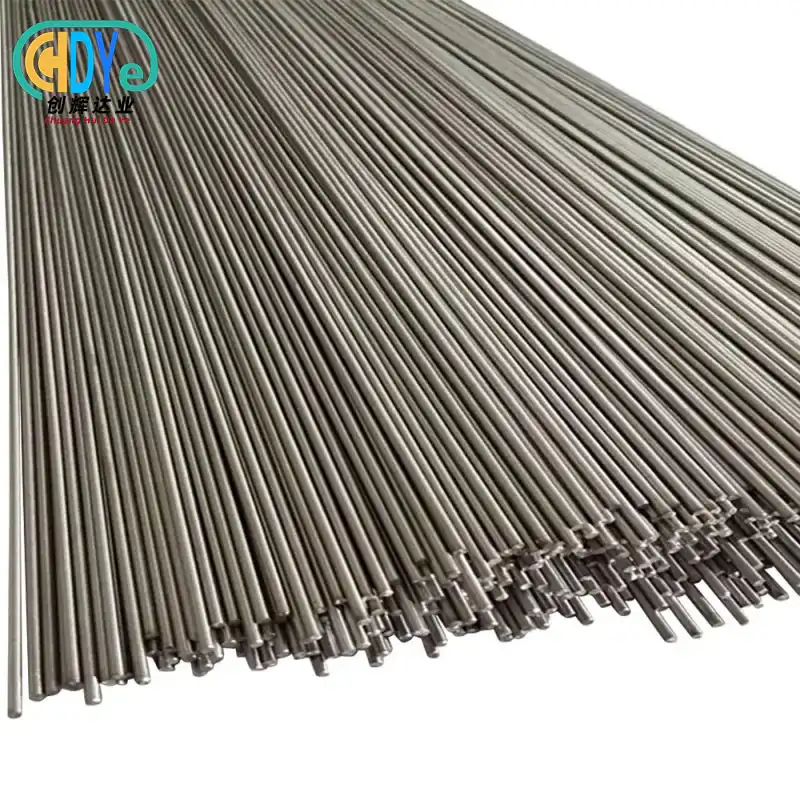
How Does a Titanium Anode Rod Reduce Maintenance Costs?
By utilising their exceptional corrosion resistance and prolonged working lives, titanium anode rods significantly reduce maintenance costs. Normal magnesium or aluminium anodes need to be replaced every two to three years. Titanium-based cathodic protection systems, on the other hand, can work well for 10-15 years or longer in industrial settings. This longer repair interval cuts down on the cost of repetitive work, system downtime, and the time it takes to buy new parts. Because the material is naturally stable in harsh electrolytes, like high-chloride or acidic conditions, it keeps equipment from breaking down too soon. This protects investments in water heaters, chemical tanks, and electrochemical systems.
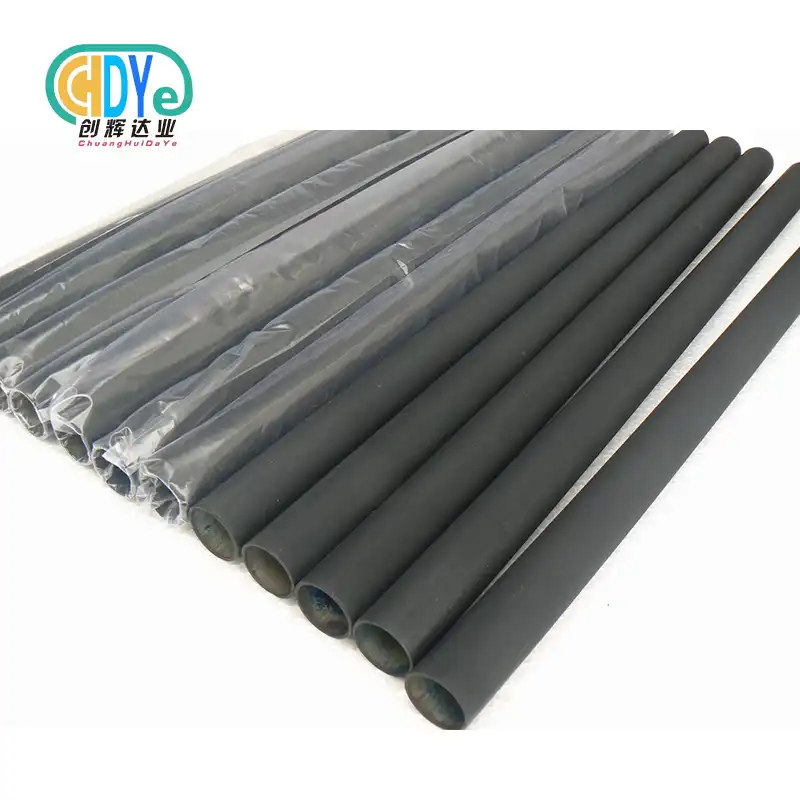
Introduction
Corrosion is still one of the biggest and most expensive problems that factories have to deal with. Oxidation and electrochemical processes break down things all the time in water heaters, chemical processing tanks, and electroplating systems. Purchasing managers and maintenance experts know that when equipment breaks down because of rust, it doesn't just mean getting new parts. It also means stopping production, making fixes quickly, and unexpectedly going over budget.
Titanium anode rods are a revolutionary way to protect against cathodic damage that directly solves these problems. Instead of taking corrosion as an unavoidable cost of doing business, forward-thinking procurement professionals are turning to titanium-based solutions that make tools last much longer and require much less upkeep. This piece talks about how titanium anodes save money and why they're now the first choice for aircraft manufacturers, chemical processors, and OEM equipment makers who need reliable and high-performing equipment.
Understanding Titanium Anode Rods and Their Core Functions
What Makes Titanium Anodes Different?
The metal surface that is covered by cathodic protection becomes the cathode in an electrochemical cell. This keeps the metal from rusting. Usually made of magnesium, aluminium, or zinc, traditional protective anodes rust to protect the metal structure around them. Titanium anodes work uniquely. Titanium can be used as a neutral substrate that helps electrons move without using up a lot of the base material when it is coated with valuable metal oxides or mixed metal oxides.
The titanium base itself has some very interesting qualities. Titanium is very resistant to chloride attack, acidic conditions, and high temperatures because it has a natural oxide layer (TiO₂) that heals itself right away when it is broken. This passive film stays stable over a pH range of 3 to 12. This makes titanium anodes useful in many industrial settings where other materials break down quickly.
Durability That Redefines Replacement Cycles
When you compare work lives, you can see how much better titanium is. In-home water heaters, magnesium anodes usually last between 18 and 36 months. In industrial settings where the water chemistry is harsh, their lifespan is even shorter. If conditions are good, aluminium anodes can extend their lifespan a little to 3–4 years. In the same or worse conditions, titanium anodes with the right catalytic coats can usually last for 10 to 20 years. This tenfold increase in life changes the economics of care in a big way for facilities managers who are responsible for many units or large installations.
Titanium's low density (4.43 g/cm³), high melting point (1,660°C), and excellent strength-to-weight ratio are some of the qualities that make it last so long. These features keep the shape and strength of the material stable over long periods of time, even when it is heated and cooled and put under mechanical stress.
Common Maintenance Challenges in Water Heater and Industrial Systems
The Hidden Costs of Conventional Anode Replacement
It is usual for industrial water heating systems and process tanks with standard anodes to need a lot of upkeep. As planned, magnesium and aluminium anodes break down through galvanic corrosion, but this causes several problems further down the line. Anode depletion happens rapidly in water with a high conductivity, at high temperatures, or when there are stray currents in the system.
When the critical mass of the sacrificial anodes is reached, defence stops completely, leaving the steel or copper parts below open to direct rust attack. Surprisingly quickly, it can only take weeks instead of months for something to go from having enough defence to completely failing. This small window causes operating risk because depletion rates change based on water chemistry, temperature changes, and usage trends, so maintenance plans don't always match up with them.
Financial Impact of Maintenance Interruptions
In addition to the direct cost of new parts, each upkeep task comes with its own set of costs that add up over the life of the equipment. When a system has to be shut down to change an anode, it means lost production in factories or service gaps in hospitals and hotels. The cost of labour for technicians sent to sites, especially hard-to-reach ones, adds a lot to the total. For urgent repairs, sending parts quickly and doing work after hours cost more.
Managing supplies for used anodes is also challenging for procurement teams. Keeping enough replacements on hand ties up working capital, and not having enough goods leaves you open to problems in the supply chain. It can take weeks or months to get unique anodes, especially if they need to be made in a specific way for chemical processing or electroplating.
How Titanium Anode Rods Address Maintenance Problems?
Extended Lifespan Reduces Intervention Frequency
The main benefit of titanium anodes is that they dramatically reduce how often you need to replace them. Titanium-based systems change maintenance from an ongoing routine cost to a strategic capital investment by stretching maintenance intervals from every two to three years to every ten to fifteen years or longer. This change has significant effects on asset management and lifetime planning.
Even when they are used in acidic places, such as chemical storage tanks, saltwater purification systems, and industrial wastewater treatment plants, titanium anodes keep working the same way. The catalytic coating accelerates the electrochemical processes needed for cathodic protection, and the titanium base stays stable in terms of shape and strength. According to NACE guidelines, accelerated life testing shows that titanium anodes that are properly designed can handle current densities of up to 2,000 A/m² without breaking down the substrate.
Simplified Installation and Maintenance Procedures
Titanium anodes have benefits for fitting that make the job easier and take less time. Because the material is very strong for its weight, it can be made smaller than similar replacement anodes. This makes it easier to put in old equipment. Titanium is very easy to machine and join, so it can be made into custom shapes that meet specific fitting needs without the need for special tools.
When titanium anodes are maintained, they should be checked more than they should be replaced. A periodic check simply measures the voltage and examines the components, rather than disassembling and reassembling them. This non-invasive method cuts down on system downtime and gets rid of the hard work of pulling corroded anodes out of small areas. When working conditions meet the requirements, no action is needed. This technique is very different from standard anode systems, which require replacement cycles.
Comparative Analysis: Titanium Anode Rods vs Alternative Solutions
Performance Metrics Across Anode Technologies
To evaluate anode choices, you need to know how they work in many different ways. The following comparison shows why titanium is becoming more and more popular in industry settings:
Anodes made of magnesium offer strong cathodic protection that works well in places with a lot of resistance, like dirt or river systems. Their high working power makes sure that the protection works even when things are tough. The trade-off is that they wear out quickly (0.3 to 0.8 kg per ampere-year), so they need to be replaced often. The cost of materials stays pretty low, but when you add up the cost of work and downtime, the total cost of installing the equipment over its lifetime is quite high.
Anodes made of aluminium offer average security and use about half as much energy as magnesium anodes. Their lighter weight makes them easier to handle when installing or replacing. Because aluminium can passivate in some types of water, it can't be used in all situations. This is especially true in high-temperature or high-chloride settings, where the breakdown of the protective film speeds up the attack.
Zinc anodes protect more gently, making them particularly suitable for aluminium and copper parts where magnesium's harshness could cause hydrogen embrittlement. The rate of consumption drops between magnesium and aluminium, and the service life also gets longer. Passivation of zinc is still possible in hard water, which limits its use in many commercial settings.
Total Cost of Ownership Analysis
To find the real cost, you have to look at all the costs over the whole time you own the item, instead of just the buying price. Titanium anodes are more expensive up front—usually three to five times as much as magnesium units of the same type—but they are more cost-effective over their entire life in most commercial settings.
Think about a chemical processing plant with 50 reactor vessels, each of which needs to be protected from cathodic damage. Every two years, you have to change traditional magnesium anodes, which cost $150 each. In this case, we need 400 repairs over the course of 20 years, which costs $60,000 just in supplies. For 400 installs that take two hours each, or 800 hours at $75/hour, the cost of labour adds $60,000. Production pauses during replacements add extra potential costs.
If the titanium anodes last 20 years and cost $600 each, they will save you 360 of those 400 repairs. After the first placement, the total cost of materials drops to $30,000, the cost of work drops to $7,500, and there is almost no downtime. The total cost will go down by more than 69% over the life of the project, saving more than $82,500. At the same time, business efficiency will improve, and procurement teams will have less work to do.
Bulk Procurement Considerations
When companies buy a lot of titanium anodes, they can take advantage of better pricing systems that make the project even more profitable. Manufacturers whose production methods are ISO 9001:2015 approved provide quality assurance paperwork that is needed in controlled industries. A warranty that lasts between 5 and 10 years shows that the maker is confident in the product's durability and protects the buyer's interests.
When choosing a supplier, you should focus on their professional skills, production capacity, and ability to respond quickly. Manufacturers who keep detailed records of where their raw materials come from, how they are processed, and the results of quality checks can make sure they meet aeroplane (AMS) standards, medical device (ASTM F136) standards, and industry standards (ASTM B348). Customisation options for non-standard sizes, coatings, and attachment arrangements are useful when standard goods don't exactly meet the needs of the application.
Best Practices for Maximising Titanium Anode Rod Performance
Installation Techniques That Extend Service Life
Installation that is done right sets the stage for long-term success. Where you mount something has a big effect on how well it works. The best place for anodes to be is near the middle of tanks or at several different locations in big vessels so that current flows evenly across all covered surfaces. Keeping a good distance from the cathode surface—usually 150 to 300 mm, but this depends on the shape of the system—ensures even safety without too much current concentration.
Pay close attention to electrical lines. Titanium is not as good at conducting electricity as copper, so it needs to be connected in a way that ensures safety and low resistance. When it is possible, welding titanium anode rod straight to the titanium tank walls makes the best electrical contact. When using titanium bolts or copper lugs that are the right size and have anti-seize compounds that are rated for the working conditions, bolted connections work well.
Monitoring and Testing Protocols
Regular inspections stop problems before they happen and make sure that security is still adequate. The main way to tell how well the system is working is to measure the voltage every three months between the anode and the protected structure. For steel safety, readings should stay within the design range given by the system expert. This range is usually between -0.85 and -1.20 volts compared to a copper/copper sulphate reference electrode.
A visible checkup once a year checks the physical structure and finds any damage to the coating or mechanical problems that need to be fixed. Advanced testing methods, such as electrochemical impedance spectroscopy, make it possible to get a full picture of the state of the coating and its remaining useful life for important uses. Keeping track of all measurements creates trend data that shows small changes in performance before they become practical issues.
Supplier Selection and Quality Verification
Purchasing departments gain from working with producers who can show they have real technical knowledge and production skills. When you visit a factory, you can see how quality control is done, how advanced the equipment is, and how skilled the workers are. Companies that use vacuum melting systems, electron beam furnaces, and precise grinding tools can regularly give industrial users the material qualities and size limits they need.
Asking for material certifications that list the chemical makeup, mechanical properties, and surface finish of the product proves that it meets the requirements of the buy order. Testing by a third party, like a recognised lab, gives you an outside opinion that is useful in controlled fields or serious situations. Manufacturers who give full after-sales support, such as help with installation, fixing problems, and improving performance, add a lot of value on top of the real product.
Conclusion
For industrial systems that need long-term corrosion protection, titanium anode rods completely change the costs of upkeep. These new materials make replacements last decades instead of years, which cuts down on recurring labour costs, system downtime, and the need for unpredictable operating budgets. Because titanium works better in harsh chemical conditions and is strong and stable in its shape, it is the obvious choice for procurement workers who want to lower the total cost of ownership. When companies switch from using standard sacrificial anodes to titanium-based cathodic protection systems, they constantly report a huge drop in the amount of maintenance they have to do. At the same time, they say that the equipment is more reliable and lasts longer.
FAQ
Q: How long do titanium anodes last compared to magnesium?
A: Titanium anodes with the right catalytic coats can last 10 to 20 years in commercial settings, while magnesium sacrificial anodes only last two to three years. Titanium's physical stability makes this longer lifespan possible—the base doesn't break down while it's working. Titanium always lasts five to ten times longer than other materials, but the exact service life relies on the current density, electrolyte makeup, and coating quality.
Q: Can titanium anodes work in places with salt water?
A: Titanium anodes work very well in places with a lot of chloride, like seawater, salty water, and industrial brines. When magnesium and aluminium are quickly attacked by chloride ions, the natural layer of titanium dioxide on the surface stays solid. Titanium's strong performance benefits are best seen in marine uses. It has been used successfully for decades in desalination plants, offshore platforms, and ship hull protection systems.
Q: What factors should guide bulk procurement decisions?
A: Buyers in large quantities should look at a supplier's ability to make the goods, their quality certification (ISO 9001:2015), the paperwork that shows where the materials came from, and how flexible they are with customisation. Manufacturers who offer warranties that last between 5 and 10 years are sure that their products will last. Having access to technical support for application building and startup help is very helpful. When setting prices, they should take into account not only the initial purchase price but also the total cost of ownership, which includes how often the equipment needs to be replaced and how much it costs to do the work.
Partner With Chuanghui Daye for Superior Corrosion Protection Solutions
Shaanxi Chuanghui Daye Metal Material is ready to help you switch to titanium anode systems that are more cost-effective. Our plant is in Baoji, which is known as the "titanium capital" of China. It blends more than 30 years of experience with rare metals with ISO 9001:2015-certified production methods. We make titanium anode rods in any size you need by using high-purity titanium plates and carefully applying catalytic coats that are designed to meet the needs of your application. Whether you need a few prototypes to try or a lot of them to put into your whole fleet, our expert team can help with application engineering to make sure the system works at its best. Get in touch with our experts at info@chdymetal.com to talk about your corrosion protection problems and get detailed quotes from a reliable titanium anode rod provider that is dedicated to quality, dependability, and low factory-direct prices.
References
1. Jones, D.A. (1996). Principles and Prevention of Corrosion (2nd ed.). Upper Saddle River: Prentice Hall.
2. Baboian, R. (2005). Corrosion Tests and Standards: Application and Interpretation (2nd ed.). West Conshohocken: ASTM International.
3. Revie, R.W. & Uhlig, H.H. (2008). Corrosion and Corrosion Control: An Introduction to Corrosion Science and Engineering (4th ed.). Hoboken: John Wiley & Sons.
4. NACE International (2014). Cathodic Protection Technician Course Manual. Houston: NACE International.
5. Schweitzer, P.A. (2010). Fundamentals of Metallic Corrosion: Atmospheric and Media Corrosion of Metals. Boca Raton: CRC Press.
6. ASM International Handbook Committee (2003). Corrosion: Fundamentals, Testing, and Protection (Vol. 13A). Materials Park: ASM International.
Learn about our latest products and discounts through SMS or email