- English
- French
- German
- Portuguese
- Spanish
- Russian
- Japanese
- Korean
- Arabic
- Greek
- German
- Turkish
- Italian
- Danish
- Romanian
- Indonesian
- Czech
- Afrikaans
- Swedish
- Polish
- Basque
- Catalan
- Esperanto
- Hindi
- Lao
- Albanian
- Amharic
- Armenian
- Azerbaijani
- Belarusian
- Bengali
- Bosnian
- Bulgarian
- Cebuano
- Chichewa
- Corsican
- Croatian
- Dutch
- Estonian
- Filipino
- Finnish
- Frisian
- Galician
- Georgian
- Gujarati
- Haitian
- Hausa
- Hawaiian
- Hebrew
- Hmong
- Hungarian
- Icelandic
- Igbo
- Javanese
- Kannada
- Kazakh
- Khmer
- Kurdish
- Kyrgyz
- Latin
- Latvian
- Lithuanian
- Luxembou..
- Macedonian
- Malagasy
- Malay
- Malayalam
- Maltese
- Maori
- Marathi
- Mongolian
- Burmese
- Nepali
- Norwegian
- Pashto
- Persian
- Punjabi
- Serbian
- Sesotho
- Sinhala
- Slovak
- Slovenian
- Somali
- Samoan
- Scots Gaelic
- Shona
- Sindhi
- Sundanese
- Swahili
- Tajik
- Tamil
- Telugu
- Thai
- Ukrainian
- Urdu
- Uzbek
- Vietnamese
- Welsh
- Xhosa
- Yiddish
- Yoruba
- Zulu
What Are the Key Benefits of Titanium Anode Rods?
The titanium anode rod stands out as a more technologically advanced option than standard sacrificial anodes when it comes to protecting water heating systems from rust. Normal magnesium or aluminum bars break down over time. Titanium-based anodes, on the other hand, use electrochemical processes to protect continuously without wearing out themselves. This means longer service intervals, lower upkeep costs, and consistent performance even in harsh working conditions. This makes them especially useful for industrial buying teams that want long-term dependability and business efficiency.
Introduction
One of the biggest problems with maintaining water heaters in factories, chemical plants, and other business settings is that corrosion always seems to happen. Traditional sacrificial anode bars need to be replaced often, which slows down operations and raises the cost of upkeep. Titanium anode rods solve these problems by providing a completely different way to protect against electrolytic damage.
This guide looks at the main benefits of titanium-based corrosion protection technology, comparing how well it works compared to other materials and giving buying workers some things to think about. Whether you are in charge of the asset lifecycles for making aerospace parts, chemical equipment, or large-scale water heating systems, knowing about these advanced anode systems will help you make better buying choices that meet both operating needs and budgetary limits.
Understanding Titanium Anode Rods and Their Operating Principles
Composition and Material Characteristics
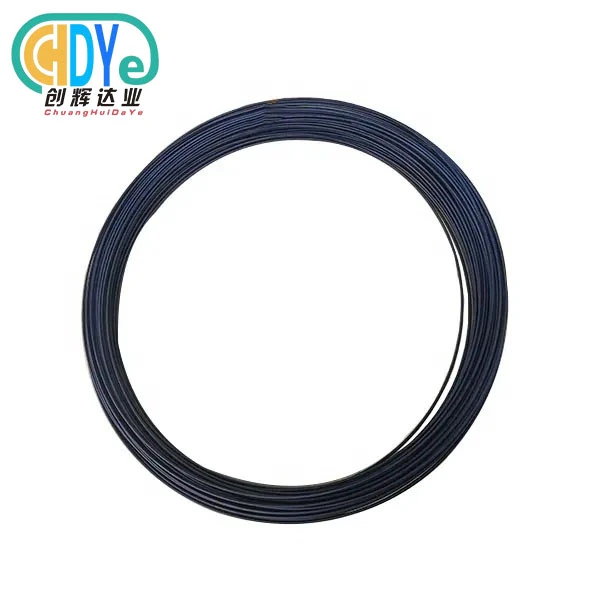
A titanium anode rod is usually made up of a commercially pure Grade 1 or Grade 2 titanium base that has been coated with a catalytic material like a mixed metal oxide (MMO) mixture that has ruthenium, iridium, or platinum group metals in it. Anodes made of magnesium, aluminum, or zinc work by dissolving a sacrificial material, but this structure is very different.
The titanium base material is very resistant to rust because it has a naturally occurring passive oxide layer. The catalytic coating makes it easier to control electrochemical reactions. This mixture lets the rod create safe currents without using up the anode material itself. This is a key difference that makes the system last a lot longer than other options.
Electrochemical Protection Mechanism
Titanium-based systems work as dimensionally stable anodes (DSA), which is different from sacrificial anodes that degrade to protect the tank. When these rods are attached to a low-voltage power source, they create an impressed current that polarises the steel surfaces inside the water heater and stops them from rusting. The catalytic coating makes sure that electrons move quickly, and the titanium base stays physically sound during the protection cycle.
In difficult water chemistry situations, like high mineral content and high temperatures, this process works especially well. Controlled current distribution protects all tank surfaces equally, getting rid of the uneven rust patterns that can happen when spare anodes are used up.
Efficiency and Operational Lifespan
Titanium anode rods have a service life of more than fifteen years in many setups because they don't need to be replaced every three to five years like magnesium rods do. This longer life is due to the substrate's ability to keep its shape and the catalytic coating's ability to prevent electrical breakdown. Titanium's natural passivation layer protects even more against fluoride ions and chloride pollution that can damage other anode materials.
Key Benefits of Titanium Anode Rods in Industrial Applications
Superior Corrosion Resistance and Durability
When the pH level changes from strongly acidic to highly alkaline, the titanium base is very hard for chemicals to attack. This chemical stability is very important in places that handle chemicals because the water heaters may come into contact with cleaning or process fluids that quickly break down other anode materials. Even when it's exposed to high temperatures, the catalytic coating keeps its electrocatalytic qualities. This makes sure that the titanium anode rod security stays in place during times of high demand.
Field tests in areas with hard water show that the material is strong against mineral scaling, which can block and weaken regular anodes. The conductive properties of the MMO coating stop the formation of shielding layers that would hurt the anode's ability to do its job. This keeps the security working well throughout the service interval.
Extended Service Life Reducing Total Cost of Ownership
A study of purchases shows that titanium anode rod systems have better lifetime economics because they don't need to be replaced as often, even though they cost more at first. When factories don't change the anodes every two or three years, they save money on the work costs that come with shutting down the system, draining the tank, and installing new parts. The longer repair period also lowers the cost of keeping replacement parts in stock and the costs of doing business with suppliers.
Less maintenance means less time when equipment isn't working, which is very important for ongoing process operations where lost hot water supplies slow down production. Asset management teams say that the return on investment usually happens within three to five years. After that, the longer service life saves money over time compared to technologies that use disposable anodes.
Performance in Demanding Environmental Conditions
When used at temperatures above 60°C (140°F), magnesium and aluminum anodes break down faster because they are more reactive chemically and galvanically. Titanium anode rod systems work reliably at temperatures ranging from almost freezing to boiling. This makes them good for a variety of uses, such as high-temperature process heaters and industrial steam generation systems.
The material is strong in harsh water conditions, like brackish water, water that has lost minerals, and cleaned city sources. This means that it will protect you no matter what the weather is like. This flexibility lowers the chance of damage from rust that comes up out of the blue when the water chemistry changes from normal.
Titanium Anode Rods vs Alternative Anode Rods: A Rational Comparison
Performance Metrics and Durability Analysis
Comparative testing shows that titanium anode rods keep their protective current flow within certain limits for the whole time they are in use, while sacrificial anodes lose their usefulness over time as they use up more material and have less surface area. Magnesium anodes offer strong initial protection, but they need to be watched closely so that they don't run out of magnesium, which would leave tanks open to rapid rust damage.
Aluminum anodes last about as long as magnesium ones and produce less hydrogen gas, but they are still replaceable parts that need to be replaced every so often. Zinc anodes have the longest service life of all the sacrificial choices, but they also produce less protected current, which makes them less useful in tanks with more water or water that is hard to work with.
Maintenance Requirements and Operational Considerations
Sacrifice anode systems don't need an outside power source, which makes placement easier in places where electrical lines are hard to get to. But this ease of use comes at the cost of regular inspection and replacement processes that stop work and use up upkeep resources.
Powered titanium anode rod systems use very little electricity—usually less than two watts—but they protect continuously without using any material. Visual checks once a year make sure everything is working right, but because there are no consumable parts, there is no need to replace them right away, which is what happens with sacrificial anode maintenance plans.
Environmental Impact and Sustainability Factors
Material consumption by sacrificial anodes creates ongoing waste streams because worn-out parts need to be thrown away and new parts need to be made, packed, and shipped. Titanium anode rod systems have longer repair intervals, which lowers the amount of material that is moved and the environmental effects that come with it, such as emissions from mining, metal refining, and production.
Because titanium anode rods are stable in size, they don't let metal ions into water sources. This is important for the environment, especially for places that drain water heater repair drainage into public sewers or natural waterways. These cleaner business profiles are in line with companies' efforts to be more environmentally friendly and with stricter environmental rules.
Installation and Maintenance of Titanium Anode Rods for Optimal Results
Installation Procedures and Technical Requirements
The first step in a proper installation is to make sure that the system works with the water heater by checking that its build and electricity setup allow for powered titanium anode rods operation. To install, the heating system must be turned off, the tank must be drained, and the anode port must be accessed. This port is usually on top of the tank. Thread compatibility needs to be checked because titanium anode rods might need different fits than regular sacrificial parts.
When making electrical connections, you need to pay attention to the polarity. The positive end of the anode should connect to the power source, and the negative lead should connect to the grounding point of the tank. The voltage sets are usually between 9 and 12 volts DC, and the current draw is adjusted based on the size of the tank and how well the water conducts electricity. Before putting the system back into service, installation teams should use multimeters to make sure it is working correctly.
Routine Inspection and Performance Monitoring
As part of the annual inspection process, the uncovered anode surfaces are looked at visually for signs of coating damage or substrate rust. Electrical continuity is also checked to make sure the voltage and current numbers are correct. Unlike sacrificial anodes, which need to be measured to see how much material is still there, titanium anode rod tests mostly check that the power source keeps working right.
Monitoring the chemistry of the water gives early notice of problems that could affect its long-term performance, like fluoride levels above a certain level or pH levels that are too high or too low for the system's design. Chemical incompatibilities can happen if facilities that keep treatment systems that change the chemistry of water don't check the specs of the anode system.
Strategic Procurement Considerations
Finding authorised suppliers is important for long-term business success because it guarantees product quality and performance dependability. ISO 9001:2015 approval means that quality is managed in a planned way throughout the whole production process, from checking the raw materials to testing the finished product. Documentation like material certificates, coating makeup specs, and performance test data make it possible to check that the product meets the requirements for purchase.
Global sourcing teams should check with suppliers to see if they can meet particular needs, such as non-standard sizes, custom coating formulations for different water chemistry conditions, and fast production for pressing replacements. Technical support from the supplier, such as application engineering help and fixing advice, adds value to the product itself and is especially helpful for sites that are using titanium anode rod technology for the first time.
Choosing the Right Titanium Anode Rod Supplier and Brand
Quality Assurance Standards and Certifications
For evaluating suppliers, manufacturing approval is the starting point, and ISO 9001:2015 sets the standard for quality management. Suppliers with advanced standards for certain industries, like aircraft AS9100 or medical device ISO 13485, bring strict process control that makes sure the quality of each production batch is the same.
Material tracking paperwork lets you check the grade of titanium, the makeup of the coating, and the details of the production process. This paperwork is especially helpful for businesses that are controlled and need full material certifications for compliance reasons or quality system checks.
Technical Support and Value-Added Services
Supplier engineering skills go beyond just making products; they can also give advice based on specific applications and operating needs. Technical teams that know how water chemistry interacts with electrical systems, how to improve performance, and how to integrate these systems offer advice that improves project results and stops mistakes that cost a lot to fix.
Support after the sale, such as guarantee coverage, replacement parts availability, and troubleshooting help, lowers the operating risks that come with equipment not working properly. Suppliers who keep expert support teams on hand to answer pressing questions during the installation or testing phases show that they care about their customers' success after the product has been delivered.
Supply Chain Reliability and Partnership Benefits
Consistent product supply helps with planning upkeep and lowers the costs of keeping inventory for businesses that prefer just-in-time purchasing. Suppliers who can show they can handle both large orders and urgent small-quantity needs give businesses the freedom they need to meet the needs of different sites or project deadlines.
Long-term relationships with suppliers allow teams to work together on projects that make things better all the time. These projects can include feedback loops that help with product development, custom solutions for new uses, and better pricing systems that reward long-term partnerships. OEM collaborations let you use tried-and-true titanium anode rod technology in your own equipment designs, giving you a competitive edge by making your equipment more resistant to rust.
Conclusion
Titanium anode rod technology gives operations real benefits by increasing service life, lowering maintenance needs, and providing better performance in tough water chemistry circumstances. It costs more up front to switch from disposable sacrificial anodes to dimensionally stable systems, but it pays off in the long run because you don't have to change the anodes as often and there are fewer interruptions in operations.
When procurement workers look at corrosion protection options, they shouldn't just look at the purchase price. They should also look at the total cost of ownership, which includes the costs of upkeep labor, downtime, and keeping inventory. The fact that titanium systems can work with environmental compliance and sustainability goals adds strategic value beyond the direct practical benefits.
Partner with Chuanghui Daye for Premium Titanium Anode Solutions
Shaanxi Chuanghui Daye has more than 30 years of experience working with rare metals and can help industries that need better rust protection. In China's Titanium Capital, where we make our products, we use modern production tools and quality systems that are ISO 9001:2015 certified. This makes sure that every titanium anode rod meets strict performance standards. As a titanium anode rod maker with a lot of experience, we can give you custom specs, full material certifications, and expert help as you buy. Email our engineering team at info@chdymetal.com to talk about your unique needs, get full product specifications, or set up an evaluation of a sample for your purpose.
FAQ
Q: Can you tell me how long a titanium anode rod usually lasts compared to a magnesium rod?
A: Under normal working conditions, titanium anode rods should last fifteen to twenty years. On the other hand, magnesium sacrificial anodes need to be replaced every three to five years, depending on the water chemistry and how they are used. The longer service interval is due to the stability of the titanium substrate's dimensions and the resistance of the catalytic layer to electrochemical breakdown.
Q: Can titanium anode rods be used with any kind of water heater?
A: Most business and industrial water heaters can handle installing a powered anode, but it is still important to make sure that the electrical compatibility and physical measurements are correct. Custom production lets anode specs be changed to fit the needs of each installation, which is helpful for systems that need unique configurations.
Q: What kinds of upkeep do titanium anode rods need?
A: The major upkeep tasks are to check the continuity of the electricity once a year and look for problems. Unlike sacrificial anodes, which need to be replaced every so often, titanium systems only need to make sure that the power source stays within the parameters that were set and that the covering surfaces are not physically damaged.
Q: Can titanium anodes work in water that has a lot of fluoride in it?
A: Sometimes, standard MMO coatings might not work well in places with a lot of fluoride. In these cases, you might need special tantalum-stabilised formulas made just for those locations. Water chemistry research helps choose the right covering to get the best long-term performance.
Q: Why does titanium anode passivation happen, and how can it be stopped?
A: Passivation usually happens when electrocatalytic coatings wear off or when protective layers of titanium dioxide form at the edges of a substrate. Operating within the suggested current density limits and avoiding damaging the coating surface through direct touch keeps it from passivating too soon and increases its useful life.
References
1. Smith, J.R., "Electrochemical Corrosion Protection Systems for Industrial Water Heating Applications," Journal of Materials Engineering and Performance, Vol. 28, No. 4, 2019, pp. 2145-2158.
2. Anderson, T.L. and Chen, W., "Comparative Analysis of Anode Materials for Sacrificial and Impressed Current Cathodic Protection," Corrosion Science and Technology, Vol. 17, No. 6, 2020, pp. 891-907.
3. European Committee for Standardisation, "Water Heaters – Corrosion Protection Systems – Performance Requirements and Test Methods," EN 12897:2016, Brussels, Belgium, 2016.
4. Patterson, M.K., "Life Cycle Cost Analysis of Corrosion Protection Technologies in Commercial Water Heating Systems," Building Services Engineering Research and Technology, Vol. 41, No. 3, 2021, pp. 312-327.
5. Zhang, H. and Kumar, R., "Dimensionally Stable Anodes: Material Selection and Performance Optimisation for Aqueous Environments," Surface and Coatings Technology, Vol. 385, 2022, Article 125394.
6. National Association of Corrosion Engineers, "Cathodic Protection of Water Storage Tanks and Process Vessels," NACE International Standard Practice SP0388-2018, Houston, Texas, 2018.

Learn about our latest products and discounts through SMS or email