- English
- French
- German
- Portuguese
- Spanish
- Russian
- Japanese
- Korean
- Arabic
- Greek
- German
- Turkish
- Italian
- Danish
- Romanian
- Indonesian
- Czech
- Afrikaans
- Swedish
- Polish
- Basque
- Catalan
- Esperanto
- Hindi
- Lao
- Albanian
- Amharic
- Armenian
- Azerbaijani
- Belarusian
- Bengali
- Bosnian
- Bulgarian
- Cebuano
- Chichewa
- Corsican
- Croatian
- Dutch
- Estonian
- Filipino
- Finnish
- Frisian
- Galician
- Georgian
- Gujarati
- Haitian
- Hausa
- Hawaiian
- Hebrew
- Hmong
- Hungarian
- Icelandic
- Igbo
- Javanese
- Kannada
- Kazakh
- Khmer
- Kurdish
- Kyrgyz
- Latin
- Latvian
- Lithuanian
- Luxembou..
- Macedonian
- Malagasy
- Malay
- Malayalam
- Maltese
- Maori
- Marathi
- Mongolian
- Burmese
- Nepali
- Norwegian
- Pashto
- Persian
- Punjabi
- Serbian
- Sesotho
- Sinhala
- Slovak
- Slovenian
- Somali
- Samoan
- Scots Gaelic
- Shona
- Sindhi
- Sundanese
- Swahili
- Tajik
- Tamil
- Telugu
- Thai
- Ukrainian
- Urdu
- Uzbek
- Vietnamese
- Welsh
- Xhosa
- Yiddish
- Yoruba
- Zulu
How Does Titanium Plate Improve Equipment Durability?
Titanium plate significantly enhances equipment durability through its exceptional combination of high strength-to-weight ratio, superior corrosion resistance, and thermal stability. Unlike conventional metals, titanium maintains structural integrity under extreme conditions while resisting chemical degradation and temperature fluctuations. This unique metallurgical profile makes titanium an ideal material for critical applications across aerospace, marine, chemical processing, and medical industries, where equipment failure poses substantial operational and safety risks.
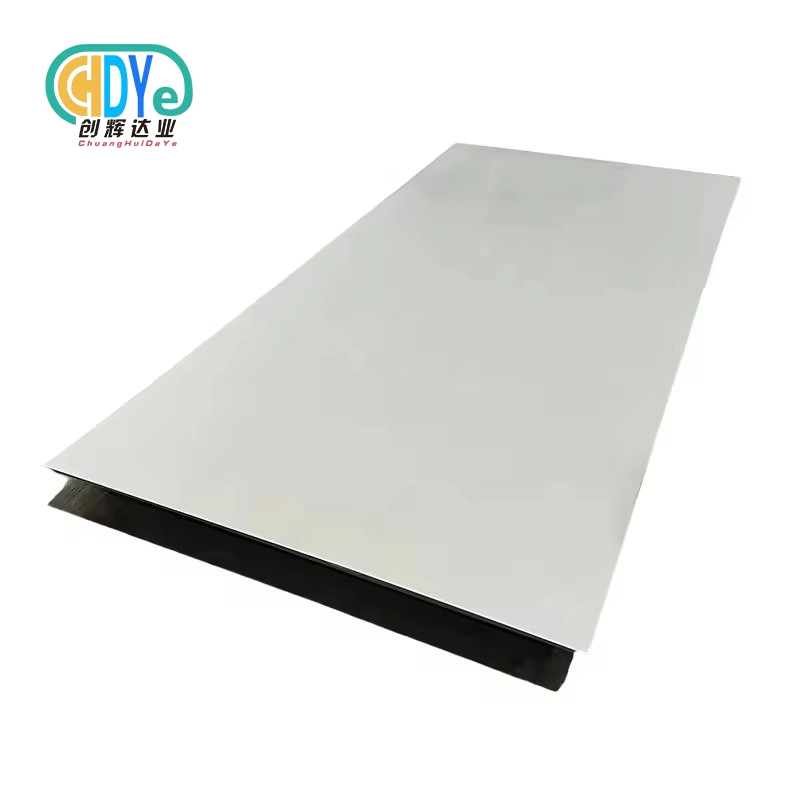
Understanding the Role of the Titanium Plate in Enhancing Equipment Durability
Because of how they are made, titanium plates make a strong case for making tools last longer in many fields. Titanium has great dynamic properties because of its solid structure, which directly leads to better long-term performance.
Superior Chemical Composition and Mechanical Strength
This is because of the way its atoms are grouped; titanium is much stronger than most other metals. Ranges from 240 MPa for very pure grades to over 1100 MPa for airplane alloys like Ti-6Al-4V when it comes to tensile strength. The structure doesn't bend under big loads because it is so strong. This makes the tools last a lot longer. The structure stays strong in temperatures where other metals would grow or shrink. This is because the mechanical properties don't change. Engineers value this trait the most in precision equipment, where it affects performance and safety gaps, because it keeps dimensions stable.
Exceptional Corrosion Resistance in Harsh Environments
Titanium makes an oxide layer that grows back on its own when it breaks. This layer keeps the titanium from rusting. In places where stainless steel breaks down quickly, like saltwater, salt solutions, and most organic acids, this passivation layer doesn't change. Chemical processing equipment benefits dramatically from titanium's resistance to aggressive media. Heat exchangers, reaction vessels, and piping systems made of titanium plate exhibit service lives that are decades longer than those made of conventional materials, lowering repair cycles and operating delays.
Heat Resistance and Thermal Stability
Titanium can be used constantly at high temperatures without losing many of its features because it can withstand high temperatures. Up to 400°C, titanium keeps its mechanical strength. Above 600°C, only some types of titanium work well. This thermal stability keeps things from breaking down when it's very hot outside, where steel and metal would rust and soften fast.
Comparing Titanium Plates with Other Metal Plates in Durability Performance
When people who buy things know how titanium compares to other materials, they can make smart decisions based on the total cost of ownership instead of just the cost of materials at the start.
Titanium vs. Stainless Steel Performance
A lot of the time, stainless steel doesn't rust well. But the titanium plate is better in a lot of important ways. Titanium stops stress rust cracks caused by salt much better than stainless steel does. Chemical and sea environments are both places where this kind of failure can happen. Titanium is stronger than stainless steel when it comes to stress. This is especially true in places where chemicals are present, and loads are put on them over and over again. Titanium is better at not wearing down, which is good for things that are shaken or forced to work hard.
Weight Advantages Over Aluminum and Nickel Alternatives
Titanium is as strong as steel, but it's about 40% lighter. This means that tools can be made to work better. The loss of weight makes it possible to build bigger tools without the need for more structural support. It takes about as long for titanium alloys to rust as it does for nickel alloys, but they are not as dense. Because it's lighter, it costs less to move, is easier to set up, and works better for mobile equipment users.
Long-term Cost Benefits Over Carbon Steel
It is important to coat carbon steel with a lot of protective material and service it often if it is going to be used in acidic environments. Things made of titanium don't need to be fixed up as often and last longer, so even though it costs more at first, it saves money in the long run. Titanium doesn't rust, so there's no need for new parts. This means there is less need for supplies and less downtime when things go wrong without warning. Repair costs are said to drop by more than 60% when workers switch from carbon steel to titanium in the right settings.
How Titanium Plate Properties Translate into Real-World Equipment Durability
Titanium has been shown to improve performance in several work settings, which backs up what people say about its benefits.
Marine and Offshore Equipment Applications
Seawater is one of the hardest places to work with metal tools because it has a lot of salt, dissolved oxygen, and living things in it. Titanium plates have been used for more than 30 years and still have a lot of power. They work great in naval settings. Iron heat exchangers in desalination plants get clogged up less often than copper or nickel heat exchangers. Titanium is a smooth metal that doesn't let living things stick to it. This means that it transfers heat well and doesn't need to be cleaned as often.
Chemical Processing Industry Performance
Equipment used to handle chemicals needs to be made of strong materials that won't break when exposed to harsh chemicals. Steel plates made of titanium can be worked on with chlorine, hydrogen peroxide, and organic acids. These chemicals usually break down titanium plates very quickly. Titanium is a better material for reaction tanks because it doesn't mix with chemicals. This makes the product better. There is a much smaller chance of pollution than with stainless steel, which can introduce small amounts of metal into delicate processes.
Aerospace and Automotive Structural Applications
The right material for an airplane can hold a certain amount of weight. Each pound changes how much fuel it uses and how much it can carry. Building buildings that meet strict safety standards and weigh as little as possible is possible with titanium plates. It is very important for flight parts that go through cycles of high pressure and high vibration that titanium doesn't break down. The fact that titanium has been used for a long time shows that it can withstand millions of loading cycles without breaking. This makes sure that the system always works and that the people are safe.
Practical Considerations for Specifying and Procuring Titanium Plates
If you want to get the most out of titanium's longevity, you need to know about its grades, specs, and how it should be made.
Material Grade Selection and Standards
Pure titanium grades for business use (CP Ti Grades 1-4) don't rust and can be used in chemical processes. You should use Grade 2 for most industrial tasks because it is strong and simple to make. Because it is stronger, Grade 4 is better for building things. Ti-6Al-4V (Grade 5) and other titanium alloys are better for airplanes and high-performance uses because they are stronger. Grade 5 ELI and Grade 23 are often used in the medical field for transplants because they are safe and don't wear down quickly.
Thickness Standards and Design Considerations
Because plate width affects both cost and life, it needs to be carefully chosen based on the purpose. Thicker plates are indeed stronger and less likely to rust, but they cost more and are heavier. Thicknesses range from 0.5 mm to 100 mm, but unique sizes can be made for some needs. When builders plan something, they have to think about how it will be built. For instance, bigger plates need stronger creating forces and may show spring-back effects while they are being made.
Fabrication Techniques and Quality Assurance
Because titanium doesn't rust, its mechanical properties stay the same when it is bonded properly. This material lasts a long time because of an inert gas covering that stops pollution during welding. Dirty welds can become great places for rust to grow, which makes equipment last less long. As part of quality control, measurements are checked, the finish on the surface is checked, and the tensile properties are tested. Ultrasonic testing finds problems inside that could lead to stress cracks. This keeps the structure strong in the long run.
Trusted Sourcing and Supplier Insights for High-Quality Titanium Plates
Trustworthy sources are important for using titanium because they have the technical know-how and quality promises that are needed to make things last longer.
Regional Supply Capabilities and Quality Standards
The titanium industry, which started in Baoji, China, has grown into a major source for titanium around the world. It can make everything from raw materials to finished parts. The products made in China are cheap and meet quality standards in other countries because they are approved to ISO 9001:2015. European and American suppliers offer different types and better tracking for uses in medicine and airplanes. When OEMs are designing new equipment, they often value the expert help and quick prototyping that these companies offer.
Customization Options and Value-Added Services
Some of the best providers offer cutting, shaping, and grinding services that keep the material's properties while meeting specific size needs. These extra services make it easy to buy things and make sure that new goods can be used with current ways of making things. As part of technical support, you can get help picking out the right materials, ideas for how to build them, and tips on how to get the best results. Suppliers who know a lot about metals help customers get the best durability while keeping costs as low as possible by helping them choose the right specifications. The medical device industry benefits a lot from providers who provide materials that meet ASTM F67 and ASTM F136 standards and come with all the paperwork needed to keep track of them. Titanium plate makers who focus on medical applications know what biocompatibility standards are and can give you the right paperwork to follow the law.
Conclusion
Titanium plates are better at keeping heat in, resisting rust, and being strong for their weight than other materials. This means that tools made from them last longer. This material's self-healing oxide layer keeps it safe for a long time in hard conditions, and its mechanical properties keep its structure strong when things get tough. To make execution work, you need to pick the grade carefully, use the right ways to make it, and work with sources who have a lot of knowledge and know how to meet your needs. Titanium plate materials are more expensive up front, but they save a lot of money over time because they require less maintenance, last longer, and function more consistently in a variety of business settings.
FAQ
Q: What makes titanium plates more durable than steel plates?
A: Titanium plates are less likely to rust because they have an oxide layer that heals itself. Besides that, they are stronger for their weight and last longer. Iron and steel need to be protected with coats and maintained regularly, but titanium doesn't. It can naturally resist chemical attack and keep working properly in hard conditions, so it will last a lot longer.
Q: How long do titanium plates last in marine environments?
A: Titanium plates demonstrate exceptional longevity in marine applications, with documented service lives exceeding 30 years without significant corrosion. The material's resistance to chloride-induced corrosion and biological fouling makes it ideal for seawater applications where other materials would require frequent replacement.
Q: Can titanium plates be welded without affecting durability?
A: Yes, a titanium plate can be bonded as long as the right steps are taken to make sure it stays strong. With inert gas protection, the material doesn't get dirty while it's being soldered, so it keeps its functional and corrosion-resistant properties. The joints can last as long as the base material if you use the right welding techniques.
Partner with Chuanghui Daye for Premium Titanium Plate Solutions
Shaanxi Chuanghui Daye Metal Material Co., Ltd. combines over 30 years of rare metal expertise with advanced manufacturing capabilities to deliver superior titanium plate products that maximize equipment durability. Located in China's Titanium Capital, our ISO 9001:2015 certified facility produces high-purity titanium plates in grades including CP Ti and Ti-6Al-4V, with custom processing services including cutting, forming, and precision machining. Our comprehensive quality control process includes ultrasonic testing, dimensional inspection, and mechanical property verification to ensure every plate meets stringent durability requirements. As a trusted titanium plate manufacturer, we provide competitive factory-direct pricing, rapid prototyping capabilities, and technical support to help you optimize equipment performance and lifecycle costs. Contact our engineering team at info@chdymetal.com to discuss your specific application requirements and discover how our premium titanium plates can enhance your equipment durability.
References
1. Lutjering, G., & Williams, J. C. (2007). Titanium: Engineering Materials and Processes. Springer-Verlag Berlin Heidelberg.
2. Donachie, M. J. (2000). Titanium: A Technical Guide, 2nd Edition. ASM International.
3. Boyer, R., Welsch, G., & Collings, E. W. (1994). Materials Properties Handbook: Titanium Alloys. ASM International.
4. Schutz, R. W., & Thomas, D. E. (1987). Corrosion of Titanium and Titanium Alloys. ASM Handbook Volume 13: Corrosion.
5. Peters, M., Kumpfert, J., Ward, C. H., & Leyens, C. (2003). Titanium Alloys for Aerospace Applications. Advanced Engineering Materials, Volume 5, Issue 6.
6. Rack, H. J., & Qazi, J. I. (2006). Titanium Alloys for Biomedical Applications. Materials Science and Engineering: C, Volume 26, Issues 8.
Learn about our latest products and discounts through SMS or email