- English
- French
- German
- Portuguese
- Spanish
- Russian
- Japanese
- Korean
- Arabic
- Greek
- German
- Turkish
- Italian
- Danish
- Romanian
- Indonesian
- Czech
- Afrikaans
- Swedish
- Polish
- Basque
- Catalan
- Esperanto
- Hindi
- Lao
- Albanian
- Amharic
- Armenian
- Azerbaijani
- Belarusian
- Bengali
- Bosnian
- Bulgarian
- Cebuano
- Chichewa
- Corsican
- Croatian
- Dutch
- Estonian
- Filipino
- Finnish
- Frisian
- Galician
- Georgian
- Gujarati
- Haitian
- Hausa
- Hawaiian
- Hebrew
- Hmong
- Hungarian
- Icelandic
- Igbo
- Javanese
- Kannada
- Kazakh
- Khmer
- Kurdish
- Kyrgyz
- Latin
- Latvian
- Lithuanian
- Luxembou..
- Macedonian
- Malagasy
- Malay
- Malayalam
- Maltese
- Maori
- Marathi
- Mongolian
- Burmese
- Nepali
- Norwegian
- Pashto
- Persian
- Punjabi
- Serbian
- Sesotho
- Sinhala
- Slovak
- Slovenian
- Somali
- Samoan
- Scots Gaelic
- Shona
- Sindhi
- Sundanese
- Swahili
- Tajik
- Tamil
- Telugu
- Thai
- Ukrainian
- Urdu
- Uzbek
- Vietnamese
- Welsh
- Xhosa
- Yiddish
- Yoruba
- Zulu
How Often Should You Replace a Titanium Anode Rod?
If you are responsible for water heater systems in a business or industry setting, you need to know when to update the safety parts. Anodes made of magnesium or aluminum usually break down over time, but a titanium anode rod works as an Impressed Current Cathodic Protection (ICCP) system and doesn't break down while it's working. Good news: high-quality titanium anode rods usually don't need to be replaced for 10 to 20 years as long as they are put and kept correctly. Because they last longer, they don't need to be replaced every two to four years like regular anodes do. This cuts down on repair costs and downtime in chemical processing plants, aircraft facilities, and other demanding settings.
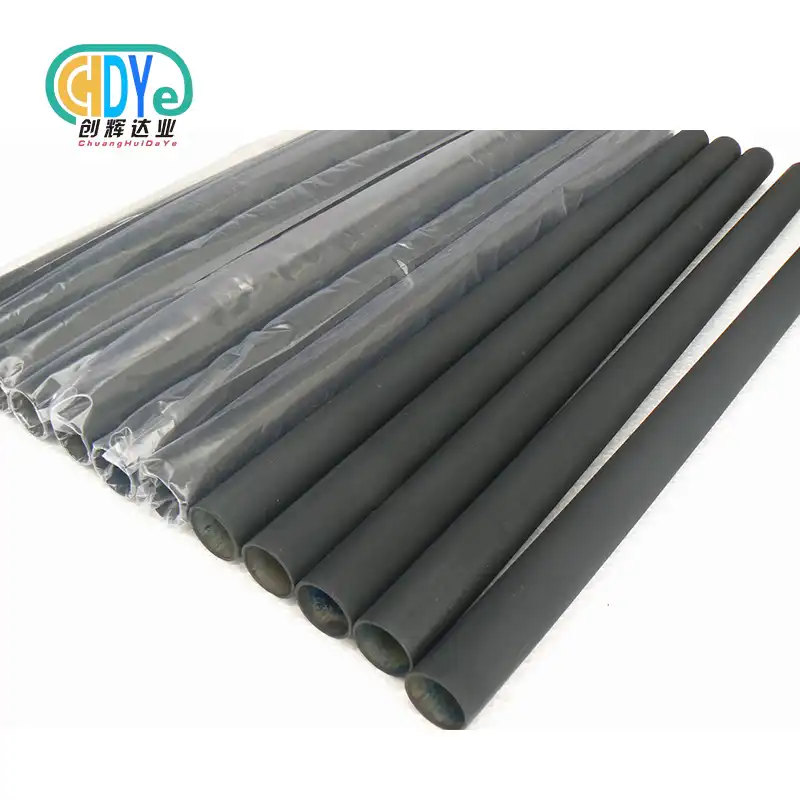
Understanding Titanium Anode Rods and Their Function
Corrosion is a constant problem in systems that contain water, especially in industrial settings where broken equipment directly leads to lost production. The safety system of an anode rod affects how well your tanks work and how often they need repair.
What Makes Titanium Anode Rods Different
A titanium anode rod is a big change from inactive protection technology to active protection technology. The base material meets the standards for ASTM B265 or B348 Grade 1 or Grade 2 titanium, which guarantees its high strength and ability to conduct electricity. The Mixed Metal Oxide (MMO) covering on these rods, which is usually made up of Iridium Oxide and Tantalum Oxide (IrO₂-Ta₂O₅), makes it possible to control electrochemical processes without damaging the rod itself.
How Electrochemical Protection Works
The titanium anode rod sends a controlled low-voltage electrical current into the water to protect the steel tank instead of using physical force. In home settings, this current usually runs at less than 3 volts and changes itself based on how resistive the water is. The electrochemical process stops reactions that corrode tank walls by maintaining a safe potential on all metal surfaces. This active defense method works especially well in places with a lot of resistance, like fresh water systems or ocean uses, where passive anodes would quickly stop working.
Advantages Over Traditional Sacrificial Anodes
The technical perks go beyond how long something lasts. The current spread stays the same no matter how long the device is in use because the titanium base doesn't change size during its lifetime. The rod stops the production of hydrogen sulfide gas, which is what gives water systems with sulfate-reducing bacteria their famous "rotten egg" smell. Titanium is also not soluble, which helps keep heat exchangers and tank bottoms cleaner and more efficient for longer periods of time by preventing sediment from forming due to dissolving anode material.
How Often Should You Replace a Titanium Anode Rod?
To set the right repair and replacement schedule, you need to know the specific operating factors that affect your system. Titanium anode rods need to be serviced in a different way than spare anodes, which need to be inspected regularly and replaced when they wear out.
Factors Influencing Lifespan
Water chemistry is a key factor in determining how long a show lasts. Extreme pH levels (below 5.5 or above 9.5), high chloride amounts (more than 500 ppm), or high temps (above 180°F) may cause coatings to wear off more quickly. The electrical conductivity of your water has a direct effect on how much current you need. Water with low conductivity needs higher voltage to stay safe, which could put stress on the parts of the power source. It's also possible for settings with a lot of temperature cycles or irregular use patterns to shorten the life of both the layer and the computer parts.
Visual and Performance Indicators
During regular checks, a few key signs should be the main focus. Examine to see if the MMO covering is breaking down, falling off, or letting the titanium base underneath show. Verify the power source unit's LED signal state. Most acceptable units will show green when they're working right and red or orange when there are problems with the circuit. Changes in the water quality provide operating clues: staining, strange tastes, or the return of sulfur smells all point to less security. Using a voltmeter to measure the flow of electrical power during yearly checks helps find problems before they become full.
Recommended Inspection Schedule
Even though they are very durable, a structured verification procedure makes security even more reliable. We suggest that eye inspections be done once a year for the first five years of running and then every six months after the tenth year. These checks should include checking the power source, ensuring the electrical connections are tight, and checking the state of the coating. By keeping detailed service records, you can find patterns and plan ahead for repair in many parts of big sites.
Comparing Titanium Anode Rods with Other Common Types
To choose the best anode technology, you have to weigh the technology's performance against daily needs and total cost. Each material has its own benefits that improve it for certain uses and water situations.
Performance and Durability Differences
When it comes to defense, magnesium anodes are the strongest, but they wear out quickly—usually just one to three years in hard water. Anodes made of aluminum offer average security, but they need to be replaced every 2 to 5 years. In some situations, zinc anodes work well, but they wear out just like aluminum does. The titanium anode rod is unique because it provides continuous protection for 10 to 20 years without physical breakdown. When it comes to how they work, the main difference is that standard anodes give up molecules at a time, while titanium rods help electrochemical processes happen without losing any material.
Cost Analysis and Total Ownership
A titanium anode rod usually costs two to four times as much as a magnesium one when it is first bought. But the total cost situation changes significantly when considering the work involved and the frequency of item replacement. To replace a sacrificial anode, the system has to be turned off, the tank has to be drained, the rusted rod has to be physically removed, a new unit has to be installed, and the system has to be turned back on. This takes two to four hours of skilled work per cycle. In a normal 15-year water heater lifespan, magnesium anodes need to be replaced 4 to 6 times, while titanium systems only need to be replaced 0 to 1 time. Most of the time, the lower cost of materials is more than made up for by the savings in labor. This is especially true in factories, where downtime costs a lot of money.
Application Suitability
The best material choice depends on the nature of the water. Magnesium anodes work best in soft water, but they break down quickly in hard water that has many minerals in it. Aluminum anodes work well in most home settings, but they don't do well in business settings where the water is harsh or the temperatures are high. Titanium anode rods work better in many different situations. They work especially well in tough places with lots of sulfate, lots of temperature changes, or water with changing chemicals. Titanium rods are essential in places like chemical processing plants, pharmaceutical factories, and aircraft testing labs where the water quality changes or where purity rules stop metallic pollution from melting sacrificial anodes.
Procurement Strategies for Titanium Anode Rods
To get reliable, high-quality anode rods, you need to carefully evaluate suppliers and plan your purchases. Because titanium parts are so specialized, suppliers' skills change a lot from one market to the next.
Evaluating Supplier Credentials
Precision in making and strict quality control are necessary for high-quality titanium anode rods. Check for ISO 9001:2015 approval as a basic quality management sign when looking at possible providers. In addition to certifications, you should also look at the supplier's technical skills. For example, do they have their own heating and shaping tools, or do they just sell goods that were made somewhere else? Companies that have their electron beam ovens, rolling mills, and grinding facilities usually have better quality control and expert support. Ask for proof that you can track the raw materials, the coating's specs, and test results for electrical performance.
Cost Considerations and Negotiation
The price of titanium anode rods depends on material costs, manufacturing difficulty, and coating. Industrial-grade units cost between $150 and $400 on the market right now, based on their length, thickness, and finishing requirements. When you buy in bulk, you save a lot of money. Usually, orders of 50 units or more get discounts of 15 to 25 percent compared to single-unit prices. Setting up long-term supply deals with yearly volume promises keeps prices stable and makes sure that priority is given to allocation during times when materials are in short supply. When you discuss contracts, you should talk about payment terms, the ability to speed up production for pressing needs, and the availability of expert help.
Logistics and Service Support
When buying titanium parts around the world, you have to think about shipping and help. Make sure that your provider keeps enough stock on hand to meet normal wait times of two to four weeks for stock items and six to eight weeks for custom orders. Know what the guarantee covers. Most good companies offer 1- to 3-year warranties that cover flaws in the manufacturing process and the quality of the finish. Test how quick technical support teams are by asking for help with an application during the qualification process. When suppliers offer startup help, fixing steps, and compatibility checks, it indicates that they care about their customers' success, which is why they charge more.
Installation and Maintenance Best Practices for Longevity
The protective usefulness and service life of your titanium anode rods are directly related to how well they are installed and how often they are serviced. When you put them poorly or don't keep them properly, even the best parts don't work as well as they should.
Step-by-Step Installation Guide
System setup is the first step in the startup process. Cut off the water heater's supply lines, turn it off, and empty the tank fully to avoid water damage during installation. Some industrial tanks use 1-inch lines instead of the usual 3/4-inch NPT threading on the anode port. Thoroughly clean the port threads by getting rid of any buildup of scale or old thread sealer. Use Teflon tape or high-temperature pipe thread sealer on the rod threads, but don't use it on the first two threads so that the sealant doesn't get inside the tank. Carefully thread the rod by hand until there is more resistance. Then, use the right wrench to tighten an extra 1.5 to 2 turns. If you tighten it too much, you could damage the port or bend the rod.
Set up the electricity lines after you finish the motor work. Place the power supply unit somewhere dry, about 6 feet away from the anode rod, and make sure there is enough airflow around the transformer. Connect the grounding wire to a good grounding point on the water heater frame or a separate ground rod. Use a voltmeter to make sure the wire is still connected. It is best to connect the power source to a separate 120V circuit and not share circuits with motors or other high-induction loads that can cause electrical noise. Turn on the system, check all the links for leaks, and turn on the water source. Before putting the unit back into service, make sure the LED light shows that it is working properly.
Maintenance Checklist and Scheduling
Setting up a regular repair schedule prevents unexpected breakdowns and extends their useful life. Once a month, please check the power source sign. An LED that stays lit means the circuit is still working. Every three months, please check the electrical links to ensure the leads are still tight and free of rust. As part of the annual maintenance, the state of the coating should be checked, which means that part of the tank needs to be drained to reveal the top of the rod. Examine the MMO layer for even coverage and stickiness, looking for signs of flaking or base exposure. Please check the output current and compare it to the standard readings taken during installation. If there are big differences, it means that problems are starting to show up with the power source or the coating.
Common Installation Mistakes to Avoid
Several incorrect settings reduce the system's effectiveness. When you use the wrong thread locker, you introduce chemical mismatches. For example, normal pipe dope may contain substances that stop electrical processes from working properly. It is a waste of money to put the rod in tanks with non-metallic linings or stainless steel construction, since these materials don't need cathodic protection. Not properly grounding something can be dangerous and stop the flow of electricity. Putting the power supply in a damp place or close to water sources will cause it to fail early. If you don't check the electrical orientation during installation, rust can get worse instead of being better protected. You can avoid these mistakes by taking the time to follow the manufacturer's instructions and check each step of the installation process.
Conclusion
In conclusion, when it comes to protecting against rust, titanium anode rods are the best deal. They last 10 to 20 years, which is a lot longer than standard disposable anodes. Replacement is only needed when the coating wears off or the power source stops working, which usually happens after many years of steady use. For industrial facilities, chemical processing plants, and other places where downtime costs a lot, these systems are especially appealing because they work better in tough water conditions, get rid of sulfur smells, and need less upkeep. For execution to go well, it's important to choose high-quality materials from reputable sources, install them correctly by following the technical instructions, and check them regularly. Procurement managers and building managers can get the most out of their investments and protect their assets at all times by learning about the practical factors that affect how long something lasts and then doing preventative maintenance.
Partner with Chuanghui Daye for Superior Titanium Anode Rod Solutions
With 30 years of experience in rare metals and roots in Baoji, China's "Titanium Capital," Chuanghui Daye is ready to help you buy titanium anode rods. Our production methods are approved by ISO 9001:2015 and consistently produce high-purity materials that meet the strict requirements of aircraft, chemical processing, and advanced industrial uses. As a direct producer of titanium anode rods, we don't have to pay markups to middlemen and can keep full track of the process from choosing the raw materials to the final inspection. For your unique water chemistry and operating needs, our expert team offers full application support, helping you choose the best rod diameters, covering setups, and electrical parameters. Our global shipping infrastructure and flexible production skills make sure that you always have a reliable supply, whether you need a few prototypes for research projects or a lot of them delivered on time for large-scale installations. Email our engineering team at info@chdymetal.com to talk about your project needs and get full technical specs that are made just for you.
FAQ
Q: How long does a titanium anode rod typically last?
A: Under normal working conditions, high-quality titanium anode rods with mixed metal oxide coats usually last 10 to 20 years. This is how long it should last if it is installed correctly, the water has a reasonable pH (6.5 to 8.5), and it is maintained regularly. Systems that work in harsh settings with lots of salt, temperatures above 180°F, or conditions that are very acidic may need to be serviced less often, every 7 to 12 years. Sometimes the power source part needs to be replaced before the rod itself, usually after 8 to 15 years of nonstop use.
Q: Can titanium anode rods replace magnesium or aluminum anodes directly?
A: Titanium anode rods can be used instead of spare anodes in most water heater situations, but the way they are installed is very different. For magnesium and aluminum anodes, all you need is to put them into the anode port. Titanium systems, on the other hand, need electrical power source units and grounding links. Make sure that the liner in your tank is made of steel or carbon steel and needs cathodic protection. Stainless steel tanks and tanks with non-metallic linings do not gain from having anode rods installed. Check the thread compatibility and rod length specs to make sure the rod will fit correctly in your tank model.
Q: What water conditions suit titanium anode rods best?
A: Traditional protective anodes don't work as well in all types of water, but titanium anode rods do. They work really well in places with hard water, where magnesium rods break down quickly because of the high mineral content. Titanium technology quickly helps systems with sulfur smell issues because the rods stop the production of hydrogen gas, which is what sulfate-reducing bacteria need to survive. Chemical production plants use water that contains various chemicals, and the safety remains consistent even when the pH changes. The technology also works well in high-temperature situations and systems that need to change temperatures often, where regular anodes would fail early.
References
1. American Water Works Association. (2020). Corrosion Control Practices in Water Distribution Systems. Denver: AWWA Publishing.
2. Baeckmann, W., Schwenk, W., & Prinz, W. (2018). Handbook of Cathodic Corrosion Protection: Theory and Practice of Electrochemical Protection Processes. Houston: Gulf Professional Publishing.
3. Cottis, R., Graham, M., Lindsay, R., Lyon, S., Richardson, T., Scantlebury, D., & Stott, H. (2017). Shreir's Corrosion Engineering Handbook. Oxford: Elsevier Science.
4. International Titanium Association. (2019). Titanium for Corrosion Control Applications: Technical Guidelines for Material Selection and Performance. Broomfield: International Titanium Association.
5. National Association of Corrosion Engineers. (2021). Cathodic Protection Systems Design and Installation Standards. Houston: NACE International.
6. Revie, R.W. & Uhlig, H.H. (2018). Corrosion and Corrosion Control: An Introduction to Corrosion Science and Engineering. Hoboken: John Wiley & Sons.
Learn about our latest products and discounts through SMS or email