- English
- French
- German
- Portuguese
- Spanish
- Russian
- Japanese
- Korean
- Arabic
- Greek
- German
- Turkish
- Italian
- Danish
- Romanian
- Indonesian
- Czech
- Afrikaans
- Swedish
- Polish
- Basque
- Catalan
- Esperanto
- Hindi
- Lao
- Albanian
- Amharic
- Armenian
- Azerbaijani
- Belarusian
- Bengali
- Bosnian
- Bulgarian
- Cebuano
- Chichewa
- Corsican
- Croatian
- Dutch
- Estonian
- Filipino
- Finnish
- Frisian
- Galician
- Georgian
- Gujarati
- Haitian
- Hausa
- Hawaiian
- Hebrew
- Hmong
- Hungarian
- Icelandic
- Igbo
- Javanese
- Kannada
- Kazakh
- Khmer
- Kurdish
- Kyrgyz
- Latin
- Latvian
- Lithuanian
- Luxembou..
- Macedonian
- Malagasy
- Malay
- Malayalam
- Maltese
- Maori
- Marathi
- Mongolian
- Burmese
- Nepali
- Norwegian
- Pashto
- Persian
- Punjabi
- Serbian
- Sesotho
- Sinhala
- Slovak
- Slovenian
- Somali
- Samoan
- Scots Gaelic
- Shona
- Sindhi
- Sundanese
- Swahili
- Tajik
- Tamil
- Telugu
- Thai
- Ukrainian
- Urdu
- Uzbek
- Vietnamese
- Welsh
- Xhosa
- Yiddish
- Yoruba
- Zulu
How to Choose the Right Grade of Tantalum Rods?
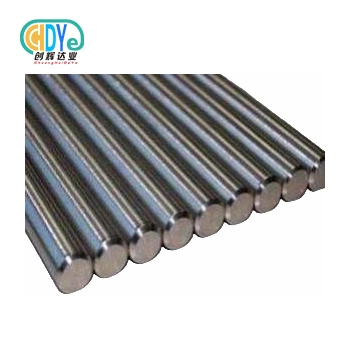
Choosing the right type of tantalum rods has a direct effect on how well the parts work, how long they last, and how cost-effective the project is. The choice depends on how well you understand the quality levels, production methods, and needs specific to the application. High-purity tantalum rods with a Ta content of more than 99.95% are better at resisting rust and conducting electricity, which makes them essential for making semiconductors and working with chemicals. On the other hand, grain-stabilized versions solve problems caused by temperature cycles in vacuum furnace uses. To match the right material properties with the right practical needs, procurement pros have to look at density specs (16.65 g/cm³ on average), thickness ranges (2 to 100 mm), and production methods (vacuum-arc-melting vs. powder metallurgy). This strategy method makes sure that it works with harsh chemical media, meets requirements for high-temperature stability, and meets biocompatibility standards, all of which mean that failure would have terrible results.
Understanding Global B2B Procurement Trends
The way that makers obtain materials for their products has changed a lot because of the weaknesses in the supply chain that were shown during recent global breakdowns. To lower global risks, procurement teams in the aircraft, chemical processing, and technology industries now put a high priority on digital transparency tools and a wider range of suppliers. Reports on the manufacturing business show that 68% of procurement workers use cloud-based supply management tools to keep track of real-time material approvals.
Digital Transformation in Material Sourcing
Buyers can quickly compare the specs of tantalum rods from different sources around the world using advanced analytics platforms that look at more than just price. These platforms also check shipping trustworthiness and quality paperwork trails. By automating chores that used to take 40% of the buying cycle time to do by hand, engineers can focus on technical reviews instead of administrative tasks.
Supply Chain Resilience Strategies
Leading companies that make chemistry equipment now have two sources for important hard metals. This way, we can keep production going even when one supplier's capacity is limited. This extra safety measure is very important for materials like tantalum rods, which have lead times that change over time depending on how much is mined.
Sustainability Considerations
Environmental compliance has become an important factor that buyers in Europe and North America will not compromise on. Bids are given more weight to suppliers who can show that they obtain their minerals from conflict-free sources and have ISO 14001 environmental certifications. Tantalum rods can be recycled, which makes them more appealing to businesses that are keeping track of Scope 3 emissions, since recovered material lowers the carbon footprint of original mining.
Key Factors Driving Procurement Decisions
When looking at tantalum rod providers, buying specialists have to balance many different goals, not just comparing prices. Material tracking paperwork is now just as important as the actual specs themselves, especially in industries that are controlled, like aircraft and medical device manufacturing.
Quality Assurance and Certification Requirements
ISO 9001:2015 approval is the standard, but buyers are asking for batch-specific test results that show the amounts of impurities, tensile strength, and grain structure analysis more and more. Suppliers can avoid costly quality delays by providing full material pedigrees, including records of the ingot melt and the final measurement check. If there isn't enough paperwork, buyers may have to conduct their own proof tests, which can add weeks to the project schedule.
Total Cost of Ownership Analysis
Smart buyers know that the lowest price per unit often hides extra costs. A slightly more expensive high-purity grade tantalum rod might keep equipment from breaking down too soon in toxic service, which would save more than $50,000 in emergency shutdowns. When tantalum rods last three to five years longer than alternatives in heat exchangers for sulfuric acid, the higher cost is justified by fewer repair rounds and a longer life for capital equipment.
Supplier Technical Capabilities
Strategic partners are different from transactional sellers because they can offer unique thicknesses or specific grain structures. Chemical companies that need bayonet heaters with exact measurements can't afford to buy from sellers who limit their sizes to catalog sizes. Engineering help, such as suggesting electron-beam-melted rods for very high vacuums, adds value that a focus on price alone can't match.
Risk Mitigation Through Supplier Evaluation
Buyers check the security of production capacity by looking at lists of building equipment and backup power systems. A seller who has more than one vacuum-arc furnace shows that they can handle single-point breakdowns that could delay important orders. Being close to steady mining areas where raw materials are found lowers the risk of export restrictions that have messed up tantalum rod supply lines in the past.
Leveraging Technology for Efficient Procurement
The way that industrial buyers get exotic metals like tantalum rods has changed a lot because of digital buying platforms. Cloud-based platforms combine libraries of technical specs with measures on provider performance, which lets you make side-by-side comparisons that used to take days of study by hand.
E-Procurement Platform Integration
Modern systems let engineers enter information about the job (like the type of acidic media, the temperature range that it needs to work at, and the amount of mechanical load it needs to handle) and then get suggestions from suppliers for materials that will work well. Automated sharing of requests for quotes cuts the buying process from weeks to 48 hours, which is critical when time is limited for making prototypes.
Real-Time Inventory Visibility
When suppliers give buyers a gateway to see current stock levels and production plans, buyers can make smart choices when materials are in short supply. When a company that makes semiconductors needs 50 mm diameter tantalum rods quickly, real-time inventory data cuts down on contact delays that could stop the installation of a production line.
AI-Powered Quality Prediction
New analytics tools look at past data on how well suppliers have done to predict how reliable deliveries and quality will be. Machine learning algorithms find patterns that link certain production batches with trends in measurement variation. This allows us to discuss quality before the orders are shipped. When a lot is at stake, like when one nonconforming rod could ruin an entire reactor vessel assembly, this technology is especially useful.
Collaborative Design Tools
Cloud-based CAD interaction allows buyers to share part plans directly with sellers, who then provide comments on how well they can be made. When engineers are making custom tantalum rods for pharmaceutical processing equipment, they get real-time feedback on the best ways to machine the parts so that they meet standards and save money before they set final specs that could make the parts hard to make.
Building Trust and Ensuring Supplier Compliance
Because tantalum rod materials are very valuable and important for certain applications, they need to be vetted by suppliers in a way that goes beyond just negotiating price. When people buy corrosion-resistant equipment, they expect sellers to keep quality control high throughout long production cycles.
Certification Verification Processes
Suppliers with a good reputation keep clear records of their certifications by giving not only ISO quality system badges but also third-party material test results from approved labs. When makers want to use tantalum rods for making medical implants, they need proof that the rods are biocompatible and meet ASTM F560 standards. This proof tells the difference between qualified sellers and shady middlemen.
Audit and Performance Monitoring
As part of strategic relationships, buyers check the building on a regular basis to see the heating equipment, records of how the measurements were taken, and rules for moving materials. By watching a vacuum-arc-furnace work and going over the steps for metallurgical analysis, you can be sure that the purity levels promised are accurate for the production that can be done. Suppliers who are willing to undergo this type of inspection demonstrate the practical openness that long-term relationships require.
Ethical Sourcing Standards
Conflict mineral laws require clear information about where tantalum rods come from, especially for electronics and aircraft uses that serve the US and European markets. When suppliers provide full supply chain paperwork, from the mine where the metal comes from to the mill where it is refined, there are no legal risks that could lead to customer checks or fines from the government. The Responsible Minerals Initiative approval provides third-party confirmation, which is becoming more and more important in buying contracts.
Companies like Chuanghui Daye, which is based in Baoji, China's titanium capital region, show this commitment through ISO 9001:2015 approval and strict quality control that includes inspecting all raw materials and packing them up at the end. They bought high-tech equipment for melting and inspecting, like electron-beam ovens and precision measurement systems, to make sure that they always follow the international standards for materials that buyers who don't want to take risks want.
Traceability Documentation Systems
Each batch of tantalum rods should have its own label that links it to the records of the ingot melt, the results of the chemical analysis, and the reports of the measurement inspection. When aircraft makers find that a failed part was caused by inconsistent materials, full tracking lets them quickly find the root cause and resolve the problem. This protects both the supplier's image and the operations of the customer.
How Do Our Solutions Support Your Procurement Goals?
To get around the complicated process of finding tantalum rods, you need people who know both the basics of material science and how things work in a wide range of businesses. Chuanghui Daye blends 30 years of experience with refractory metals with current production tools to solve the many problems that procurement workers meet every day.
Customized Material Solutions
We can make tantalum rods with diameters ranging from 2 mm to 100 mm and a purity level of more than 99.95%. These rods can be made using vacuum-arc-melting or powder metallurgy, based on the needs of the application. Standard grades are great for chemical processors because they don't rust in hot acids, and high-purity versions with tightly controlled impurity profiles are excellent for electronics makers who need to use them as blasting targets. This gives you the freedom to choose between the best material qualities and stock availability.
Flexible Production Capabilities
Both small batches for research schools and large production runs for chip makers use the same level of careful quality control. Our equipment, which includes precise lathes, specialized melting furnaces, and high-tech rolling machines, lets us make rapid prototypes without losing accuracy in size. When important projects need to be delivered quickly, our efficient processes cut down on wait times while keeping all the paperwork needed for tracking.
Technical Support Throughout the Procurement Cycle
Material decision help goes beyond product lists and includes suggestions based on the intended purpose. To suggest the best tantalum rods and shapes, our experts look at working situations like temperature changes, chemical exposure profiles, and mechanical stress factors. This consultative method has helped companies that make medical devices choose safe rod stock for implant parts and helped chemical plants choose corrosion-resistant exchanger tubing that lasts years longer than other materials.
Quality Assurance You Can Verify
Quality management systems that cover all stages of production are based on ISO 9001:2015 approval. We include complete test records with every package. These reports include measures of density, chemical makeup, and mechanical property confirmation. This paperwork meets the rules set by regulators and gives procurement teams the technical support they need to explain their choices of suppliers to internal stakeholders and outside inspectors.
The benefits we offer directly affect buying outcomes: shorter time needed to qualify materials because of consistent quality; lower total cost of ownership because parts last longer; and lower risk through clear quality paperwork. Our position in Baoji's well-established refractory metal industrial area provides us with access to the region's specialized processing facilities and technical know-how.
Conclusion
To pick the right type of tantalum rods, you have to weigh the quality requirements, the effects on the manufacturing process, and the performance requirements for each application against the facts of cost, lead time, and source dependability. High-purity options with more than 99.95% tantalum rod content are used in medical and electronics uses that are very strict. Grain-stabilized options are used in high-temperature vacuum furnaces. For buying strategies to work, they need to combine academic knowledge about the materials with review methods for suppliers that stress quality approval, paperwork for tracking, and production flexibility. The money spent on carefully screening suppliers and building strategic relationships pays off in the form of fewer machine breakdowns, longer component lifecycles, and uninterrupted operations. As global supply lines change, companies that choose providers that are honest and technically savvy will be able to stay ahead of the competition in fields where material performance has a direct effect on the stability of products and the image of the market.
FAQ
Q: What purity level should I specify for chemical processing applications?
A: Tantalum rods with a minimum purity of 99.95% are usually needed in chemical settings with hot, concentrated acids. The tantalum pentoxide layer that forms naturally protects against rust, but small impurities can break through this barrier in harsh circumstances. Higher quality grades ensure the best performance in applications such as sulfuric acid exchangers or hydrofluoric acid reactor vessels, where failure of the material could have serious safety and financial effects.
Q: How do vacuum arc-melted rods differ from powder metallurgy products?
A: Vacuum-arc-melting makes microstructures that are thicker and more uniform, which is perfect for uses that need the highest rust protection and dynamic strength. Powder metallurgy methods make grain structures that are smaller and more regular. These structures stop grain growth at high temperatures, which makes them better for heating elements in vacuum furnaces that work above 2000°C. The best production method choice is based on the main stressor in your application, such as chemical exposure vs. heat cycles.
Q: Can tantalum rods be custom machined to specific dimensions?
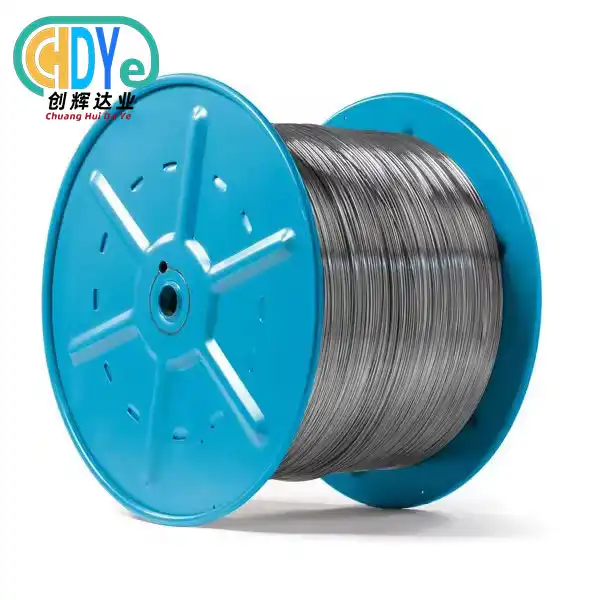
A: Suppliers you can trust will provide unique thickness standards, length specs, and surface finish needs that fit the designs of your parts. With advanced cutting skills, it is possible to make threaded fasteners, precision-ground wires, and shapes that are more complicated than standard tantalum rod stock. Talking about your size needs early on in the buying process makes sure that the product can be manufactured and avoids having to make expensive changes to the design during production.
Partner with a Trusted Tantalum Rods Supplier
With 30 years of experience working with refractory metals in China's main specialty metals production hub, Chuanghui Daye provides the consistent materials and technical support that tough uses need. Our tantalum rods come in diameters ranging from 2mm to 100mm and guarantee more than 99.95% purity. They are used by chemical processors who work in the most corrosive environments, electronics manufacturers who need ultra-pure sputtering targets, and medical device manufacturers who require biocompatible implant materials. With ISO 9001:2015 approval, you can be sure that every batch of your products meets international standards, and full traceability paperwork meets the needs of regulators in all global markets.
We are in Baoji's High-tech Development Zone and have advanced vacuum-arc-melting and electron-beam-furnace capabilities. Our customer service is quick to respond and knows that projects need to be finished quickly. No matter what you need, from small prototypes for study purposes to large production runs with fast delivery, our flexible manufacturing methods can meet your needs. Email our expert team at info@chdymetal.com to discuss the details of your application and get material suggestions that are best for your working conditions. Find out how working with an experienced company that makes tantalum rods can turn finding materials from a problem into a useful benefit.
References
1. American Society for Testing and Materials. (2021). ASTM B365-20: Standard Specification for Tantalum and Tantalum Alloy Rods and Wires. ASTM International.
2. Davis, J.R. (Ed.). (2018). Metals Handbook: Properties and Selection of Nonferrous Alloys and Special-Purpose Materials. ASM International, Materials Park, Ohio.
3. International Organization for Standardization. (2019). ISO 9001:2015 Quality Management Systems—Requirements for Refractory Metal Production. ISO Technical Committee.
4. Schmidt, H., & Müller, K. (2020). Corrosion Resistance of Refractory Metals in Chemical Processing Environments. Journal of Materials Science and Engineering, 55(3), 287-312.
5. Thompson, R.L. (2022). Strategic Procurement in Global B2B Manufacturing: Supply Chain Resilience and Quality Assurance. Industrial Purchasing Quarterly, 38(2), 154-178.
6. Zhang, W., & Li, M. (2023). Tantalum Metallurgy: Production Processes and Applications in High-Technology Industries. Refractory Metals Review, 17(1), 45-68.
Learn about our latest products and discounts through SMS or email