- English
- French
- German
- Portuguese
- Spanish
- Russian
- Japanese
- Korean
- Arabic
- Greek
- German
- Turkish
- Italian
- Danish
- Romanian
- Indonesian
- Czech
- Afrikaans
- Swedish
- Polish
- Basque
- Catalan
- Esperanto
- Hindi
- Lao
- Albanian
- Amharic
- Armenian
- Azerbaijani
- Belarusian
- Bengali
- Bosnian
- Bulgarian
- Cebuano
- Chichewa
- Corsican
- Croatian
- Dutch
- Estonian
- Filipino
- Finnish
- Frisian
- Galician
- Georgian
- Gujarati
- Haitian
- Hausa
- Hawaiian
- Hebrew
- Hmong
- Hungarian
- Icelandic
- Igbo
- Javanese
- Kannada
- Kazakh
- Khmer
- Kurdish
- Kyrgyz
- Latin
- Latvian
- Lithuanian
- Luxembou..
- Macedonian
- Malagasy
- Malay
- Malayalam
- Maltese
- Maori
- Marathi
- Mongolian
- Burmese
- Nepali
- Norwegian
- Pashto
- Persian
- Punjabi
- Serbian
- Sesotho
- Sinhala
- Slovak
- Slovenian
- Somali
- Samoan
- Scots Gaelic
- Shona
- Sindhi
- Sundanese
- Swahili
- Tajik
- Tamil
- Telugu
- Thai
- Ukrainian
- Urdu
- Uzbek
- Vietnamese
- Welsh
- Xhosa
- Yiddish
- Yoruba
- Zulu
How to Choose the Best Niobium Wire Supplier
One of the most important considerations a procurement expert can make is selecting the correct niobium wire provider. Whether you are in electronics, aerospace, or specialized manufacturing, the purity, dimensional consistency, and mechanical integrity of niobium wire all directly affect production results. You need to ensure that your supplier can provide proven purity levels of Nb >99.9%, explicit tensile and dimensional specs, ISO 9001:2015 certification, and quick technical assistance. This book takes you through each essential assessment layer so that you may source with confidence and develop a supplier relationship that supports long-term operational success.
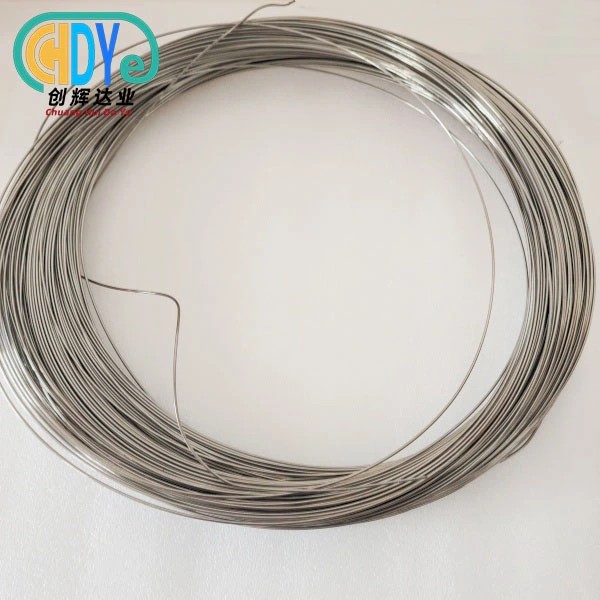
Understanding Niobium Wire and Its Key Properties
Niobium (Nb) is a refractory metal with a melting point of 2,477°C and density of 8.57 g/cm3. These inherent properties give it a ranking that few engineering metals can attain. Electron beam melting, cold swaging, and precision drawing processing of Niobium wire maintain corrosion resistance, ductility, and electrical conductivity across a wide spectrum of working situations.
Why Purity and Mechanical Specs Matter
High-purity niobium wire, generally Nb>99.9%, meets ASTM B392 criteria and exhibits consistent superconducting behavior at cryogenic temperatures, an important feature for building MRI coils and superconducting RF cavities. From the structural point of view, the range of tensile strength of 200–350 MPa provides reliable limits of deformation for engineers. They provide a lot of design freedom for electronics, medical gadgets, and jewelry with diameters from 0.05 mm to 5 mm and lengths up to 1,000 mm.
Production Process and Quality Consistency
Precision production begins with the raw materials. Electron beam furnace refining eliminates oxygen and nitrogen interstitials that might otherwise embrittle the material during downstream processing. Surface finish and dimensional tolerances are regulated for each draw pass. The process discipline that suppliers engage in at this level results in wire with consistently measurable mechanical behavior that can be verified by batch traceability documents and that procurement teams should always ask for before making bulk purchases.
Defining Your Procurement Needs: Segmenting Buyer Requirements
Before you assess any vendor, you need a precisely defined internal specification. Procurement teams frequently have little idea of the amount of diversity that occurs in niobium wire products, and that uncertainty poses a risk to both sides of a supplier relationship.
Wire Gauge, Purity Grade, and Product Form
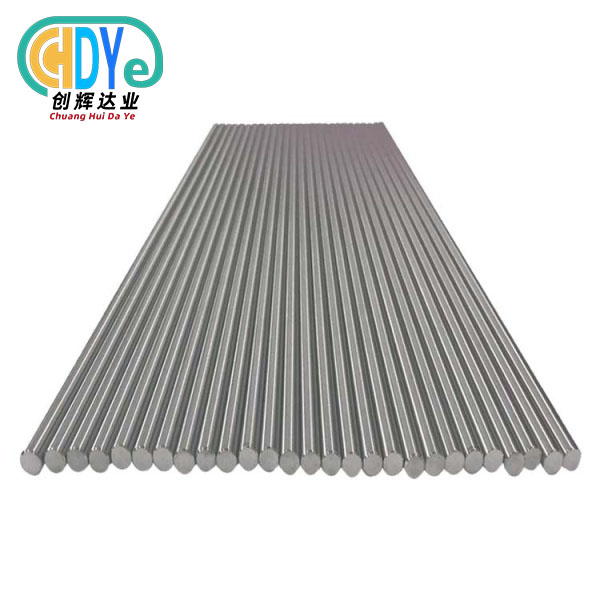
The settings will vary depending on the application. Electronics engineers designing superconducting components usually need fine diameters in the 0.05–0.5 mm range with high RRR (Residual Resistance Ratio) values, while jewelry fabricators want surface polish and formability at mid-range diameters. Where rigidity is needed, chemical processing engineers may choose rods over wire. Knowing if you need commercial grade or reactor grade material and whether wire or rod shape is a better fit for your tools quickly narrows the supplier pool and saves expensive mismatches.
Volume, Lead Time, and Logistics Planning
Bulk procurement and bespoke small batch purchases have very distinct supply chain characteristics. Large OEMs operate under blanket purchase agreements with planned releases, whereas research institutes and prototype teams demand variable minimum order quantities and rapid-turnaround production cycles. When first discussing with the supplier (not after a purchase order is made), set realistic lead time expectations that include raw material availability, processing time, and overseas freight.
Key Criteria to Evaluate When Choosing a Niobium Wire Supplier
This is the heart of the evaluation of the purchase process. A vendor may provide a good price/kg, but you should include the overall cost of acquisition and the continuity of supply risk in your study.
Here are the top vendor assessment factors that procurement teams often use:
- Quality certifications and compliance documentation: Suppliers are required to have minimum ISO 9001:2015 certification. RoHS and REACH compliance paperwork matters to electronics and medical device clients in regulated markets. Full mill test records, chemical composition certifications, and dimensional inspection reports should accompany every shipment as a regular procedure.
- Raw material traceability and supply chain transparency: One known danger of worldwide procurement is counterfeit or off-spec refractory metal wire. Good vendors will tell you where their raw materials come from, how they are melted, and will keep records of the processing. For aerospace and military clients, traceability from the ingot to the final wire is non-negotiable.
- Pricing structure and overall cost analysis. Factory-direct pricing removes the middleman markups. But don’t just look at the unit price; look at the whole landing cost, packing, export documents, freight, and after-sales technical assistance. “Suppliers that can give transparent, itemized quotations are showing operational maturity.
- Reliability of delivery and contingency planning: Ask suppliers directly how they deal with shortages of raw materials or interruptions in production. The utilization of suppliers with their own melting and drawing equipment, rather than subcontracted processing, provides far better schedule control and a speedier reaction in case of urgent purchase.
Taken together, these factors differentiate transactional suppliers from strategic supply partners. The use of all four filters in vendor certification will considerably lower the likelihood of a mid-production material breakdown.
Comparing Niobium Wire with Alternative Materials and Forms
In certain cases, the procurement choice starts with the question of whether niobium wire is the correct material at all, or if titanium wire, tantalum wire, or stainless steel wire would do just as well at lower cost.
Niobium vs. Titanium and Tantalum
Titanium wire has a great strength-to-weight ratio and biocompatibility, yet it is not superconducting like niobium and does not survive certain acidic situations as well. Tantalum wire has excellent corrosion resistance and is superior to niobium wire in the presence of hydrofluoric acid, but its density (16.69 g/cm3) and cost make it an undesirable choice for most applications where niobium works well. Niobium is at the sweet spot of performance value for applications in electronics, chemical processing, and medical implant wire where corrosion resistance, ductility, and controllable density are all needed at the same time.
Wire vs. Rod and Gauge Selection
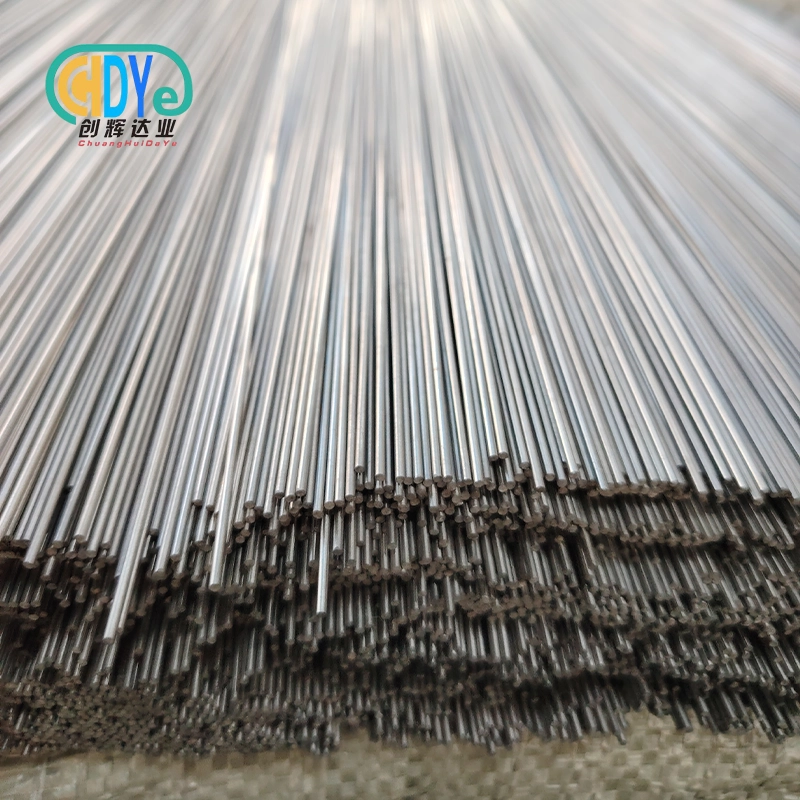
Wire is flexible, may be coiled and wound, woven, or used for connection construction. Rod shape is ideal for machined components, electrode applications, and structural inserts. In most electrical and jewelry applications, wire sizes of 0.1 to 2.0 mm are used to provide a trade-off between workability and mechanical strength. Suppliers that can execute both bespoke machining and standard wire products provide you with more design possibilities and don’t have you go to a second vendor for downstream fabrication.
How to Finalize Your Supplier Selection and Negotiate Terms
Once you’ve reduced your list to two or three suitable providers, the last step in the selection process changes from assessment to interaction. It is customary professional practice in the procurement of refractory metals to ask for physical samples before placing a manufacturing order.
Sample Review and Technical Documentation
A reputable provider will give samples of wire and complete chemical analysis (ICP-MS or glow discharge mass spectrometry), dimensional inspection reports, and tensile test data in accordance with ASTM B392. Search the documentation critically. Differences between the declared requirements and the certificate values indicate quality control deficiencies that will increase at the production scale.
Negotiating MOQ, Payment Terms, and Long-Term Partnerships
Most manufacturers are happy to negotiate minimum purchase amounts if you position the conversation as a long-term buying relationship rather than a one-off deal. Leverage is included in net payment periods, volume discount thresholds, and advance payment systems. Reasonable flexibility will be shown by suppliers that appreciate relationship continuity. A long-term relationship with one competent niobium wire producer makes supplier audits easier, minimizes onboarding costs and facilitates collaborative creation of unique specifications as your application needs change.
Conclusion
Selecting the proper source of high-purity niobium wire calls for careful consideration of quality credentials, supply chain transparency, technical capabilities, and price integrity. The material itself deserves the rigor of procurement due to its unique mix of corrosion resistance, ductility, and superconducting potential. The criteria in this manual will assist your business in developing a robust, high-performance supplier relationship rather than addressing periodic material qualifying difficulties. Whether you are looking for electronics, for research, or for industrial production, supplier selection is fundamentally a risk management choice as much as a cost decision.
FAQ
Q: What purity level should I specify for niobium wire in electronics applications?
A: For most electronics and superconducting applications, specifying Nb >99.9% purity (R04200 or equivalent) is the baseline. If your application involves cryogenic superconducting systems, request a Residual Resistance Ratio (RRR) value of 300 or higher, which confirms minimal interstitial impurities.
Q: What diameter range is standard for industrial niobium wire?
A: Standard diameters range from 0.05 mm to 5 mm, accommodating everything from fine winding wire in electronic components to heavier-gauge wire used in chemical processing or jewelry fabrication.
Q: How should niobium wire be stored to prevent quality degradation?
A: Store it on sealed spools in a dry, low-humidity environment with desiccant. Handle with clean gloves at all times—organic residues from fingerprints can carbonize during heat treatment and permanently degrade material properties.
Q: Is niobium wire biocompatible for medical device applications?
A: Yes. Niobium demonstrates excellent bio-inertness and is used in pacemaker leads and neurostimulation components. Its corrosion resistance prevents ion release into biological fluids, making it a preferred material in implantable wire applications.
Q: What certifications should a credible niobium wire supplier hold?
A: ISO 9001:2015 certification is the minimum benchmark. Suppliers serving regulated industries should also provide RoHS and REACH compliance documentation alongside material traceability records from ingot to finished wire.
Partner with Chuanghui Daye — Your Trusted Niobium Wire Manufacturer
Shaanxi Chuanghui Daye, headquartered in Baoji—China's recognized rare metal hub—brings over 30 years of manufacturing expertise to every order. Our niobium wire (Nb >99.9%, 0.05–5 mm diameter, tensile strength 200–350 MPa) is produced under ISO 9001:2015-certified processes with full traceability documentation. We support flexible small-batch and large-volume orders with competitive factory-direct pricing. Reach our technical team at info@chdymetal.com to request samples or a custom quotation today.
References
1. ASM International. ASM Handbook, Volume 2: Properties and Selection—Nonferrous Alloys and Special-Purpose Materials. ASM International, 1990.
2. ASTM International. ASTM B392: Standard Specification for Niobium and Niobium Alloy Bar, Rod, and Wire. ASTM International, 2020.
3. Nb International Association. Niobium: The Metal and Its Applications. CBMM/Nb International Association, 2015.
4. Proceedings of the International Cryogenic Materials Conference. Superconducting Materials and Niobium Wire Performance in MRI Applications. ICMC, 2018.
5. European Journal of Purchasing & Supply Management. Supplier Evaluation Frameworks for Specialty Metal Procurement in Industrial B2B Markets. Elsevier, 2019.
6. Journal of Materials Science & Technology. Processing and Characterization of High-Purity Refractory Metal Wires for Advanced Engineering Applications. Elsevier, 2021.
Learn about our latest products and discounts through SMS or email