- English
- French
- German
- Portuguese
- Spanish
- Russian
- Japanese
- Korean
- Arabic
- Greek
- German
- Turkish
- Italian
- Danish
- Romanian
- Indonesian
- Czech
- Afrikaans
- Swedish
- Polish
- Basque
- Catalan
- Esperanto
- Hindi
- Lao
- Albanian
- Amharic
- Armenian
- Azerbaijani
- Belarusian
- Bengali
- Bosnian
- Bulgarian
- Cebuano
- Chichewa
- Corsican
- Croatian
- Dutch
- Estonian
- Filipino
- Finnish
- Frisian
- Galician
- Georgian
- Gujarati
- Haitian
- Hausa
- Hawaiian
- Hebrew
- Hmong
- Hungarian
- Icelandic
- Igbo
- Javanese
- Kannada
- Kazakh
- Khmer
- Kurdish
- Kyrgyz
- Latin
- Latvian
- Lithuanian
- Luxembou..
- Macedonian
- Malagasy
- Malay
- Malayalam
- Maltese
- Maori
- Marathi
- Mongolian
- Burmese
- Nepali
- Norwegian
- Pashto
- Persian
- Punjabi
- Serbian
- Sesotho
- Sinhala
- Slovak
- Slovenian
- Somali
- Samoan
- Scots Gaelic
- Shona
- Sindhi
- Sundanese
- Swahili
- Tajik
- Tamil
- Telugu
- Thai
- Ukrainian
- Urdu
- Uzbek
- Vietnamese
- Welsh
- Xhosa
- Yiddish
- Yoruba
- Zulu
How to Select the Right Titanium Alloy Sheet Grade?
When choosing the right titanium alloy sheet grade, you need to carefully think about your application needs, the surroundings, and the performance you want. The important thing is to know how the different alloying elements change the mechanical qualities, resistance to rust, and ability to be fabricated. While Grades 1 and 2 are great for chemical processing because they don't rust, Grade 5 (Ti-6Al-4V) is better for aircraft uses because it is stronger for its weight. Biocompatibility is a big reason why medical device makers choose Grade 23. Commercially pure grades are better for marine uses. When making your choice, think about things like the working temperature, chemical exposure, needed strength levels, and formability to get the best performance and value for your money.
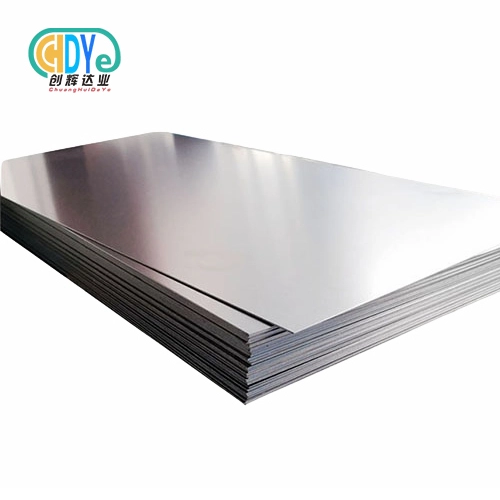
Understanding Titanium Alloy Sheets and Their Importance
Titanium alloy sheet goods are made of advanced metals that are mostly titanium mixed with carefully chosen alloying elements that make the products work better in some ways. A lot of hard steps are needed to make these specialized materials meet the high standards that are needed. Some of these steps are vacuum freezing, casting, cold rolling, and finishing the surface very precisely.
Manufacturing Excellence and Advanced Processing
In order to make titanium sheets of good quality, you need to use complicated techniques that ensure the best mechanical properties and surface accuracy. EBFs, CNC rolling machines, and annealing ovens are some of the high-tech tools that are used to make surfaces that are flat, smooth, and have a fine grain. To make sure that each sheet meets the high standards of the industry, it is carefully checked for its mechanical properties, measurement accuracy, and surface quality.
Superior Performance Characteristics
Because of the way they are made, titanium alloy sheet products are very strong and not like other metals. Because they are only 4.5g/cm³ dense, these sheets are 43% lighter than steel but still very strong. Engineers can make parts that can hold big loads without losing weight because of this one-of-a-kind mix. This makes them very useful for use in cars and planes.
Titanium alloys are more resistant to rust than most metals. They work very well in seawater, salt settings, and different chemical working conditions. This protection comes from the formation of a solid layer of titanium oxide that keeps the material below it from breaking down.
Wide-Ranging Industrial Applications
These things are very useful in lots of areas, like health, building, making chemicals, cars, and boats. For each use, the right grade must be picked based on the needs of the job and the conditions. When people who work in buying know about these simple things, they can make decisions that improve performance and cut costs.
Core Metrics for Selecting the Right Titanium Alloy Sheet Grade
To pick the best grade, you need to be organized and compare what you want to buy with specific use cases. This process takes into account the needs of the business, the conditions of the area, and the amount of work that tools need to do to find the best material specifics.
Understanding Common Alloy Grades and Compositions
There are various kinds of titanium metal, and each one is made to work in a certain way. Grades 1 and 2 are commercially pure. They don't rust and are easy to shape, which makes them great for chemical process tools. Aluminum and vanadium are added to Grade 5 (Ti-6Al-4V), which makes it much harder and better at working at high temperatures. This makes it the best choice for use in airplanes.
Grade 23 is an extra-low interstitial form of Ti-6Al-4V that was made for medical implants where biocompatibility and wear tolerance are very important. The level of oxygen, nitrogen, and carbon in this grade has been carefully controlled to make sure that it works well with living surroundings and doesn't harm tissues.
Critical Mechanical and Physical Metrics
You can tell a lot about a material's strength by its tensile strength, its yield strength, and its elongation. One important way to get the most out of these traits is to treat them with heat. It is easier to shape things that have been annealed, but things that have been treated with solutions and aged make them stronger.
About 114 GPa is the same for all types of titanium metal when it comes to their modulus of elasticity. You can be sure of the stiffness calculations you make for structures after this. Different levels of strength make it easier to build things that are all the same when builders choose materials based on the loads they need to hold.
Corrosion Resistance Evaluation
If you want to fully understand corrosion defense, you need to know how both general and specific rust work. Some surface processes, like passivation, pickling, and mechanical finishing, change the way rust works in some places in big ways. This review helps clients around the world match the powers of materials with their exact working needs while making sure that the materials will last for a long time.
Comparing Titanium Alloy Sheet Grades: Which Is Best for Your Needs?
To make a good grade comparison, you need to look at both performance factors and how much different materials cost. This thorough review helps people who work in buying make smart choices that balance technology needs with limited budgets.
Aerospace and Defense Applications
Titanium alloy sheet materials are very popular in the aerospace industry because they are strong for their weight and can keep working reliably in difficult conditions. Grade 5 (Ti-6Al-4V) is the most popular in this market. It has a higher tensile strength (895–930 MPa) and is less likely to break down. There are very strict safety rules in the airplane business that only allow materials that have been proven to work in the past and have all the necessary certifications.
Some grades' ability to work at high temperatures is very important for engine parts and exhaust systems. At temperatures up to 400°C, Grade 5 keeps its mechanical qualities. For tougher jobs, specialized high-temperature metals increase this range.
Medical Device Manufacturing
When used in medicine, materials need to be biocompatible and very resistant to corrosion in bodily settings. Grade 23 (Ti-6Al-4V ELI) is the best material for implanted medical devices because it has less interstitial substance, which makes it more biocompatible and lasts longer. The yield strength of this grade, which is between 795 and 875 MPa, gives structures enough strength while still being very flexible for complicated shaping tasks.
Because they don't conduct magnetic fields and can be easily mixed with human flesh, titanium alloys are essential for MRI-compatible medical devices and long-term implants.
Cost-Effectiveness Analysis
Material costs include more than just the original buy price. They also include the costs of making the material, its lifetime costs, and how often it needs to be replaced. Titanium metal sheet goods are more expensive than steel or aluminum options, but their longer life and resistance to rust often mean that the total cost of ownership is cheaper. Because they are light, they save money on shipping costs and make designs more efficient, which helps cover the cost of the materials at first.
How to Procure Titanium Alloy Sheets Efficiently
For an easy buying process, you should only work with qualified providers who can promise stable quality, on-time delivery, and full expert support. The supply chain is less risky with this strategy, and the specs of the materials are made to fit the needs of the application.
Supplier Qualification and Assessment
Leading makers keep certificates like meeting the requirements of the ISO 9001:2015 Quality Management System, the ASTM material specs, and aircraft standards like AS9100. These permits make sure that the quality is checked the same way at every step of the production process, from checking the raw materials to sending and packing them.
When evaluating a supplier, you should look at their professional know-how, production tools, and ability to do tests. A supplier's dedication to quality and creativity can be seen in their use of advanced production tools like electron beam furnaces, precise rolling mills, and full testing labs.
Quality Verification and Documentation
Each shipment of titanium alloy sheet must come with a full material approval package that includes records on chemical analysis, mechanical property tests, and measurement inspections. These papers let you keep track of everything and get review proof. Customers can make sure they like the features of a material before buying a lot of it by trying samples.
We can't stress enough how important it is to check the surface quality, thickness tolerances, and level specs, especially for uses that need precise cutting or machining.
Practical Purchasing Considerations
How you buy things and keep track of your goods is affected by minimum order amounts, wait times, and customization services. A lot of companies give extra services like exact cutting, surface cleaning, and changes to packing that make the job easier and cheaper overall.
Deliveries are always on time thanks to global transportation skills and well-established distribution networks. Competitive prices help keep costs low for projects of all sizes.
Expert Tips on Making the Final Decision and Optimizing Your Purchase
When making a strategic choice, you have to weigh a lot of different factors to get the best results that go beyond just cost. This all-around method guarantees long-term success and value growth.
Prioritizing Decision Factors
In transportation uses where saving fuel and maximizing payload save a lot of money, the ability to reduce weight often justifies higher material costs. Titanium metal sheet is 43% lighter than steel, which directly leads to better performance measures and lower energy use over the lifetime of the component.
Corrosion resistance testing needs to look at both the current working conditions and the ones that are expected to happen in the future. If the environment changes, the process changes, or the need for a longer service life, the best material may change to a higher-performance grade with more safety gaps.
Long-Term Value Optimization
When figuring out the total cost of ownership, you should include the costs of repairs, replacements, and business interruptions. Because titanium metals are so strong and don't rust, they often don't need regular upkeep and can go a long time between service gaps compared to other materials.
Because titanium metals are easier to shape and machine, they can be used to make complicated forms and combined designs that lower the cost of assembly and improve the performance of the whole system. These benefits help keep costs low throughout the span of a product.
Avoiding Common Procurement Pitfalls
When choosing a material, it's important to think carefully about the heat treatment needs and how they affect the mechanical qualities. Not paying enough attention to handling needs can lead to poor performance or higher costs for making the product. The scientific knowledge of the supplier is very helpful for improving heat treatment processes and getting the right mix of properties.
Building ties with experienced sellers who offer ongoing technical help is the best way to get the latest developments and advice that is tailored to your specific needs. This partnership-based method lets things keep getting better and change to meet new needs.
Conclusion
To choose the right titanium alloy sheet grade, you need to carefully think about the needs of the product, the surroundings, and the performance you want. This guide shows a methodical way for buying professionals to balance technical requirements with cost concerns while making sure materials work at their best. Understanding the unique qualities of each grade, building relationships with reliable providers, and putting long-term value ahead of initial cost are all important for success. By following these suggestions from experts, businesses can get better results while lowering their risks and getting the most out of their investments in titanium metal to stay ahead of the competition.
FAQ
Q: What are the main differences between commercially pure and alloyed titanium sheets?
A: Commercially pure titanium grades (1-4) offer excellent corrosion resistance and formability but limited strength compared to alloyed grades. Titanium alloys incorporate elements like aluminum and vanadium to significantly enhance strength and elevated temperature performance while maintaining good corrosion resistance.
Q: How does heat treatment affect mechanical properties?
A: Heat treatment dramatically influences mechanical properties by controlling microstructure and phase distribution. Annealing improves ductility and reduces residual stresses, while solution treatment and aging cycles maximize strength characteristics. Proper heat treatment selection optimizes the balance between strength and formability.
Q: Which grade is recommended for marine environments?
A: Grade 1 or Grade 2 commercially pure titanium excel in marine applications due to their superior corrosion resistance in seawater and chloride environments. These types make stable oxide layers that provide long-term protection against saltwater rust for a long time.
Q: What thickness tolerances can be achieved?
A: Standard deviations for thickness run from ±0.05mm to ±0.15mm, based on the grade and thickness of the sheet. Precision rolling capabilities can achieve tighter tolerances when required for specific applications, with some manufacturers offering tolerances as tight as ±0.025mm.
Q: How important are material certifications?
A: Material certifications provide essential documentation of chemical composition, mechanical properties, and quality control compliance. These certificates ensure traceability and enable verification that materials meet specified standards, which is crucial for aerospace, medical, and other critical applications.
Partner with Chuanghui Daye for Premium Titanium Alloy Solutions
Shaanxi Chuanghui Daye is an expert at offering high-quality titanium alloy sheet materials that are custom-made to fit your unique needs and performance standards. Our plant is in Baoji, China, which is known as the "Titanium Capital." It has quality control systems that are ISO 9001:2015 approved and has over 30 years of experience with rare metals. We have a wide range of grades, such as commercially pure titanium and Ti-6Al-4V alloys. Our advanced production skills and strict quality control procedures help us offer these grades. Our expert team gives you technical advice throughout the decision process to make sure you make the best material choices for your needs. Contact our experts at info@chdymetal.com to talk about your needs and find out why top makers around the world choose Chuanghui Daye as their main source of titanium alloy sheets.
References
1. Boyer, R., Welsch, G., & Collings, E.W. "Materials Properties Handbook: Titanium Alloys." ASM International Materials Park, OH, 1994.
2. Leyens, C. & Peters, M. "Titanium and Titanium Alloys: Fundamentals and Applications." Wiley-VCH Publishers, Weinheim, 2003.
3. Donachie, Matthew J. "Titanium: A Technical Guide, 2nd Edition." ASM International, Materials Park, OH, 2000.
4. Peters, M., Kumpfert, J., Ward, C.H., & Leyens, C. "Titanium Alloys for Aerospace Applications." Advanced Engineering Materials, Vol. 5, No. 6, 2003.
5. Froes, F.H. "Titanium: Physical Metallurgy, Processing, and Applications." ASM International Handbook Committee, Materials Park, OH, 2015.
6. ASTM International. "Standard Specification for Titanium and Titanium Alloy Strip, Sheet, and Plate." ASTM B265-20, West Conshohocken, PA, 2020.

Learn about our latest products and discounts through SMS or email