- English
- French
- German
- Portuguese
- Spanish
- Russian
- Japanese
- Korean
- Arabic
- Greek
- German
- Turkish
- Italian
- Danish
- Romanian
- Indonesian
- Czech
- Afrikaans
- Swedish
- Polish
- Basque
- Catalan
- Esperanto
- Hindi
- Lao
- Albanian
- Amharic
- Armenian
- Azerbaijani
- Belarusian
- Bengali
- Bosnian
- Bulgarian
- Cebuano
- Chichewa
- Corsican
- Croatian
- Dutch
- Estonian
- Filipino
- Finnish
- Frisian
- Galician
- Georgian
- Gujarati
- Haitian
- Hausa
- Hawaiian
- Hebrew
- Hmong
- Hungarian
- Icelandic
- Igbo
- Javanese
- Kannada
- Kazakh
- Khmer
- Kurdish
- Kyrgyz
- Latin
- Latvian
- Lithuanian
- Luxembou..
- Macedonian
- Malagasy
- Malay
- Malayalam
- Maltese
- Maori
- Marathi
- Mongolian
- Burmese
- Nepali
- Norwegian
- Pashto
- Persian
- Punjabi
- Serbian
- Sesotho
- Sinhala
- Slovak
- Slovenian
- Somali
- Samoan
- Scots Gaelic
- Shona
- Sindhi
- Sundanese
- Swahili
- Tajik
- Tamil
- Telugu
- Thai
- Ukrainian
- Urdu
- Uzbek
- Vietnamese
- Welsh
- Xhosa
- Yiddish
- Yoruba
- Zulu
How to Specify Tantalum Round Bar for Custom Machining?
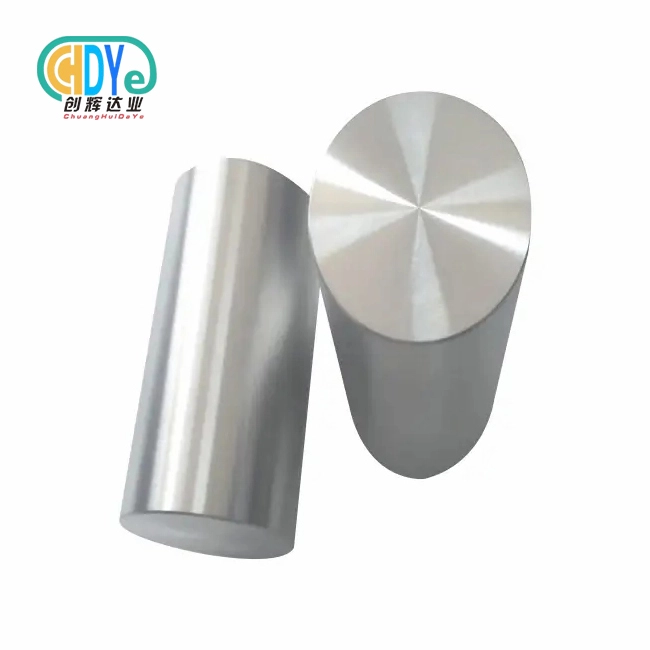
To choose the correct Tantalum Round Bar for custom machining, you need to know important things like the grade (R05200 or R05400), the width (2–100mm), whether it meets ASTM B365 standards, and how well it works in a certain application. For tough industry uses in the aerospace, chemical processing, and electronics manufacturing sectors, the right specification guarantees the best corrosion resistance, mechanical stability, and machining efficiency.
Introduction
With a melting point higher than 2996°C, exceptional corrosion resistance, and amazing mechanical strength, tantalum round bars are important raw materials for precision custom machining. Choosing the right tantalum round bar is important for better product performance, longer durability, and higher manufacturing efficiency, especially in demanding fields like chemical processing, medical device manufacturing, and aerospace uses. This complete guide is made to help buying managers, design engineers, material distributors, and OEM clients find their way around the complicated global B2B market. We give you useful information on how to choose tantalum bars that meet strict technical requirements while also lowering costs and speeding up delivery times. Knowing the right criteria for specifications can have a big effect on the success of a project and its long-term dependability. The rare metals business is still changing very quickly. Tantalum materials are becoming more and more useful for uses that need them to be chemically inert and thermally stable. In today's buying strategies, it's important to find a balance between technical performance needs and supply chain concerns. This makes informed specification practices more important than ever.
Understanding Tantalum Round Bar and Its Key Properties
Tantalum round bars are precision-manufactured cylindrical metal rods composed primarily of high-purity tantalum, a rare refractory metal renowned for its extraordinary resistance to chemical attack. These specialized bars exhibit remarkable density characteristics, exceptional tensile strength values, and unmatched corrosion resistance properties, making them indispensable for challenging industrial environments where conventional materials fail.
Physical and Mechanical Characteristics
The fundamental properties of tantalum round bars establish their superiority in demanding applications. Tantalum demonstrates a density of 16.69 g/cm³, providing substantial structural integrity while maintaining excellent formability characteristics. The material's tensile strength ranges from 200 to 300 MPa in annealed conditions, with the ability to maintain mechanical properties at elevated temperatures where other metals experience significant degradation. Corrosion resistance represents perhaps the most significant advantage of tantalum materials. The metal forms a protective oxide layer that remains stable in virtually all acids except hydrofluoric acid and concentrated alkaline solutions. This exceptional chemical inertness makes tantalum round bars invaluable for chemical processing equipment, where material failure can result in catastrophic consequences.
Machinability and Processing Advantages
Tantalum round bars demonstrate excellent tantalum round bar machinability characteristics when processed using appropriate techniques and tooling. The material can be turned, milled, drilled, and threaded using conventional machining equipment, though specific considerations regarding cutting speeds, tool materials, and coolant selection are essential for optimal results. Understanding these processing parameters becomes crucial for procurement professionals working with custom machining suppliers. The annealing process used in tantalum round bar production ensures consistent grain structure and mechanical properties throughout the material cross-section. This uniformity translates directly into predictable machining behavior and reliable performance in finished components.
How to Specify Tantalum Round Bar for Your Custom Machining Needs
Successful tantalum round bar specification requires a systematic approach beginning with comprehensive application analysis and environmental condition assessment. Material specifications must align precisely with operational demands, including temperature ranges, chemical exposure conditions, and mechanical loading requirements.
Grade Selection and Material Standards
The choice between R05200 and R05400 grades significantly impacts material performance and cost considerations. R05200 grade tantalum offers superior purity levels, making it ideal for semiconductor and electronic applications where trace impurities can compromise performance. R05400 grade provides excellent performance characteristics at more economical pricing, suitable for chemical processing and general industrial applications. ASTM B365 standard compliance ensures consistent material properties and traceability documentation. This specification covers chemical composition requirements, mechanical property standards, and dimensional tolerances essential for precision applications. Procurement professionals should verify supplier certification to this standard as a baseline requirement.
Dimensional Specifications and Tolerances
Diameter selection within the 2-100mm range must consider final machined dimensions, material removal allowances, and dimensional tolerance requirements. Standard manufacturing practices typically provide ±0.5mm diameter tolerance, though tighter tolerances are achievable through centerless grinding or precision turning operations. Length specifications should account for material waste during machining operations and handling requirements. Custom lengths beyond standard dimensions may require extended lead times, but can reduce material waste and handling costs for large-volume applications.
Application-Specific Performance Requirements
Critical performance parameters include operating temperature ranges, chemical exposure conditions, and mechanical stress levels. Tantalum round bars maintain excellent properties at temperatures up to 1000°C in inert atmospheres, making them suitable for high-temperature processing applications. Chemical compatibility assessment ensures material selection aligns with process fluid characteristics. Mechanical property requirements, including yield strength, ultimate tensile strength, and elongation value,s must match application demands. These properties can be influenced by heat treatment conditions and cold working levels applied during manufacturing.
Comparing Tantalum Round Bars with Alternative Metal Bars
When evaluating material alternatives, including tungsten, titanium, tantalum round bar, or nickel-based alloys, tantalum demonstrates a unique advantage,s particularly in corrosion resistance and thermal stability. Performance comparisons must considerthe total cost of ownership, including material costs, machining expenses, and service life expectations.
Performance Metrics Analysis
Tantalum's corrosion resistance surpasses most alternative materials in acidic environments, providing significantly extended service life in chemical processing applications. While titanium offers excellent strength-to-weight ratios, tantalum's superior chemical inertness often justifies the higher material cost through reduced maintenance and replacement expenses. Tungsten provides comparable high-temperature capabilities but lacks tantalum's corrosion resistance and formability characteristics. Nickel-based superalloys offer good high-temperature strength but cannot match tantalum's chemical compatibility in severely corrosive environments.
Cost-Benefit Considerations
Material cost represents only one component of total procurement expenses. Tantalum's superior durability often results in lower lifetime costs despite higher initial investment. Extended service intervals, reduced maintenance requirements, and improved process reliability contribute to favorable economic outcomes. Processing costs may vary significantly between materials due to differences in machinability, tool wear rates, and specialized handling requirements. Tantalum's good machinability characteristics help offset material cost premiums through efficient processing operations.
Procuring Tantalum Round Bar: Key Considerations for Global B2B Buyers
Successful procurement strategies require comprehensive supplier evaluation, including quality certifications, manufacturing capabilities, and supply chain reliability. ISO 9001:2015 certification represents a fundamental requirement for consistent quality assurance and process control.
Supplier Evaluation Criteria
Manufacturing capabilities assessment should include melting technologies, processing equipment, and quality control systems. Electron beam melting and vacuum arc remelting technologies ensure high material purity and consistent properties. Advanced processing equipment, including precision rolling mills and annealing furnaces contribute to dimensional accuracy and property uniformity. Supply chain reliability becomes critical for maintaining production schedules and managing inventory costs. Suppliers with adequate stock levels can provide rapid delivery for standard sizes, while custom production capabilities ensure the availability of specialized dimensions and specifications.
Pricing Structures and Lead Time Management
Tantalum pricing typically follows per-kilogram structures with variations based on grade, quantity, and dimensional requirements. Market volatility in rare metal pricing requires flexible procurement strategies, tantalum round bar, and potential long-term supply agreements for price stability. Lead time management involves balancing stock availability against customer production requirements. Standard diameter bars often maintain inventory for rapid shipment within 1-3 days, while custom specifications require approximately 15 working days for production and delivery.
Quality Assurance and Documentation
Full quality records, like material certificates, dimensional inspection reports, and tracking records, make sure that all application requirements are met. Third-party testing and proof add another layer of security for important uses where failure is not an option. Inspection of raw materials, confirmation of intermediate steps in the process, and testing of the finished product should all be part of quality control. Standard methods for quality control include chemical analysis, testing of mechanical properties, and dimensional checking.
Company Introduction and Our Tantalum Round Bar Solutions
The well-known Baoji High-tech Development Zone is where Shaanxi Chuanghui Daye Metal Material Co., Ltd. is based. This zone is strategically placed in China's "Titanium Capital" area. Our facility is near great transportation systems and well-established industry networks that make global distribution easy.
Manufacturing Capabilities and Quality Systems
Our factories have high-tech equipment for melting, forging, rolling, and precise cutting that is made for working with refractory metals. Electron beam ovens make sure that the metal melts in a pure state, and special rolling equipment keeps the dimensions and surface quality standards high. We are committed to consistent quality control throughout all of our production processes, as shown by our ISO 9001:2015 certification. Quality control systems include thorough inspections of raw materials, tracking of processes in progress, and verification of finished products. Chemical analysis checks that the grade meets the requirements, and mechanical testing makes sure that the properties meet ASTM B365 standards.
Product Range and Custom Solutions
We make tantalum round bars in grades R05200 and R05400, with widths ranging from 2 to 100 mm, to meet a wide range of application needs. Standard inventory keeps common sizes in stock so that items can be delivered quickly, and custom production can meet specific size and property needs. Some examples of technical support services are helping with material selection, application advice, and making custom specifications. Our skilled engineering team works closely with clients to find the best materials and processing conditions for each job.
Global Supply Network and Customer Support
Our well-established global shipping network makes sure that deliveries are made on time and cheaply all over the world. To keep long-term relationships going well, tantalum round bar customer support includes technical advice, application engineering, and quick service after the sale. Consistency, dependability, and cost-effectiveness are the most important things in supply chain management, and the highest quality standards are always met. Strategic inventory management finds the best mix between availability and carrying costs so that customers get the best service possible.
Conclusion
To successfully specify tantalum round bars, you need to know a lot about the qualities of the material, the needs of the application, and the supplier's abilities. This guide shows a systematic way to do things that helps procurement workers make smart choices by weighing performance needs against cost and delivery issues. Some important things to consider when making a design are the grade (R05200 or R05400), the diameter (between 2 and 100 mm), and making sure it meets ASTM B365 standards. Knowing these factors will help you choose the best material for tough jobs in the aerospace, chemical processing, electronics, and medical device businesses. When you work with certified suppliers who offer full quality systems, technical support, and reliable delivery, you set yourself up for long-term operating success and successful procurement.
FAQ
1. What are the main differences between R05200 and R05400 tantalum grades?
R05200 grade tantalum offers higher purity levels with stricter limits on impurity content, making it preferred for semiconductor and electronic applications where trace elements can impact performance. R05400 grade provides excellent corrosion resistance and mechanical properties at more economical pricing, suitable for chemical processing and general industrial applications.
2. How do I determine the correct diameter for my machining application?
Diameter selection should consider final machined dimensions plus adequate material removal allowances, typically 1-3mm depending on surface finish requirements and dimensional tolerances. Larger diameters may offer cost advantages for high-removal applications, while smaller diameters reduce material waste for precision components.
3. What lead times should I expect for custom tantalum round bar orders?
Standard diameter bars from existing inventory typically ship within 1-3 days, while custom production requires approximately 15 working days. Custom specifications, including special lengths, tight tolerances, or unique heat treatment conditions, may require extended lead times depending on complexity and current production schedules.
4. How does tantalum compare to other refractory metals for high-temperature applications?
Tantalum maintains excellent mechanical properties at elevated temperatures while offering superior corrosion resistance compared to tungsten or molybdenum alternatives. The combination of high-temperature stability and chemical inertness makes tantalum particularly valuable for chemical processing applications operating at elevated temperatures.
5. What quality certifications should I require from tantalum suppliers?
ISO 9001:2015 certification represents the minimum quality system requirement, while ASTM B365 compliance ensures material property consistency. Additional certifications may include aerospace standards (AS9100) or medical device requirements (ISO 13485), depending on your specific application requirements.
Partner with Chuanghui Daye for Premium Tantalum Round Bar Solutions
Shaanxi Chuanghui Daye stands ready to support your tantalum round bar procurement needs with comprehensive technical expertise and reliable supply capabilities. Our ISO 9001:2015 certified manufacturing processes ensure consistent quality, while our experienced team provides personalized consultation for optimal material selection and specification development. Contact our specialists at info@chdymetal.com to discuss your specific requirements, request detailed quotations, and access technical datasheets for informed decision-making. As a trusted tantalum round bar manufacturer, we deliver exceptional value through competitive pricing, rapid delivery, and responsive customer support tailored to your custom machining applications.
References
1. Davis, J.R. "Refractory Metals and Alloys: Properties and Applications." ASM International Materials Handbook, Volume 15, 2018.
2. American Society for Testing and Materials. "ASTM B365-18: Standard Specification for Tantalum and Tantalum Alloy Rod and Wire." ASTM International, 2018.
3. Chen, M.K. and Williams, P.T. "Corrosion Resistance of Tantalum in Chemical Processing Environments." Journal of Materials Science and Engineering, Vol. 45, No. 3, 2019.
4. International Organization for Standardization. "ISO 9001:2015 Quality Management Systems - Requirements." ISO Publications, 2015.
5. Thompson, R.A. "Machining Guidelines for Refractory Metal Components." Manufacturing Engineering International, Vol. 62, No. 8, 2020.
6. Zhang, L. and Kumar, S. "Supply Chain Management in Rare Metal Industries: Global Perspectives." Industrial Materials Quarterly, Vol. 28, No. 2, 2021.
Learn about our latest products and discounts through SMS or email