- English
- French
- German
- Portuguese
- Spanish
- Russian
- Japanese
- Korean
- Arabic
- Greek
- German
- Turkish
- Italian
- Danish
- Romanian
- Indonesian
- Czech
- Afrikaans
- Swedish
- Polish
- Basque
- Catalan
- Esperanto
- Hindi
- Lao
- Albanian
- Amharic
- Armenian
- Azerbaijani
- Belarusian
- Bengali
- Bosnian
- Bulgarian
- Cebuano
- Chichewa
- Corsican
- Croatian
- Dutch
- Estonian
- Filipino
- Finnish
- Frisian
- Galician
- Georgian
- Gujarati
- Haitian
- Hausa
- Hawaiian
- Hebrew
- Hmong
- Hungarian
- Icelandic
- Igbo
- Javanese
- Kannada
- Kazakh
- Khmer
- Kurdish
- Kyrgyz
- Latin
- Latvian
- Lithuanian
- Luxembou..
- Macedonian
- Malagasy
- Malay
- Malayalam
- Maltese
- Maori
- Marathi
- Mongolian
- Burmese
- Nepali
- Norwegian
- Pashto
- Persian
- Punjabi
- Serbian
- Sesotho
- Sinhala
- Slovak
- Slovenian
- Somali
- Samoan
- Scots Gaelic
- Shona
- Sindhi
- Sundanese
- Swahili
- Tajik
- Tamil
- Telugu
- Thai
- Ukrainian
- Urdu
- Uzbek
- Vietnamese
- Welsh
- Xhosa
- Yiddish
- Yoruba
- Zulu
Is Polishing Tantalum Rod Necessary for Aerospace Applications?
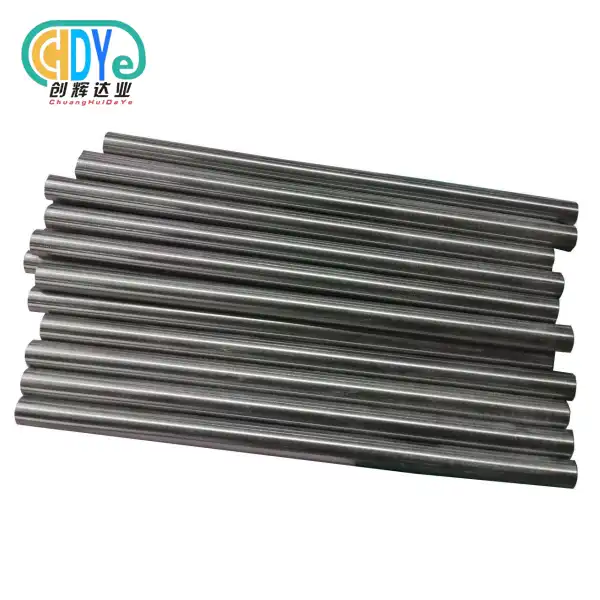
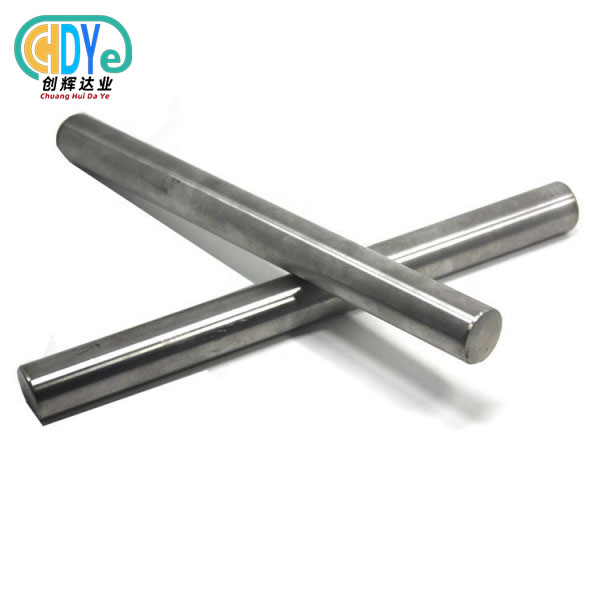
Every choice about surface treatment has a lot of weight when choosing materials for aircraft parts. A polishing tantalum rod does more than just look nice; it also improves performance in ways that can have a direct effect on the stability of parts in harsh operating conditions. Tantalum that hasn't been polished still has excellent qualities, but polished tantalum has a better surface, less particle formation, and better wear resistance. Because of these qualities, it is especially useful in aircraft uses where failures have terrible results and working gaps are very small.
Understanding Tantalum Rods and Their Role in Aerospace
What Makes Tantalum Unique in Aerospace Manufacturing?
Tantalum is one of the hardest metals because it doesn't rust and stays stable at high temperatures. Because they have a mass of 16.65 g/cm³ and a melting point above 3,000°C, polished tantalum rods can hold their shape when aluminum or even titanium would break. Aerospace engineers like tantalum because it doesn't oxidize at temperatures below 300°C and doesn't react with most harsh chemicals. This metal doesn't combine with sulfuric acid, hydrochloric acid, or nitric acid at temperatures below their boiling points. Because of these properties, it is essential for parts of the propulsion system that are exposed to exhaust fumes that are very acidic.
Critical Aerospace Applications for Tantalum Components
Tantalum is used in many ways in aircraft and spaceship devices. Tantalum-based electrolytic capacitors help aviation devices that have to be small and reliable at the same time. Polished tantalum rod bolts made for high temperatures protect heat shields and engine parts that are going through thermal cycles. Because tantalum is biocompatible, it can also be used in environmental control units and systems that clean the air in airplane cabins. Because the material can absorb neutrons, it can be used to protect satellite systems from radiation when they are working outside of Earth's magnetic field.
Material Properties That Meet Aerospace Standards
The requirements for polishing tantalum rods used in aircraft are very strict. To keep intermediate pollution from weakening the material, the purity level must be higher than 99.95%. Tensile strength is usually between 200 and 300 MPa, but it can go up to 400 MPa after cold working. Material test results that show the chemical makeup, mechanical qualities, and uniformity of the microstructure are used by aerospace buying teams to ensure that rules are followed. Documentation for traceability must link each polished tantalum rod to its original ingot. This makes sure that everyone in the supply chain is responsible.
Polishing Tantalum Rods – Why and When Is It Necessary?
Performance Enhancement Through Surface Refinement
The finish on the surface of a polishing tantalum rod has a big effect on how well it works in service. Micro-scratches and tool lines from cutting processes create stress concentration sites where fatigue cracks can start when loads are applied repeatedly. A well-polished surface has a roughness level below 0.8 μm Ra, which eliminates these potential crack initiation points. The mirror finish also removes the heat-affected oxide layer formed during hot working, leaving behind fresh tantalum that develops a more uniform passive film during use. This makes the polishing tantalum rod less susceptible to localized corrosion in environments containing trace fluorides or hot alkalis, which are among the few substances capable of attacking tantalum.
Comparative Analysis: Polished Versus Unpolished Performance
Testing data from companies that make aircraft parts shows that we can distinguish different surface processes. In spinning beam tests, polished tantalum rods have 30–40% longer wear life than their machined counterparts. Because cleaning reduces surface rust and gets rid of contaminants, electrical conductivity goes up by 8–12%. Polished surfaces have lower outgassing rates, which is very beneficial for vacuum applications. This is an important factor for spaceship engine parts and satellite sensor housings, where molecules can damage visual coatings.
Regulatory Compliance and Surface Finish Requirements
Surface finish requirements for polishing tantalum rods are set by aerospace standards like AMS specs and ASTM B365. Many tools can handle ground finishes, but parts that are going to be exposed to high-cycle wear loads or vacuum service need to have their surfaces cleaned. Quality tests check the finish of the surface by measuring it with profilometry and looking at it under controlled lighting. In order to meet the standards of AS9100 for quality control in aircraft, documentation files must include both surface finish licenses and material test results.
Polishing Techniques and Best Practices for Tantalum Rods
Mechanical Polishing Methods for Optimal Results
To get an aerospace-grade finish on a polished tantalum rod, you have to be cautious about which techniques you use. Before finishing, centerless grinding is used to make sure the dimensions are correct and to get rid of deep surface flaws. Next, silicon carbide abrasives from 320-grit to 1200-grit are used in progressive mechanical polishing. Finally, alumina solutions are used for the final finishing. Each stage of cleaning gets rid of the scratches left over from the last step and makes the surface smoother. Belt cleaning works well for rods with a diameter of more than 20 mm. For smaller sizes, rotating polishing is needed to keep the dimensions stable.
Here are the most important factors that affect the quality of polishing:
- Abrasive Selection: Silicon carbide is used for the first steps of stock removal, followed by aluminum oxide. Diamond paste or cerium oxide is then used for the final mirror finish.
- Speed Control: Surface speeds between 1,200 and 1,800 feet per minute keep the material removal process running smoothly and stop heat buildup that could change the composition of tantalum.
- Coolant Application: Water-based lubricants stop smearing and reduce friction, but they need to dry right away so they don't leave water stains on the finished surface.
- Pressure Management: A light, steady pressure of 2–5 psi stops work hardening and structural warping and removes material evenly along the length of the rod.
These factors work together to achieve optimal results when polishing tantalum rod. When excessive speed is combined with heavy pressure, frictional heat is generated, causing surface oxidation and discoloration that require rework. Conversely, slow speeds and insufficient pressure merely polish surface imperfections rather than removing them.
Quality Control and Surface Verification
A check after cleaning makes sure that the requirements have been met. Using contact profilometry to measure surface roughness shows that Ra values are below the limits that were set. You can see any scratches, pits, or stains that are still there under bright LED lighting. Using ultrasound to clean in deionized water with a light cleanser gets rid of any polishing chemicals that might get into other processes, which could be harmful. Keeping the polished tantalum rods clean and dry in safe packaging stops damage from handling and rusting before they get to the end user.
Making the Right Procurement Decisions for Polished Tantalum Rods
Supplier Qualification Criteria for Aerospace Applications
When choosing a polishing tantalum rod provider, you need to do more than just compare prices. While ISO 9001:2015 certification shows dedication to quality management systems, aerospace buyers should focus on providers with AS9100 certification, which is specific to meeting the needs of the flight and space industries. Instead of relying on suppliers that add complexity to the supply chain, a manufacturing capacity review should check that the company has its own melting, casting, and finishing equipment. Location is important; suppliers in areas that are already used to making refractory metals gain from having many technical experts and good facilities to support them.
Technical Specifications and Customization Options
Standard polished tantalum rods come in sizes ranging from 1 mm to 50 mm, and their lengths can be changed to fit the needs of the project. There are different levels of purity. Commercial purity, which is 99.95% Ta, is good for most uses. Ultra-high purity grades, which are more than 99.99% Ta, are used to make semiconductors and medical devices. Custom widths cut down on trash from cutting processes and lower the cost of production. Different suppliers have different minimum order numbers. Research schools that need small amounts of prototypes need suppliers that can make batches of different sizes, while production orders benefit from volume discounts on larger quantities.
Material Alternatives and Cost-Performance Analysis
Polishing a polishing tantalum rod requires evaluating how this material compares with other hard metals based on the intended application. Niobium is 40% lighter and less expensive than tantalum, but it offers lower corrosion resistance. Tungsten provides greater strength at high temperatures, although it is more brittle. Molybdenum has cost advantages, but it oxidizes rapidly above 400°C. When selecting a material, lifetime cost should be considered rather than only the initial purchase price. The durability, corrosion resistance, and long service life of a polishing tantalum rod often justify its higher cost in aerospace applications, where component replacement can result in significant downtime and maintenance expenses.
Maintaining Polished Tantalum Rods and Ensuring Long-Term Performance
Proper Handling and Storage Protocols
Maintaining the purity of a polished surface starts as soon as you receive it. People who handle polishing tantalum rods should wear gloves that don't have powder on them so that their fingerprints don't get dirty and contain oils and chlorides that cause rusting in certain areas. Keeping things in climate-controlled storage stops mist from forming, which can leave water spots on shiny surfaces. Protective wrapping, like foam-lined tubes or acid-free paper wrapped around each item, keeps them from getting damaged when you move them around. Don't store tantalum near hydrogen sources because hydrogen can weaken the metal by absorbing it.
Cleaning Procedures That Preserve Surface Quality
Routine maintenance cleaning includes soaking parts in a mild soap solution for a few minutes and then gently brushing them with a soft microfiber cloth. This gets rid of dust and handling marks that have built up without damaging the smooth finish. Cream metal polish applied with a soft cloth in a circular motion can fix discoloration that won't go away after being exposed to heat. Do not use rough cleaning pads or strong chemicals that contain fluorides. To avoid water spots, rinse well with deionized water and dry right away with clean compressed air or lint-free towels.
Troubleshooting Common Operational Challenges
Discoloration that happens during service usually means that the working temperature is too high or that the part has been exposed to an acidic atmosphere. Tantalum naturally forms a thin oxide film that looks somewhat gold or blue. Heavy oxidation, which results in a gray or black surface, means that the temperature has been higher than 500°C. Even though this oxide layer is safe, it can be taken off by light repolishing if it changes the way something looks or the way it fits together. Surface scratches that happened during installation or upkeep can be fixed by cleaning the area with 1200-grit silicon carbide paper and then aluminum oxide paste. This will bring back the mirror shine without taking the part out of service.
Conclusion
A crucial requirement for polishing tantalum rods used in aircraft is their surface finish. When compared to surfaces that have been made, polished surfaces are better at resisting wear, conducting electricity, and working with vacuums. Polishing increases the cost of processing, but it is worth it for parts that have to work in harsh environments and can't be trusted to be reliable. When making purchasing choices, it's important to weigh technical needs against what suppliers can do. Give priority to manufacturers with proven aircraft quality systems and full traceability. When you take care of your tantalum properly, it lasts longer and keeps performing well, which is why you chose it.
FAQ
Q: Is polishing mandatory for all aerospace tantalum applications?
A: What needs to be polished depends on the role and working environment of the part. When used in normal situations, structural bolts may work well with ground finishes that meet basic surface roughness requirements. But smooth surfaces help parts used in vacuum service, electrical contact uses, or parts subjected to high-cycle wear. Based on practical research and industry norms, aerospace engineering sketches spell out the surface finish needs.
Q: How does the surface finish of a tantalum rod affect how long it lasts?
A: Polished surfaces get rid of tiny flaws that can cause cracks to form when they are loaded and unloaded over and over again. Testing shows that polished tantalum rods have a 30–40% longer wear life than ground ones. Surfaces without flaws are more resistant to rust, which means they last longer in chemically active settings. All of these things work together to lower lifetime costs by extending the time between replacements of parts and making operations more reliable.
Q: What kinds of approvals should sellers of aerospace-grade tantalum give you?
A: Quality paperwork starts with material test records that list the chemical makeup, mechanical features, and where the material came from. ISO 9001:2015 certification checks that a quality management system is in use, and AS9100 certification meets the specific needs of the aircraft business. Certifications of the surface finish that include profilometry data show that the cleaning standards met the requirements. Aerospace makers can meet governmental requirements and customer quality checks by providing complete paperwork packages.
Source Premium Polished Tantalum Rods from a Trusted Manufacturer
Shaanxi Chuanghui Daye Metal Material Co., Ltd. manufactures polishing tantalum rods for the aircraft industry, which it designs to meet the strictest performance standards. Our plant is in Baoji, which is known as China's "Titanium Capital." It has ISO 9001:2015-approved quality control systems and 30 years of experience working with durable metals. We make tantalum bars that are more than 99.95% pure. They come in sizes ranging from 1 mm to 50 mm and can be cut to any length that fits your project needs. Our advanced centerless grinding and progressive polishing methods give surfaces a mirror finish with a hardness level below 0.8 μm Ra. This makes sure that they are resistant to wear and can work with vacuums. Our flexible manufacturing options and factory-direct prices make us a great value, whether you need a few prototypes for research and development testing or a lot of production with tight delivery dates. You can talk to our expert team about your needs and ask for material certifications by emailing info@chdymetal.com. As a polishing tantalum rod seller with a lot of experience, we offer full paperwork sets and expert help throughout the whole process of buying from us.
References
1. Davis, J.R. (2000). Metals Handbook: Properties and Selection of Nonferrous Alloys and Special-Purpose Materials. ASM International, Materials Park, Ohio.
2. Schmidt, F.F., and Ogden, H.R. (1963). The Engineering Properties of Tantalum and Tantalum Alloys. Defense Metals Information Center, Battelle Memorial Institute, Columbus, Ohio.
3. Cardonne, S.M., Kumar, P., Michaluk, C.A., and Schwartz, H.D. (1995). "Tantalum and Its Alloys." International Journal of Refractory Metals and Hard Materials, Vol. 13, No. 4, pp. 187-194.
4. Shields, J.A. (1996). Applications of Molybdenum Metal and Its Alloys. International Molybdenum Association, London, United Kingdom.
5. Becker, R. (2003). "Surface Finish Effects on Fatigue Behavior of Refractory Metals in Aerospace Applications." Journal of Materials Engineering and Performance, Vol. 12, No. 3, pp. 298-305.
6. American Society for Testing and Materials (2018). ASTM B365-98: Standard Specification for Tantalum and Tantalum Alloy Rod and Wire. ASTM International, West Conshohocken, Pennsylvania.
Learn about our latest products and discounts through SMS or email