- English
- French
- German
- Portuguese
- Spanish
- Russian
- Japanese
- Korean
- Arabic
- Greek
- German
- Turkish
- Italian
- Danish
- Romanian
- Indonesian
- Czech
- Afrikaans
- Swedish
- Polish
- Basque
- Catalan
- Esperanto
- Hindi
- Lao
- Albanian
- Amharic
- Armenian
- Azerbaijani
- Belarusian
- Bengali
- Bosnian
- Bulgarian
- Cebuano
- Chichewa
- Corsican
- Croatian
- Dutch
- Estonian
- Filipino
- Finnish
- Frisian
- Galician
- Georgian
- Gujarati
- Haitian
- Hausa
- Hawaiian
- Hebrew
- Hmong
- Hungarian
- Icelandic
- Igbo
- Javanese
- Kannada
- Kazakh
- Khmer
- Kurdish
- Kyrgyz
- Latin
- Latvian
- Lithuanian
- Luxembou..
- Macedonian
- Malagasy
- Malay
- Malayalam
- Maltese
- Maori
- Marathi
- Mongolian
- Burmese
- Nepali
- Norwegian
- Pashto
- Persian
- Punjabi
- Serbian
- Sesotho
- Sinhala
- Slovak
- Slovenian
- Somali
- Samoan
- Scots Gaelic
- Shona
- Sindhi
- Sundanese
- Swahili
- Tajik
- Tamil
- Telugu
- Thai
- Ukrainian
- Urdu
- Uzbek
- Vietnamese
- Welsh
- Xhosa
- Yiddish
- Yoruba
- Zulu
Mmo Titanium Anode Plate Buying Guide: What Certifications Matter?
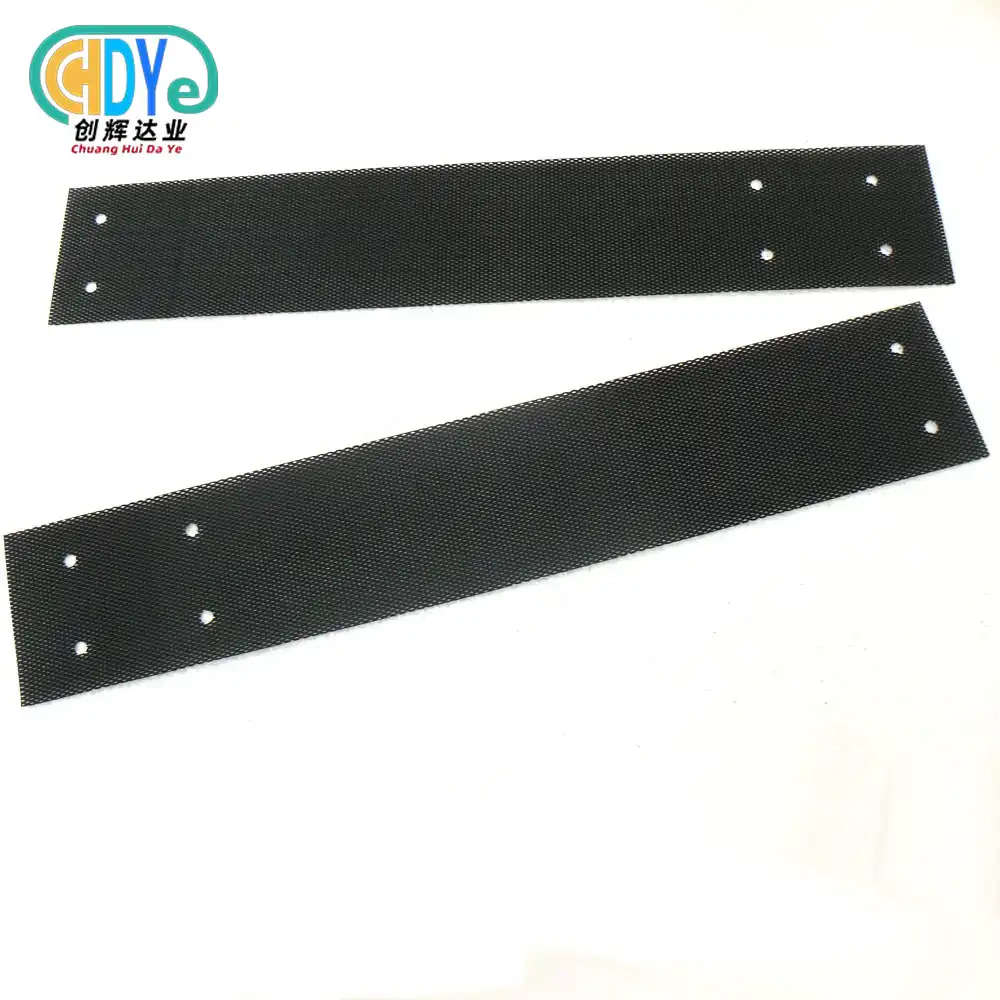
When sourcing industrial electrochemical components, understanding which certifications validate quality becomes paramount. An MMO Titanium Anode Plate delivers reliable performance only when manufactured under verified standards. Certifications serve as documentary proof that products meet rigorous technical specifications, environmental regulations, and safety protocols. Buyers who prioritize certified suppliers reduce operational risk, ensure regulatory compliance, and secure long-term value. This guide clarifies which certifications matter most and how they influence purchasing decisions.
Core Certifications to Look for When Buying MMO Titanium Anode Plates
To find your way around the certification world, you need to know which standards directly apply to titanium-based electrochemical parts and what each designation means.
ISO 9001: Foundation of Quality Management
Having ISO 9001:2015 approval shows that a company has a complete quality management system that includes planning, making, inspecting, and delivering products. Companies that have this license promise to keep improving, follow corrective action processes, and measure customer happiness. Chuanghui Daye keeps its ISO 9001:2015 certification, which makes sure that every step of the production process, from checking the raw materials to packaging them, follows written steps that can be fully tracked. This certification is very important when ordering custom configurations of Mmo Titanium Anode Plate because it guarantees that the dimensions will be correct, the surface finish will be consistent, and the product will match the technical drawings. Fewer defects, shorter production delays, and consistent performance across batch orders are all good for buyers.
ASTM Standards for Material Verification
The American Society for Testing and Materials puts out guidelines for what chemicals can be used, how they should be tested, and what their material qualities should be. ASTM B265 talks about sheets, strips, and plates made of titanium and titanium alloys, and ASTM B338 talks about tubes that are smooth or bonded. Suppliers who give Mill Test Certificates that meet these standards make sure that the substrate is pure and has good tensile strength and corrosion resistance. Ask for proof that the titanium anodes meet the requirements of ASTM B265 for plate surfaces when you are examining them. This proves that the titanium is at least as pure as it needs to be and is flexible enough for the oxide coating to stick during thermal processing. Material identification through ASTM approval stops the use of cheaper metals that weaken electrochemical stability.
RoHS Compliance and Environmental Responsibility
The Restriction of Hazardous Substances directive says that electrical and electronic equipment can't have too much lead, mercury, cadmium, hexavalent chromium, or other harmful chemicals. RoHS is mostly aimed at consumer electronics, but more and more industrial buyers are demanding compliance to meet their companies' sustainability goals and get ready for more rules to be added. When responsible suppliers make MMO coatings, they don't use any lead or mercury at all. Instead, they use noble metal oxides, which work very well and don't harm the environment. RoHS compliance shows that a company cares about worker safety, proper trash management, and the handling of dangerous materials. These are all things that indirectly show that the company runs its business well.
ISO 14001 for Environmental Management Systems
The environmental impact is looked at in ISO 14001 certification by managing waste streams, energy use, and emissions in a planned way. To leave as little of an impact on the environment as possible, suppliers with this designation set environmental goals, use monitoring systems, and do regular audits. If sustainability is important to the procurement team, they should check for ISO 14001 status along with quality certifications.This standard is especially important for industries that process chemicals, which are subject to more scrutiny from regulators every year. Partnering with environmentally approved sellers lowers the risks in the supply chain that come with new rules and shows stakeholders that the company cares about them.
How to Evaluate MMO Titanium Anode Plate Suppliers Based on Certifications
Certification paperwork alone can't promise that a seller will be reliable. Buyers need to make sure that the certifications are real, know what they mean in real life, and think about how they fit in with larger operating skills.
Verifying Certification Authenticity
There are real risks in global sourcing when fake certificates and false claims of accreditation status are used. Ask suppliers for copies of the certificates directly, and check the certification numbers with the organizations that issued them. The ISO certificates should have the seal of approval from a recognized organization, like UKAS, ANAB, or a national authority that is similar. Check the documentation's end dates, scope of certification, and building addresses to make sure it relates to the specific factory that is making your order. When asked, reputable sellers will gladly give buyers up-to-date certificates and put them in touch with third-party inspectors. If a supplier is vague about the details of their certification or unwilling to share their paperwork, that's a red flag that needs more attention or consideration of a different supplier.
Certification Impact on Lead Times and Pricing
Certified manufacturing usually has more steps in the process, more paperwork that needs to be filled out, and more quality checks that can make wait times longer than with options that aren't certified. But these investments cut down on rejections, get rid of the need for rework, and stop field failures that would have a huge impact on operations. The small extra cost for MMO Titanium Anode Plate certified products pays for itself many times over in improved dependability and predictable performance. When comparing quotes, look at the total cost of ownership instead of just the price per unit. Even though they cost more at first, certified anodes with longer service lives and lower failure rates often end up being more cost-effective. Suppliers like Chuanghui Daye offer affordable factory-direct prices while maintaining high quality standards. They do this by giving customers value without losing the purity of the approval process.
Importance of Custom Solutions from Certified Manufacturers
Customizing dimensions, using special coatings, or making connections in specific ways are often needed for complicated uses. Certified providers have the technical know-how and process control skills to successfully carry out custom requirements. Systems based on ISO 9001 require design review procedures, prototype validation protocols, and first article inspection protocols. These protect buyers who are investing in custom solutions. Customization options that are backed by certification show that the manufacturing process is mature and that the engineering is deep. When suppliers offer both standard configurations and custom machining services, it makes it easier to buy things, manage vendors, and make sure that all the parts of the system work together.
Comparing Certifications: MMO Titanium Anode Plates vs. Alternatives
Graphite, lead-silver alloys, and platinized titanium are some of the other anode technologies that are used in different situations. Each has its own licensing standards and performance trade-offs.
Certification Rigor Across Anode Technologies
Graphite anodes usually don't need as much approval because they are easier to make and meet set material standards. However, their short lifespan and loss of shape make maintenance more difficult, which cancels out the lower initial costs. Lead-based anodes are facing stricter environmental rules that make it harder to use them, even though they were once very common. Because of the complexity of the coating, the need for a pure substrate, and performance demands, MMO titanium anodes have to meet higher approval standards. This higher level shows better protection to corrosion, better electrochemical efficiency, and longer operating life. The approval fee makes sure that buyers get goods that are designed to work in harsh industrial settings instead of generic parts whose origins are unknown.
Cost-Effectiveness of Certified MMO Products
To figure out the return on investment, you have to look at how often things need to be replaced, how energy efficient they are, and how much the maintenance workers charge. Certified mixed metal oxide anodes usually last between 10 and 25 years, but this depends on the current density and the conditions of the solution. Graphite alternatives may need to be replaced every year. The ability to reuse the substrate means that recoating services can recover 40–60% of high-qualityinvestment. This is good for the economy because the benefits keep growing as the operational timelines get longer. Every year, a compound with a high catalytic activity saves energy because it lowers the overpotential, which means that less power is used in electrochemical processes. Certified goods guaranty the coating consistency needed to keep the product working at its best for as long as it's supposed to. This stops the performance from slowly declining over time, which raises running costs without being noticed.
Innovation Through Certified Supplier Partnerships
Leading manufacturers are always putting money into improving coating formulations, application methods, and the efficiency of their processes. Documentation practices that record process innovations in a structured way are driven by certification requirements. This allows for quick technology transfer and quality consistency. When buyers work with qualified thinkers, they can get next-generation materials, better performance, and application knowledge that buyers can't get from competitors who aren't certified. Working together with certified suppliers also makes it easier to work together on developing specialized applications. The quality control systems that support certification make it possible for people to work together to develop products, test prototypes, and confirm their performance. This speeds up the time it takes for new electrochemical systems to reach the market.
Practical Steps for B2B Clients: How to Use Certifications to Guide Your Purchase
Adding certification checks to the buying process needs organized methods that strike a balance between being thorough and quick.
Certification Verification Checklist
Make a standard list of the steps that need to be taken for recording and proof. Make sure that MMagainstTitanium Anode Plate ISO certificates have the seals of approval from well-known organizations, and check the registration numbers in online directories that the certification authorities keep up to date. For titanium surfaces, you should ask for ASTM Mill Test Certificates that show the material makeup analysis, mechanical testing results, and heat treatment records. Check energy-efficiency statements and make sure that the environmental certifications cover the factory that is making your order. For auditing, regulatory reporting, and future reference during reorder cycles, keep digital copies of all certification documents.
Incorporating Certifications into Supplier Scorecards
Set up weighted evaluation criteria that give certification status numerical scores along with traditional factors like price, delivery performance, and technical support. Widespread and up-to-date certifications may make up 20–30% of a supplier's overall score, which shows how important they are for quality control and reducing risk. Scorecards should be updated every few months based on test results, new certifications, and performance trends. This methodical approach turns subjective evaluations of suppliers into choices based on data that can stand up to internal review and help strategic sourcing efforts.
Post-Purchase Best Practices
Keep all the paperwork about the product, like Mill Test Certificates, finishing specs, and performance guarantees. These records are very important for warranty claims, showing that you follow the rules, and planning for future capacity. Set up upkeep procedures that keep the substrate from getting scratched when it is handled, keep the suggested current density levels below 2000A/m², and stay away from electrolytes that contain cyanide or fluoride ions, which can damage titanium substrates. Keep an eye on operating parameters like cell voltage and current distribution to find early signs of passivation or coating wear-off. Most of the time, certified providers offer recoating services that bring anodes back to their original performance levels. This maximizes the worth of the substrate and lowers the cost of replacement.
Conclusion
Certifications are more than just paperwork; they show that a company is committed to quality, safety, and performance in a way that can be checked. When looking for Mmo Titanium Anode Plates, it's best to buy from companies that have ISO 9001 quality management, ASTM material compliance, and RoHS and ISO 14001 certifications for being environmentally responsible. The reliability of operations, compliance with regulations, and total cost of ownership are all directly linked to these credentials. Verification diligence keeps procurement teams safe from false claims, and incorporating certification into the evaluation of suppliers makes sure that decisions about where to buy are based on facts and figures. The small extra cost of certified products pays for itself many times over in longer service life, lower energy use, and more stable supply chains than products that aren't certified.
FAQ
Q: Do all MMO titanium anode plates require certification?
A: Regulatory standards vary by business and location, but licensing has clear benefits no matter what the law says. Controlled manufacturing processes and the ability to track down materials make certified products more resistant to corrosion. The paperwork that backs up certified anodes makes it easier for regulatory audits, quality investigations, and warranty claims, which products that aren't certified can't support well.
Q: How can I trust certification claims from international suppliers?
A: Ask for copies of the original certificates and use the online verification portals of the organizations that issued the registration numbers to check them directly. Real ISO certifications have marks of approval from groups that are accepted by the International Accreditation Forum. Compare the names of the supplier's facilities on papers with the paperwork you need to register your business. Manufacturers with a good reputation are happy to let third parties do checks and give examples from past customers. Before committing to large purchases, building trust with certified sellers through original small orders is a good idea.
Q: What happens if an anode fails despite supplier certifications?
A: Most of the time, certified sellers back up their performance guarantees and warranties with quality management systems. Keep detailed records of the operating conditions, such as the current density, electrolyte composition, and temperature profiles. When certified manufacturers look into failures, they usually offer replacement products or refinishing services if the analysis shows that the problem was with the manufacturing process and not with operating conditions. Certification frameworks require corrective action steps that stop the problem from happening again in future batches of production.
Partner with Chuanghui Daye for Certified MMO Titanium Anode Plate Solutions
The Shaanxi Chuanghui Daye Metal Material Co., Ltd. has been working with rare metals for 30 years and is ISO 9001:2015 approved. We make high-purity titanium anode plates with mixed metal oxide layers in Baoji, China, which is known as the "Titanium Capital." These plates are designed for electrochlorination, wastewater treatment, and cathodic protection. Our Grade 1 titanium substrates go through strict ASTM compliance tests, and our multi-stage coating processes give them great corrosion resistance and catalytic activity. We offer custom fabrication services that increase the value of your assets. These include customizing the size, formulating the best coatings, and recoating the substrate. Our factory-direct prices get rid of markups from middlemen without lowering quality standards or changing the integrity of our certifications. We offer full technical support, full material tracking, and global logistics to procurement teams that are looking for a trusted MMO Titanium Anode Plate provider. You can email our engineering team at info@chdymetal.com to talk about your specific application needs, ask for certification paperwork, or get personalized quotes. Visit https://www.chdymetal.com/ to see all of our products and learn more about how we can make them.
References
1. International Organization for Standardization. "Quality Management Systems—Requirements (ISO 9001:2015)." Geneva: ISO, 2015.
2. ASTM International. "Standard Specification for Titanium and Titanium Alloy Strip, Sheet, and Plate (the ASTM B265-20)." West Conshohocken: ASTM, 2020.
3. European Parliament and Council. "Directive 2011/65/EU on the Restriction of the Use of Certain Hazardous Substances in Electrical and Electronic Equipment." Official Journal of the European Union, 2011.
4. Chen, G. "Electrochemical Technologies in Wastewater Treatment." Chemical Engineering Journal, vol. 280, pp. 135-149, 2015.
5. Comninellis, C., and Vercesi, G. P. "Characterization of DSA-Type Oxygen Evolving Electrodes: Choice of a Coating." Journal of Applied Electrochemistry, vol. 21, no. 4, pp. 335-345, 1991.
6. Trasatti, S. "Electrocatalysis: Understanding the Success of DSA." Electrochimica Acta, vol. 45, no. 15-16, pp. 2377-2385, 2000.
Learn about our latest products and discounts through SMS or email