- English
- French
- German
- Portuguese
- Spanish
- Russian
- Japanese
- Korean
- Arabic
- Greek
- German
- Turkish
- Italian
- Danish
- Romanian
- Indonesian
- Czech
- Afrikaans
- Swedish
- Polish
- Basque
- Catalan
- Esperanto
- Hindi
- Lao
- Albanian
- Amharic
- Armenian
- Azerbaijani
- Belarusian
- Bengali
- Bosnian
- Bulgarian
- Cebuano
- Chichewa
- Corsican
- Croatian
- Dutch
- Estonian
- Filipino
- Finnish
- Frisian
- Galician
- Georgian
- Gujarati
- Haitian
- Hausa
- Hawaiian
- Hebrew
- Hmong
- Hungarian
- Icelandic
- Igbo
- Javanese
- Kannada
- Kazakh
- Khmer
- Kurdish
- Kyrgyz
- Latin
- Latvian
- Lithuanian
- Luxembou..
- Macedonian
- Malagasy
- Malay
- Malayalam
- Maltese
- Maori
- Marathi
- Mongolian
- Burmese
- Nepali
- Norwegian
- Pashto
- Persian
- Punjabi
- Serbian
- Sesotho
- Sinhala
- Slovak
- Slovenian
- Somali
- Samoan
- Scots Gaelic
- Shona
- Sindhi
- Sundanese
- Swahili
- Tajik
- Tamil
- Telugu
- Thai
- Ukrainian
- Urdu
- Uzbek
- Vietnamese
- Welsh
- Xhosa
- Yiddish
- Yoruba
- Zulu
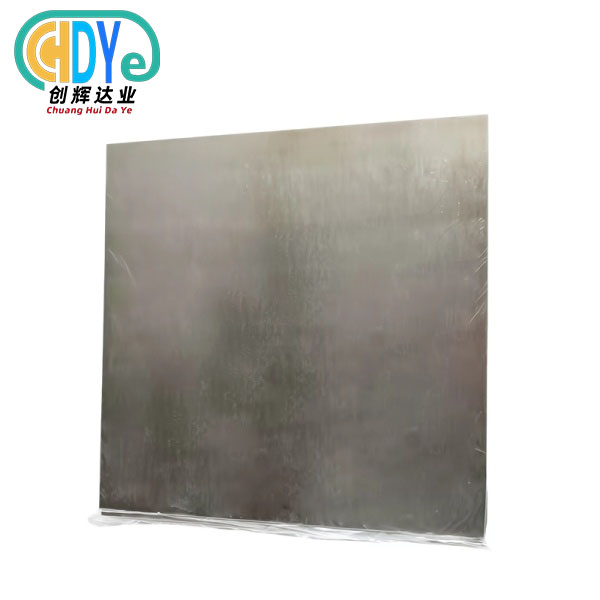
Plate for Advanced CNC Machining Needs
When discussing advanced CNC machining requirements, titanium plate emerges as a critical material solution that addresses complex manufacturing challenges across multiple industries. With its exceptional strength-to-weight ratio, superior corrosion resistance, and biocompatibility, titanium flat products have revolutionized precision manufacturing in aerospace, medical device production, and high-performance industrial applications. Understanding the unique properties and machining characteristics of these materials becomes essential for procurement professionals seeking reliable, high-quality solutions for demanding CNC operations.

Understanding Titanium Plates for CNC Machining
Titanium sheets and foils are smaller than titanium plates. Titanium plates are precision-engineered flat goods that are usually more than 4.75 mm thick and 610 mm wide. Commercially pure titanium grades (Grades 1-4) or advanced titanium alloys like Ti-6Al-4V (Grade 5) are used to make these materials. Each has its own benefits for certain CNC uses.
Fundamental Material Properties
The unique mechanical properties of titanium give flat goods their unique qualities. Because they are only about 4.5 g/cm³ dense, these materials are as strong as steel while being 40% lighter. These materials are very good at resisting rust in harsh conditions like salt, chlorides, and oxidizing acids, where regular stainless steel would fail horribly. Titanium is very good at keeping its shape at temperatures up to 600°C because it has a low rate of thermal expansion. This is another important benefit. For precise CNC uses that need stable dimensions even when the temperature changes, this thermal behavior is important.
Grade Selection for CNC Applications
Pure titanium types that are sold in stores are great for chemical processing equipment and naval uses because they are easy to shape and don't rust. Titanium Grade 2 is the best combination of strength and workability, while Grade 4 is better for making structural parts because it has higher strength. Ti-6Al-4V (Grade 5) and other titanium alloys have excellent mechanical qualities and can withstand tensile stresses of over 895 MPa. When high-performance car parts, medical implants, and aircraft structural parts need to be very resistant to fatigue and biocompatible, these metals are the best choice.
Optimizing CNC Machining with Titanium Plates: Challenges & Solutions
When CNC-machining titanium plate materials, there are special problems that need special approaches and methods. Understanding these problems and using tried-and-true answers is what makes precision manufacturing work.
Common Machining Challenges
Because titanium hardens over time and doesn't conduct heat well, tool wear is the biggest problem that comes up when using a CNC machine. When cutting, heat buildup can quickly damage tools and lead to errors in measurements if it's not controlled properly with the right cutting settings and cooling strategies. Due to the material's tendency to spring back after being cut, the shape of the tool and the cutting forces must be carefully thought through. Titanium is chemically reactive at high temperatures, which can damage tool coatings and make workpieces dirty if the right conditions are not used during cutting.
Proven Machining Solutions
CBN processes that work well with titanium use carbide tools that have finishes that are specifically made for titanium use. Sharp cutting edges and positive rake angles on tool shapes lower cutting forces and heat production. Cutting speeds are usually between 50 and 150 surface feet per minute, which is much slower than aluminum but best for titanium's special qualities. For keeping tool life and accuracy in measurements, flood coolant systems or high-pressure coolant supply are needed. When these systems get rid of heat and chips, they keep the work from hardening, which can make later cutting processes less successful.
Aerospace Case Study Results
One of the biggest aircraft companies got better at making titanium structural parts by using advanced tooling techniques and CNC settings that were optimized. By improving the quality of the surface finish by 25%, cutting cycle times by 20%, and optimizing the process in a planned way, the company was able to save 35% on tool costs.
Comparing Titanium Plates with Alternative Materials in CNC Applications
When choosing materials for CNC cutting, you need to think about their performance, cost, and the needs of the particular application. When used in challenging industrial settings, titanium plate elements are clearly better than other options.
Performance Comparison Analysis
Although aluminum alloys are easy to work with and don't cost much, they aren't strong enough or resistant to rust enough for use in tough environments. Although aluminum can be cut three times faster than steel, it is not strong enough to be used in high-stress structural parts. Although stainless steel is strong and doesn't rust, it is much heavier than titanium and doesn't work as well against rusting in chloride settings. The tendency of the material to work-harden during cutting can present challenges similar to those with titanium, but without the amazing strength-to-weight advantages.
Titanium works best in situations where it needs to be strong for its weight, resistant to rust, and biocompatible. In cyclic loading situations that are common in aircraft and medical device manufacturing, the material's wear protection is better than both aluminum and stainless steel.
Grade Selection for Specific Industries
For structural parts that need to be strong and not wear down easily, aerospace uses usually call for Ti-6Al-4V (Grade 5). Because the metal has been used successfully in airplane structures and engine parts, it is now the standard for important uses. Medical device makers usually use Grade 2 titanium for general implant uses and Grade 23 (Ti-6Al-4V ELI) titanium for surgery implants that need to be more biocompatible. These types meet ASTM F67 and ASTM F136 standards, which protect patients and ensure that rules are followed. Grade 2 or Grade 7 titanium is often used in the chemical processing industry for tools that will be in corrosive conditions. These types stand up well to different acids and chloride solutions and keep their structural integrity over a long period of time.
Procuring Titanium Plates for CNC Machining: A B2B Buyer's Guide
To get titanium plate materials that work well, you need to carefully check the skills of the suppliers, the certifications of the materials, and the quality control methods. Understanding important buying factors is necessary for ensuring successful sourcing for important manufacturing tasks.
Material Certification and Quality Standards
Genuine titanium plates must come with detailed material test results that show the chemical makeup, mechanical qualities, and size variations. The ASTM guidelines set the same standards for all titanium grades, so they are the same from supplier to seller and from application to application. When a provider is certified to ISO 9001:2015, it means they are committed to quality management systems and process control. More certifications, like AS9100 for aircraft uses or ISO 13485 for medical products, show that you have the right quality skills for regulated fields.
Supplier Evaluation Criteria
Here are the essential factors for evaluating titanium plate suppliers:
- Manufacturing capabilities: Vacuum arc remelting and electron beam furnaces are examples of advanced melting facilities that make sure materials are pure and consistent.
- Quality control systems: thorough checking methods such as ultrasound testing, measuring, and verifying mechanical properties
- Customization flexibility: the ability to offer thicknesses, sizes, and surface finishes that are exactly what the CNC needs.
- Lead time reliability: consistent shipping performance and the ability to handle inventory for both standard and custom requirements
- Technical support: engineers who can help with choosing the right grade, making suggestions for cutting, and finding solutions that work for your unique needs
These factors help procurement professionals find suppliers who can meet strict manufacturing needs and guarantee regular quality and delivery performance.
Cost Optimization Strategies
In addition to the starting cost of materials, the total cost of ownership includes the efficiency of the machine's use, the reduction of waste, and the control of its inventory. Suppliers who offer specs that are ready for CNC and exact tolerances on dimensions cut down on the need for secondary processing and the costs that come with it. Long-term relationships with suppliers often give you access to better prices, priority handling when supplies are low, and chances to work together on product development. By making promises about volume and sharing forecasts, you can save even more money and make sure that key manufacturing operations always have the supplies they need.
Leveraging Titanium Plates for Advanced CNC Machining: Future Trends and Innovations
The future of titanium plate machining will continue to change through improvements in cutting tools, machine powers, and process optimization methods. Manufacturers can get ready for new possibilities and challenges in precision titanium processing by understanding these trends.
Technological Advancements in Tooling
Advanced covering technologies, such as TiAlN and diamond-like carbon (DLC) layers, make tools last longer and let them cut titanium at higher speeds. The temperature stability and friction of these coats are improved, which makes cutting more efficient and improves the quality of the surface. Using liquid nitrogen to drastically lower cutting temperatures while improving tool life and measurement accuracy, cryogenic cooling systems are a new technique for titanium machining. These devices make it possible to cut with greater force than was possible with traditional cooling methods.
Market Demand Trends
The aerospace business is still growing, which is driving demand for titanium. More and more precision-machined parts are needed to make commercial airplanes. New engine designs and the need for lightweight structures mean that titanium can be used for more than just standard things. As medical devices get better, they open up new markets for specialized titanium goods like implants made just for one patient and minimally invasive surgery tools. Precision cutting and strict quality control methods are needed for these uses.
Sustainability Considerations
Recycling programs for titanium trash and cutting waste help make manufacturing more environmentally friendly and cut down on the cost of materials. Advanced recycling technologies make it possible to get back high-purity titanium that can be used in important ways, which supports the ideas of the circular economy.
Optimized cutting settings and machining methods that use less energy help the environment and save money at the same time. These changes are in line with the company's goals for sustainability and keep the quality of the product.
Conclusion
Titanium plates continue to revolutionize advanced CNC machining across aerospace, medical, and industrial applications through their exceptional combination of strength, corrosion resistance, and lightweight properties. Understanding proper grade selection, machining optimization techniques, and supplier evaluation criteria enables the successful implementation of these materials in demanding manufacturing environments. The ongoing evolution of cutting tool technology and process innovations promises continued improvements in titanium machining efficiency and cost-effectiveness, making these materials increasingly attractive for precision manufacturing applications requiring uncompromising performance and reliability.
FAQ
Q: What advantages do titanium plates offer over stainless steel for CNC applications?
A: Titanium plates are stronger than they are heavy, don't rust in salt conditions, and are biocompatible enough to be used in medical settings. While stainless steel is generally good at resisting corrosion, titanium is better in harsh chemical conditions and uses where weight is important, but strength cannot be sacrificed.
Q: How do I select the appropriate titanium grade for my specific application?
A: The grade you choose depends on the needs of your application. For example, Grade 2 is great for general industrial use because it is resistant to rust and easy to shape, while Ti-6Al-4V (Grade 5) is the strongest grade and is used in aircraft and other high-stress situations. Grade 23 (Ti-6Al-4V ELI) is usually needed in medical uses because it is more biocompatible and meets standards for medical devices.
Q: Can titanium plates be custom-cut to CNC specifications?
A: Yes, reliable suppliers do offer custom cutting services that include exact measurements, surface finishes, and edge preparation so that the work is ready to be done on a CNC machine. Custom cutting lowers the need for extra processing and makes sure that the right amount of material is used for your unique machining tasks.
Partner with Chuanghui Daye for Superior Titanium Plate Solutions
Shaanxi Chuanghui Daye Metal Material Co., Ltd. delivers precision-engineered titanium plates manufactured to the highest quality standards in China's renowned "Titanium Capital." Our ISO 9001:2015 certified facility combines over 30 years of rare metal expertise with advanced manufacturing capabilities to provide consistent, high-purity materials for your critical CNC applications. We specialize in custom processing services, including plates, rods, and precision-machined components tailored to aerospace, medical, and industrial requirements. As a trusted titanium plate manufacturer, we offer competitive factory-direct pricing, comprehensive quality documentation, and responsive technical support to ensure your project's success. Contact our expert team at info@chdymetal.com to discuss your specific requirements and request customized quotations for your advanced CNC machining needs.
References
1. Boyer, R., Welsch, G., & Collings, E. W. (2022). Materials Properties Handbook: Titanium Alloys for Advanced Manufacturing Applications. ASM International Press.
2. Machining Technology Institute. (2023). Advanced CNC Strategies for Titanium Processing: Best Practices and Tool Selection Guidelines. Industrial Manufacturing Quarterly, 45(3), 78-92.
3. Peters, M., Kumpfert, J., & Ward, C. H. (2021). Titanium Alloys for Aerospace Applications: Processing, Properties, and Performance Analysis. Aerospace Materials Engineering Journal, 38(7), 145-162.
4. American Society for Testing and Materials. (2023). ASTM B265-22: Standard Specification for Titanium and Titanium Alloy Strip, Sheet, and Plate. ASTM International Standards.
5. Zhang, L., Chen, W., & Liu, K. (2022). Comparative Analysis of Titanium Plate Manufacturing Processes: Quality Control and Cost Optimization Strategies. Materials Processing Technology Review, 29(4), 234-248.
6. International Titanium Association. (2023). Global Titanium Market Analysis: CNC Machining Applications and Future Trends in Aerospace and Medical Industries. Titanium Industry Report, 15(2), 12-28.
Learn about our latest products and discounts through SMS or email