- English
- French
- German
- Portuguese
- Spanish
- Russian
- Japanese
- Korean
- Arabic
- Greek
- German
- Turkish
- Italian
- Danish
- Romanian
- Indonesian
- Czech
- Afrikaans
- Swedish
- Polish
- Basque
- Catalan
- Esperanto
- Hindi
- Lao
- Albanian
- Amharic
- Armenian
- Azerbaijani
- Belarusian
- Bengali
- Bosnian
- Bulgarian
- Cebuano
- Chichewa
- Corsican
- Croatian
- Dutch
- Estonian
- Filipino
- Finnish
- Frisian
- Galician
- Georgian
- Gujarati
- Haitian
- Hausa
- Hawaiian
- Hebrew
- Hmong
- Hungarian
- Icelandic
- Igbo
- Javanese
- Kannada
- Kazakh
- Khmer
- Kurdish
- Kyrgyz
- Latin
- Latvian
- Lithuanian
- Luxembou..
- Macedonian
- Malagasy
- Malay
- Malayalam
- Maltese
- Maori
- Marathi
- Mongolian
- Burmese
- Nepali
- Norwegian
- Pashto
- Persian
- Punjabi
- Serbian
- Sesotho
- Sinhala
- Slovak
- Slovenian
- Somali
- Samoan
- Scots Gaelic
- Shona
- Sindhi
- Sundanese
- Swahili
- Tajik
- Tamil
- Telugu
- Thai
- Ukrainian
- Urdu
- Uzbek
- Vietnamese
- Welsh
- Xhosa
- Yiddish
- Yoruba
- Zulu
Benefits of Using Ti-6Al-4V Titanium Sheets for Corrosion Resistance
Ti-6Al-4V Titanium Sheet is the best material for resisting rust in harsh industrial settings. This Grade 5 titanium metal is made up of pure titanium, 6% aluminum, and 4% vanadium. It is great for use in high-temperature, chemical, and marine environments where other materials don't work well. This metal is used in many industries around the world because it can fight pitting, crevice corrosion, and stress corrosion cracking while still keeping its shape in harsh conditions.
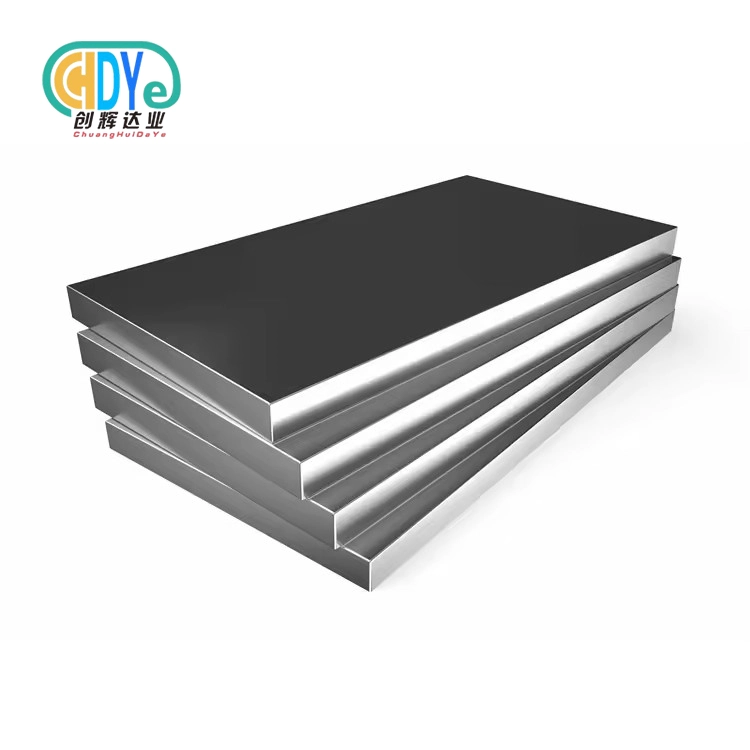
Understanding the Corrosion Resistance of Ti-6Al-4V Titanium Sheets
The high rust resistance of titanium Grade 5 comes from the complex metal it is made of and the stable oxide layer that forms on its surface. This naturally occurring titanium dioxide film protects against harsh conditions better than anything else.
The Science Behind Ti-6Al-4V's Corrosion Protection
The aluminum content makes the protective oxide layer more stable, and the vanadium content makes the metal structure underneath stronger. This mix makes a shield that fixes itself right away if it gets broken, protecting against chloride ions, acids, and oxidizing agents all the time. Titanium metals don't need chromium to be resistant to corrosion like stainless steel does. They can keep their protective qualities even in settings with little oxygen. The dual-phase architecture of alpha and beta phases makes it very resistant to rusting. The alpha phase makes the metal very resistant to rust and stable at high temperatures, while the beta phase makes it stronger and easier to work with. This microstructural balance makes it possible for Ti-6Al-4V Titanium Sheet to work effectively in seas, chemical processing equipment, and environments with high temperatures and oxidizing gases.
Performance in Aggressive Environments
This metal is resistant to corrosion by seawater, which makes it useful for marine uses. Even after decades of being in saltwater, the material doesn't seem to be breaking down. This makes it perfect for offshore bases, military boats, and desalination equipment. These sheets are used in the chemical processing industry for reactors, heat exchanges, and pipe systems that will come into contact with chemicals that are corrosive.
Key Benefits of Ti-6Al-4V Titanium Sheets in Industrial Applications
All over the world, businesses have found that titanium Grade 5 sheets offer measurable benefits that directly lead to lower costs and better performance. The unique qualities of the material help engineers and procurement workers with important problems.
Exceptional Durability and Lifecycle Value
The best thing about these sheets is that they last longer, which is their main benefit. When equipment is made with Ti-6Al-4V Titanium Sheet, it usually lasts 20 to 30 years before it needs to be replaced. With regular materials, it only lasts 5 to 10 years in the same conditions. The material's tolerance to wear and tear, rust, and changes in temperature makes it last so long. When parts don't break down, maintenance costs go down by a huge amount. Aerospace companies say that planned repair times for titanium parts are 60% shorter than for aluminum or steel parts. The material's ability to keep its shape under repeated loading stops catastrophic failures and cuts down on downtime.
Superior Strength-to-Weight Performance
Engineering teams like that the material's density is 4.43 g/cm³, which is about 40% lighter than steel but gives the same level of strength. In aerospace uses, where every kilogram saved means better fuel economy, this weight loss is very important. Lessened structural stress and better vessel performance are good for marine uses. The high strength-to-weight ratio lets wall parts be smaller without affecting the strength of the structure. While keeping the safety factors needed by industry standards, design experts can find the best shape for a part to save weight.
Thermal Stability and Heat Resistance
This metal can work in temperatures as high as 400°C without any problems, which makes it a good choice for exhaust systems, heat exchanges, and engine parts. The material keeps its mechanical qualities and ability to fight rust even when heated and cooled many times, which would break down other materials.
Comparative Analysis: Ti-6Al-4V Titanium Sheets vs Alternative Materials
Procurement professionals can make better choices based on the total cost of ownership rather than the original cost of materials when they know how titanium Grade 5 stacks up against other materials.
Performance Against Stainless Steel
Even though 304 stainless steel is much cheaper at first, it cracks and pits in marine settings because of chloride-induced stress corrosion. The material needs to be checked and replaced on a regular basis, usually every 5 to 7 years in harsh environments. These worries are completely taken away by Ti-6Al-4V Titanium Sheet, which works effectively for decades without breaking down. When it comes to strength, titanium is by far the best. Grade 5 titanium has a minimum tensile strength of 895 MPa, while 304 stainless steel only has a minimum tensile strength of 515 MPa. Because of this strength benefit, designs can be made lighter and safer.
Advantages Over Aluminum Alloys
Aluminum metals are great for saving weight, but they don't fight corrosion well enough for use in chemicals or the sea environment. When aluminum comes into contact with different metals in the presence of liquids, galvanic corrosion becomes a major problem. Titanium's noble nature removes the risk of galvanic corrosion and gives it better mechanical qualities.
Comparison with Other Titanium Grades
Commercial types of pure titanium are very resistant to rust, but they aren't strong enough for structural uses. Ti-6Al-4V has the best mix of protection to rust, strength, and ease of working. Grade 23 (Ti-6Al-4V ELI) is more difficult to break and is used in medical settings, but it costs more.
Procurement Considerations for Ti-6Al-4V Titanium Sheets
So that you can successfully buy titanium sheets, you need to know how this niche market works. The quality of the materials, the skills of the provider, and the processing needs all have an effect on the project's success.
Quality Standards and Certifications
The main standard for titanium sheet goods is ASTM B265, which lists the chemical makeup, mechanical qualities, and size tolerances. For aerospace uses, materials usually need to be certified according to AMS 4911. This includes extra tests for wear strength and fracture toughness. For biocompatibility, medical uses need to meet ASTM F136. Reliable providers give full mill test reports that include chemical analysis, mechanical testing, and ultrasonic inspection data. Traceability paperwork makes sure that materials are real and lets quality checks happen all along the supply chain.
Lead Times and Custom Processing
Standard sheet widths are between 0.5 mm and 50 mm, and the most popular sizes are in stock and ready to ship. Custom sizes take longer to process, usually 6 to 12 weeks, based on how complicated the specifications are. Precision cutting, surface cleaning, and making are some examples of advanced processing skills that can add value while lowering the costs of manufacturing later on.
Supplier Evaluation Criteria
When looking at possible suppliers, you need to look at their expertise, production skills, and quality systems. ISO 9001:2015 certification means that the quality management system is strong, and AS9100 certification means that the company knows a lot about the aircraft business. For complicated applications that need material suggestions and handling instructions, technical help skills become very important.
Real-World Applications and Case Studies Demonstrating Corrosion Resistance Benefits
The benefits of titanium Grade 5 sheets, in theory, have been proven by the fact that they improve performance and lower costs in a wide range of uses.
Aerospace Industry Success Stories
Commercial airplane makers have reported big drops in upkeep costs after switching out aluminum parts for Ti-6Al-4V Titanium Sheet in key spots. The longevity of the engine nacelles, landing gear parts, and structural sections has gotten a lot better. Over the course of 10 years, one big airline said that the prices of replacing parts went down by 45%. The fact that the material is used in the military shows that it can withstand harsh circumstances. The structural integrity of fighter aircraft parts made from titanium Grade 5 is maintained through high-G movements, thermal cycles, and corrosive conditions that would damage other materials.
Marine Industry Applications
Titanium sheets are used for important parts of offshore drilling platforms that are exposed to seawater and hydrogen gas. The operational lifespans of these systems are more than 25 years without any material breakdown, while the operational lifespans of normal materials are only 7–10 years. Naval vessels' use of the material shows how well it stands up to galvanic rust and seawater attack. When used in harsh nautical settings, propeller blades, hull parts, and plumbing systems work very well.
Chemical Processing Equipment
Titanium Grade 5 is used to make reactor tanks and heat exchanges that work reliably in chemical processing areas where stainless steel fails because of chloride attack. Plant workers say that unplanned repair has gone down a lot and that the process is more reliable.
Conclusion
Using Ti-6Al-4V Titanium Sheet for corrosion protection has benefits that go beyond the material's initial qualities and offer real operating benefits. This alloy's unique mix of strength, longevity, and resistance to rust helps industries all over the world meet their most difficult material needs. Titanium Grade 5 sheets are a smart investment for uses that need high performance in harsh environments because they save money in the long run, require less upkeep, and have higher safety margins.
FAQ
Q: What makes Ti-6Al-4V superior to pure titanium for corrosion resistance?
A: Pure titanium is very resistant to corrosion, but adding aluminum and vanadium to Grade 5 makes it stronger and more stable in temperature without affecting its ability to resist rust. The metal is very good at stopping stress corrosion cracking, and its protective oxide layer stays in place even when it is under a lot of mechanical stress.
Q: How does thickness affect corrosion resistance in Ti-6Al-4V sheets?
A: The mechanical features of a sheet are mostly affected by its width, not its corrosion resistance. Thinner sheets are easier to shape, while thicker parts make structures stronger and more resistant to wear. Because an oxide layer forms on the surface, the rust resistance stays the same at all levels.
Q: What welding considerations apply to Ti-6Al-4V titanium sheets?
A: For welding, argon or helium must be used as a neutral gas screen to keep the work area clean. The area that is getting hot needs to be kept safe until the temperature drops below 400°C. When you bond something correctly, the material's mechanical and corrosion-resistant qualities stay the same throughout the joint.
Q: Can Ti-6Al-4V sheets be formed using conventional equipment?
A: The material can be shaped with normal tools, but it needs stronger forces because it is stronger. For complex shapes, hot forming at temperatures between 600°C and 900°C works best. For easy turns, cold forming is possible, but it may cause springback that needs to be fixed.
Partner with Chuanghui Daye for Premium Ti-6Al-4V Titanium Sheet Solutions
Shaanxi Chuanghui Daye has been working with rare metals for 30 years and has advanced production skills that allow them to provide you with approved, high-quality titanium sheets that meet your exact needs. Our ISO 9001:2015-certified factory in China's Titanium Capital guarantees stable quality, low prices, and on-time deliveries for customers all over the world. Our expert team can help you with everything from choosing the right materials to making sure the end product is perfect, whether you need standard sizes or custom processing. Get in touch with info@chdymetal.com to talk about your needs with a reliable Ti-6Al-4V Titanium Sheet source who wants your project to succeed.
References
1. Boyer, R. R. "An Overview on the Use of Titanium in the Aerospace Industry." Materials Science and Engineering A, Vol. 213, 1996.
2. Donachie, Matthew J. "Titanium: A Technical Guide, Second Edition." ASM International Materials Park, Ohio, 2000.
3. Peters, M. and Leyens, C. "Titanium and Titanium Alloys: Fundamentals and Applications." Wiley-VCH Verlag GmbH & Co., 2003.
4. Schutz, R. W. and Thomas, D. E. "Corrosion of Titanium and Titanium Alloys." ASM Handbook Volume 13B: Corrosion of Materials, 2005.
5. Williams, J. C. and Boyer, R. R. "Opportunities and Issues in the Application of Titanium Alloys for Aerospace Components." Metals and Materials, Vol. 6, No. 3, 2000.
6. Zwicker, U. "Titanium and Titanium Alloys." Springer-Verlag Berlin Heidelberg, 1982.
Learn about our latest products and discounts through SMS or email