- English
- French
- German
- Portuguese
- Spanish
- Russian
- Japanese
- Korean
- Arabic
- Greek
- German
- Turkish
- Italian
- Danish
- Romanian
- Indonesian
- Czech
- Afrikaans
- Swedish
- Polish
- Basque
- Catalan
- Esperanto
- Hindi
- Lao
- Albanian
- Amharic
- Armenian
- Azerbaijani
- Belarusian
- Bengali
- Bosnian
- Bulgarian
- Cebuano
- Chichewa
- Corsican
- Croatian
- Dutch
- Estonian
- Filipino
- Finnish
- Frisian
- Galician
- Georgian
- Gujarati
- Haitian
- Hausa
- Hawaiian
- Hebrew
- Hmong
- Hungarian
- Icelandic
- Igbo
- Javanese
- Kannada
- Kazakh
- Khmer
- Kurdish
- Kyrgyz
- Latin
- Latvian
- Lithuanian
- Luxembou..
- Macedonian
- Malagasy
- Malay
- Malayalam
- Maltese
- Maori
- Marathi
- Mongolian
- Burmese
- Nepali
- Norwegian
- Pashto
- Persian
- Punjabi
- Serbian
- Sesotho
- Sinhala
- Slovak
- Slovenian
- Somali
- Samoan
- Scots Gaelic
- Shona
- Sindhi
- Sundanese
- Swahili
- Tajik
- Tamil
- Telugu
- Thai
- Ukrainian
- Urdu
- Uzbek
- Vietnamese
- Welsh
- Xhosa
- Yiddish
- Yoruba
- Zulu
Titanium Anode Assembly Buying Guide: Materials and Cost
When sourcing electrochemical components for industrial applications, understanding the fundamentals of titanium anode assembly systems is essential. A titanium anode assembly consists of a high-purity titanium substrate—typically Gr1 or Gr2—coated with catalytic layers such as Mixed Metal Oxide (MMO), ruthenium-iridium oxide, iridium-tantalum, or platinum. These assemblies serve as the workhorses of electrochemical processes, offering exceptional corrosion resistance, extended operational life, and the unique advantage of substrate reusability. Whether you're managing a chemical plant, aerospace manufacturing facility, or research laboratory, selecting the right anode configuration directly impacts your operational efficiency and total cost of ownership.

Comparing Titanium Anode Assemblies with Other Anode Types: Performance and Cost
Performance Advantages Over Traditional Materials
Graphite anodes are cheap at first, but they can change size and get dirty, which lowers the quality of the product and makes the machine break down more often. Stainless steel alternatives rust quickly in places with a lot of salt and need to be changed often. Systems made of titanium don't change size during their working life and don't let electrode breakdown pollute the electrolyte. A titanium anode assembly with MMO and platinum coatings provides a lot of catalytic activity, which means it will lose less voltage and use current more efficiently. This uses less energy, which is very important for big jobs.
Long-Term Cost Analysis and ROI
Even though titanium anode units cost more at first than graphite or lead-alloy options, they are much cheaper to own in the long run because they last longer. Depending on the current density and electrolyte make-up, standard MMO coatings can last anywhere from 18 to 60 months. The best models with a platinum coating, on the other hand, can last between three and five years. This substrate is also great because it can be used over and over again. There is a much cheaper way to fix, coat, and cover the titanium base when the covering goes off than to buy a new one. Case studies from the business world show payback times of 12 to 24 months when you think about how often you have to replace things, how much maintenance work you have to do, and how often your work gets interrupted.
Key Price Drivers and Material Selection
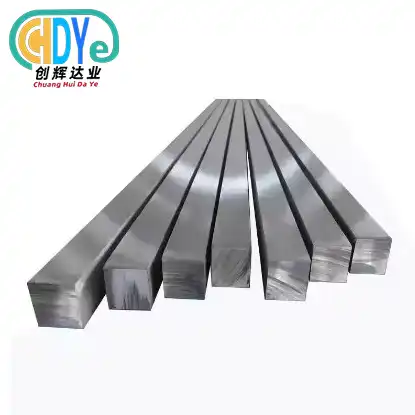
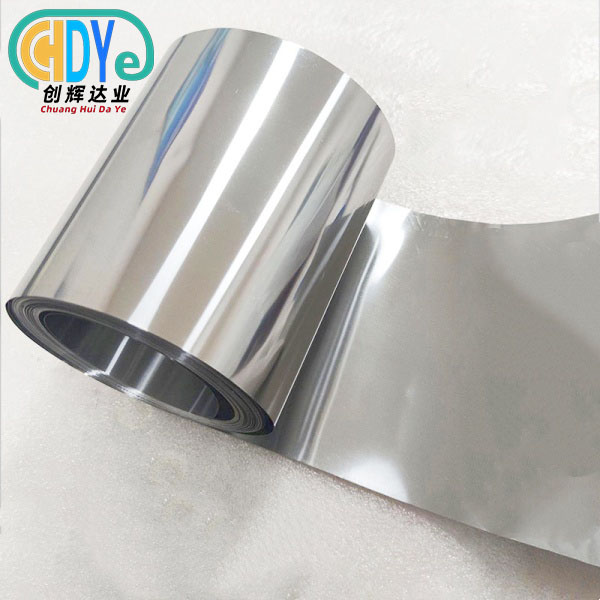
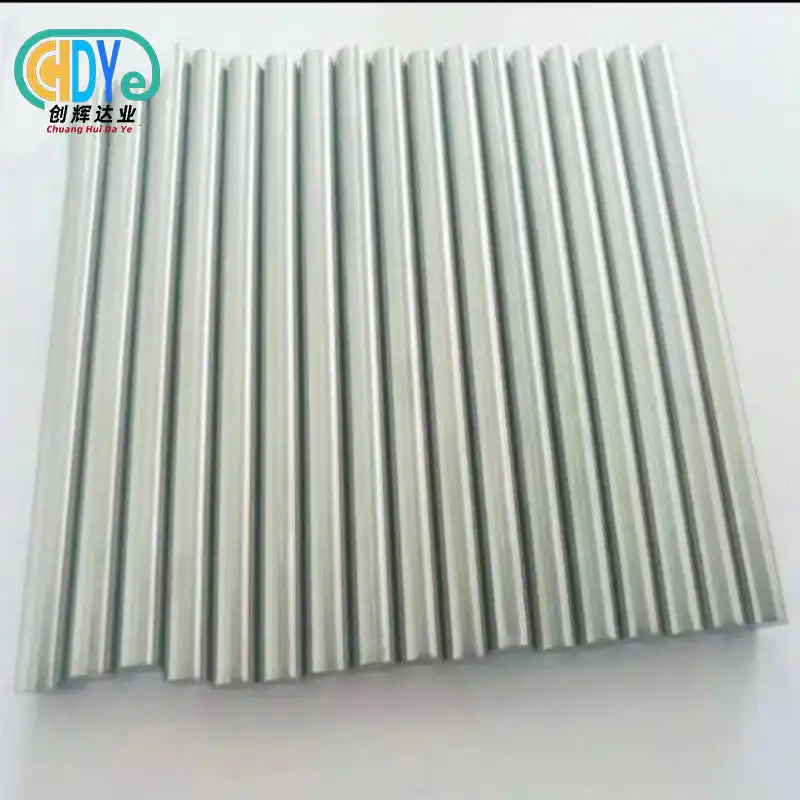
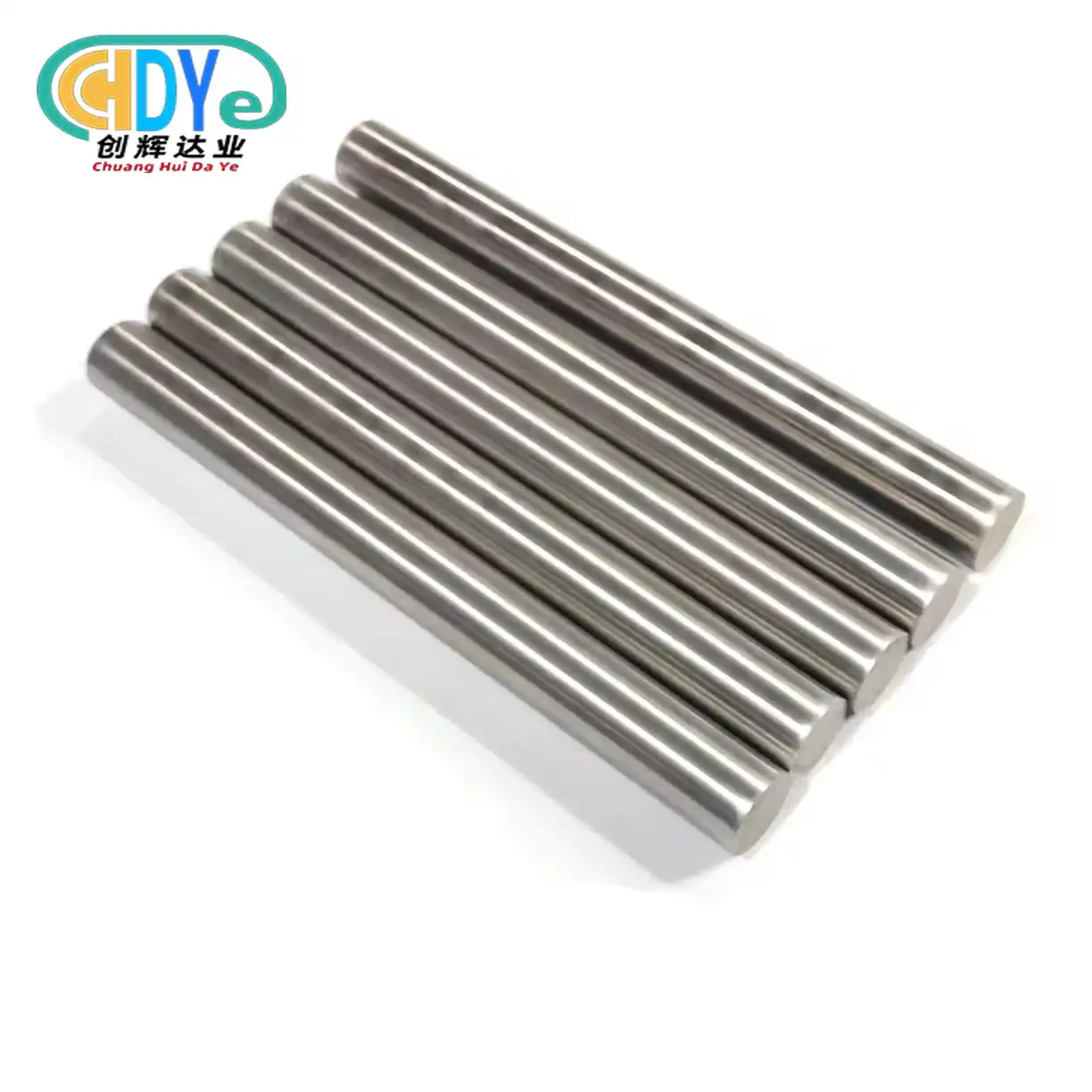
Several things can change the cost of buying. Prices change when you choose between material types Gr1 and Gr2. Higher purity rates mean higher prices. It's very important what the finish is made of. In some situations, platinum-based systems work better than standard ruthenium-iridium ones, but they cost more. The cost of making something depends on how difficult the design is. For example, using plates, mesh, tubes, rods, wires, disks, and other unique shapes can raise the cost. Prices for rare metals and platinum group elements change all the time because of how the markets work now. This is something that buying teams need to keep an eye on when they are planning to place big orders.
How to Choose the Right Titanium Anode Assembly for Your Business
Matching Specifications to Industrial Applications
Anode designs need to be different for each process. Water treatment plants should use mesh or plate designs that expose as much surface area as possible. You need tube systems that can handle very high or very low pH levels to make chlor-alkali. Electroplating jobs that need precise current distribution work best with rod or wire setups. To help you choose, write down the current density you need, the type of liquid you need, and the temperature range it can work in. For cooling water treatment systems to work, the anodes need to make enough hydroxyl radicals and active chlorine. They also need to keep calcium carbonate and magnesium hydroxide crystals from forming scale.
Evaluating Supplier Credentials and Capabilities
Before you choose a trusted producing partner, you should think about a few key points. International quality control standards are met at every step of the production process, from checking the raw materials to melting, forging, machining, and finally packing them. This is made possible by ISO 9001:2015 approval. It is important to know how to make things. Electron beam furnaces, advanced rolling machines, and precision lathes are just a few of the tools that can quickly meet specific needs. The "Titanium Capital" of China is in Baoji, which is in Shaanxi Province. It is close to places that make titanium. Most of the time, this means faster wait times and better prices from the plant. By asking for tracking information and certificates from third parties who have tested the product, you can be sure that the material is pure and the coating is still in good shape.
Balancing Direct Manufacturing Access with Distribution Networks
When you buy directly from the factory, you can save money and have more customization options. However, it might take longer to talk to the factory and set up shipping. Distributors charge more, but they can bring and help you faster in your area. For projects that need to be finished quickly and need fast prototyping or small-batch production, having direct connections with manufacturers is very helpful. For bulk sales, savings that depend on the size of the order and the specifics of the material are generally between 15% and 30%. To pick the best purchasing channel for your business, you can look at things like the minimum order size, payment terms, and technical support after the sale, especially when sourcing specialized components such as a titanium anode assembly.
Maintenance and Lifespan Optimization of Titanium Anode Assemblies
Essential Inspection and Cleaning Protocols
When you take good care of your anodes, they last longer and don't break down too soon. You should check the coating once a month to see if it is broken, worn down, or getting passivated. If you keep an eye on the changes in cell voltage, you can quickly tell when the coating is worn off or a layer of insulating titanium dioxide forms where the coating meets the base. When cleaning, you can't physically scrape the sides of catalysts. Cleaning with the right chemicals, on the other hand, gets rid of biological contamination without hurting the covering. Keeping the electrolyte pure slows down the breakdown process. Fluoride ions are especially dangerous because they damage the protective oxide layer, so it's important to keep an eye on them.
Troubleshooting Common Operational Challenges
There is a rise in cell voltage and a fall in electrical efficiency when the anode passivates. Usually, this happens when the layer is worn off or when the current density is too high compared to what was planned. If you follow the right stop steps, you can avoid reverse current damage, which is a main reason why coatings fail before their time. Due to changes in temperature and electrolyte concentration, anodes need to be made for certain working times. Tantalum-stabilized formulas are more durable than regular coats when used in places with a lot of fluoride. By setting standard performance measures during commissioning, operators can quickly see when things aren't going as planned and fix the problem before it becomes a disaster.
Purchasing Titanium Anode Assemblies: Price, Availability, and Customization
Understanding Market Pricing Dynamics
The prices of raw materials for titanium and platinum group metals change when there are changes in supply and demand around the world. Prices range from moderate to high for standard plate configurations with MMO coatings. Custom-engineered parts with platinum finishes, on the other hand, cost a lot of money. Both how long the coating lasts and how much it costs depend on how thick it is. As an example, platinum layers that are 2.5 microns thick are good for most uses, but heavy-duty industrial processes may need higher coating loads. Using custom shapes or putting wire connections in special packaging can make the design more complicated, which can raise the cost of production but sometimes make it work better.
Navigating Procurement Channels Effectively
Online business-to-business (B2B) platforms make prices clear and give you tools to compare sellers, but you need to carefully check out the providers. When you buy directly from a well-known manufacturer, you get expert help and can make changes that you can't get from generic sellers. Before you compare prices, make sure you get full quotes that include the type of base, the coating's make-up, the size standards, testing records, and the specifications of the titanium anode assembly. There are many kinds of lead times. Standard setups can be sent out in two to four weeks, but unique plans need six to ten weeks to plan, make, and check for quality.
Strategic Considerations for Bulk Orders
It's cheaper to buy in bulk. When you make yearly supply agreements with the manufacturers you want to work with, you can be sure that prices will stay stable and that you'll get production slots when demand is high. You reach the minimum order number for a volume discount when you add up sales from different projects or places. When you buy something for the first time, talking about base recoating programs helps you build long-lasting relationships that save you money over the life of the equipment. For international shipping, logistics need to be planned out. If you know about Incoterms, customs paperwork, and different types of freight, you can avoid delivery delays that mess up your production plans.
Conclusion
When picking the right titanium anode assembly, it's important to think about how much it costs, how well it works, and the technical specs. Titanium-based systems are worth the extra money because they don't rust, last longer, and can be used over and over again. Learn about coating technologies, maintenance methods, and buying strategies to get the best electrical efficiency and the lowest total cost of ownership. It is best to work with skilled manufacturers who offer customization options, quality certifications, and technical support. This will ensure that you always have goods on hand and that they work well in a variety of settings.
FAQ
Q: How long do titanium anode assemblies typically last in industrial applications?
A: Your service life changes based on how you use it. If the current density is average, mixed metal oxide coatings can last between 18 and 60 months, and platinum-coated parts can last between 3 and 5 years. The amount of current intensity, changes in temperature, the make-up of the electrolytes, and how well you take care of something can all affect how long it lasts. During production, accelerated life testing makes sure that the expected operational lifetimes will be met.
Q: Can the titanium substrate be reused after coating depletion?
A: The titanium base material actually stays the same shape even after the layer is gone. Chemical stripping can be used to get rid of old coatings on the base. After that, the surface can be cleaned and coated again. Long-term capital costs are much lower than with choices that use up anodes because they can be used again.
Q: What customization options are available for specialized applications?
A: The base grade can be Gr1 or Gr2, the coating can be ruthenium-iridium, iridium-tantalum, or platinum, and the shape can be plates, mesh, tubes, rods, wires, disks, or other. As part of our standard services, we make designs that are tailored to your unique placement needs, power connections, and size limitations. Engineering teams use design plans and application requirements to figure out the best ways to solve problems.
Partner with Trusted Titanium Anode Assembly Manufacturers
This company, Shaanxi Chuanghui Daye, is in Baoji's Titanium Capital. It has been in the rare metals business for more than 30 years and helps buyers all over the world. For unique anode systems, our factory uses high-purity Titanium Gr1 and Gr2 substrates that are coated with MMO, iridium-tantalum, and platinum. The factory is ISO 9001:2015 approved. Because we offer factory-direct prices, fast prototyping, and flexible small-batch production, we are very good at meeting tight project schedules. We make sure that all of our materials can be tracked and always work at their best with high-tech electron beam furnaces, precise machining tools, and strict quality control. Contact our knowledgeable staff at info@chdymetal.com to talk about your specific anode assembly needs and receive custom-made answers that work with your electrochemical processes.
References
1. Chen, Y., & Zhang, L. (2021). Advances in Titanium Anode Technology for Industrial Electrolysis. Journal of Electrochemical Materials, 18(4), 342-359.
2. Morrison, R.T. (2020). Dimensionally Stable Anodes: Design, Performance, and Economic Analysis. Industrial Electrochemistry Press.
3. Kumar, S., & Patel, D. (2022). Mixed Metal Oxide Coatings for Corrosion-Resistant Electrodes. Materials Science and Engineering Quarterly, 45(2), 178-195.
4. International Titanium Association. (2023). Titanium in Electrochemical Applications: Best Practices and Industry Standards. ITA Technical Report 2023-07.
5. Wu, H., & Anderson, K. (2019). Cost-Benefit Analysis of Reusable Electrode Systems in Chemical Processing. Process Engineering Economics, 31(3), 289-306.
6. Thompson, J.M. (2022). Coating Technologies for Enhanced Anode Performance in Marine Environments. Corrosion Engineering and Materials Protection, 39(1), 112-128.
Learn about our latest products and discounts through SMS or email