- English
- French
- German
- Portuguese
- Spanish
- Russian
- Japanese
- Korean
- Arabic
- Greek
- German
- Turkish
- Italian
- Danish
- Romanian
- Indonesian
- Czech
- Afrikaans
- Swedish
- Polish
- Basque
- Catalan
- Esperanto
- Hindi
- Lao
- Albanian
- Amharic
- Armenian
- Azerbaijani
- Belarusian
- Bengali
- Bosnian
- Bulgarian
- Cebuano
- Chichewa
- Corsican
- Croatian
- Dutch
- Estonian
- Filipino
- Finnish
- Frisian
- Galician
- Georgian
- Gujarati
- Haitian
- Hausa
- Hawaiian
- Hebrew
- Hmong
- Hungarian
- Icelandic
- Igbo
- Javanese
- Kannada
- Kazakh
- Khmer
- Kurdish
- Kyrgyz
- Latin
- Latvian
- Lithuanian
- Luxembou..
- Macedonian
- Malagasy
- Malay
- Malayalam
- Maltese
- Maori
- Marathi
- Mongolian
- Burmese
- Nepali
- Norwegian
- Pashto
- Persian
- Punjabi
- Serbian
- Sesotho
- Sinhala
- Slovak
- Slovenian
- Somali
- Samoan
- Scots Gaelic
- Shona
- Sindhi
- Sundanese
- Swahili
- Tajik
- Tamil
- Telugu
- Thai
- Ukrainian
- Urdu
- Uzbek
- Vietnamese
- Welsh
- Xhosa
- Yiddish
- Yoruba
- Zulu
Titanium Welded Pipe vs Seamless: Which Is Best for Your Project?
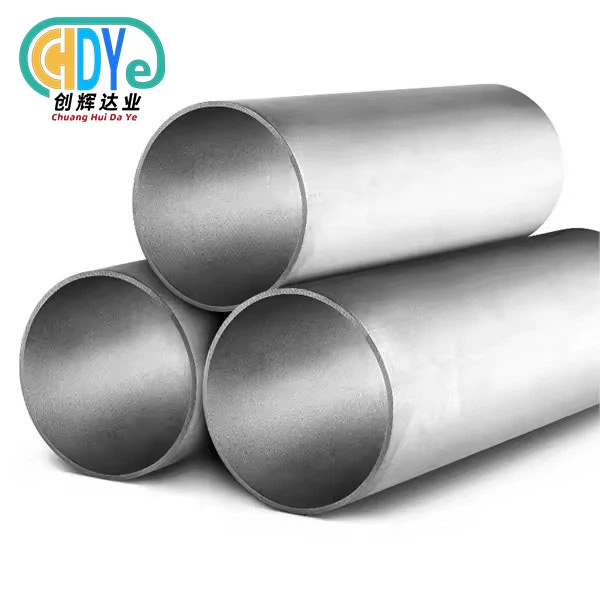
Choosing between titanium welded pipe and seamless options depends on your specific project requirements, budget constraints, and operational environment. Titanium welded pipe offers cost-effective solutions for large-diameter applications requiring exceptional corrosion resistance and moderate pressure ratings, while seamless pipes excel in high-pressure environments demanding absolute uniformity. Understanding the manufacturing processes, mechanical properties, and application suitability of each type enables procurement managers and engineers to make decisions that optimize both performance and investment returns for their industrial projects.
Introduction
Titanium pipes are now essential in many industries because they are very strong, don't rust, and are very light. Choosing the right type of titanium pipe—welded or seamless—has a big impact on the results of a project, whether it's designing heat exchangers for a chemical processing plant or specifying condenser tubing for a coastal power plant. This choice impacts not only the initial costs of buying something but also its long-term dependability, the amount of maintenance needed, and the overall performance of the system. We've spent years at Chuanghui Daye helping engineers, buying managers, and professional leaders make these kinds of decisions. Our factory in Baoji, China, which is known as the "Titanium Capital," makes welded and seamless titanium pipes that meet strict international standards. This in-depth comparison looks at how the pipes are made, the materials used, the situations in which they are used, and the ways they are bought so that you can choose the right titanium pipe for your project with confidence.
Understanding Titanium Welded and Seamless Pipes
Manufacturing Processes Define Fundamental Differences
Titanium welded pipe is made by rolling or flattening titanium sheets into cylindrical forms and then using precise welding methods to join the long edges together. We use advanced TIG and plasma welding technology at Chuanghui Daye to make weld seams that are as strong as the base material. Our welded pipes meet the standards set by ASTM B862, ASTM B338, and ASME SB-338. This guarantees stable quality for tough industrial uses. In the welding process, the amount of heat is carefully controlled so that the naturally occurring oxide layer on titanium doesn't get distorted too much. After welding, heat treatment reduces any remaining stresses, and annealing procedures bring back the ideal microstructure throughout the heat-affected area. This way of making things makes it possible to make pipes with large diameters (often more than 600 mm) at lower costs than with seamless methods.
Seamless Pipe Manufacturing Delivers Uniform Wall Structure
Seamless titanium pipes are made by extruding or rotary piercing solid titanium billets into hollow tubes that don't have any welds between them. This way of making things makes pipes with walls that are all the same thickness and mechanical properties all the way around. Seamless pipes are great for ultra-high-pressure uses because they don't have any weld gaps that could become weak. Extreme temperatures and pressures are used in the casting process to smooth out the grain structure and improve the mechanical qualities of titanium billets. Seamless pipes usually meet the requirements of ASTM B861, and they come in smaller diameters than welded pipes, usually up to about 300 mm, but this depends on the grade and wall thickness.
Material Properties Comparison
Both types of pipes still have titanium's natural benefits, such as its high resistance to rust from the stable, self-healing titanium dioxide surface layer, its high strength-to-weight ratio (around 4.51 g/cm³), and its temperature stability up to 315°C, which keeps the pipes' mechanical integrity. Grade 2 titanium is the commercially pure type that is most often used for titanium welded pipe. It has a yield strength of over 275 MPa and is very easy to shape. It is common for Grade 9 (Ti-3Al-2.5V) or Grade 5 (Ti-6Al-4V) alloys to be used to make seamless pipes when applications need stronger properties.
Comparing Titanium Welded Pipe vs Seamless Pipe
Structural Integrity and Pressure Ratings
The performance difference between bonded and smooth titanium pipes has shrunk by a huge amount thanks to modern welding technology. Welded pipes that meet ASTM B862 standards are of high quality and have weld efficiency factors of 1.0. This means that when heated properly, the weld zone has the same mechanical properties as the parent material. Welded pipes can handle high pressures because of this. Depending on their diameter, wall thickness, and grade, they are usually rated for working pressures between 10 and 40 bar. Seamless pipes are still better in situations with high pressure or where the pressure changes over time. Since there are no longitudinal welds, there is no risk of fatigue failure at the weld interfaces when the stress is cycled over and over again. Offshore oil and gas sites often use seamless lines for high-pressure hydraulic systems because of how bad it would be if they broke.
Corrosion Performance in Aggressive Environments
Titanium's resistance to rust comes from its protective oxide film, not from the way the pipes are made. Both welded and seamless pipes are very resistant to chloride-containing environments, acidic media, and applications that involve seawater. But weld zones need to be carefully looked at in certain corrosive situations. When welds are done right, with full entry and the right heat treatment, they have the same corrosion protection as the base material. At Chuanghui Daye, our welding procedures make sure that the protective oxide layer stays intact in the heat-affected zone. Both types of pipes work reliably when made to the right specifications for chlor-alkali plants that deal with wet chlorine or desalination plants that deal with high-velocity seawater. Multi-Stage Flash desalination plants around the world have used welded titanium pipes with wall thicknesses as thin as 0.5 mm for decades and have worked well. This shows that people are confident in the longevity of welded pipes.
Cost Analysis and Economic Considerations
It is much cheaper to use welded titanium pipes, especially for applications that need pipes with a large diameter. When it comes to manufacturing economics, welded construction is better than seamless extrusion because it wastes less material and uses less energy when flat sheets are bent into pipes. When project budgets choose welded pipes over smooth pipes of the same size, costs usually go down by 20 to 40 percent. Think about the total cost of ownership as well as the single price. Welded pipes can have thinner walls because they are made with consistent tolerances. This lowers the cost of materials and makes heat transfer more efficient in heat exchangers. Field welding and installation costs are kept to a minimum because custom lengths can be made. While seamless pipes are more expensive, they may be more cost-effective in small-diameter, high-pressure situations where thicker walls are not needed because of their higher pressure ratings. Logistics of procurement also affect the cost of a project. Welded pipes have faster lead times than seamless pipes, which need 8–12 weeks for special grades. Lead times for normal specifications are usually 4–6 weeks. For welded choices, the minimum order quantity is usually more open, so they can be used for research projects and prototypes.
Selecting the Best Titanium Pipe for Your Industry Needs
Aerospace and Defense Applications
Materials that are as strong as possible while also being light are needed for aerospace systems. Aluminum pipes are being used more and more in aircraft hydraulic systems, exhaust ducts, and structural tubing to keep the structure strong while reducing the weight of the airframe. When hydraulic lines are working at 3,000 psi or more, Grade 9 seamless pipes are often used because they are strong enough to handle the extra pressure. Welded pipes are used in lower-pressure aircraft systems for things like fuel vent lines, environmental control, and non-critical structural parts. Because titanium is cheaper, it can be used more often instead of heavier materials like stainless steel. Defense companies like that both types of pipes meet strict military standards when they come from approved suppliers who keep full records of their products' traceability.
Chemical Processing and Petrochemical Industries
Titanium is very good at resisting corrosion, which is why chemical plants that move aggressive media like concentrated sulfuric acid, hydrochloric acid, chlorine compounds, and metallic chlorides depend on it. In these situations, welded pipes are most common because seamless construction would be too expensive for large-diameter pipe networks. A big chlor-alkali company in Europe recently updated its brine drainage system by using Grade 2 welded titanium pipes that Chuanghui Daye sent them. The system can handle flow rates of more than 3 meters per second of pure sodium chloride solution at 95°C. After three years of nonstop use, an inspection showed that there was no corrosion or degradation. This proved that the choice of welded pipe for this tough service was the right one. Even though they are much more expensive to buy, seamless pipes are used for high-pressure reactor feed lines and other cases where reliability is key, without worrying about the stability of the weld.
Power Generation and Desalination Facilities
The biggest market for titanium pipes is made up of coastal power plants and desalination plants. Titanium-based surface condenser tube bundles can last 40 years or more in seawater cooling applications where copper-nickel alloys need to be replaced every 15 to 20 years. Because titanium welded pipe can have thin walls (often 0.7 mm for Grade 2 material), it can conduct heat well while still being strong enough to handle the force. Welded titanium pipes are used a lot in brine heater tube bundles and reject stream piping in multi-stage flash desalination plants. When it comes to resistance to rust, heating efficiency, and low cost, welded pipes are the norm. A recent desalination project in the Middle East called for more than 15 kilometers of welded titanium pipes to be sent from manufacturers like Chuanghui Daye to international distributors.
Medical and Pharmaceutical Manufacturing
Manufacturers of medical devices need materials that meet strict standards for biocompatibility and cleanliness. Because there are no welds, seamless pipes are often chosen for pharmaceutical processing equipment. This is because they make validation protocols easier and eliminate concerns about crevice corrosion in systems with very pure water. Pipes that have been welded together using recorded methods and full material tracking work well in medical equipment. Welded titanium pipes can be used for bioreactor cooling jackets, sterilization equipment, and medicinal ingredient transport lines as long as the right surface finishing and passivation processes are used.
Practical Procurement Guide for Titanium Pipes
Identifying Qualified Suppliers
To get a steady supply of titanium pipes, you need to work with manufacturers who can show they have the right technical knowledge, quality certifications, and a track record of on-time deliveries. International companies like TIMET and ATI Metals, as well as specialty manufacturers in China's Baoji region, are known for making high-quality titanium goods. When looking at possible suppliers, make sure they have ISO 9001:2015 certification as proof of a basic quality system. Ask for test reports on the material that show its chemical make-up, mechanical properties, and size ranges for typical production lots. Chuanghui Daye keeps detailed quality records for every production batch. This makes it possible to fully track the process from finding the raw materials to the final inspection. The power to manufacture things is very important. Suppliers should show they know how to weld by using certified procedures, having trained workers, and being able to do non-destructive testing like ultrasonic and radiographic inspection. Visiting factories is a great way to learn about the quality of the products and how well they can be made.
Specifications and Quality Requirements
Clear technical specifications keep everyone on the same page and make sure that the goods provided meet the needs of the project. Include the relevant ASTM standards (B862 for welded pipes and B861 for seamless options), the grade name, the dimensions, and any other specific needs. Include criteria for accepting the surface finish, the tolerances for size, and the mechanical properties. For important applications, you should specify more testing than is normally needed. Hydrostatic pressure testing makes sure the structure is strong, and rust testing makes sure it will work in your setting. Chuanghui Daye can make testing protocols that are specific to your quality assurance needs. Instead of general property data, ask for certified material test records that show the real test results for your production lot. Heat number traceability lets you connect delivery lines to source materials, which is important for uses that need detailed records.
Minimum Orders and Delivery Timeframes
When compared to seamless pipe makers, those that make welded pipes usually have lower minimum order numbers. Standard grades and common sizes may have lower minimums of 100 to 200 meters. Specialized grades or sizes that aren't common need bigger commitments to cover the costs of setting up the production line. Lead times depend on how complicated the specifications are and how quickly the seller can make the goods. Standard soldered pipes made of Grade 2 material are sent out 4 to 6 weeks after the order is confirmed. It takes at least 8 to 12 weeks for seamless pipes, especially those made of titanium alloys. Project delays can be avoided by planning procurement schedules around these dates. When you buy directly from manufacturers like Chuanghui Daye, you avoid the markups that come from distributors and can talk directly with technical staff who know what the production can and cannot do. This method works especially well for custom requirements or when technical help is needed while the specification is being made.
Making the Final Decision: Titanium Welded or Seamless Pipe?
Decision Criteria Framework
Instead of choosing pipes based on personal tastes, you should choose pipes based on specific project requirements. When you need big diameters, low cost, and modest pressure levels, titanium welded pipe is the best choice. Welded pipes are usually more cost-effective than other types of pipes and can be used in chemical processing systems, desalination plants, heat exchangers, and naval cooling systems. Seamless pipes are worth the extra money when they need to handle the highest pressures or be perfectly regular, or when not having welded parts is better for business or government reasons. Even though it costs more, seamless construction is often required for high-pressure hydraulic systems, important aerospace parts, and ultra-pure pharmaceutical processes. The choice is affected by the environment. Both types of pipes work well in corrosive environments as long as they are properly specified. However, in very harsh conditions where stress corrosion cracking is possible, it may be better to use seamless pipes to avoid any weld weaknesses.
Balancing Performance and Budget
Cost factors include more than just the initial price of the pipe. Look at the total cost of installation, which should include shipping, handling, welding in the field, and workers for installation. Because welded lines can be cut to any length, they require fewer field joints, which lowers the cost of installation. Welded pipe manufacturing tolerances allow walls to be thinner, which lowers shipping weights and the need for structural support. Lifecycle costs should be looked at in the same way. Maintenance-free operation for decades justifies spending more on high-quality materials than replacing less durable ones more often. Both soldered and seamless titanium pipes last a very long time, but the best choice depends on the specifics of the project.
Emerging Trends and Future Considerations
Titanium pipe technology keeps getting better. For specific uses, additive manufacturing is starting to make small-diameter titanium pipes, but for large-scale projects, the standard welded and seamless ways are still the most common. Better automation for welding makes the process more consistent and lowers the cost of making welded pipes. Material choices are being affected by environmental factors more and more. Titanium's long life and ability to be recycled are in line with sustainability goals. Welded and seamless pipes both help make systems more energy-efficient by improving thermal performance and lowering the need for maintenance.
Conclusion
When deciding between titanium welded pipe and seamless options, you need to carefully consider the pressure needs, corrosive climate, thickness requirements, and price limits of your project. Because they are made by qualified companies like Chuanghui Daye, welded pipes are a reliable and cost-effective choice for most industrial uses, especially when the system needs to handle large diameters and moderate pressures. Without a doubt, seamless pipes are still the best choice for situations with high pressure and uses where not having welds is beneficial. The excellent corrosion resistance and strength of titanium are kept in both options. Working with seasoned suppliers who offer full technical support, clear documentation, and the ability to make changes to your specifications will make sure that the titanium pipes you choose perform at their best for the entire life of your project.
FAQ
Q: Can welded titanium pipes handle high-temperature applications effectively?
A: When made with the right heat treatment methods, welded titanium pipes keep their structural integrity and resistance to rust at temperatures up to 315°C. When TIG or plasma welding is used along with the right post-weld cooling, the welded seam has the same mechanical qualities as the base material. Welded pipes are often used in heat exchangers, condensers, and thermal processing equipment that work at high temperatures. For temperature performance, grade choice is more important than production method. Grade 2 is good for most uses, while higher grades offer better high-temperature performance when needed.
Q: What price difference should I expect between welded and seamless titanium pipes?
A: Welded titanium pipes usually cost 20–40% less than seamless titanium pipes of the same size. The price difference gets bigger for bigger diameters, where seamless manufacturing gets harder and costs more. The exact price is based on the grade, the width of the walls, the amount, and the current market for titanium raw materials. Ask for detailed quotes that compare both options based on your specific needs. Think about the total cost of the job, not just the price of each pipe. Welded pipes can be cut to any length and have thinner walls, which can save you even more money during installation.
Q: How do welded and seamless pipes compare for seawater corrosion resistance?
A: Both welded and seamless titanium pipes are very resistant to rust in seawater. Welded pipes that are made correctly work just as well in marine settings as seamless pipes. Titanium's protective oxide layer forms naturally on both the base material and the weld areas as long as the welding process follows the right steps. Welded pipes have been used reliably in seawater applications for decades in desalination plants, offshore platforms, and coastal power plants. Choose ASTM B862 welded pipes from approved makers to be sure they will work well in corrosive environments for a long time.
Partner with Chuanghui Daye for Your Titanium Pipe Requirements
With over 30 years of experience in the rare metals business and cutting-edge manufacturing tools, Shaanxi Chuanghui Daye Metal Material Co., Ltd. can provide you with high-quality titanium welded pipe solutions that are specifically designed for your project. Our ISO 9001:2015-certified factory is in Baoji's Titanium Capital and makes pipes that meet ASTM B338, B861, and B862 standards for use in chemical processing, aerospace, marine, and power generation. We are experts at making large-diameter welded pipes in any size you need. These are cheaper alternatives to seamless pipes that don't lose any performance. Our technical team can help you with everything from writing specifications to buying the right parts. This is true whether you need a few prototypes for a study project or a lot of parts for a big industrial installation. Get in touch with our knowledgeable titanium welded pipe supply team at info@chdymetal.com to talk about your needs, get detailed quotes, or set up material samples that show off our production quality and technical skills.
References
1. American Society for Testing and Materials. (2021). ASTM B862-14: Standard Specification for Titanium and Titanium Alloy Welded Pipe. ASTM International.
2. Boyer, R., Welsch, G., & Collings, E.W. (2019). Materials Properties Handbook: Titanium Alloys. ASM International.
3. Schutz, R.W. & Thomas, D.E. (2018). "Corrosion of Titanium and Titanium Alloys," in ASM Handbook Volume 13B: Corrosion Materials, ASM International, pp. 252-299.
4. International Titanium Association. (2020). Titanium for Desalination and Power Generation Applications: Technical Guidelines. ITA Technical Paper Series.
5. Peters, M., Kumpfert, J., Ward, C.H., & Leyens, C. (2017). "Titanium and Titanium Alloys: Fundamentals and Applications," Advanced Engineering Materials, Vol. 19, Issue 6.
6. National Association of Corrosion Engineers. (2022). NACE Standard MR0175/ISO 15156: Petroleum and Natural Gas Industries—Materials for Use in H2S-Containing Environments in Oil and Gas Production. NACE International.
Learn about our latest products and discounts through SMS or email