- English
- French
- German
- Portuguese
- Spanish
- Russian
- Japanese
- Korean
- Arabic
- Greek
- German
- Turkish
- Italian
- Danish
- Romanian
- Indonesian
- Czech
- Afrikaans
- Swedish
- Polish
- Basque
- Catalan
- Esperanto
- Hindi
- Lao
- Albanian
- Amharic
- Armenian
- Azerbaijani
- Belarusian
- Bengali
- Bosnian
- Bulgarian
- Cebuano
- Chichewa
- Corsican
- Croatian
- Dutch
- Estonian
- Filipino
- Finnish
- Frisian
- Galician
- Georgian
- Gujarati
- Haitian
- Hausa
- Hawaiian
- Hebrew
- Hmong
- Hungarian
- Icelandic
- Igbo
- Javanese
- Kannada
- Kazakh
- Khmer
- Kurdish
- Kyrgyz
- Latin
- Latvian
- Lithuanian
- Luxembou..
- Macedonian
- Malagasy
- Malay
- Malayalam
- Maltese
- Maori
- Marathi
- Mongolian
- Burmese
- Nepali
- Norwegian
- Pashto
- Persian
- Punjabi
- Serbian
- Sesotho
- Sinhala
- Slovak
- Slovenian
- Somali
- Samoan
- Scots Gaelic
- Shona
- Sindhi
- Sundanese
- Swahili
- Tajik
- Tamil
- Telugu
- Thai
- Ukrainian
- Urdu
- Uzbek
- Vietnamese
- Welsh
- Xhosa
- Yiddish
- Yoruba
- Zulu
Titanium Fasteners Buying Guide: What Should You Look For?
When sourcing titanium fasteners for critical applications, procurement professionals must prioritize three core factors: material grade compatibility with operational demands, supplier reliability backed by verifiable certifications, and total cost of ownership rather than just upfront pricing. These joining components—ranging from bolts and screws to nuts and washers—deliver unmatched strength-to-weight ratios and corrosion immunity in environments where conventional steel fasteners fail catastrophically. Understanding the nuances of titanium grades, manufacturing standards, and supplier capabilities directly impacts project success, equipment longevity, and operational safety across aerospace, marine, chemical processing, and medical device industries.
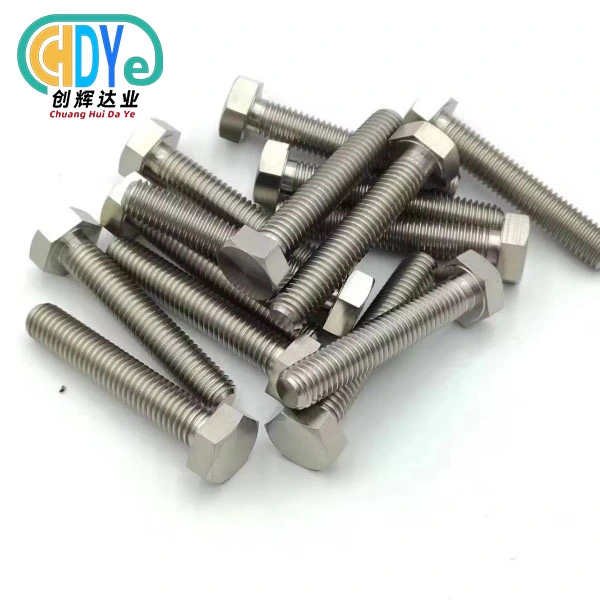
How Titanium Fasteners Are Manufactured and Graded
Production Methods and Quality Control
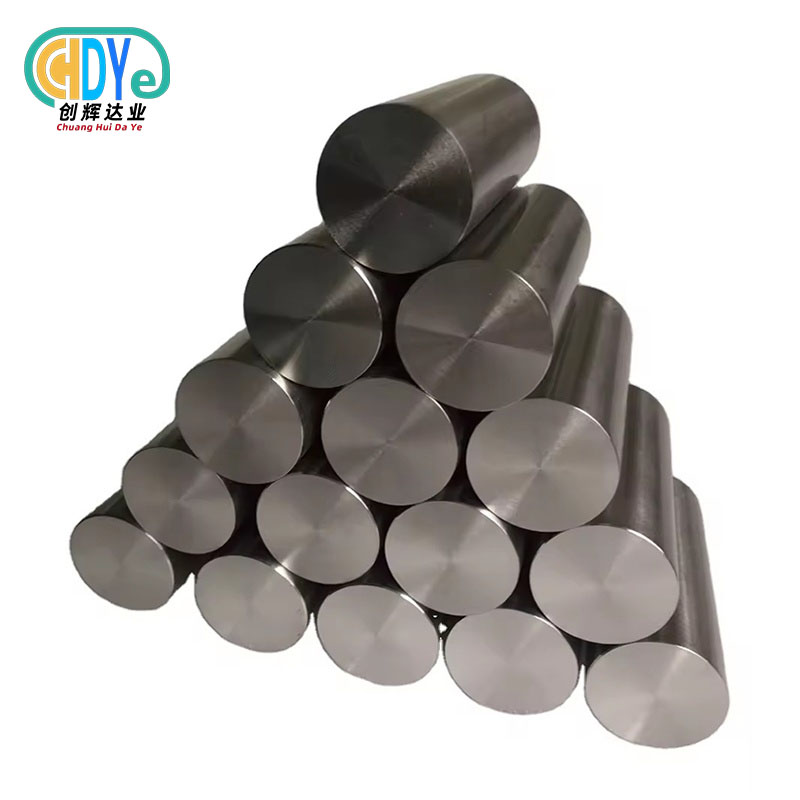
The process starts with titanium rods or bar stock that meet the requirements of ASTM B348. To meet the limits set by DIN 912, ISO 4762, and GB standards for size, we use precise cutting methods such as CNC turning and thread rolling. Using cold heading to improve the structure of the grains makes the material more resistant to fatigue, and controlled heat treatment cycles make it harder without making it less flexible. Our factory in Baoji, China's Titanium Capital, has electron beam melting to make sure that the alloy is uniform, vacuum annealing furnaces to relieve stress, and ultrasonic inspection equipment to find flaws below the surface before shipping. Quality assurance is more than just checking the sizes. Tensile tests are done on each production batch according to ASTM F467/F468 to make sure that the minimum yield and ultimate strengths are met. Spectroscopic analysis checks the chemical makeup to make sure the grade requirements for oxygen and iron content are met, which affects the resistance to corrosion. Measuring the surface finish ensures the quality of the thread engagement, while magnetic particle screening (for ferritic contamination) and dye penetrant tests find breaks in the surface. Every shipment comes with traceability paperwork that connects finished fasteners to certifications for raw materials and process parameters. This is needed for medical and aerospace uses.
Understanding Titanium Grades
Grade 2 (Commercially Pure Titanium): This grade is completely pure titanium and is perfect for chemical processing equipment and naval gear because it doesn't rust and can be shaped easily. With a tensile strength of about 345 MPa, it works well in moderate-stress situations where resistance to environmental forces is more important than mechanical demands. Because it is cheaper and easier to weld than alloys, the material is a good choice for buying in large quantities for valve assemblies, pump housings, and desalination systems. Grade 5 (Ti-6Al-4V): This is the most common titanium alloy. It has a tensile strength of over 895 MPa, which is close to the performance of high-strength steel. It is made up of 6% aluminum and 4% vanadium. The ability to heat treat lets you change the mechanical qualities, and the solution-treated and aged (STA) conditions can hit 1100 MPa. This grade is used for aerospace fasteners, racing suspension parts, and high-pressure hydraulic systems because it is stronger than steel, doesn't rust, and is 40% lighter. Grade 1 (Ultra-Pure Titanium): This grade is used for deep-drawn parts and medical implants where the highest flexibility and lowest oxygen level are needed. Even though it's not used as much in standard fasteners, its high resistance to corrosion and biocompatibility make it ideal for custom low-stress applications. When choosing between grades, you have to weigh the technical needs against the amount of corrosion and the funds you have. Grade 2 is the standard for most industrial uses, while Grade 5 is only used for high-performance needs.
Certification Standards and Compliance
While ISO 9001:2015 certification shows that quality management is systematic, the production of titanium fasteners is governed by different rules. ASTM F468 lists the material properties that aerospace-grade parts must have. These properties include proof load tests and hardness verification. European Standards EN 2235 and EN 3531 set the rules for aircraft use and require non-destructive testing and lot tracking. Along with dimensional codes (DIN, ISO, GB), procurement specifications should clearly list these standards to make sure that suppliers understand what performance levels are expected that go beyond simple geometry.
Selecting Titanium Fasteners for Your Industry Needs
Aerospace and Defense Applications
Aviation regulators have strict requirements for testing and keeping track of materials, which get rid of suppliers who aren't certified. Aerospace bolts have to be able to handle vibration stress from millions of load cycles, temperature changes from working on the ground to flying at high altitudes, and the possibility of being exposed to hydraulic fluids, jet fuel, and chemicals used to melt ice. The Federal Aviation Administration (FAA) wants material certifications that can be linked to mill test reports and have heat lot numbers written on the parts or on the paperwork that goes with them. These standards can be met by our Grade 5 fasteners, which come with certified test results that show their chemical makeup, tensile strength, and hardness.
Marine and Offshore Environments
When different metals touch, saltwater speeds up galvanic corrosion. This is why titanium's nobility (like platinum's) is useful in groups made of more than one material. Titanium is used by makers of subsea equipment for riser connections, manifold systems, and structures for remotely operated vehicles (ROVs) that work at depths where pressure makes corrosion more likely. More and more boat builders are using titanium for keel bolts, propeller shaft hardware, and rigging parts because it doesn't need as much maintenance as bronze or stainless steel. The material's performance in still waters is unmatched. This is because steel rusts in crevices when oxygen levels drop, which means that upkeep can be put off for decades instead of months.
Chemical Processing and Industrial Equipment
Fasteners are exposed to acids, alkalis, and oxidizing chemicals that quickly break down carbon steel in refineries, pharmaceutical production lines, and electroplating plants. Other metals that don't rust, like Hastelloy and tantalum, cost 2–5 times as much as titanium. Grade 2 titanium is a cost-effective way to protect against rust in treated water systems, nitric acid storage tanks, and equipment used to make bleach. Because it doesn't crack easily when exposed to chloride, the material can be used in hot brine and geothermal settings where austenitic stainless steels might fail without warning.
Cost-Benefit Analysis and Performance Trade-offs
Titanium fasteners are usually 5–10 times more expensive than stainless steel parts that are the same size and shape. This can be shocking for procurement teams that are trying to keep costs down right now. According to lifecycle analysis, the economics are different: a chemical plant that replaces corroded steel bolts every year spends more on labor, downtime, and new purchases than it does on titanium parts that last 20 years or more. In transportation applications, reducing weight directly lowers fuel consumption. For example, aerospace operators estimate that removing one kilogram from an aircraft saves about $3,000 in fuel costs over the life of the equipment. Reducing the unsprung weight in suspension systems is said to improve racing teams' performance, which is why they can charge more for them.
How to Choose a Reliable Titanium Fasteners Supplier
Evaluating Manufacturing Capabilities and Certifications
Which supplier you choose affects whether the fixings meet your needs or become a legal risk. Check to see if the manufacturers still have ISO 9001:2015 certification as proof of good quality management. If necessary, ask for facility audit records or third-party inspection papers that show the building meets the standards for aerospace (AS9100), medicine (ISO 13485), or pressure equipment (PED). Our factory in Shaanxi Province has electron beam furnaces for making alloys, CNC machining centers for precise manufacturing, and specialized inspection labs. These are the kinds of capabilities that set integrated makers apart from trading companies that rely on subcontractors.
Custom Capabilities and Technical Support
Standard catalog sizes (M2 to M25 in metric, #2-56 to 1-inch in imperial) work for many tasks, but for unique jobs, you may need custom sizes, head styles, or thread setups. Check with providers to see if they offer technical help to make sure that the fasteners are designed to work best with certain loads, materials, and assembly methods. We offer custom machining services for non-standard lengths, unique head geometries, and proprietary thread forms. Our services include technical advice on choosing the right grade and surface treatments. Rapid prototyping, which can make small samples in two to three weeks, speeds up the product development process compared to suppliers who need eight to twelve weeks to make custom tools.
Supply Chain Reliability and Global Reach
Shipping takes less time and costs less when goods are close together, but production of specialized materials like titanium is limited to a few regions. About 60% of the world's titanium sponge comes from the Baoji district in China. This gives the district advantages in terms of raw materials, which means that prices are low and supplies are reliable. Check the wholesalers' stock levels for common parts; this usually shows how stable their finances are and how committed they are to keeping stock. Documentation needs to be correct if you've shipped goods internationally before. If Harmonized System (HS) codes are wrong or material certifications are missing, customs delays happen that throw off production plans.
After-Sales Service and Quality Resolution
Even with strict quality control, there are bound to be some problems in the manufacturing process. Respondent suppliers take responsibility for problems right away and fix them instead of avoiding responsibility. Before placing a big order, read over the steps for handling complaints, the terms of the guarantee, and the return merchandise authorization (RMA) process. Within 48 hours of being reported, our quality team looks into the problems, figuring out what went wrong and making changes to the process to stop them from happening again. Professional makers are responsible, while vendors who put sales volume over customer happiness are not.
Making Your Purchase: Procurement Tips and Best Practices
Requesting Quotes and Comparing Suppliers
Request for quote (RFQ) papers that are very clear get rid of the confusion that leads to price differences. Make it clear what kind of material you want (Grade 2 vs. Grade 5), what standards apply (ASTM, DIN, ISO), what certifications are needed (mill test reports, conformance certificates), how you want the surface to look, and how you'd like it packaged. Include your annual volume projections and delivery schedule expectations. This is important because quantity commitments can unlock discounts of 10–25% on large orders. Before committing to production quantities, you can ask for sample parts to be sent for dimensional verification and metallurgical testing. Reliable suppliers will gladly do this when providing titanium fasteners for your projects.
Negotiating Terms and Managing Lead Times
Standard wait times for fasteners vary from 4 to 6 weeks for standard sizes to 8 to 12 weeks for custom configurations. This depends on the supply of raw materials and the length of the production line. When you use blanket purchase orders with scheduled releases, you can get better prices and still have a lot of inventory flexibility. Negotiate payment terms that are based on the size of the order and the length of the relationship. For example, established customers can often get net-30 or net-60 terms, while new accounts need a letter of credit. When project delays make delivery necessary quickly, expedite fees (15–25% premiums) are paid. However, planning ahead can help you avoid these extra costs.
Quality Verification Upon Receipt
Incoming inspection protocols keep specifications from being broken, which could damage the integrity of the assembly. A visual inspection finds obvious flaws like broken threads or dirt on the surface. Using calibrated gauges to check the measurements proves the thread pitch, head size, and length tolerances. Check the paperwork that comes with the item for certifications, test reports, and markings that allow it to be tracked. Statistical sampling, based on the acceptance quality limits set by ANSI/ASQC Z1.4, balances the cost of inspections against the amount of risk that can be accepted. For example, 100% inspection may be necessary for critical aerospace applications, but sampling plans can be used for industrial projects. Keep track of non-conformances with pictures and measures to back up calls for corrective action from suppliers.
Building Long-Term Supplier Relationships
Trust that goes beyond individual deals is built by consistent quality and reliable service. When suppliers prioritize repeat customers, they keep extra inventory on hand in case of material shortages and can handle rush orders without charging too much extra. To build collaborative partnerships, give performance feedback, such as praise for great service and helpful suggestions for how to make things better. Think about source reduction strategies that help you buy from fewer, better-equipped partners, getting better prices and more personalized account management as a result.
Conclusion
Getting titanium fasteners requires more scientific knowledge than buying regular tools. Choosing the right material grade affects both performance and cost. For example, Grade 2 offers good rust protection at a low cost, while Grade 5 is as strong as hardened steel. Parts that meet important requirements in the aerospace, marine, chemical, and medical industries are made with high-quality manufacturing that can be proven by certifications, testing protocols, and traceability documentation. When evaluating a supplier, you should look at more than just price. You should also look at their technical skills, unique machining services, and long-term dependability. The right way to buy something is to weigh the initial investment against the overall costs over its lifetime. This is because titanium's strength and resistance to corrosion often make the higher price worth it by saving money on maintenance costs and increasing the product's useful life. Using the selection criteria and best practices described here, purchasing teams can find fastener solutions that improve operational reliability while keeping the total cost of ownership low.
FAQ
Q: How much do titanium fasteners cost compared to stainless steel alternatives?
A: Titanium parts are usually 5–10 times more expensive per piece than fasteners made of 316 stainless steel. A Grade 2 titanium M8 bolt could cost $3 to $5, while a stainless steel one costs only $0.50. However, lifecycle analysis changes the situation in a big way. In places where stainless steel hardware needs to be replaced every year because of corrosion, titanium's 20-year or longer service life lowers total costs below stainless steel options when labor, downtime, and repeat purchases are taken into account. Premiums are worth it in weight-critical situations where fuel savings or speed gains are worth many times the difference in fastener cost.
Q: Can titanium fasteners handle high-temperature applications effectively?
A: Up to 500°F (260°C), grade 5 titanium keeps its mechanical properties. This makes it a good choice for exhaust systems, turbine parts, and thermal processing equipment that works in this temperature range. Titanium starts to oxidize quickly after reaching 600°F if no protective coatings are used. For uses above this level, nickel superalloys or ceramic screws may be needed instead. Titanium keeps its good cryogenic performance down to -320°F, where it doesn't weaken like some steel grades do. This makes it perfect for LNG equipment and aerospace fuel systems.
Q: What minimum order quantities should buyers expect when sourcing titanium fasteners?
A: For standard catalog sizes, the minimum order quantity is usually between 100 and 500 pieces, which is to cover the costs of setting up the machining operations. For custom configurations, the minimum number of pieces needed to justify investing in tools is usually between 500 and 1,000. Sometimes, research schools and prototype projects can get lower amounts at higher prices per unit. Suppliers who keep common sizes (M6, M8, M10 in common lengths) in stock may be able to fill orders as small as 25 to 50 pieces without charging too much extra.
Source Titanium Fasteners from a Trusted Supplier
Precision titanium fasteners in Grades 1, 2, and 5 are made by Shaanxi Chuanghui Daye Metal Material Co., Ltd. for the aircraft, marine, chemical processing, and medical device businesses around the world. Our ISO 9001:2015-certified facility in Baoji, China's Titanium Capital, combines more than 30 years of experience working with rare metals with cutting-edge equipment and strict quality control. We have standard parts from M2 to M25, as well as custom solutions made to your exact needs. All of our parts come with full traceability documentation and material certifications that meet ASTM, ISO, DIN, and GB standards. Whether you need a few samples or a lot of them, our expert team can help you choose the right grade, make sure your design works best, and get them at a price that's better than buying directly from the plant. Get in touch with us at info@chdymetal.com to talk about your needs with a titanium fasteners manufacturer that cares about quality, dependability, and quick service. You can look at all of our products at www.chdymetal.com and ask for full technical specs for your next project.
References
1. Boyer, R., Welsch, G., & Collings, E.W. (1994). Materials Properties Handbook: Titanium Alloys. ASM International, Materials Park, Ohio.
2. Lutjering, G. & Williams, J.C. (2007). Engineering Materials and Processes: Titanium (2nd Edition). Springer-Verlag, Berlin.
3. Schutz, R.W. & Thomas, D.E. (1987). "Corrosion of Titanium and Titanium Alloys." ASM Handbook, Volume 13: Corrosion, ASM International, pp. 669-706.
4. ASTM International. (2021). ASTM F467/F467M-21: Standard Specification for Nonferrous Nuts for General Use. West Conshohocken, Pennsylvania.
5. Donachie, M.J. (2000). Titanium: A Technical Guide (2nd Edition). ASM International, Materials Park, Ohio.
6. Peters, M., Kumpfert, J., Ward, C.H., & Leyens, C. (2003). "Titanium Alloys for Aerospace Applications." Advanced Engineering Materials, Volume 5, Issue 6, pp. 419-427.

Learn about our latest products and discounts through SMS or email