- English
- French
- German
- Portuguese
- Spanish
- Russian
- Japanese
- Korean
- Arabic
- Greek
- German
- Turkish
- Italian
- Danish
- Romanian
- Indonesian
- Czech
- Afrikaans
- Swedish
- Polish
- Basque
- Catalan
- Esperanto
- Hindi
- Lao
- Albanian
- Amharic
- Armenian
- Azerbaijani
- Belarusian
- Bengali
- Bosnian
- Bulgarian
- Cebuano
- Chichewa
- Corsican
- Croatian
- Dutch
- Estonian
- Filipino
- Finnish
- Frisian
- Galician
- Georgian
- Gujarati
- Haitian
- Hausa
- Hawaiian
- Hebrew
- Hmong
- Hungarian
- Icelandic
- Igbo
- Javanese
- Kannada
- Kazakh
- Khmer
- Kurdish
- Kyrgyz
- Latin
- Latvian
- Lithuanian
- Luxembou..
- Macedonian
- Malagasy
- Malay
- Malayalam
- Maltese
- Maori
- Marathi
- Mongolian
- Burmese
- Nepali
- Norwegian
- Pashto
- Persian
- Punjabi
- Serbian
- Sesotho
- Sinhala
- Slovak
- Slovenian
- Somali
- Samoan
- Scots Gaelic
- Shona
- Sindhi
- Sundanese
- Swahili
- Tajik
- Tamil
- Telugu
- Thai
- Ukrainian
- Urdu
- Uzbek
- Vietnamese
- Welsh
- Xhosa
- Yiddish
- Yoruba
- Zulu
What Are the Key Properties of Titanium Alloy Sheet?
Titanium alloy sheet represents one of the most advanced metallic materials available in modern manufacturing, combining exceptional strength-to-weight ratios with outstanding corrosion resistance. These specialized sheets consist of titanium enriched with specific alloying elements like aluminum and vanadium, creating materials that excel in demanding environments where conventional metals fail. The key properties include superior tensile strength ranging from 895 to 1100 MPa, remarkable corrosion immunity, biocompatibility for medical applications, and thermal stability up to 400°C, making them indispensable for aerospace, medical, chemical processing, and defense industries worldwide.
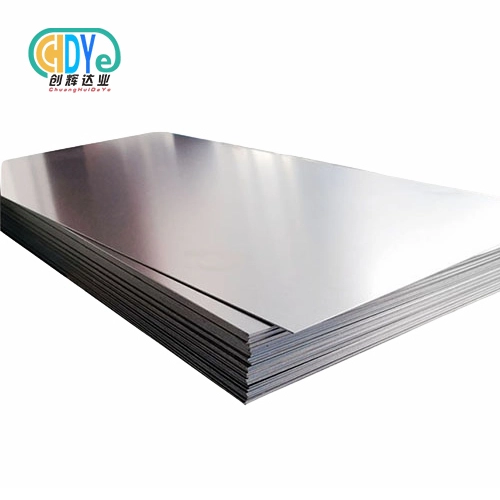
Understanding Titanium Alloy Sheet: Composition and Grades
It is important for procurement workers to understand the composition and grading system of titanium alloys so they can choose materials that meet the needs of a particular application. How well these materials work in different industrial settings depends on how they are structured at their core.
Essential Composition Elements
Titanium alloys have special qualities that come from a carefully controlled chemical makeup that keeps the balance of many alloying elements. As an alpha stabilizer, aluminum is added to the base titanium matrix. In Grade 5 uses, aluminum makes up about 6% of the total weight. At a concentration of about 4%, vanadium acts as a beta stabilizer, making the normal Ti-6Al-4V makeup. These elements work together to improve the mechanical qualities while keeping the pure titanium's natural resistance to rust. Trace elements like iron, oxygen, and nitrogen are also carefully controlled to keep the material from breaking and to make sure that all manufacturing batches work the same.
Industry-Standard Grades and Their Applications
In the titanium business, there are a few common grades, and each one is made to meet certain performance needs and work in certain settings.
Grade 2 titanium is a commercially pure material that is easy to shape and has a middling level of strength. This grade has tensile strengths of about 345 MPa, which makes it perfect for chemical processing equipment that needs to be resistant to rust more than it needs to be strong. Because it is so flexible, it can be formed in complicated ways without having to be heated.
The most common titanium metal is Grade 5 (Ti-6Al-4V), which has compressive strengths of more than 895 MPa when it is annealed. This alpha-beta metal structure strikes the best mix between strength, flexibility, and resistance to wear and tear. A lot of structural parts used in aerospace are made from this type, which can handle high-stress loads.
Grade 9 (Ti-3Al-2.5V) is in the middle of the range in terms of strength, and it can be cold-formed better than Grade 5. This mix is especially useful in situations where modest strength gains over commercially pure grades are needed while still needing excellent corrosion resistance.
These differences in grades let engineers choose materials that exactly meet the needs of an application. This improves both performance and cost-effectiveness in manufacturing.
Manufacturing Processes and Quality Standards
Advanced manufacturing methods make sure that all titanium alloy sheet production is of the same quality and works the same way. Vacuum arc remelting makes ingot structures that are uniform and free of contamination. Hot rolling and cold rolling follow to create the final thickness specs and surface finishes. Microstructures are made better for certain mechanical property goals through rounds of heat treatment, such as solution treating and aging. Following quality control procedures based on ASTM B265 and AMS 4911 standards ensures that materials can be tracked and that performance is consistent throughout the supply chain.
Key Physical and Mechanical Properties of Titanium Alloy Sheets
Titanium alloy sheet is better in uses requiring excellent performance under difficult conditions due to its physical and mechanical properties. These qualities give the material strong benefits that support material choice decisions in many different industries.
Density and Strength Characteristics
Titanium alloys have amazing strength-to-weight ratios because of the way their crystal structure and alloying elements interact with each other. These materials have a mass of about 4.43 g/cm³, which means they are 45% lighter than steel while still being as strong as or stronger than steel. The specific strength advantage is especially important in aircraft uses where less weight directly means better fuel economy and payload capacity.
The ultimate tensile strength numbers are very different depending on the metal and how it was heated. When solution-treated and aged, Grade 5 titanium can reach tensile strengths of more than 1100 MPa, which is higher than many high-strength steel alloys. Yield strengths are usually between 828 and 1000 MPa, which gives engineers a lot of room to work with when designing structures. The modulus of elasticity stays around 110–114 GPa for most grades, which makes it easy to predict how the material will bend when it is used in engineering studies.
Corrosion Resistance and Environmental Durability
Titanium alloys are very resistant to corrosion because they can form steady, adhering oxide films that protect the metal below from damage from the environment. When this passive layer gets broken, it heals itself instantly, protecting against corrosion in the air, contact with seawater, and many industrial chemicals.
This resistance to rust is especially useful in the chemical processing industries, which work with chloride-containing solutions, organic acids, and oxidizing conditions that break down stainless steels quickly. The material has a nearly endless useful life in salt water, so you don't have to worry about the galvanic rusting that can happen with aluminum alloys. Even at high temperatures of up to 400°C, the safety of the oxide film stops oxidation and keeps the structure whole.
Thermal and Electrical Properties
Titanium alloy sheet can be used in high-temperature settings where steel parts expand too much, and aluminum alloys lose their power. The thermal expansion coefficient of about 8.6 x 10⁻⁶/°C is similar to that of many ceramics and composites, which lowers thermal stress in systems made of more than one material.
Controlled heating and cooling processes make it possible to improve mechanical properties through heat treatment response. Solution treatment at temperatures around 955°C breaks down beta-phase components. Aging at 540°C then forms strengthening phases that improve the material's yield strength and wear resistance. With these heat processing options, properties can be developed in a way that fits the needs of a particular application.
Titanium Alloy Sheet vs. Other Metals: A Comparative Analysis
When choosing an engineering material, it's important to look at its performance, its total costs, and how well it works with other materials. Titanium alloys are one of a kind among structural metals because they have properties that aren't found in other materials.
Weight and Strength Comparisons
When comparing the strength-to-weight ratios of popular industrial materials, comparative analysis is a big help. Even though aluminum alloys are very light (2.7 g/cm³), their tensile strengths are usually less than 500 MPa in high-strength mixes. Stainless steels are very good at resisting rust, but they are less dense than other metals, so they can't be used in uses that require lightness.
Although carbon steels are very strong, they are easily corroded and need to be protected with coatings or cathodic protection systems. These upkeep needs raise the costs over the lifecycle and add new ways for important applications to fail. Titanium alloys get rid of these worries while still being strong enough to be used in place of high-grade steels at much lower weights.
Cost-Benefit Analysis
Titanium alloys cost more than other metals to make at first because they need to be extracted and processed using a lot of energy. But when upkeep, replacement, and practical cost factors are taken into account, lifecycle value estimates often choose titanium. Getting rid of the need for protective coatings lowers both the cost of installation and the cost of ongoing upkeep.
When used in transportation, reducing weight saves fuel, and these savings add up over the life of the system. Studies in the aerospace business show that replacing titanium parts with cheaper ones pays for itself in less than five years, when the savings in fuel costs are added to the higher cost of the new parts. Similar economic reasons can be used in marine uses, where lighter hulls save fuel and make more room for goods.
Performance in Extreme Environments
Environmental performance testing shows that titanium is better than other materials in tough working situations where other materials break down quickly. When tested with salt spray, it shows endless strength compared to steel's general corrosion and aluminum's pitting corrosion in marine environments.
High-temperature uses show that titanium stays strong at high temperatures, while aluminum metals lose their ability to hold things together. Titanium stays flexible at very low temperatures, which is useful in cryogenic uses because it doesn't break easily, as some steel grades do. These hard environment features make it easier to create things and increase safety in serious situations.
Practical Advantages and Applications of Titanium Alloy Sheets
Applications in the real world show how the qualities of the titanium alloy sheet can be used to make many different types of industries better. Knowing these useful benefits helps with choosing the right materials and planning how to get them so that the project turns out well.
Aerospace and Defense Applications
A lot of structural parts in the aerospace business are made of titanium alloys. Reducing weight has a direct effect on fuel economy and performance. Titanium's fatigue resistance and damage tolerance allow airframe skin panels to survive repeated rounds of pressurization over the course of an aircraft's service life. The engine firewall uses qualities like thermal stability and flame resistance to keep important systems safe in an emergency.
Titanium's better radar signature and ballistic protection make it useful in military uses. It can absorb more energy than steel does at the same weight, which is useful for armor plate use. Corrosion resistance is used in naval applications for hull parts and power systems that work in harsh seawater conditions.
Medical and Biomedical Industries
Titanium metals are the best material for making surgical implants and other medical devices because they are biocompatible. The material's elastic stiffness makes it compatible with human bone, which lowers the stress buffering effects that can cause implants to come loose. Because it isn't magnetic, it can be used with magnetic resonance imaging equipment without worrying about crosstalk.
Titanium's osseointegration properties are shown off in dental implants, which allow direct bone connection without the growth of fibrous tissue. Surgical instruments are made better when they don't rust during cleaning processes and don't react chemically with disinfecting solutions. For these medical uses, strict quality control and paperwork that shows where the product came from are needed all along the supply chain.
Chemical Processing and Industrial Equipment
For equipment that works with acidic substances that quickly wear down other materials, chemical processing businesses use a titanium alloy sheet. Titanium is used to make heat exchangers because it is good at conducting heat and doesn't rust. This makes it useful for working with acidic solutions and high temperatures. Stable materials are good for building reactor vessels because they don't break down when pressure and temperature change.
Applications in desalination plants use the fact that saltwater doesn't rust to get longer service life without having to do any upkeep. Titanium parts make it safe for tools in the pulp and paper business to handle chlorine dioxide and other harsh chemicals. These industrial uses support the cost of materials by cutting down on downtime and upkeep costs.
Procurement Considerations for Titanium Alloy Sheets
To strategically buy titanium alloy products, you need to know how the supply chain works, what the quality standards are, and what the suppliers can do to make sure the project goes well and costs are kept as low as possible.
Supplier Selection and Quality Assurance
It's important to choose qualified providers to make sure that the materials are real and that they work consistently. Established makers in places like Baoji, China, have access to specialized facilities and technical know-how that they've gained over many years of handling titanium. Quality management systems that meet ISO 9001:2015 standards give customers trust in the manufacturing process and make it easy to track back to the source.
Material approvals that follow the rules in ASTM B265 make sure that the chemistry make-up and mechanical properties are correct. Test papers that show the tensile strength, yield strength, and elongation numbers make it possible for quality assurance and design verification processes to work. Ultrasonic testing can find flaws inside parts that could make them less reliable in service use.
Delivery and Inventory Management
When planning lead times, the special manufacturing steps needed to make titanium metal are taken into account. Most of the time, vacuum melting, forging, and rolling take 8 to 12 weeks for unique sizes and specs. Standard sizes may be in stock at the supplier, and shipping times may be faster.
The smallest amounts that can be ordered are the ones that are needed to make rolling and heat treating economically. If you need a certain width, you may have to run separate rolling campaigns that require larger minimum orders and longer wait times. Strategies for managing inventory combine the costs of keeping things on hand with the need to be available so that production schedules can be flexible.
Technical Support and Processing Services
Value-added processing services improve ties with suppliers and project efficiency. Custom cutting, surface finishing, and shaping cut down on extra work and quality risks. Having technical support helps with choosing materials, designing applications, and fixing problems throughout the lifetime of a project.
Chuanghui Daye has over 30 years of experience in the rare metal business and can offer a wide range of professional advice. The company is in Baoji's specialized titanium processing cluster, which gives it direct access to high-tech production tools like electron beam melting, precise rolling, and quality testing equipment.
Conclusion
The key properties of titanium alloy sheet establish these materials as premium solutions for applications demanding exceptional performance characteristics. The combination of high strength-to-weight ratio, superior corrosion resistance, biocompatibility, and thermal stability creates compelling advantages across aerospace, medical, chemical processing, and defense industries. Understanding composition differences between grades enables precise material selection that optimizes both performance and cost-effectiveness. While initial material costs exceed conventional alternatives, lifecycle value assessments demonstrate economic justification through reduced maintenance, extended service life, and operational benefits. Successful procurement requires partnering with qualified suppliers who provide consistent quality, technical support, and reliable delivery performance.
FAQ
Q: What distinguishes Grade 5 from Grade 2 titanium alloy compositions?
A: Grade 2 represents commercially pure titanium with excellent corrosion resistance and moderate strength around 345 MPa. Grade 5 (Ti-6Al-4V) incorporates 6% aluminum and 4% vanadium alloying elements, achieving tensile strengths exceeding 895 MPa while maintaining corrosion immunity. The alloying elements create alpha-beta microstructures that provide superior mechanical properties for structural applications.
Q: How does heat treatment affect titanium alloy sheet properties?
A: Heat treatment significantly enhances mechanical properties through microstructural optimization. Solution treating at 955°C dissolves beta phases, while aging at 540°C precipitates strengthening compounds. These thermal cycles can increase yield strength by 200–300 MPa compared to annealed conditions, improving fatigue resistance and load-bearing capabilities for demanding applications.
Q: Can titanium alloy sheets be welded to dissimilar metals?
A: Direct welding of titanium to steel or aluminum creates brittle intermetallic compounds that cause immediate joint failure. Successful joining requires mechanical fastening, explosion bonding, or transition joint techniques. Titanium-to-titanium welding using inert gas shielding produces excellent joint properties matching base material strength.
Q: Why is ultrasonic testing mandatory for aerospace applications?
A: Ultrasonic testing finds flaws below the surface, such as hard alpha inclusions or gaps that could cause stress cracks when the material is loaded and unloaded over and over again. High-stress settings like those used in aerospace can make it easy for tiny flaws to spread quickly and cause catastrophic breakdowns. Non-destructive testing makes sure that structures stay strong over their entire working life.
Q: What surface treatments improve wear resistance?
A: Standard titanium sheets aren't very hard, which can cause galling and wear in rolling contact situations. Surface processes like nitriding, hard anodizing, and physical vapor deposition coatings make things much more resistant to wear. These processes make the top layers hard while keeping the corrosion protection and biocompatibility of the material below.
Partner with Chuanghui Daye for Premium Titanium Alloy Sheet Solutions
Shaanxi Chuanghui Daye stands as your trusted titanium alloy sheet supplier, combining three decades of rare metal expertise with advanced manufacturing capabilities in China's renowned Titanium Capital. Our ISO 9001:2015 certified facility delivers consistent quality through vacuum melting, precision rolling, and comprehensive testing protocols that meet ASTM B265 and AMS specifications. Whether you require Grade 2 for chemical processing or Grade 5 for aerospace applications, our technical team provides customized solutions with competitive factory-direct pricing and reliable global delivery. Contact us at info@chdymetal.com to discuss your specific requirements and discover how our titanium alloy sheet products can optimize your project performance and cost-effectiveness.
References
1. American Society for Testing and Materials. "Standard Specification for Titanium and Titanium Alloy Strip, Sheet, and Plate." ASTM B265-20a, 2020.
2. Boyer, Rodney, Gerhard Welsch, and E.W. Collings. "Materials Properties Handbook: Titanium Alloys." ASM International, 1994.
3. Donachie, Matthew J. "Titanium: A Technical Guide, 2nd Edition." ASM International, 2000.
4. Lutjering, Gerd and James C. Williams. "Titanium: Engineering Materials and Processes, 2nd Edition." Springer-Verlag Berlin Heidelberg, 2007.
5. Peters, Manfred, Joachim Kumpfert, Christoph Ward und Christoph Leyens. "Titanium Alloys for Aerospace Applications." Advanced Engineering Materials, Vol. 5, No. 6, 2003.
6. Welsch, Gerhard, Rodney Boyer, and E.W. Collings. "Materials Properties Handbook: Titanium Alloys - Processing and Applications." ASM International Materials Park, 1993.
Learn about our latest products and discounts through SMS or email