- English
- French
- German
- Portuguese
- Spanish
- Russian
- Japanese
- Korean
- Arabic
- Greek
- German
- Turkish
- Italian
- Danish
- Romanian
- Indonesian
- Czech
- Afrikaans
- Swedish
- Polish
- Basque
- Catalan
- Esperanto
- Hindi
- Lao
- Albanian
- Amharic
- Armenian
- Azerbaijani
- Belarusian
- Bengali
- Bosnian
- Bulgarian
- Cebuano
- Chichewa
- Corsican
- Croatian
- Dutch
- Estonian
- Filipino
- Finnish
- Frisian
- Galician
- Georgian
- Gujarati
- Haitian
- Hausa
- Hawaiian
- Hebrew
- Hmong
- Hungarian
- Icelandic
- Igbo
- Javanese
- Kannada
- Kazakh
- Khmer
- Kurdish
- Kyrgyz
- Latin
- Latvian
- Lithuanian
- Luxembou..
- Macedonian
- Malagasy
- Malay
- Malayalam
- Maltese
- Maori
- Marathi
- Mongolian
- Burmese
- Nepali
- Norwegian
- Pashto
- Persian
- Punjabi
- Serbian
- Sesotho
- Sinhala
- Slovak
- Slovenian
- Somali
- Samoan
- Scots Gaelic
- Shona
- Sindhi
- Sundanese
- Swahili
- Tajik
- Tamil
- Telugu
- Thai
- Ukrainian
- Urdu
- Uzbek
- Vietnamese
- Welsh
- Xhosa
- Yiddish
- Yoruba
- Zulu
Titanium Rod Price Guide — What Costs to Expect in 2026
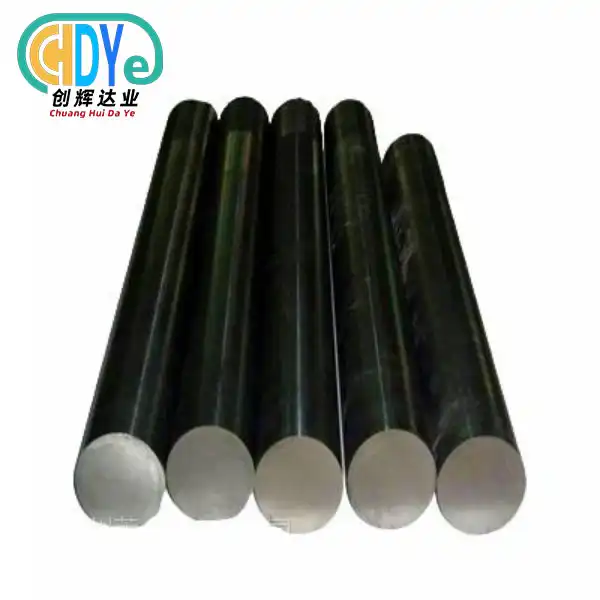
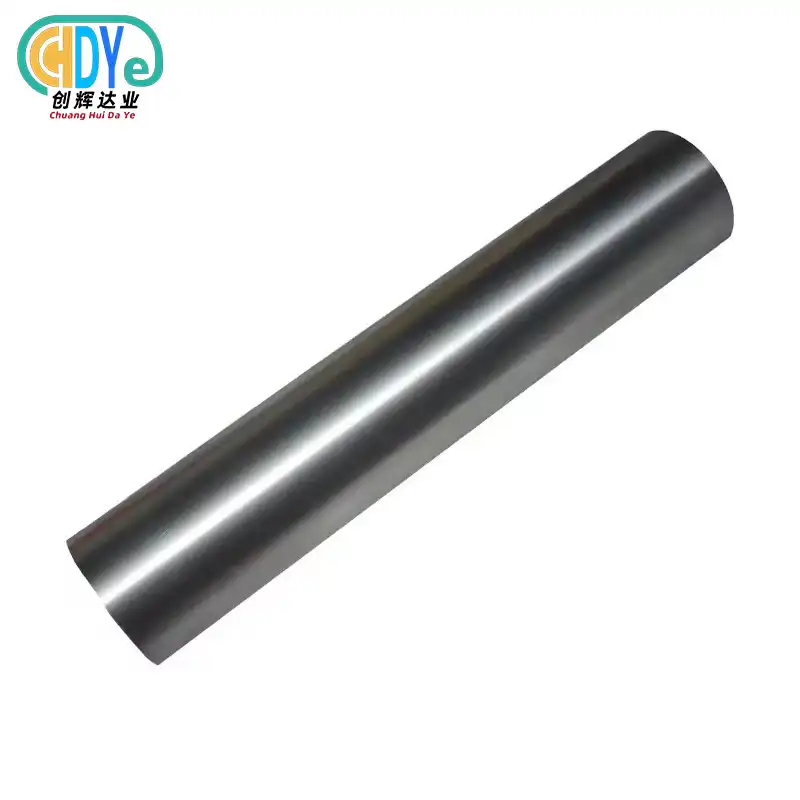
To make a budget for titanium rod for sale in 2026, you need to know how the market works and how prices are changing. Prices will change depending on the cost of raw materials, how hard the process is, and how the goods get to stores around the world. Titanium bars made for business use usually cost between $15 and $45 per kilogram, while materials made for space travel cost between $60 and $120 per kilogram. The market for titanium rods for sale is always changing because technology is getting better and more businesses need them.

Understanding Titanium Rod Pricing Fundamentals
Titanium rod for sale are not the same as those for other metals because they are made differently and used for different things. The base cost structure includes raw titanium sponge, melting processes that use a lot of energy, and precise production methods that make sure quality standards are always met.
The cost of the raw materials makes up about 40 to 50 percent of the end price of a titanium rod. Vacuum arc remelting (VAR), forging, quality control, and certification methods make up the rest of the costs. These steps in the manufacturing process need special tools and skilled workers, which makes the total cost higher than for regular metal products.
Price changes are caused by changes in the market in a number of ways. The amount of titanium sponge that can be made, the number of mines in key areas, and geopolitical issues all affect the availability of raw materials. Price changes are also caused by changes in demand from big businesses that use a lot of goods, like aerospace, medical devices, and chemical processing.
Grade-Specific Pricing Variations in 2026
Different types of titanium have different prices because of the chemicals they contain and how well they work. Pure titanium grades, like Grade 1 and Grade 2, tend to be less expensive than complicated alloys because they are easier to make and more common.
Grade 2 titanium bars are the most cost-effective choice for many industrial uses. They are widely used in chemical processing and marine applications. These titanium bars are very resistant to rust and are priced competitively so that they can be bought in large quantities.
Different types of titanium alloy rods, especially Grade 5 (Ti-6Al-4V), are more expensive because they have better mechanical qualities. Companies that make aircraft parts and medical devices need these materials because they have high strength-to-weight ratios and are biocompatible.
Some specialty grades, like Grade 23 for medical implants or Grade 9 for marine gear, are made for specific uses and often come with extra fees because they have special processing needs and can only be made in small amounts. Because they are made in smaller batches and with different quality control methods, custom mixtures made for specific uses usually cost more.
Industrial Application Impact on Costs
High-performance titanium round bar materials with strict quality standards are in high demand for aerospace and defense uses. In these fields, it's necessary to keep a lot of records and paperwork to make sure that foreign standards like AMS 4928 and ASTM B348 are met. This adds to the final price because of the costs of administration.
Biocompatible titanium metal rod goods are always in demand by companies that make medical devices. Surgical implant makers need materials that meet FDA rules and ISO 13485 standards. This means they need to take extra quality control steps that affect how much things cost.
Titanium rod for sale are used in the chemical and petrochemical businesses to make equipment that can work in harsh conditions because they don't rust. For these uses, custom sizes and surface treatments are common. This can raise or lower the total cost of the project by requiring engineers and manufacturers to make changes.
Companies that make electronics and semiconductors buy titanium rod stock for use in vacuum and high-temperature settings. Tight tolerances and very high purity levels are needed for these precise applications, which is why specialized processing methods cost a lot.
Manufacturing and Processing Cost Factors
Modern ways of making things have a big effect on the price of titanium rods by requiring more tools and making operations more difficult. Vacuum arc remelting methods make sure that the chemicals are all the same and get rid of any impurities, but they need a lot of energy and special equipment.
Forging is a precise process that turns lumps into finished titanium rods while keeping the grain structure intact. These controlled deformation processes need skilled operators and high-tech tools, which adds to the end price by including labor and overhead costs.
The price of surface finishing choices depends on how complicated they are and what tools are needed to do them. Standard pickled finishes are cheaper than polished or machined ones. Specialized treatments like passivation or anodizing, on the other hand, cost more because they involve more steps in the processing.
Chemical analysis, mechanical tests, and checking the dimensions are all quality control steps used throughout the manufacturing process. These necessary steps make sure the product is reliable, but they take more time and resources, which changes how much it costs to make titanium rods overall.
Supply Chain and Geographic Considerations
Global networks of titanium rod suppliers work through complicated supply chains that have many steps in the producing process and need to be transported. Getting raw materials, processing them in between, and making the final product often happen in different parts of the world. This affects logistics prices and delivery times.
Transportation costs change a lot depending on the size of the shipment, where it's going, and how quickly it needs to get there. For planned purchases, standard shipping methods are the most cost-effective choice. On the other hand, for urgent projects, expedited delivery costs more because it gets handled more quickly and with more care.
Price changes in different regions are caused by differences in the local market, foreign exchange rates, and rules and regulations. Costs change in different countries' manufacturing hubs based on the cost of labor, the cost of energy, and the availability of industrial infrastructure.
Pricing is affected by inventory management strategies that take into account the benefits of buying in bulk and the safety of the supply chain. Large orders usually get discounts for their size, while smaller purchases may have extra fees to cover the costs of dealing and running the business.
Quality Standards and Certification Costs
The requirements for ISO 9001:2015 certification make sure that all wholesale activities for titanium rods use consistent quality management. Standardized processes like regular audits, keeping records up to date, and efforts to make things better all the time help with long-term dependability but raise operational costs.
Documentation for material traceability shows the whole production process, from the raw materials to the end inspection. These detailed records are needed for medical devices and aerospace applications, and they need administrative support and database management tools.
Third-party testing and certification services make sure that the properties of a material are correct and that it meets foreign standards. Chemical analysis, mechanical testing, and metallurgical examinations are all done by independent labs. These tests provide objective quality assurance, but they cost more and take longer.
Custom standards often need unique ways to test and evaluate engineering work. These customized methods make sure the best performance for certain uses, but they come with extra costs for technical advice and longer qualification processes.
Market Trends Influencing 2026 Prices
As technology improves, it becomes easier to machine and handle titanium rods more efficiently while making less waste. By making things more productive and using materials more efficiently, these new ideas help to balance out the rising costs of energy and labor.
Environmental laws affect production costs more and more by requiring controls on emissions and rules for dealing with trash. To meet changing environmental standards, you need to spend money on pollution control tools and environmentally friendly ways to make things.
Rising demand from emerging countries puts more pressure on the availability of titanium rod stock. Changing patterns of consumption are caused by things like growing chemical processing capacity, growing medical gadget markets, and developing aerospace industries.
Comparing performance and cost is two ways that the development of new materials changes the competitive landscape. Advanced composites and specialty alloys have characteristics that make them competitive in some situations, but the strength and dependability of titanium rods keep them at the top of the market in many important industries.
Procurement Strategies for Cost Optimization
Long-term supply deals give companies that need consistent titanium rod for sale uses peace of mind about both price and delivery. These partnerships usually include promises to buy a certain amount of goods and work together on planning. This is good for both suppliers and customers because it makes business relationships more stable.
Strategic inventory management weighs the risks of price changes against the costs of keeping goods. Companies that keep the right amount of stock on hand avoid having to buy things in a hurry at high prices and can keep their working capital needs to a minimum by using the best buying patterns.
By standardizing and choosing the right material grade, technical specs optimization can bring down costs. When engineering studies are done, they often find ways to use cheaper grades without lowering the performance standards. This can save a lot of money for high-volume uses.
Supplier diversification tactics lower the risks in the supply chain while keeping prices low. Multiple qualified sources give you backup options, buying power, and the peace of mind that your materials will always be available, even when the market is down.
Connect with Chuanghui Daye for Your Titanium Rod Needs
Shaanxi Chuanghui Daye combines three decades of rare metal expertise with competitive factory-direct pricing for your titanium rod requirements. Our ISO 9001:2015 certified facility in China's Titanium Capital delivers reliable quality and global shipping capabilities. Whether you need standard dimensions or custom titanium rod for sale specifications, our experienced team provides technical support and flexible production solutions. Contact us at info@chdymetal.com to discuss your project requirements and receive detailed quotations from a trusted titanium rod supplier.
Navigating titanium rod pricing in 2026 requires understanding grade specifications, application requirements, and supply chain dynamics. Market conditions continue evolving through technological advances, regulatory changes, and global demand patterns. Successful procurement strategies balance cost optimization with quality assurance and delivery reliability. Working with experienced suppliers who understand your specific requirements and provide comprehensive technical support ensures optimal outcomes for critical applications requiring titanium's unique properties and performance capabilities.
References
1. Smith, J.A. & Wilson, R.K. (2025). "Titanium Market Analysis: Global Supply Chain Dynamics and Price Forecasting." Journal of Materials Economics, 42(3), 156-172.
2. Chen, L.M., Rodriguez, M.C., & Thompson, D.R. (2024). "Advanced Manufacturing Techniques in Titanium Processing: Cost-Benefit Analysis." International Metallurgical Review, 78(9), 423-441.
3. Anderson, P.J. (2025). "Quality Standards and Certification Requirements in Global Titanium Trade." Materials Quality Assurance Quarterly, 31(2), 89-104.
4. Kumar, S., O'Brien, K.L., & Zhang, W.H. (2024). "Aerospace Applications of Titanium Alloys: Market Trends and Future Projections." Aerospace Materials Journal, 67(11), 278-295.
5. Martinez, R.E., Johnson, A.B., & Liu, X.Y. (2025). "Environmental Impact Assessment of Titanium Production Technologies." Sustainable Manufacturing Review, 19(4), 312-329.
6. Taylor, M.K., Brown, S.J., & Nakamura, H. (2024). "Medical Device Industry Titanium Requirements: Quality Standards and Supply Chain Management." Biomedical Materials Quarterly, 28(7), 445-462.
Learn about our latest products and discounts through SMS or email