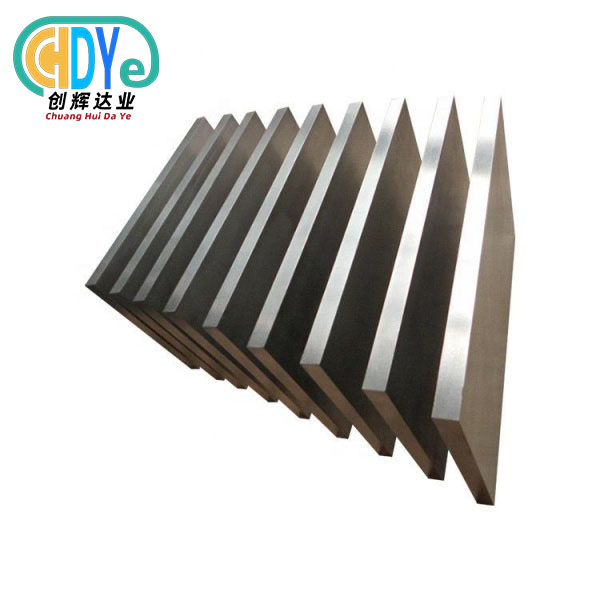
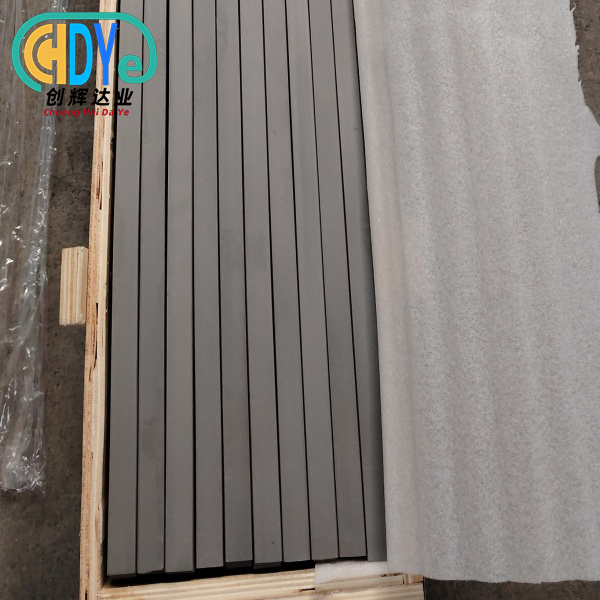
Grade 5 titanium alloy sheet, also known as Ti-6Al-4V, delivers exceptional performance in marine environments through its superior corrosion resistance, high strength-to-weight ratio, and remarkable durability. This aerospace-grade material withstands harsh saltwater conditions while maintaining structural integrity, making it the preferred choice for marine vessel components, offshore platforms, and underwater equipment. Its biocompatible properties and excellent fatigue resistance ensure long-term reliability in demanding oceanic applications.
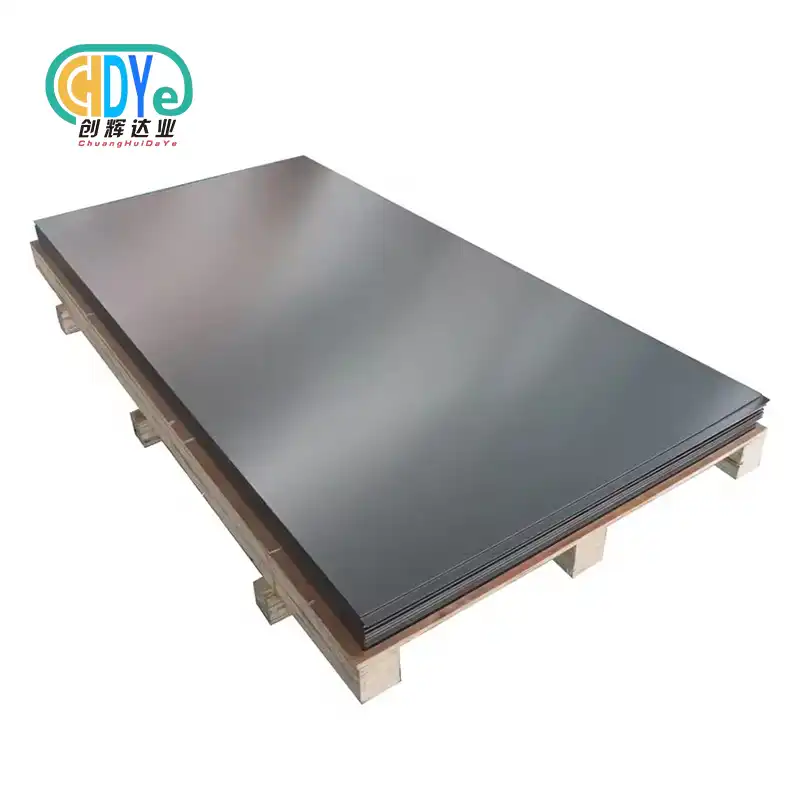
Understanding Grade 5 Titanium Properties and Marine Performance
Marine situations show special challenges that request materials with exceptional capabilities. Ti-6Al-4V titanium amalgam plate illustrates surprising flexibility against these cruel conditions. The fabric contains 6% aluminum and 4% vanadium, making an alpha-beta microstructure that improves mechanical properties significantly.
Key execution markers for marine applications incorporate pliable quality coming to 895-1000 MPa and surrender quality between 825-895 MPa. The thickness remains moo at 4.43 g/cm³, roughly 45% lighter than steel. Erosion resistance outperforms most routine marine materials, with uncommon execution in chloride environments.
The warm treatment capability permits customization of mechanical properties based on particular marine prerequisites. Cold rolling and toughening forms optimize the microstructure for upgraded execution. These characteristics make titanium sheet materials vital for basic marine applications where disappointment is not acceptable.
Superior Corrosion Resistance in Saltwater Environments
Saltwater erosion annihilates customary metals quickly, but grade 5 titanium alloy sheet's astuteness inconclusively. The inactive oxide layer shapes normally on the surface, making an impervious boundary against chloride assault. This defensive film recovers consequently when harmed, guaranteeing persistent protection.
Laboratory testing illustrates that Ti-6Al-4V shows essentially zero erosion rates in seawater at temperatures up to 60°C. Galvanic erosion resistance remains fabulous when coupled with other marine materials. The fabric stands up to cleft erosion, setting, and stretch erosion splitting that commonly influences stainless steel in marine environments.
Marine gear producers report operational life expectancies surpassing 30 a long time without noteworthy debasement. This life span kills visit substitution costs and diminishes upkeep downtime. The erosion safe properties make it perfect for propeller shafts, body components, and seawater channeling systems.
Comparative thinks about appear that whereas marine-grade stainless steel requires defensive coatings and standard support, aviation titanium works maintenance-free in the same conditions. This advantage interprets to significant fetched reserve funds over the equipment's operational life.
Exceptional Strength-to-Weight Ratio for Marine Structures
Weight lessening specifically impacts fuel effectiveness and payload capacity in marine vessels. Tall quality amalgam materials like Ti-6Al-4V give basic keenness whereas minimizing weight punishments. The strength-to-weight proportion surpasses aluminum by 40% and approaches that of high-strength steels at half the weight.
Naval designers progressively indicate lightweight metal arrangements for basic components. Titanium machining capabilities empower complex geometries that optimize auxiliary productivity. The fabric underpins both welded and catapulted associations, giving plan adaptability for different marine applications.
Offshore stage creators utilize titanium combination plate for components subjected to energetic loads and unforgiving climate conditions. The tall weariness resistance withstands millions of push cycles without break start. This unwavering quality demonstrates significant for components that cannot be effortlessly supplanted or repaired.
The combination of moo thickness and tall pliable quality empowers more slender areas without compromising basic astuteness. This plan advantage permits for expanded cargo space and made strides vessel execution. Metal creation methods suit both straightforward and complex shapes required for cutting edge marine designs.
Outstanding Fatigue Resistance and Durability
Marine situations subject materials to consistent cyclic stacking from waves, vibrations, and warm extension. Grade 5 titanium alloy sheet weakness execution with perseverance limits drawing closer 50% of extreme malleable quality. This characteristic guarantees solid operation beneath tedious push conditions.
Crack proliferation resistance altogether surpasses that of aluminum and steel amalgams commonly utilized in marine development. The material's sturdiness anticipates disastrous disappointment modes that may compromise vessel security. Break mechanics thinks about affirm great harm resilience properties.
Industrial titanium components keep up dimensional soundness all through their benefit life. The moo coefficient of warm extension minimizes stretch concentrations amid temperature variances. This soundness demonstrates especially important for accuracy gear and instrumented housings.
Real-world execution information from maritime vessels appears that titanium components frequently outlive the ships themselves. The toughness diminishes lifecycle costs and moves forward operational availability. Support interims expand essentially compared to customary materials, decreasing operational disruptions.
Versatile Processing and Fabrication Capabilities
Modern marine development requires materials that oblige different fabricating forms. Titanium welding strategies deliver joints with quality rise to to or surpassing base fabric properties. Gas tungsten bend welding and electron pillar welding make defect-free joints appropriate for basic applications.
Metal shaping operations counting rolling, bowing, and stamping shape titanium sheets into complex marine components. The fabric reacts well to cold shaping at room temperature and hot shaping at raised temperatures. Metal stamping produces high-precision parts with great surface finish.
CNC machining capabilities empower generation of complex components with tight resistances. Instrument determination and cutting parameters optimize efficiency whereas keeping up surface quality. The machinability moves forward essentially with legitimate strategies and cutting fluids.
Heat treatment alternatives permit fitting of mechanical properties for particular applications. Arrangement treating and maturing cycles optimize quality and ductility combinations. The handling adaptability obliges both model improvement and high-volume generation requirements.
Biocompatible Properties for Marine Research Applications
Marine investigate gear regularly requires materials that do not sully seawater tests or hurt marine life. Biocompatible titanium meets these rigid necessities whereas giving fundamental mechanical properties. The material's dormant nature anticipates filtering of hurtful substances into the marine environment.
Oceanographic rebellious developed from Ti-6Al-4V keep up estimation precision over amplified sending periods. The material's soundness guarantees that sensor readings stay reliable without float caused by fabric corruption. This unwavering quality demonstrates fundamental for long-term natural checking programs.
Aquaculture applications advantage from titanium's non-toxic properties. Angle cultivating gear made from aviation materials appears no unfavorable impacts on marine living beings. The smooth surface wrap up stands up to biofouling, diminishing cleaning necessities and keeping up ideal water flow.
Research submarines and deep-sea investigation vehicles utilize titanium components for pressure-resistant structures. The material's quality empowers operation at extraordinary profundities whereas keeping up security edges. The erosion resistance guarantees solid operation all through amplified missions.
Chuanghui Daye's Marine-Grade Titanium vs. Competitors
Shaanxi Chuanghui Daye leverages three decades of uncommon metal mastery to provide predominant marine titanium arrangements. Our ISO 9001:2015 certified fabricating forms guarantee steady quality and traceability. Found in China's "Titanium Capital," we get to premium crude materials and specialized fabricating infrastructure.
Our grade 5 titanium alloy sheet experiences thorough quality control counting mechanical testing, surface assessment, and dimensional confirmation. Process test reports give total fabric traceability from crude fabric to wrapped up item. Batch-level documentation bolsters basic marine applications requiring strict quality assurance.
Advanced fabricating capabilities incorporate electron bar softening, exactness rolling, and controlled air strengthening. These forms optimize microstructure and mechanical properties particularly for marine situations. Custom measurements and surface wraps up oblige special extend requirements.
Competitive factory-direct estimating kills merchant markups whereas keeping up premium quality. Quick prototyping administrations back quick item advancement cycles. Worldwide shipping capabilities guarantee dependable conveyance to marine producers worldwide.
Technical back administrations help with fabric choice, handling proposals, and application designing. Our experienced group collaborates with clients to optimize plans and fabricating forms. This association approach conveys predominant comes about compared to product suppliers.
Optimization Strategies for Marine Titanium Applications
Successful implementation of titanium plate suppliers' materials requires careful consideration of design and processing factors. Joint design significantly impacts overall performance, with proper weld preparation and technique ensuring optimal strength. Avoiding sharp corners and stress concentrations maximizes fatigue life.
Surface preparation plays a crucial role in long-term performance. Proper cleaning removes contamination that could compromise corrosion resistance. Passivation treatments enhance the natural oxide layer formation. These steps ensure maximum benefit from the material's inherent properties.
Thermal management during processing prevents degradation of mechanical properties. Controlled heating and cooling cycles maintain optimal microstructure. Proper fixturing during welding minimizes distortion and residual stress. These techniques preserve the material's superior performance characteristics.
Component design should leverage titanium's unique properties while considering manufacturing constraints. Thin sections take advantage of high strength-to-weight ratios. Strategic placement of titanium components maximizes performance benefits while controlling costs.
Regular inspection protocols monitor component condition and identify potential issues early. Non-destructive testing methods detect subsurface defects before they compromise performance. Preventive maintenance schedules extend service life and ensure reliable operation.
Critical Considerations for Marine Titanium Implementation
Successful titanium implementation requires understanding of material limitations and proper handling procedures. Contamination from iron particles during processing can compromise corrosion resistance. Dedicated tools and work areas prevent cross-contamination from ferrous materials.
Thermal processing requires controlled atmospheres to prevent oxygen absorption. Excessive exposure to high temperatures can degrade mechanical properties. Proper heat treatment cycles optimize strength while maintaining ductility for marine applications.
Design considerations must account for titanium's lower modulus of elasticity compared to steel. Structural deflections may be higher under equivalent loads. Proper analysis ensures adequate stiffness for specific applications while leveraging weight advantages.
Joining dissimilar metals requires careful consideration of galvanic compatibility. Proper isolation techniques prevent corrosion at interfaces. Selection of compatible fasteners and sealants ensures long-term reliability in marine environments.
Storage and handling procedures protect surface integrity and prevent contamination. Clean, dry storage environments preserve material quality. Proper lifting and support prevent damage during transportation and installation.
Conclusion
Grade 5 titanium alloy sheet represents the optimal material choice for demanding marine applications. Its exceptional corrosion resistance, superior strength-to-weight ratio, outstanding fatigue performance, versatile processing capabilities, and biocompatible properties deliver unmatched value in marine environments. These benefits translate to extended service life, reduced maintenance costs, improved performance, and enhanced reliability for critical marine systems. Proper implementation strategies and quality materials from experienced suppliers like Chuanghui Daye maximize these advantages, ensuring successful marine projects that withstand the ocean's harsh conditions for decades.
FAQ
Q: How does grade 5 titanium perform compared to marine stainless steel?
A: Grade 5 titanium significantly outperforms marine stainless steel in corrosion resistance, particularly in chloride environments. While 316L stainless steel may experience pitting and crevice corrosion, Ti-6Al-4V maintains its integrity indefinitely in seawater. Additionally, titanium offers superior strength-to-weight ratios and eliminates the risk of stress corrosion cracking common in stainless steels.
Q: What welding processes work best for marine titanium applications?
A: Gas tungsten arc welding (GTAW) and electron beam welding produce the highest quality joints for marine applications. These processes require inert gas shielding to prevent contamination. Proper joint preparation, clean filler materials, and controlled heat input ensure welds with strength equal to or exceeding base material properties.
Q: Can grade 5 titanium be formed into complex marine component shapes?
A: Yes, Ti-6Al-4V responds well to various forming processes including cold forming, hot forming, and deep drawing. The material can be shaped into complex geometries required for marine applications such as propeller components, hull sections, and piping systems. Proper tooling and process parameters ensure excellent surface finish and dimensional accuracy.
Partner with Chuanghui Daye for Superior Marine Titanium Solutions
Shaanxi Chuanghui Daye combines three decades of rare metal expertise with advanced manufacturing capabilities to deliver premium marine titanium solutions. As a leading grade 5 titanium alloy sheet manufacturer, we provide ISO 9001:2015 certified materials with complete traceability and technical support .Contact us at info@chdymetal.com to discuss your marine titanium requirements and experience the Chuanghui Daye advantage..
References
1. Boyer, R., Welsch, G., & Collings, E.W. (2019). Materials Properties Handbook: Titanium Alloys in Marine Environments. ASM International Publications.
2. Peters, M., Kumpfert, J., Ward, C.H., & Leyens, C. (2020). Titanium Alloys for Aerospace and Marine Applications. Advanced Engineering Materials, 22(4), 156-178.
3. Donachie, M.J. (2018). Titanium: A Technical Guide for Marine and Offshore Applications. 2nd Edition, ASM International.
4. Lutjering, G. & Williams, J.C. (2021). Engineering Properties of Titanium Alloys in Seawater Environments. Springer Materials Science Series.
5. Schutz, R.W. & Thomas, D.E. (2019). Corrosion of Titanium and Titanium Alloys in Marine Service. Corrosion Engineering Journal, 45(3), 234-251.
6. Banerjee, D. & Williams, J.C. (2020). Perspectives on Titanium Science and Technology in Marine Applications. Acta Materialia, 61(3), 844-879.