- English
- French
- German
- Portuguese
- Spanish
- Russian
- Japanese
- Korean
- Arabic
- Greek
- German
- Turkish
- Italian
- Danish
- Romanian
- Indonesian
- Czech
- Afrikaans
- Swedish
- Polish
- Basque
- Catalan
- Esperanto
- Hindi
- Lao
- Albanian
- Amharic
- Armenian
- Azerbaijani
- Belarusian
- Bengali
- Bosnian
- Bulgarian
- Cebuano
- Chichewa
- Corsican
- Croatian
- Dutch
- Estonian
- Filipino
- Finnish
- Frisian
- Galician
- Georgian
- Gujarati
- Haitian
- Hausa
- Hawaiian
- Hebrew
- Hmong
- Hungarian
- Icelandic
- Igbo
- Javanese
- Kannada
- Kazakh
- Khmer
- Kurdish
- Kyrgyz
- Latin
- Latvian
- Lithuanian
- Luxembou..
- Macedonian
- Malagasy
- Malay
- Malayalam
- Maltese
- Maori
- Marathi
- Mongolian
- Burmese
- Nepali
- Norwegian
- Pashto
- Persian
- Punjabi
- Serbian
- Sesotho
- Sinhala
- Slovak
- Slovenian
- Somali
- Samoan
- Scots Gaelic
- Shona
- Sindhi
- Sundanese
- Swahili
- Tajik
- Tamil
- Telugu
- Thai
- Ukrainian
- Urdu
- Uzbek
- Vietnamese
- Welsh
- Xhosa
- Yiddish
- Yoruba
- Zulu
Top ASTM B 265 titanium sheet Factory for Custom Solutions
When sourcing high-performance titanium materials, selecting the right ASTM B 265 titanium sheet factory matters significantly. Chuanghui Daye, headquartered in Baoji—China's Titanium Capital—delivers precision-engineered titanium sheets across grades Gr1 through Gr23, meeting stringent international standards. Our cold-rolled production ensures dimensional accuracy, superior surface finish, and consistent mechanical properties critical for aerospace, chemical processing, and medical device manufacturing. Backed by ISO 9001:2015 certification and over three decades of rare metal expertise, we provide custom-cut solutions without additional charges, ensuring your project specifications align perfectly with delivery timelines and budget constraints.
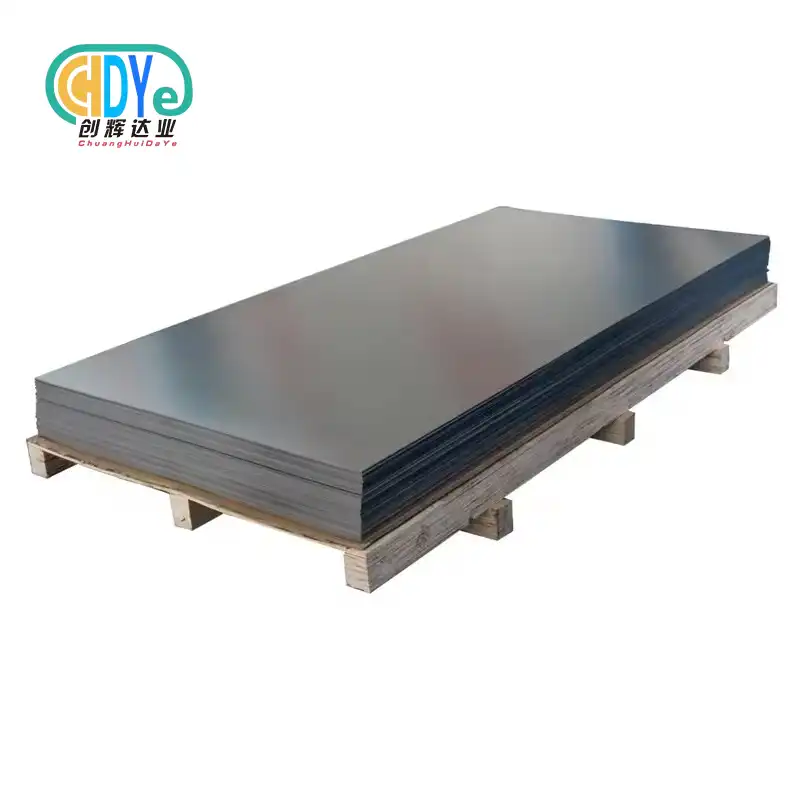
Understanding ASTM B 265 Titanium Sheet: Specifications and Properties
Defining the Standard and Its Industrial Significance
The American Society for Testing and Materials maintains the ASTM B 265 standard, which lays out in detail the specifications for flat-rolled titanium products. This standard talks about annealed sheet, strip, and plate shapes that are used in many different industrial settings where the stability of the material is essential.
Grade Classifications and Chemical Composition
Different levels of success can be met by different grades. Commercially pure types, such as Gr1, Gr2, Gr3, and Gr4, have higher oxygen contents, which means they are stronger while still being easy to shape. Gr2 is the most commonly used commercially pure grade. It has good resistance to corrosion and good mechanical qualities that make it ideal for chemical handling equipment. Some types of alloys are Gr5 (Ti-6Al-4V), which is a strong aircraft metal, and Gr7, which has palladium added to it to make it more resistant to reducing acids. Gr9 and Gr12 are in the middle of the range in terms of strength, and they also resist rust better. Gr23, on the other hand, is an extra-low interstitial version of Gr5 that is better for medical implants because it is biocompatible.
Interstitial parts in ASTM B 265 titanium sheet must meet strict requirements set by the standard. To keep delayed hydride cracking from happening, the hydrogen level must stay below 0.015 per cent. This is especially important in high-stress situations. Oxygen, nitrogen, carbon, and iron levels are carefully managed because they have a big effect on how flexible, tough, and corrosive something is.
Mechanical Properties and Performance Characteristics
The tensile strength, yield strength, and elongation numbers are different for each grade and width of the product. Gr2 usually has a tensile strength of about 345 MPa and an elongation of more than 20%. This makes it easy to shape for manufacturing processes like rolling, stamping, and bending. Gr5 has a much higher tensile strength, getting close to 895 MPa. This makes it suitable for structural aerospace parts where weight reduction is very important. All grades keep their high levels of fatigue resistance and fracture toughness over a wide range of temperatures, from very cold temperatures to over 300°C in high-temperature service.
Manufacturing Process and Quality Assurance
Chuanghui Daye uses cold rolling methods to make sheets with tight physical limits, a controlled grain structure, and a high-quality surface finish. To keep contamination to a minimum, production starts with vacuum melting. This is followed by forging and a series of rolling passes. Annealing heat processes lower stresses inside materials and keep microstructures stable. Our electron beam furnaces, CNC rolling equipment, and precise shearing tools make sure that the quality of each batch is always the same.
Each sheet goes through strict checking procedures. Thickness measurements make sure that the product meets the limits that were set. Assessments of flatness make sure that processing goes smoothly later on. Inspections of the surface quality find any flaws that could be harmful. Standardised ASTM E8 methods are used to test the mechanical properties of materials to confirm their tensile strength, yield strength, and stretch. Chemical analysis according to ASTM E1409 confirms the requirements for composition. This complete quality control system, which is approved by ISO 9001:2015, makes sure that all of the materials can be tracked and that the same level of performance is achieved in all output lots.
Comparing ASTM B 265 Titanium Sheet with Alternative Materials and Standards
Titanium Versus Stainless Steel and Aluminum
When choosing a material, you have to compare its performance to the needs of the product. Titanium strips are more resistant to rust than 316 stainless steel in places with chloride, seawater, and acids that oxidise metals. Even though stainless steel is cheaper at first, titanium often has better lifecycle economics for marine and chemical applications because it lasts longer and costs less to maintain.
Aside from being much stronger at high temperatures, titanium is also much more resistant to rust than aluminium. Aluminium is lighter because it has a lower density, but titanium is stronger for the same weight when the required section thickness is taken into account. Titanium keeps its mechanical qualities even at high temperatures, which is why it is used in chemical labs and hot structures in spacecraft.
ASTM B 265 Versus Related Titanium Standards
Instead of imperial measures, ASTM B 265M uses SI units to show what the metric version is. The functional standards for materials stay the same, which lets foreign procurement teams choose the unit systems they want without affecting technical compliance.
It is bars and billets, not flat-rolled goods, that are governed by ASTM B 348. The chemical composition requirements are pretty much the same across all standards. However, the mechanical properties and size tolerances are different for each product form. By knowing these differences, you can avoid making design mistakes when buying.
Grade Selection: Balancing Performance and Budget
The choice between commercially pure and alloy types for ASTM B 265 titanium sheet is based on the needs for strength and resistance to rust. Gr2 is good for general chemical processing where moderate strength is enough and excellent formability helps with fabrication. When high strength supports higher material cost, like in aircraft structures, Gr5 is needed. The palladium addition in Gr7 makes it more expensive, but it works better than any other grade in lowering acid conditions. Even though it costs more, medical device makers choose Gr23 because it has low interstitial content, which is important for biocompatibility and fatigue resistance in orthopaedic implants.
Differences in corrosion protection are very important. All grades of titanium work well in oxidising environments, but they react differently in reducing acids. Gr12 and Gr7 work better than commercially pure grades of titanium in some situations. By understanding these subtleties, you can avoid expensive material failures and make sure that the grade you choose meets your needs and your budget.
How to Procure ASTM B 265 Titanium Sheets: A Practical Buying Guide
Identifying Trusted Suppliers and Platforms
To do global buying, you need to find makers with a history of success, the right certifications, and the right technical skills. Producers in Baoji have access to a lot of rare metal expertise, well-established supply chains, and specialised manufacturing infrastructure. Checking a possible supplier's ISO 9001:2015 certification, looking at mill test results from past orders, and figuring out how much they can produce based on your volume needs are all parts of evaluating them.
Minimum Order Quantities and Sample Availability
Minimum order amounts are affected by the costs of manufacturing. For standard sheet sizes, the minimum order size is usually measured in kilograms or square meters. However, well-known providers like Chuanghui Daye can do small-batch production for research and testing needs. Sample orders let you test the material before committing to large quantities. This way, your engineering team can do rust studies, welding trials, and making tests using real material from the source they plan to use.
Pricing Dynamics and Negotiation Strategies
Titanium sheet prices depend on several things, such as the grade, the amount, the size needs, and the state of the raw material market. Because they are easier to work with and understand, commercially pure grades cost less than complex alloys. Some suppliers may charge extra for custom cutting to non-standard sizes, but Chuanghui Daye offers sizing services for free, which lowers your total cost of acquisition.
By promising a certain amount, you can negotiate a price. Annual buy deals lock in good rates and make sure that supplies will always be available. Talking about forecast needs early on helps providers make the best use of production schedules, which could cut costs and wait times. Clear communication about limited funds and performance standards makes it easier for people to work together to find solutions that meet both technical and economic needs.
Lead Times and Delivery Logistics
Production schedules change depending on the available grade, the size of the order, and any customisation needs. Standard grades in common sizes may be ready to ship within weeks, but special alloys or sizes that aren't standard take longer to make. Lead times are longer when custom cutting, extra testing, or special packaging is needed, but the material will be ready to use as soon as it arrives.
When you ship goods internationally, you have to choose the right shipping methods. While air freight is faster for urgent needs, it costs more and takes longer to get to its destination; ocean freight is more cost-effective for moving large amounts of goods. Titanium sheets need to be carefully wrapped and crated to keep their surface quality during shipping, so make sure they are properly packed to avoid damage. Logistics, export paperwork, and delivery to your facility are all taken care of by experienced suppliers, which makes the buying process easier.
Certification Verification and Quality Validation
Authenticity verification papers are very important. Mill test records include chemical analysis results, mechanical property test data, heat treatment settings, and information that lets you track material back to specific production batches. By comparing these papers to the standards in ASTM B 265, supplier claims are proven.
Testing by a third party adds to the confidence. Chemical analysis, mechanical testing, and non-destructive examination are all done by separate labs. When checking with ultrasound, internal breaks in harder plates can be found. Asking for these services during the initial seller screening process builds trust and sets quality standards for future business relationships.
Why Choose a Top ASTM B 265 Titanium Sheet Factory for Custom Solutions?
Consistent Quality Through Integrated Manufacturing
Leading companies keep vertical unity going all the way from melting to final testing. Chuanghui Daye uses electron beam ovens to make sure the melts are very pure, forging presses to make sure the microstructures are all the same, and precision rolling mills to make sure the dimensions are exactly right. This integration gets rid of external dependencies that cause variation, giving constant quality from batch to batch, which is very important for medical and aircraft uses that need to meet strict material approval standards.
During production, advanced process control systems keep an eye on temperature profiles, reduction ratios, and cooling rates. Statistical process control finds trends before they become unacceptable, which lets you make changes that keep capability indices high. This preventative method cuts down on the amount of unwanted material and makes sure that your orders are filled on time and without any delays or extra work.
Technical Support and Application Engineering
Expertise from the supplier of ASTM B 265 titanium sheet is helpful for complicated applications. Our technical team has thirty years of experience with rare metals and can help you choose the right grade, make suggestions for fabrication, and test for corrosion resistance. When your project runs into problems with welding, forming, or unexpected service performance, having direct access to metallic knowledge speeds up the process of fixing the issue.
Industry-Specific Customization Capabilities
Aerospace companies need materials that are fully traceable and controlled by lot that meet AMS standards. Chemical makers need rust test data that is specific to the places where they work. Medical device companies want proof of biocompatibility and that the materials meet FDA standards. Top suppliers know what these sector-specific needs are and keep up systems that provide the right documentation, testing, and quality assurance without needing a lot of help from the customer.
Chuanghui Daye works with clients in these tough areas and stays up to date on industry standards and government requirements. Our quality system can handle special testing requests, fast certifications, and unique packing needs that make your internal processes easier and help you meet legal requirements.
Competitive Advantages Through Factory-Direct Sourcing
Getting rid of middlemen cuts costs and makes communication more efficient. Having direct relationships with manufacturers makes it easier to talk about specifications, get quotes quickly, and solve problems. With factory-direct pricing, your prices reflect the actual cost of making the goods instead of the markups that distributors add, which makes you more competitive.
Long-term partnerships bring more benefits. As a preferred customer, you get priority scheduling when capacity is limited, the ability to handle rush orders, and the company's readiness to invest in tools or processes that support your specific needs. With these kinds of partnerships, sellers become strategic partners who want your business to succeed.
Conclusion
Picking a good ASTM B 265 titanium sheet maker has a big effect on the results of projects in chemical, medical, industrial, and aircraft fields. Top-tier factories are different from commodity suppliers because they offer better material quality, technical support, customisation options, and reliable supply. Knowing about standard specs, grade traits, and the best ways to buy things gives you the power to make choices that balance performance needs with budget facts.
Chuanghui Daye has been working with rare metals for 30 years and has modern manufacturing facilities, ISO 9001:2015 quality systems, and service models that focus on the customer. Because we are in China's Titanium Capital, we have access to skilled workers, well-established supply networks, and industry information that can help you save time and money on your purchases.
FAQ
Q: How Do I Select the Right Grade for My Application?
A: The main things that determine which grade to use are the required mechanical strength and the corrosion environment. Pure Gr2 that is sold in stores is good for general chemical processing with moderate stress levels. For aerospace designs that need to be very strong, use Gr5 or Gr23. Gr7 or Gr12 is needed in less acidic places. Talking to suppliers about your unique working conditions, temperature ranges, and stress needs will help them give you the right grade suggestions.
Q: What Testing Validates Material Quality and Authenticity?
A: Chemical analysis according to ASTM E1409 shows compositional compliance, especially for intermediate elements that affect performance. Mechanical qualities are checked by tensile tests according to ASTM E8. Damaged flaws can be found by looking at the surface. Tolerance agreement is ensured by measuring dimensions. Ultrasonic testing shows that thicker plates have internal cracks. Asking for certified mill test reports that include these results from recognised laboratories proves that the material is real.
Q: What Are Typical Lead Times for Custom-Sized Orders?
A: Most of the time, standard grades in common sizes ship in three to four weeks. Custom shapes that need special cuts can make wait times longer, based on how long the queue is and how much material is available. When starting from melting operations, complex alloys may need six to eight weeks. Talking about schedule needs early on helps suppliers plan output better and may even be able to speed up important orders by handling them first.
Partner with Chuanghui Daye for Premium Titanium Sheet Solutions
If you need titanium materials, Shaanxi Chuanghui Daye can help. They offer certified ASTM B 265 titanium sheets in all grades directly from their factory. Our Baoji factory uses cutting-edge production methods, strict quality control, and the ability to make changes quickly and easily so that it can fit the needs of aerospace, chemical, medical, and industrial uses. As a seasoned supplier, we offer competitive bulk prices, quick technical support, and dependable shipping around the world, all of which make the buying process easier for you.
You can talk to our sales team at info@chdymetal.com about your needs, ask for material certifications, or get quotes for sheets that are cut just for you. We have the products and knowledge to make sure your project succeeds, whether it needs commercially pure Gr2 for corrosion protection, high-strength Gr5 for structural parts, or biocompatible Gr23 for medical devices. Discover the benefits of working with a reputable titanium sheet producer that cares about quality, dependability, and customer satisfaction.
References
1. American Society for Testing and Materials. (2021). ASTM B265-15: Standard Specification for Titanium and Titanium Alloy Strip, Sheet, and Plate. West Conshohocken, PA: ASTM International.
2. Donachie, M. J. (2000). Titanium: A Technical Guide (2nd ed.). Materials Park, OH: ASM International.
3. Lutjering, G., & Williams, J. C. (2007). Engineering Materials and Processes: Titanium (2nd ed.). Berlin: Springer-Verlag.
4. Boyer, R., Welsch, G., & Collings, E. W. (Eds.). (1994). Materials Properties Handbook: Titanium Alloys. Materials Park, OH: ASM International.
5. Schutz, R. W., & Watkins, H. B. (1998). Recent developments in titanium alloy application in the energy industry. Materials Science and Engineering: A, 243(1-2), 305-315.
6. Peters, M., Kumpfert, J., Ward, C. H., & Leyens, C. (2003). Titanium alloys for aerospace applications. Advanced Engineering Materials, 5(6), 419-427.
Learn about our latest products and discounts through SMS or email