- English
- French
- German
- Portuguese
- Spanish
- Russian
- Japanese
- Korean
- Arabic
- Greek
- German
- Turkish
- Italian
- Danish
- Romanian
- Indonesian
- Czech
- Afrikaans
- Swedish
- Polish
- Basque
- Catalan
- Esperanto
- Hindi
- Lao
- Albanian
- Amharic
- Armenian
- Azerbaijani
- Belarusian
- Bengali
- Bosnian
- Bulgarian
- Cebuano
- Chichewa
- Corsican
- Croatian
- Dutch
- Estonian
- Filipino
- Finnish
- Frisian
- Galician
- Georgian
- Gujarati
- Haitian
- Hausa
- Hawaiian
- Hebrew
- Hmong
- Hungarian
- Icelandic
- Igbo
- Javanese
- Kannada
- Kazakh
- Khmer
- Kurdish
- Kyrgyz
- Latin
- Latvian
- Lithuanian
- Luxembou..
- Macedonian
- Malagasy
- Malay
- Malayalam
- Maltese
- Maori
- Marathi
- Mongolian
- Burmese
- Nepali
- Norwegian
- Pashto
- Persian
- Punjabi
- Serbian
- Sesotho
- Sinhala
- Slovak
- Slovenian
- Somali
- Samoan
- Scots Gaelic
- Shona
- Sindhi
- Sundanese
- Swahili
- Tajik
- Tamil
- Telugu
- Thai
- Ukrainian
- Urdu
- Uzbek
- Vietnamese
- Welsh
- Xhosa
- Yiddish
- Yoruba
- Zulu
Why is pure tantalum bar the Preferred Material for Reactors?
When selecting materials for chemical and nuclear reactor applications, engineers face a critical decision: which metal can withstand years of exposure to boiling acids, extreme temperatures, and relentless mechanical stress without failing? The answer increasingly lies in pure tantalum bar. To make reactor parts all over the world, this refractory metal has been used. This metal doesn't rust as most do. In tough industrial settings, it has been shown to work well even when temperatures are over 3000°C. Tantalum is important for people who want to keep reactors going because it is strong, doesn't change chemically, and lasts a long time. As safety rules get stricter, this is very important.
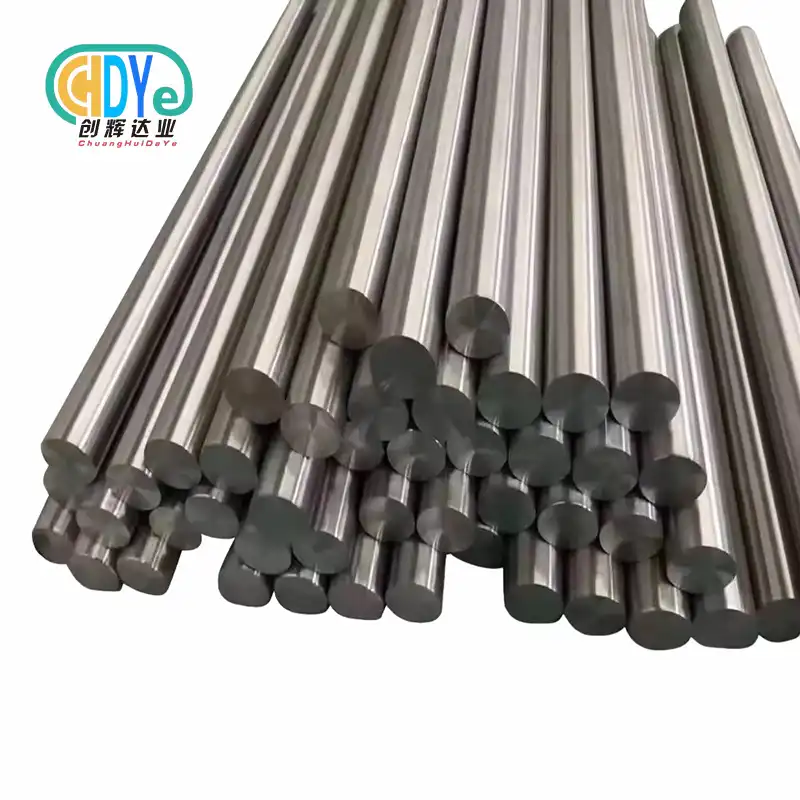
Understanding Pure Tantalum Bar and Its Core Properties
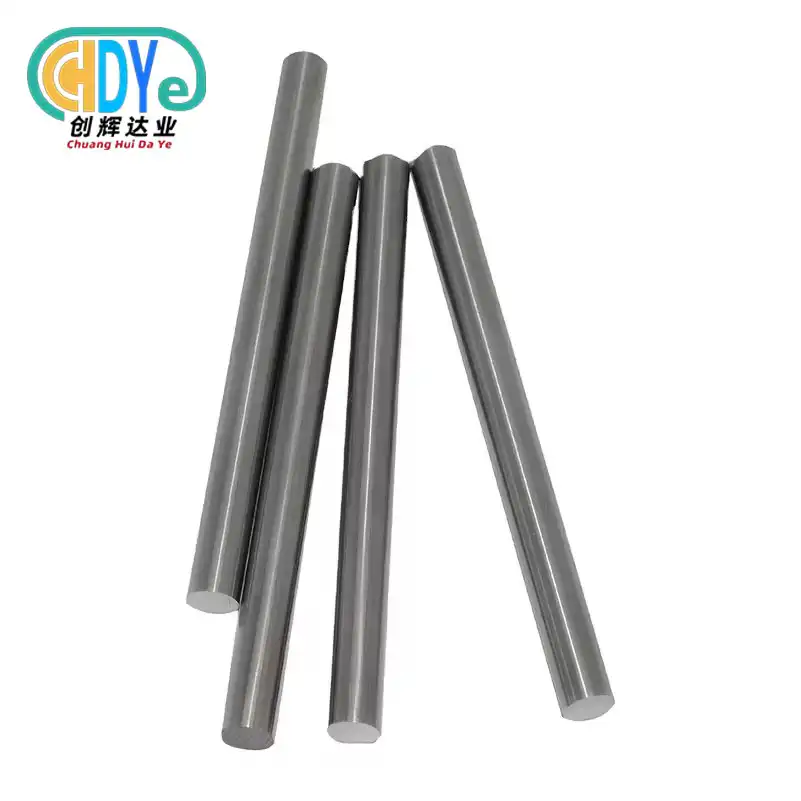
High-purity tantalum bar is a cylinder-shaped piece of refractory metal that is marked with UNS R05200 or R05400 and is made of at least 99.95% tantalum. Standards like ASTM B365 are met. Electron beam melting is used to make the cast bars, and powder metallurgy is used to fire the bars. The microstructures that are made by each method are not the same. Powdered tantalum, on the other hand, has smaller grains, which makes it better for cutting things that are hard to shape.
Chemical Composition and Manufacturing Excellence
The air where Shaanxi Chuanghui Daye Metal Material Co., Ltd. makes tantalum bars has less than 150 parts per million of oxygen. In this way, the metal stays strong, which can happen when gases between the atoms of the metal get inside it. It is made with vacuum arc heating and electron beam ovens to make sure the makeup is even, and there isn't a lot of leakage. Glow Discharge Mass Spectrometry (GDMS) tests are done on each batch to make sure that the purity levels meet the requirements set by chemical reactor makers for either 4N or 3N5 (99.95%).
Physical Properties That Define Reactor Suitability
Tantalum is strong when pressed because it has a mass of 16.6 g/cm³. Since it doesn't change when left out in the open air, it is safe to store and handle. When the metal comes in touch with oxygen, a layer of Ta₂O₅ oxide forms on it. When stainless steel and nickel metals are in acidic places, where they would break down quickly, this layer stops more rust. Because tantalum bars don't melt at temperatures below 3017°C, their size doesn't change when the reactor starts up or stops. They are very good at moving heat around, which is why.
Comparing Pure Tantalum Bar with Other Material Alternatives
You should think about how pure the materials are, how long they will last, and how well they fight certain process chemicals when you choose them for reactors. Most of the time, metals made of niobium, tungsten, and tantalum compete with pure tantalum bars. However, each of these metals has its own issues.
Purity and Corrosion Resistance Comparison
In places where hydrochloric, sulphuric, and nitric acids are boiling, pure tantalum bar at 99.95% purity works better than tantalum composites that contain tungsten or niobium. When you alloy tantalum, you lower its natural ability to passivate. This means that corrosion can happen at the edges of grains. The amount of rust protection of niobium is about the same, but it softens above 400°C, which makes it less useful in areas with high temperatures. Even though tungsten bars are strong, they are also fragile and hard to join. This makes them difficult to work with and increases the chance that they will break completely when heated.
Lifespan and Mechanical Performance Analysis
Some superalloys, like nickel-based ones, only last 5 to 10 years. But when used to make parts for reactors that can handle acidic soil, tantalum bars can last more than 20 years. Since the metal is soft, it can be cold worked into complicated shapes like heating coils and thermowell housings without breaking. When tensile tests are done with ASTM E8 standards, the material always has a stretch value above 20%. It's very easy to make because of this. We tested vacuum-melted R05200 grade tantalum bars with ultrasonic waves and found that they are more solid than powder-metallurgy alternatives because they have fewer holes inside them. This is important if the pressure is over 150 psi.
Procurement Implications of Purity Grades
Buyers must say whether the quality of 3N5 or 4N is best for their nuclear application. Higher purity grades cost more, but they work better in semiconductor-grade chemical processes where small amounts of metal pollution can cause problems with the finished product. Custom diameter specifications (h7, h8, or h9) affect how much it costs to machine and how well it fits. Round bars are most often used in reactors because they are easy to turn and thread. Square bars, on the other hand, are used for structure frames where weldability is very important.
Why Pure Tantalum Bar is Ideal for Reactor Environments
Designers of reactors have to deal with three problems at the same time: stopping leaks caused by corrosion, keeping the structure strong during thermal cycling, and making sure the reactor is compatible with a wide range of process chemicals. All three needs are met by pure tantalum bars at the same time, which makes them a good choice for both new setups and equipment updates.
Unmatched Acid Resistance in Aggressive Media
Tantalum is very stable in acids that are heated because it quickly forms a thick, stick-on film of Ta₂O₅ oxide. After 1000 hours of exposure to 98% sulphuric acid at 200°C, lab tests show that there is no measurable corrosion rate. This is the same situation that would kill Hastelloy C-276 in days. Tantalum bars are used by companies that make chemical equipment for reactor linings, heat transfer tubes, and sparger systems that move concentrated acids during the production of drugs. Because they can't be attacked by chemicals, they don't have to shut down without a plan, which cuts down on maintenance costs by up to 40% compared to clad steel reactors that need to be relined often.
Thermal Stability Under Extreme Operating Conditions
Tantalum bars keep their mechanical strength at temperatures where stainless steels start to creep because their melting point is higher than 3000°C. Tantalum heating elements work well in chemical vapour deposition reactors and vacuum heat treatment because they don't sag or oxidise when used at 2500°C in inert atmospheres. The low vapour pressure of the metal keeps processed materials from getting contaminated, which is an important factor in making semiconductors. Because borosilicate glass has thermal expansion factors that are very close to those of metals, glass-to-metal seals can be trusted in lab reactors to keep leaks from happening when temperatures rise and fall.
Mechanical Strength and Long-Term Durability
Tensile strengths between 200 and 300 MPa are strong enough to support the structure of pressurised reactor vessels, and tantalum's work-hardening properties let it be cold swage-formed into thin-wall tubes without having to be annealed first. Machined parts made from tantalum bars stay the same size for decades, unlike parts made from softer metals that tend to warp. In case studies from the petrochemical industry, tantalum reactor internals have been used constantly since the 1990s with no visible metal loss. This supports lifetime cost models that say the higher original investment is worth it because replacement costs are removed.
Regulatory Compliance and Safety Benefits
Because pure tantalum bar is biocompatible and non-toxic, it meets FDA and REACH standards for pharmaceutical reactors that make drugs that are injected and medical devices that are implanted. When combined with stainless steel, the metal does not cause galvanic rusting, unlike copper alloys that speed up pitting. Tantalum's expected behaviour lowers the risk of explosive failures during reactor upsets caused by temperature spikes or chemical changes. Quality management systems that are certified to ISO 9001:2015, like the ones at Chuanghui Daye, make sure that every bar comes with traceability documentation. This makes it easier to do compliance audits and get insurance certifications.
Procurement Insights for Pure Tantalum Bar: What B2B Buyers Need to Know
To find pure tantalum bars, you need to know about world supply lines, how prices change, and how to check the quality of the bars. Strategic buyers use a variety of ways to find goods and negotiate terms that balance price with the guarantee that the goods are real.
Evaluating Manufacturers and Distributors
Reputable tantalum bar makers keep vertical integration going all the way from reducing tantalum pentoxide to finishing the work. This makes sure that high-purity materials are always in the right hands. The Shaanxi Chuanghui Daye Metal Material Co., Ltd. is in Baoji, which is known as China's Titanium Capital. They have been working with refractory metals for 30 years and have modern processing tools like electron beam furnaces, rolling mills, and precise lathes. Buyers should make sure that providers are certified by ISO 9001:2015 and can give them mill test reports (MTRs) that show the chemical make-up using GDMS analysis and the mechanical qualities according to ASTM standards.
Pricing Structures and MOQ Flexibility
Prices for tantalum bars change with the global tantalum pentoxide market. Depending on the purity grade, diameter, and order volume, prices are usually between $300 and $600 per kilogram. When manufacturers offer custom sizes without high MOQ penalties, prototypes can be made, and small batches can be produced. This is very important for research institutions and OEM partners who are testing new reactor designs. When you buy more than 100 kg, you often get a discount. Also, common sizes (diameters from 3 mm to 100 mm) ship faster than custom cross-sections that need die changes.
Logistics and Lead Times
Standard stock tantalum bars ship within 7–10 business days. For special machining, wait times can be up to 4–6 weeks, based on how complicated the job is. Because tantalum can be used for two different things, it needs to be properly documented before it can be shipped internationally. Freight forwarding, insurance, and customs clearance are all taken care of by experienced suppliers, which makes buying from overseas easier. Payment terms usually include a 30% deposit, with the rest due after inspection and shipment. However, for repeat customers, net-30 or LC terms can be negotiated.
Certification and Quality Assurance Verification
For important uses, materials need to be certified with chemical analysis, mechanical testing, ultrasonic inspection records that meet AWS standards, and grain size proof (usually ASTM 4 or finer). Certificates should list specific production lots and have the signatures and contact information of inspectors on them so that they can be checked. Buyers who are worried about fakes ask a third party to inspect the goods or set up factory audits to see how samples are chosen and tested. Photographs of the different stages of production and serial-numbered inventory from suppliers make things clearer and boost buyer confidence.
Building Trust: Choosing a Reliable Pure Tantalum Bar Supplier
By working with dependable pure tantalum bar providers, you can avoid supply problems and changes in quality that could delay reactor projects and production plans. Several things set better makers apart from commodity brokers.
Assessing Technical Expertise and Customization Capabilities
Leading makers of pure tantalum bar have metallurgists and application experts on staff who help choose materials, suggest forming methods, and solve problems that come up during production. The team at Chuanghui Daye has more than 30 years of experience with rare metals. They can help customers choose the best purity grades for their reactor formulas and offer design changes that will make them easier to make. One-stop sourcing is possible with capabilities that include melting, forging, rolling, heat treating, and precision machining. This makes coordination easier and lowers the risk of damage during transit that comes with having multiple suppliers.
Evaluating Reputation Through Client Feedback
A supplier's reputation is highly linked to how often they deliver on time, how well their products meet specifications, and how quickly they address quality problems. Buyers should ask for references from customers who have used similar reactors for similar purposes and ask about their experiences with rush orders, deviations from specifications, and warranty claims. Online platforms that host B2B reviews give you more options, but talking to current clients directly will give you a more complete picture of how reliable a seller is during technical disagreements or disruptions in the supply chain.
Global Supply Chain Reliability
Keeping raw material stores and a variety of tantalum pentoxide sources on hand helps manufacturers keep their supplies stable during global problems or mining strikes. Being close to transportation hubs cuts down on shipping times and freight costs. This is especially important when buying from Shaanxi Province in China, which has well-established logistics networks that serve foreign markets. Under free trade agreements, suppliers who offer storage in destination countries can speed up restocking orders and keep duties to a minimum.
After-Sales Support and Long-Term Partnership Value
Premium suppliers are different from transactional vendors because they offer support after the sale, such as machining consultations, welding procedure specifications, and troubleshooting advice. Customers want manufacturers to keep in touch with them throughout the lifecycles of their products so they can get feedback on how well they're working and use that information to guide their efforts to keep getting better. Long-term relationships are important to companies like Chuanghui Daye, so they offer consistent quality, clear communication, and are willing to adapt their solutions to meet changing customer needs as reactor generations go by.
Conclusion
Tantalum bars are the best material for reactors because they have been used for decades in the nuclear, chemical, and petroleum industries and have worked well every time. The special mix of extreme rust resistance, high-temperature stability, and mechanical reliability solves important problems that threaten the safety and efficiency of nuclear operations. Even though it costs more than other alloys at first, lifetime cost analysis constantly shows that tantalum is a better investment because it lasts longer, needs less upkeep, and doesn't need to be replaced. Strategic buying from certified suppliers like Chuanghui Daye guarantees access to high-purity materials that are backed by strict quality control and technical know-how. Tantalum will play a bigger role as reactor designs get better by using higher temperatures, more aggressive chemicals, and stricter safety rules. This is why manufacturers need to work together with their suppliers to compete in global markets.
FAQ
Q: What purity grades are recommended for chemical reactor applications?
A: Chemical labs that work with strong acids usually need pure tantalum bars that are 99.95% (3N5) pure and meet the standards of ASTM B365 R05200. Applications that need very little contamination, like making semiconductor precursors, need 99.99% (4N) purity to keep trace metal contamination from messing up processes further down the line.
Q: How long does custom tantalum bar fabrication take?
A: Standard diameter bars (10 mm to 50 mm) are in stock and ship within 10 business days. Lead times can go up to 4–6 weeks if you need custom sizes, special tolerances, or more machining processes. This depends on the production queue and the difficulty of the job.
Q: Can tantalum bars withstand hydrofluoric acid exposure?
A:Hydrofluoric acid is one of the few chemicals that can break down tantalum very quickly. Reactors that work with HF or media that contain fluoride need different materials, such as Monel or special polymers. To avoid costly specification mistakes, buyers should be clear about the process chemicals used when choosing materials.
Q: What welding procedures work best for tantalum reactor components?
A: Oxidation and hydrogen weakening can't happen when TIG welding is done in high-purity argon chambers (99.999% argon) or vacuum environments. Atmospheric welding makes the metal instantly weak and breaks the joint. Suppliers you can trust will give you welding process standards (WPS) that are best for the tantalum grades they sell.
Partner with a Trusted Pure Tantalum Bar Manufacturer
Shaanxi Chuanghui Daye wants procurement managers, reactor engineers, and OEM partners to try our ISO 9001:2015 certified pure tantalum bars to see how reliable and well they work. We are in Baoji's well-known rare metal industrial zone, and we use cutting-edge processing technology along with thirty years of application experience to make unique solutions that meet your exact needs. Our electron beam furnaces and precision machining centers make round and square tantalum bars with widths ranging from 3 mm to 100 mm. We offer variable MOQs to support both small-scale production and the development of prototypes. Email our technical team at info@chdymetal.com to talk about the reactor materials you need, get detailed specifications, or set up an evaluation of a sample. Find out why the world's biggest chemical processors and aerospace manufacturers choose Chuanghui Daye as their go-to supplier for tantalum bars. They make sure their operations don't stop by providing consistent quality and quick customer service.
References
1. Davis, J.R. (Editor). ASM Specialty Handbook: Heat-Resistant Materials. ASM International, Materials Park, OH, 1997.
2. Schmidt, F.F. and Ogden, H.R. The Engineering Properties of Tantalum and Tantalum Alloys. Defence Metals Information Center, Battelle Memorial Institute, Columbus, OH, 1963.
3. Cardarelli, F. Materials Handbook: A Concise Desktop Reference, 3rd Edition. Springer-Verlag London, 2018.
4. Kofstad, P. High Temperature Corrosion. Elsevier Applied Science Publishers, London and New York, 1988.
5. Massalski, T.B. (Editor). Binary Alloy Phase Diagrams, 2nd Edition, Volume 3. ASM International, Materials Park, OH, 1990.
6. American Society for Testing and Materials. ASTM B365-12: Standard Specification for Tantalum and Tantalum Alloy Rod and Wire. ASTM International, West Conshohocken, PA, 2012.
Learn about our latest products and discounts through SMS or email