- English
- French
- German
- Portuguese
- Spanish
- Russian
- Japanese
- Korean
- Arabic
- Greek
- German
- Turkish
- Italian
- Danish
- Romanian
- Indonesian
- Czech
- Afrikaans
- Swedish
- Polish
- Basque
- Catalan
- Esperanto
- Hindi
- Lao
- Albanian
- Amharic
- Armenian
- Azerbaijani
- Belarusian
- Bengali
- Bosnian
- Bulgarian
- Cebuano
- Chichewa
- Corsican
- Croatian
- Dutch
- Estonian
- Filipino
- Finnish
- Frisian
- Galician
- Georgian
- Gujarati
- Haitian
- Hausa
- Hawaiian
- Hebrew
- Hmong
- Hungarian
- Icelandic
- Igbo
- Javanese
- Kannada
- Kazakh
- Khmer
- Kurdish
- Kyrgyz
- Latin
- Latvian
- Lithuanian
- Luxembou..
- Macedonian
- Malagasy
- Malay
- Malayalam
- Maltese
- Maori
- Marathi
- Mongolian
- Burmese
- Nepali
- Norwegian
- Pashto
- Persian
- Punjabi
- Serbian
- Sesotho
- Sinhala
- Slovak
- Slovenian
- Somali
- Samoan
- Scots Gaelic
- Shona
- Sindhi
- Sundanese
- Swahili
- Tajik
- Tamil
- Telugu
- Thai
- Ukrainian
- Urdu
- Uzbek
- Vietnamese
- Welsh
- Xhosa
- Yiddish
- Yoruba
- Zulu
What Are the Main Uses of Tantalum Lump Today?
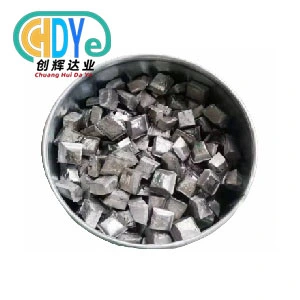
Tantalum is best known for corrosion-resistant bars, sheets, and capacitor components, but a lot of the metal enters industry in a far simpler form: as irregular solid bits known as tantalum lumps. These lumps are not for machining or direct installation. They are purchased as a raw material for metallurgical operations, when tantalum has to be added to a melt, remelted into an ingot, or utilized to achieve a particular alloy composition. If you are in alloy manufacturing, vacuum melting, or refractory metal processing, knowing the primary applications of tantalum lump today will help you choose the proper material and prevent expensive errors. In this essay, we will cover: what tantalum lump is, its uses, the most important characteristics, and how to pick a reliable provider.
What Is Tantalum Lump and How Does It Differ from Other Forms?
Defining Tantalum Lump as a Metallurgical Raw Material
Tantalum lump consists of irregularly shaped tantalum metal particles, utilized as a feedstock in the manufacture of alloys, vacuum melting, and other metallurgical operations. A lump of tantalum is not a completed product but is valuable for its contents and its behavior in a furnace. Customers normally check for three things: chemical composition, piece size, and appropriateness for the melting process. Our tantalum lump is created from chosen raw material and processed by electron beam melting, which helps to eliminate impurities that might be carried into a final alloy. For the customers, it implies a solid, thick, and clean metal charge that can be weighed properly and fed to a melt with confidence.
How It Differs from Tantalum Bars and Plates
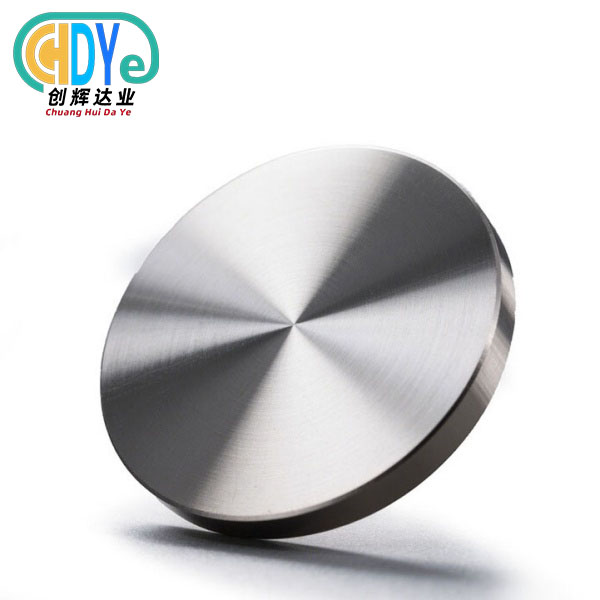
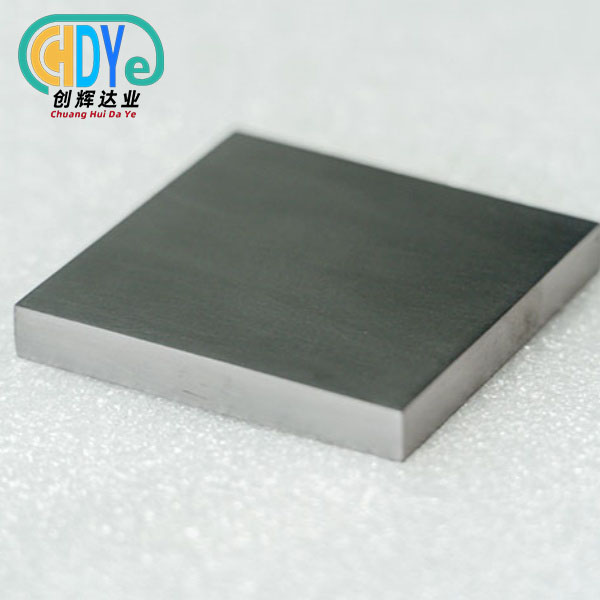
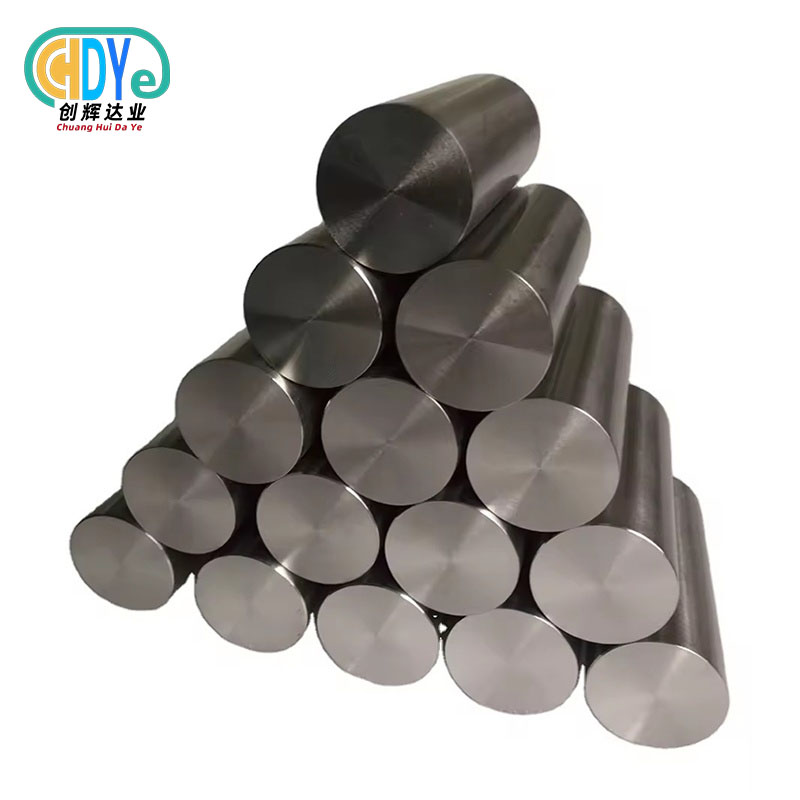
One of the most popular questions is why anybody would purchase tantalum chunks when bars, sheets, and plates are commonly accessible. Depends on what for. Bars and plates are supposed to be cut, turned, welded, or molded into final items. Therefore, the shape and surface quality are important. Conversely, a tantalum lump is bought mostly for its chemical makeup and size, since it will be melted and not machined. A lump is a cheaper approach for processors that only require tantalum metal in a charge. It also implies that the specification checklist is different. Purity, oxygen level, surface condition, and lump size are more significant than tolerances or polish.
The Role of Electron Beam Melting in Producing Clean Lumps
The manner in which a tantalum lump is produced has a major effect on the performance later on. After selection and purification of the raw material, our lumps are made by electron beam melting in a horizontal furnace. The metal is heated in a high vacuum, then cooled and solidified under supervision. This helps drive out volatile impurities and creates a homogeneous, dense structure. Then the material is checked, tested, sorted by size, and packed. This delicate technique eliminates contaminants that might damage your finished alloy or ingot. Tantalum interacts easily with gases at high temperatures; hence, vacuum melting is one of the best approaches to get a clean tantalum lump with stable chemistry.
Main Uses of Tantalum Lump in Alloy Production
Introducing Tantalum into High-Performance Alloys
The most significant application of tantalum lump is as a source of tantalum in the preparation of alloys requiring a regulated addition. Tantalum is an alloying element in certain high-performance metal systems, e.g., some nickel-based superalloys for demanding high-temperature service. The presence of tantalum may affect strength, high-temperature behavior, and microstructural stability, depending on the base alloy. Tantalum lump is used as a solid metal source in appropriate melting equipment for alloy manufacturers. The quantity to be added has to be determined on the basis of the goal composition and the actual tantalum content of the lump. This is the reason why proper analysis and trustworthy documentation are so vital.
Why the High Melting Point Matters
Tantalum has a melting temperature of around 3017°C, which makes it a refractory metal. It is extremely unlike other base metals in the furnace. For those working with tantalum lump, this high melting point implies that the melting conditions must be very carefully selected if the tantalum is to be completely dissolved or absorbed into the alloy. The outcome depends on the base metal, the kind of furnace, the power input, and the alloy composition. Many firms use vacuum or inert conditions to safeguard the melt. The upside is that the same characteristic that makes it tough to melt is also why the completed alloys perform so well under tremendous temperatures — it's the reason Tantalum is added in the first place.
Choosing the Right Lump Size and Composition
The physical size of a tantalum lump influences handling, charging and melting behavior therefore should match your equipment. Smaller bits are suitable for laboratory melting and trial batches; bigger lumps are suitable for industrial furnaces and greater charges. Our lumps are available in a size range from 20 to 100 mm; further needs may be examined upon request. The chemical composition is just as significant, and in alloying operations it is frequently more important than appearance. Some customers may specify maximum quantities of particular elements in an effort to avoid unexpected changes in the final alloy. The easiest approach to validate that each batch of tantalum lump fulfills the agreed standard is a chemical composition report.
| Factor | Why It Matters for Tantalum Lump |
|---|---|
| Purity (99.9%) | Keeps the final alloy composition under control |
| Oxygen content (≤120 ppm) | Protects chemical stability during melting |
| Lump size (20–100 mm) | Affects charging, handling, and melting speed |
| Surface oxidation (≤2%) | Reduces contamination and processing problems |
| Melting point (3017°C) | Determines furnace type and melting conditions |
Other Uses of Tantalum Lump in Vacuum Melting and Advanced Manufacturing
Remelting into Ingots for Further Processing
Another key application of tantalum lump is remelting it into ingots, which are subsequently forged, rolled or machined into products. Producers commonly produce tantalum bars, sheets, tubes and wire from chunks of refined metal consolidated in vacuum or electron beam furnaces. Using lumps as feedstock has the advantage of flexibility, since multiple batches may be mixed so that you can get the required composition and size of ingots. This technique also enables makers of corrosion-resistant equipment to closely monitor purity from the first stage. A clean, low-oxygen tantalum lump is of exceptional value here, as any impurity present in the charge will be in the ingot and may impact subsequent forming processes.
Refractory Metal Alloys and Specialty Materials
Tantalum lump is also used to produce refractory alloys, such as tantalum-tungsten and tantalum-niobium alloys, in which corrosion resistance is combined with enhanced strength or improved workability. These alloys show up in aeronautical hardware, chemical equipment, and high-temperature vacuum components. Specialty manufacturers may also employ tantalum lump to generate coating materials and other raw materials for the electronic and vacuum industries, according to their own procedures. In all of these circumstances, the quality of the starting lump dictates how controllable the melt will be. Customers with uncommon compositions typically approach us in advance to discuss their needs so that we may provide the most appropriate grade and size.
Research, Laboratory and Pilot-Scale Work
Universities, research institutions, and development labs also purchase tantalum chunks for experimental melting and trial alloys. The little bits are simple to weigh and feed to an arc melter or small vacuum furnace. The lump is a useful shape to test novel compositions before scaling up. The numbers may be tiny, but the quality expectations are high; thus, these clients want a provider who can give clear analytical data and flexible order sizes. Experimental findings are simpler to reproduce with a lump of tantalum that is the same each time, and this is important when researchers need to compare one trial against another, or to proceed effectively from lab work to pilot production.
Specifications and Supplier Considerations for Tantalum Lump
Key Specifications to Check Before Ordering
Please examine the characteristics that determine melting outcomes before you purchase. Our tantalum lumps are 99.9% pure, with a melting point of 3017°C, oxygen concentration of 120 ppm or less, surface oxidation of 2% or less, and are available in diameters from 20 to 100 mm. We provide premium quality Ta-1 grade material as per international quality standards. Custom specifications may be given on request. If you have precise chemical needs, we suggest you check the particular impurity limitations before ordering to avoid any surprises in the finished alloy. Having a documented specification, which clearly states what is required, will protect both parties and avoid delays when the material arrives.
| Item | Specification |
|---|---|
| Product | Tantalum lump |
| Grade | Ta-1 |
| Purity | 99.9% |
| Oxygen content | ≤120 ppm |
| Lump size | 20–100 mm |
| Surface oxidation | ≤2% |
| Production method | Horizontal electron beam melting |
Quality Control and Documentation
Good docs transform a promise into proof. Every batch of tantalum lump is inspected and tested by Shaanxi Chuanghui Daye Metal Material Co., Ltd. Our ISO 9001:2015 Quality Management System includes raw material inspection, melting and forging, machining and forming, and final inspection and packing. A chemical composition report may be requested by the buyer to ensure that the item meets their criteria. This is particularly important for alloy makers who have to convince their own customers that every addition was regulated. By selecting a supplier with traceable records and open communication, you may melt each charge with confidence and avoid the danger and time involved with incoming inspection.
Working with an Experienced Manufacturer
The last thing to examine is the people and the facilities behind the metal. Our firm is situated in Baoji High-tech Development Zone, often known as China’s “Titanium Capital”, with good transportation and a solid industrial foundation for stable supply. Founded by an expert with over 30 years of experience in the rare metal sector, we believe in quality first and customer first. We also sell niobium, titanium, tungsten, and molybdenum goods in addition to tantalum lump, so clients may typically combine numerous raw material demands in one transaction. Our experts will be pleased to examine available purity grades, lump sizes, and quantities to meet your particular needs.
Conclusion
Tantalum lump is a quiet but vital raw material. Used to add tantalum to high-performance alloys, remelted into ingots, and to support research and specialist manufacturing. Purity, control of oxygen, size of lumps, and reliability of documentation are important. Shaanxi Chuanghui Daye Metal Material Co., Ltd. is located in Baoji, the "Titanium Capital" of China. We have over 30 years of expertise in rare metals, electron beam melting, and ISO 9001:2015-certified quality control, and use this knowledge to every order. For reliable, affordable tantalum lump, please call our staff immediately and tell us what you want.
FAQ
Q1. What is tantalum lump used for?
A: It is mainly used as raw material for alloy production, vacuum melting, and remelting into ingots, where tantalum needs to be added to a melt in a controlled way.
Q2. What purity and size do your lumps have?
A: Our tantalum lump has 99.9% purity and is supplied in sizes from 20 to 100 mm, with a low oxygen content of 120 ppm or less and surface oxidation of 2% or less.
Q3. How is your tantalum lump produced?
A: It is made through horizontal electron beam melting, followed by controlled cooling, quality inspection, size sorting, and packaging, which helps remove impurities.
Q4. Can I request specific impurity limits?
A: Yes. We recommend confirming individual impurity limits before ordering, and we can provide a chemical composition report to show that the material meets your specification.
Q: 5. Do you offer custom specifications?
A: Yes. We supply Ta-1 grade as standard and can check available purity grades, lump sizes, and quantities according to your requirements.
Contact Us Today for Your Tantalum Lump Needs
Need a dependable source of tantalum for your melting and alloying work? Shaanxi Chuanghui Daye Metal Material Co., Ltd. supplies high-quality tantalum lumps, together with niobium, titanium, tungsten, and molybdenum materials, to industrial customers around the world. Send us your required purity, lump size, impurity limits, and quantity, and our experienced team will reply promptly with a tailored quotation and the documents you need. Whether you are running laboratory trials or full production, we are ready to help with expert advice and dependable delivery. Email us now at info@chdymetal.com and start your next melt with material you can trust.
References
1. Cardonne, S. M., Kumar, P., Michaluk, C. A., & Schwartz, H. D. (1995). Tantalum and its alloys. International Journal of Refractory Metals and Hard Materials, 13(4), 187–194.
2. Cardarelli, F. (2018). Materials Handbook: A Concise Desktop Reference (3rd ed.). Springer.
3. Reed, R. C. (2006). The Superalloys: Fundamentals and Applications. Cambridge University Press.
4. Donachie, M. J., & Donachie, S. J. (2002). Superalloys: A Technical Guide (2nd ed.). ASM International.
5. Haynes, W. M. (Ed.). (2016). CRC Handbook of Chemistry and Physics (97th ed.). CRC Press.
6. International Organization for Standardization. (2015). ISO 9001:2015 Quality Management Systems – Requirements. ISO.
Learn about our latest products and discounts through SMS or email