- English
- French
- German
- Portuguese
- Spanish
- Russian
- Japanese
- Korean
- Arabic
- Greek
- German
- Turkish
- Italian
- Danish
- Romanian
- Indonesian
- Czech
- Afrikaans
- Swedish
- Polish
- Basque
- Catalan
- Esperanto
- Hindi
- Lao
- Albanian
- Amharic
- Armenian
- Azerbaijani
- Belarusian
- Bengali
- Bosnian
- Bulgarian
- Cebuano
- Chichewa
- Corsican
- Croatian
- Dutch
- Estonian
- Filipino
- Finnish
- Frisian
- Galician
- Georgian
- Gujarati
- Haitian
- Hausa
- Hawaiian
- Hebrew
- Hmong
- Hungarian
- Icelandic
- Igbo
- Javanese
- Kannada
- Kazakh
- Khmer
- Kurdish
- Kyrgyz
- Latin
- Latvian
- Lithuanian
- Luxembou..
- Macedonian
- Malagasy
- Malay
- Malayalam
- Maltese
- Maori
- Marathi
- Mongolian
- Burmese
- Nepali
- Norwegian
- Pashto
- Persian
- Punjabi
- Serbian
- Sesotho
- Sinhala
- Slovak
- Slovenian
- Somali
- Samoan
- Scots Gaelic
- Shona
- Sindhi
- Sundanese
- Swahili
- Tajik
- Tamil
- Telugu
- Thai
- Ukrainian
- Urdu
- Uzbek
- Vietnamese
- Welsh
- Xhosa
- Yiddish
- Yoruba
- Zulu
What Current Density Should Your MMO Titanium Anode Plate Support?
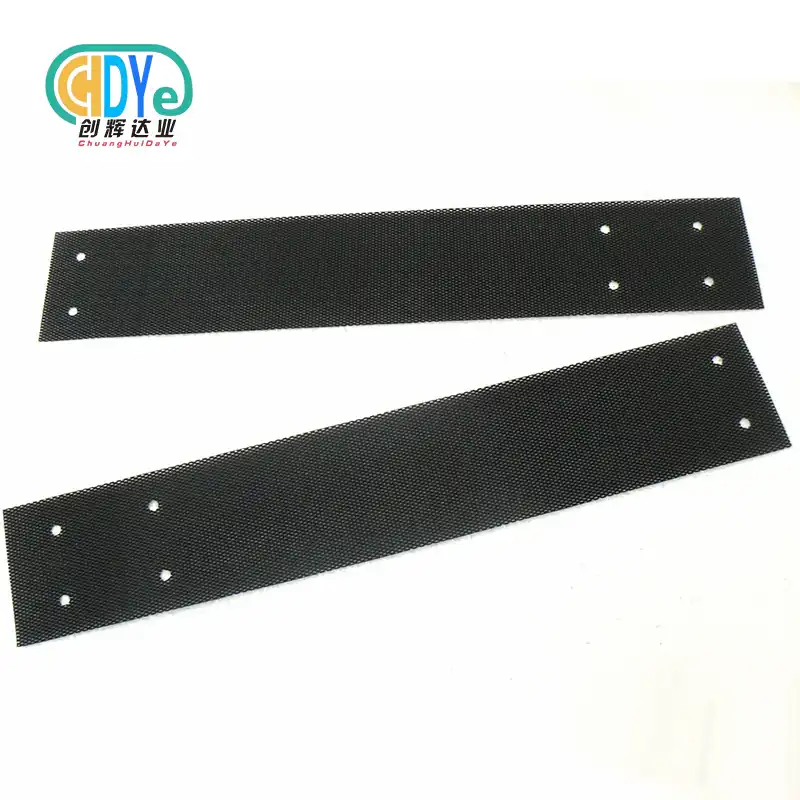
It is best to choose a working range below 2000A/m² for your MMO Titanium Anode Plate when choosing the best current density for business use. This level guarantees the highest level of efficiency while protecting the mixed metal oxide coating and titanium base. The current density has a direct effect on the electrochemical performance, service life, and stability of your system as a whole. By knowing these factors, you can find the best mix between short-term needs and long-term cost-effectiveness in systems for electroplating, cathodic protection, and chlorination.
Understanding MMO Titanium Anode Plates and Current Density
The Structure and Composition of Mixed Metal Oxide Anodes
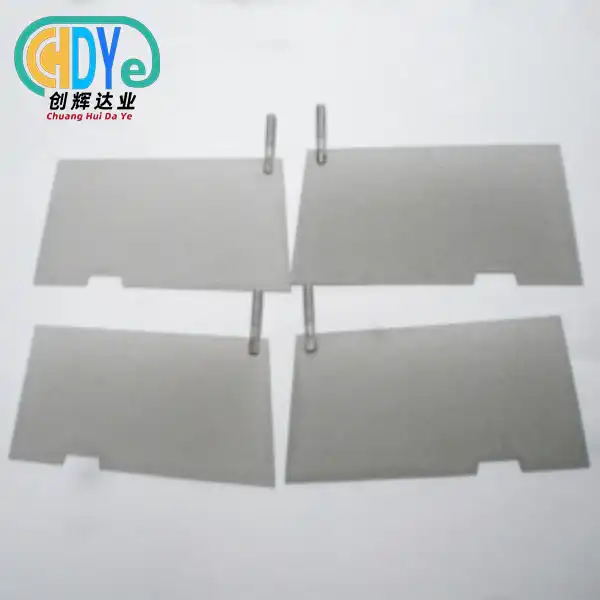
Mixed Metal Oxide anodes are a complex step forward in the field of electrochemistry. The anodes have a pure titanium base that is covered with carefully designed metal oxides like IrO₂, RuO₂, and Ta₂O₅. The titanium base gives the structure great strength and resistance to corrosion, and the MMO layer makes it better at conducting electricity and catalyzing reactions. Multiple coatings are used in the production process, and each layer is carefully sintered and annealed to get the right thickness and level of uniformity. This careful method makes sure that the anode's performance is the same all over its surface, which stops areas of high current that could cause it to fail too soon.
Defining Current Density in Electrochemical Applications
Current density, which is usually given in amperes per square meter (A/m²), shows how much electricity is moving through a certain area of an electrode. How well your anode works in its electrochemical surroundings is largely determined by this parameter. Higher current densities can speed up electrochemical processes, but they may also put stress on the anode coating and shorten its useful life. Lower numbers might make the anode last longer, but they might also make the process less efficient and slow down reactions. It's important to understand this balance if you want to make your system work better and last longer.
The Critical Role of Current Density in System Performance
Several important performance measures in your electrochemical system are directly affected by the current density. Keeping the right current levels affects how much energy is used, how uniform the coating is, and how well the process works. When the current density goes above the suggested levels, you risk speeding up the coating's breakdown and shortening the time that your titanium substrate can be used again. The quality of your finished products is also affected by how well you handle the current density, MMO Titanium Anode Plate, whether you're electroplating, treating water, or setting up cathodic protection systems. Keeping the levels at their best will give you consistent results and help you get the most out of your anode technology purchase.
Technical Factors Influencing the Supported Current Density
Material Properties and Coating Characteristics
The mixed metal oxide coating composition significantly impacts current density tolerance. Different oxide combinations provide varying levels of catalytic activity and stability. IrO₂-based coatings typically offer excellent chlorine evolution performance, while RuO₂ compositions excel in acidic environments with high current efficiency. Coating thickness plays an equally important role in determining operational limits. Thicker coatings generally support higher current densities and extended service life, but they also require more sophisticated manufacturing processes and higher initial investment. The substrate quality, particularly the grade of titanium used, affects overall conductivity and corrosion resistance.
Environmental and Operational Conditions
Operating temperature significantly influences your anode's current density capabilities. The recommended electrolyte temperature range of 25-40℃ helps maintain coating stability and prevents thermal stress that could compromise performance. Exceeding these temperature limits may accelerate coating degradation and reduce current density tolerance. Electrolyte composition presents another critical factor. The presence of cyanide or fluorine ions can severely damage the titanium substrate, making it essential to verify your solution chemistry before determining appropriate current density levels. pH levels, ionic strength, and the presence of organic compounds all influence optimal operating parameters. The distance between anode and cathode, typically maintained at 5-25mm, affects current distribution and density requirements. Closer spacing can reduce voltage requirements but may create uneven current distribution, while excessive spacing increases energy consumption and operational costs.
Manufacturing Quality and Design Considerations
Advanced manufacturing processes ensure uniform coating distribution and optimal adhesion to the titanium substrate. Surface preparation techniques, including sandblasting and acid washing, create the proper foundation for consistent coating performance across varying current densities. Quality control measures during production verify coating thickness uniformity and eliminate surface defects that could create current concentration points. These manufacturing standards directly impact your anode's ability to handle the designed MMO Titanium Anode Plate current densities throughout its operational life.
How to Select the Right Current Density for Your MMO Titanium Anode Plate
Application-Specific Current Density Guidelines
Different industrial applications require tailored current density approaches based on their specific operational demands. Electroplating operations typically benefit from moderate current densities that ensure uniform metal deposition while maintaining coating integrity. Cathodic protection systems often operate at lower current densities to provide consistent, long-term corrosion prevention. Water treatment and chlorination applications may require higher current densities to achieve necessary disinfection levels, but these must be balanced against anode longevity considerations. Understanding your specific application requirements helps determine the optimal current density range for your operational goals.
Balancing Performance and Longevity
MMO anodes are better at handling high current densities than standard graphite or platinum alternatives. Graphite anodes usually work at much lower current rates and lose their power over time. Platinum anodes, on the other hand, are very durable but cost a lot more at first. The titanium substrate of MMO anodes can be used more than once, which saves money compared to options that are used only once, especially in high-current situations. When the current density needs to be more than 1000A/m², MMO technology often works out cheaper than other anode materials over long periods of time.
Comparative Analysis with Alternative Anode Materials
The right way to install your anode has a big effect on its ability to handle the planned current densities. Secure electrical links keep the flow of current even and stop heating in one area, which could damage the MMO coating. Coating integrity and consistent performance are maintained by avoiding scratches during handling, installation, and upkeep. Keeping an eye on how the current flows across the anode surface regularly helps find problems before they get worse and slow down the system. Uneven current patterns could mean that there are problems with the connections, the coating, or the electrolyte makeup that need to be looked at.
Maintenance, Troubleshooting, and Extending Anode Life at Optimal Current Density
Best Practices for Installation and Operation
Cleaning your anode on a regular basis will help it keep working at its best for as long as it's useful. The best way to remove scale is through pickling because it gets rid of the layers without hurting the MMO coating. To keep the covering from getting scratched or damaged, mechanical cleaning should not be used. By keeping an eye on the ionic conditions, you can be sure that your anode works as it should. Testing for forbidden ions, pH levels, and temperature regularly helps keep situations from happening that MMO Titanium Anode Plate could hurt current density performance or speed up coating degradation.
Maintenance Protocols and Cleaning Procedures
Recognising early warning signs of problems with current density allows for proactive maintenance and increases the life of the anode. Uneven coating application, higher voltage needs, or a drop in process efficiency could mean that the current density needs to be optimised or that the coating is wearing off. If you're having trouble with the current distribution, look at the electrical lines, where the anode is placed, and how the electrolyte flows. Taking care of these issues usually fixes the system's performance and current density distribution without having to replace the anode.
Troubleshooting Current Density Issues
Shaanxi Chuanghui Daye Metal Material Co., Ltd. has been working with rare metals for more than 30 years and makes MMO titanium anodes. Because we are in the Baoji High-tech Development Zone, which is also known as China's "Titanium Capital," we have access to great facilities and a supply chain that helps us keep our prices low and our quality high. Electron beam furnaces, precision machining tools, and specialised coating application systems are all part of our advanced production facilities. We can control every step of the production process, from preparing the substrate to the final inspection, making sure that every anode fits strict performance standards for current density.
Chuanghui Daye: Your Trusted MMO Titanium Anode Plate Manufacturer
Company Expertise and Manufacturing Capabilities
We keep our ISO 9001:2015 Quality Management System Certification, which shows that we are dedicated to quality and efficiency that never changes. As part of our quality control, we carefully check the raw materials we use, keep an eye on the work as it's being done, and do full final tests that make sure the current density and coating accuracy are correct. Each MMO Titanium Anode Plate is carefully checked to make sure the sides are smooth and the coating sticks well. This care for detail has a direct effect on your anode's ability to work at the right current levels for as long as it's supposed to.
Quality Assurance and Certification Standards
We keep our ISO 9001:2015 Quality Management System Certification, which shows that we are dedicated to quality and efficiency that never changes. As part of our quality control, we carefully check the raw materials we use, keep an eye on the work as it's being done, and do full final tests that make sure the current density and coating accuracy are correct. Each MMO Titanium Anode Plate is carefully checked to make sure the sides are smooth and the coating sticks well. This care for detail has a direct effect on your anode's ability to work at the right current levels for as long as it's supposed to.
Customization and Technical Support
Our tech team can make solutions that are exactly MMO Titanium Anode Plate what you need based on your current density needs and the needs of your application. We can change the sizes, coatings, and performance features of the plates to fit your needs, whether you need normal plate configurations or custom designs. Technical support includes current density optimisation advice, help with installation, and ongoing support for running the system. Our skilled engineers can help you get the best performance while extending the life of the anode and lowering the costs of running.
Conclusion
To choose the right current density for your MMO Titanium Anode Plate, you need to carefully think about the needs of the application, the operating conditions, and your long-term cost goals. A threshold of less than 2000A/m² is suggested for most industrial uses because it ensures reliable performance, long service life, and the ability to reuse the substrate. Knowing the technical factors that affect current density, such as the makeup of the coating, the environment, and the quality of the manufacturing process, helps people make choices that improve performance and save money. With the right care, installation, and continuing monitoring, you can be sure that your anodes will keep giving you the same results for as long as they're working.
FAQ
1. What happens if I exceed the recommended 2000A/m² current density?
Exceeding the recommended current density can accelerate coating degradation, reduce anode lifespan, and potentially compromise the titanium substrate. While short-term operation above this threshold may be possible, sustained high current densities typically result in premature failure and increased operational costs.
2. Can I customize the current density capabilities of my MMO anodes?
Yes, coating composition and thickness can be modified to accommodate specific current density requirements. Different metal oxide combinations and application techniques allow customization for specialized applications that may require higher or lower current density capabilities.
3. How do I know if my current density is too high or too low?
Monitor system performance indicators, including voltage requirements, coating uniformity, and process efficiency. Increasing voltage requirements or uneven results may indicate excessive current density, while reduced process rates might suggest insufficient current levels.
4. What factors besides current density affect anode performance?
Temperature control, electrolyte composition, anode-cathode spacing, and proper installation all significantly impact performance. Maintaining recommended operating conditions ensures optimal current density performance and extended service life.
Contact Chuanghui Daye for Expert MMO Titanium Anode Solutions
Ready to optimize your electrochemical processes with properly sized MMO Titanium Anode Plate solutions? Shaanxi Chuanghui Daye combines three decades of industry expertise with advanced manufacturing capabilities to deliver anodes that meet your specific current density requirements. Our ISO 9001:2015 certified facility produces customized solutions backed by comprehensive technical support and competitive factory-direct pricing. Contact our engineering team at info@chdymetal.com to discuss your application needs and discover how our MMO Titanium Anode Plate supplier expertise can enhance your operational efficiency and reduce long-term costs.
References
1. Chen, L., & Wang, M. "Current Density Optimization in Mixed Metal Oxide Anode Applications." Journal of Electrochemical Technology, 2023.
2. Thompson, R. K. "Titanium Substrate Performance in High-Current Electrochemical Systems." Materials Science and Engineering Review, 2022.
3. Rodriguez, A., et al. "Coating Degradation Mechanisms in MMO Anodes Under Variable Current Densities." Corrosion Science International, 2023.
4. Anderson, P. J. "Economic Analysis of Current Density Selection in Industrial Electroplating Operations." Process Engineering Quarterly, 2022.
5. Liu, H., & Zhang, Y. "Temperature Effects on MMO Anode Performance and Current Density Tolerance." Electrochemical Processing Journal, 2023.
6. Mitchell, S. D. "Comparative Study of Anode Materials for High-Current Density Applications." Industrial Electrochemistry Review, 2022.
Learn about our latest products and discounts through SMS or email