- English
- French
- German
- Portuguese
- Spanish
- Russian
- Japanese
- Korean
- Arabic
- Greek
- German
- Turkish
- Italian
- Danish
- Romanian
- Indonesian
- Czech
- Afrikaans
- Swedish
- Polish
- Basque
- Catalan
- Esperanto
- Hindi
- Lao
- Albanian
- Amharic
- Armenian
- Azerbaijani
- Belarusian
- Bengali
- Bosnian
- Bulgarian
- Cebuano
- Chichewa
- Corsican
- Croatian
- Dutch
- Estonian
- Filipino
- Finnish
- Frisian
- Galician
- Georgian
- Gujarati
- Haitian
- Hausa
- Hawaiian
- Hebrew
- Hmong
- Hungarian
- Icelandic
- Igbo
- Javanese
- Kannada
- Kazakh
- Khmer
- Kurdish
- Kyrgyz
- Latin
- Latvian
- Lithuanian
- Luxembou..
- Macedonian
- Malagasy
- Malay
- Malayalam
- Maltese
- Maori
- Marathi
- Mongolian
- Burmese
- Nepali
- Norwegian
- Pashto
- Persian
- Punjabi
- Serbian
- Sesotho
- Sinhala
- Slovak
- Slovenian
- Somali
- Samoan
- Scots Gaelic
- Shona
- Sindhi
- Sundanese
- Swahili
- Tajik
- Tamil
- Telugu
- Thai
- Ukrainian
- Urdu
- Uzbek
- Vietnamese
- Welsh
- Xhosa
- Yiddish
- Yoruba
- Zulu
What Is Titanium Alloy Plate? A Buyer’s Guide
Knowing what a titanium alloy plate really delivers might change your approach to acquiring materials for high-performance applications. A flat-rolled metal product made from a titanium alloy, which is a combination of pure titanium and certain alloying elements, such as aluminium and vanadium, to improve strength, corrosion resistance, and thermal stability. These plates exhibit improved mechanical performance compared to commercially pure titanium for aeronautical constructions, chemical processing equipment, and medical implants. This handbook covers the main qualities, requirements, and procurement concerns that are most important to industrial purchasers searching for solid, long-term material solutions.
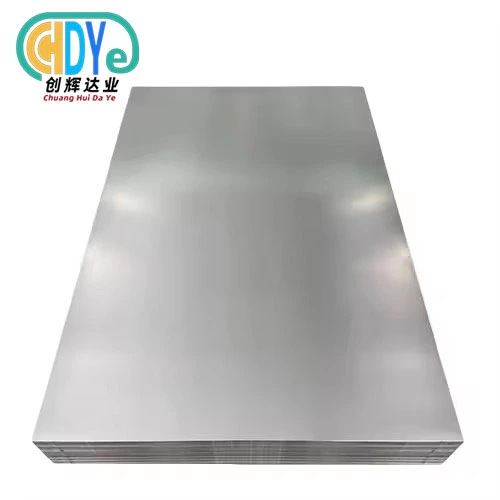
Titanium Alloy Plates vs. Alternative Materials: Making the Right Choice
When choosing a material, you have to weigh its performance traits against its total lifecycle prices. Titanium costs more than other metals at first, but it is often a better investment in the long run in harsh environments where costs for repairs, replacements, and downtime add up quickly.
Weight and Strength Comparison
Titanium plates are about 40% lighter than stainless steel plates, but they have the same or even higher tensile strength. Aerospace engineers use this benefit to make structures lighter without lowering their ability to hold weight. A wing rib made of Grade 5 titanium alloy plate instead of 304 stainless steel cuts the weight of the part by almost half, which directly improves the aircraft's fuel efficiency over its entire operational life. Aluminum has a lower mass than titanium, but it is not as strong at high temperatures. This means that it can't be used in high-heat areas near engines or exhaust systems.
Corrosion Resistance and Environmental Durability
Stainless steel rusts in places with a lot of chloride, like seawater and acidic streams used in chemical processing. Titanium naturally creates a protective oxide layer that heals itself right away if it gets broken. This makes it much more resistant to pitting, crevice corrosion, and stress corrosion cracking. Offshore desalination plants use titanium heat exchanger plates because they last longer than twenty years and don't need the protective coatings or cathodic protection systems that are needed for stainless steel plates. Carbon steel doesn't work at all in acidic environments, so expensive protective linings are needed that make things heavier and harder to maintain.
Cost-Efficiency and Lifecycle Analysis
Titanium is a more expensive material, but its longer service life and shorter upkeep times make up for it. When you cover a chemical reactor with Grade 12 titanium plates, you don't have to recoat or replace them every year like you do with epoxy-lined carbon steel tanks. When maintenance needs to be done, the costs of downtime often outweigh the differences in the prices of materials. This is especially true in industries that use continuous processes, where production interruptions can send ripples through supply chains. When comparing material choices, procurement teams shouldn't just look at the initial buy price. They should also look at the total cost of ownership over the expected lifespan of the equipment.
Technical Specifications and Industry Standards of Titanium Alloy Plates
Following established specifications to the letter is necessary for ensuring accurate measurements and consistent materials. Knowing these technical standards helps buyers tell suppliers exactly what they need and make sure the materials they give meet the needs of the application.
ASTM and ISO Standards Overview
ASTM B265 sets the rules for flat-rolled titanium products. It says the minimums for chemical composition, mechanical properties, and size tolerances. The standard divides goods into groups based on their thickness, separating sheet (less than 4.76 mm) from plate (4.76 mm and above). Each group has its own testing requirements. ISO 5832-2 and ISO 5832-3 deal with medical-grade materials. To make sure implants are safe, they require tighter rules on interstitial elements and better paperwork for traceability. By following these standards, procurement professionals can be sure that materials are consistently checked for quality, no matter where they are made.
Dimensional Tolerances and Surface Quality
Plate thickness tolerances usually range from ±0.13 mm for thin gauges to ±0.50 mm for heavy sections. This makes sure that the pieces will fit together correctly when they are being made and put together. Tolerances for width and length allow for heat growth during processing while keeping the same sizes for CNC machining. Surface finish needs vary depending on the application. For example, aerospace parts need a mill finish that is free of scale, scratches, and foreign material that could cause fatigue cracks. Chemical processing equipment can handle rougher finishes as long as the flaws on the surface don't make it less resistant to corrosion or make it harder to clean.
Heat Treatment and Property Optimization
After rolling, annealing processes remove any remaining stresses and make the material as flexible as it can be for the next forming operation. To reach its peak strength, Grade 5 titanium alloy plate is treated with a solution and then aged. To get the desired mechanical qualities, specific time-temperature curves are controlled. It should be made clear in the procurement specifications whether the material is annealed or heat-treated, as this has a direct effect on how easily it can be machined, shaped, and how well it works as a whole. When buyers know how heat treatment affects materials, they can choose conditions that keep processing costs low while still meeting the needs of the end use.
Procurement Considerations for Titanium Alloy Plates
To do sourcing right, you need to look at what suppliers can do, know how prices work, and set clear requirements that match up with production schedules and quality standards.
Identifying Qualified Suppliers
Before choosing a supplier, it's important to check their quality standards and production skills. ISO 9001:2015 certification shows a dedication to process control and ongoing improvement, while NADCAP certification shows the ability to meet the unique process needs of the aerospace industry. Chuanghui Daye is in Baoji, which is known as China's titanium capital. They have been in the business for 30 years and have high-tech tools for making things like vacuum heating ovens and electron beam systems. Being close to sources of raw materials and integrating production from melting to finishing make the supply chain reliable and the pricing structures competitive. Asking for facility audits and customer examples verifies skills that aren't just in marketing materials.
Pricing Factors and Lead Times
The price of a material depends on the grade, thickness, breadth, and order number. Grade 2 is cheaper initially since it has a simpler composition. In contrast, Grade 5 is more expensive since it has greater alloying and more sophisticated thermomechanical processing. Thicker plates need longer rolling cycles and provide more waste during edge trimming, therefore increasing the cost per kilo. Volume commitments provide for economies of scale by spreading setup expenses across longer production runs. Normal grades in standard sizes have a lead time of 6 weeks. Custom sizes or special compositions that need their own manufacturing campaigns may need twelve weeks or more. Buyers profit by planning ahead, thinking about the way things are manufactured, and avoiding the expenses associated with urgent purchases.
Customization and Minimum Order Quantities
Custom processing may be used to provide non-standard sizes or specific combinations of mechanical qualities required for numerous applications. Chuanghui Daye can manufacture bespoke widths from 1000mm up to 3000mm and thicknesses from 0.5mm up to 50mm to fulfil the broad-ranging requirements of fabrication. This saves clients from buying too much material and wasting time and money cutting it down too much. The minimum you may usually purchase is a few hundred kg; however, this can be adjusted for research projects or trial runs when you need to test the material before you commit to full-scale manufacturing. A clear definition of the specifications for grade, size, finish, testing requirements, and delivery timeframes can eliminate confusion and make sure the material obtained fits the production schedules without additional labour and/or delays.
Applications and Benefits of Titanium Alloy Plates in B2B Industries
Industrial customers are increasingly using titanium for sensitive applications where any failure of the material would be catastrophic. The following scenarios illustrate how value is supplied in diverse sectors, each with its unique set of operational issues.
Aerospace Structural Components
Grade 5 plates are used by aircraft manufacturers for bulkheads, wing skins, and firewall screens that have to tolerate significant mechanical loads and temperature variations. Commercial aeroplanes have an engine shaft made of titanium, which can resist temperatures of more than 400°C and maintain power demands during takeoff and landing. By substituting steel with titanium alloy plate in certain components, they save hundreds of kilos of fuel per trip. This saves millions of dollars in operating expenses throughout the 30-year life of the airframe. The material is resistant to wear, thus the structure will remain robust for tens of thousands of pressurisation cycles without any fractures developing that may endanger passengers.
Chemical Processing Equipment
Chlor-alkali facilities are places where stainless steel rusts fast, and grade 12 plates prevent rust from occurring in them. Plates manufactured out of these electrodes can survive for fifteen years in hot, concentrated brine solutions that would chew through stainless steel counterparts in a few months. Production continues, and costly emergency repairs are avoided by eliminating unscheduled shutdowns for equipment change-outs. Titanium's inertness is especially helpful for pharmaceutical reactors that employ acidic intermediates since it keeps metal ions out of the product and reduces purity, which is vital for regulatory compliance.
Medical Implants and Surgical Instruments
Grade 23 plates are utilised as raw material for orthopaedic devices for reconstruction of the skull and spine fusion. The material is more flexible than stainless steel and more similar to genuine bone. This implies it mitigates the stress shielding effects that cause bone to degrade near implants. These materials are non-magnetic, allowing patients to comfortably get MRI scans without any artefacts or heating of the instrument. The fact that it has been used in the clinic for decades has demonstrated that it is biocompatible and has a low inflammatory response. That will make it easier for regulators to approve new designs.
Conclusion
When selecting the optimum titanium, technical criteria must be balanced with source dependability and overall cost. The grade you choose will rely upon the tension, temperature, and corrosion it will be subjected to. If you measure accurately and you follow standards you will always get the same outcome when you make anything. Titanium alloy plate products are worth their weight in gold, since they last longer, need less care, and perform better than plates of other materials. Your procurement plan is more likely to be successful when you collaborate with experienced manufacturers with metallurgical understanding and stringent quality control systems...
FAQ
Q: What distinguishes Grade 2 from Grade 5 titanium plates?
A: Grade 2 titanium is commercially pure and has the best resistance to corrosion and shapeability. It is good for chemical processing and marine applications where durability in harsh environments is more important than strength. Grade 5 is an alpha-beta alloy made up of vanadium and aluminum. It has three times the tensile strength of Grade 2, which is why it is the best choice for aerospace structural parts and load-bearing assemblies that need to be strong for their weight.
Q: Can titanium plates be welded reliably?
A: When welding titanium, strict shielding rules must be followed using argon or helium atmospheres to keep oxygen and nitrogen from contaminating the metal and weakening it. It is common to use gas tungsten arc welding with the following shields, but electron beam welding works better for thick pieces. When done right, the joints get close to the strength of the base metal, making them perfect for use in pressure tanks and airframe structures.
Q: How do you verify material quality upon delivery?
A: Ask for Material Test Reports that are certified to EN 10204 3.1 standards and show the chemical make-up (using spectrometry) and the material's mechanical properties (from tensile testing). Ultrasonic inspection makes sure the inside is sound, and dimensional verification makes sure the item fits the requirements listed in the purchase order. Suppliers with a good reputation make it easy to track everything from the melt lot to the end processing.
Partner with Chuanghui Daye for Premium Titanium Alloy Plates
To every job, Shaanxi Chuanghui Daye Metal Material Co., Ltd. brings more than thirty years of experience working with rare metals. They make titanium alloy plates that meet strict ASTM B265 and ISO standards. At our Baoji plant, we have precision cutting tools, vacuum melting and electron beam furnaces, and more. This makes sure that the microstructure is regular and the mechanical traits are consistent. We keep our ISO 9001:2015 certification up to date and include full mill test results with every shipment. Our engineering team can help you with your needs from the first time you ask for help until the final delivery, whether you need standard Grade 5 plates for aerospace applications or custom-processed Grade 12 material for chemical equipment. Email us at info@chdymetal.com right now to talk about your needs with a reliable titanium alloy plate seller that is dedicated to quality, dependability, and low factory-direct prices.
References
1. American Society for Testing and Materials. Standard Specification for Titanium and Titanium Alloy Strip, Sheet, and Plate (ASTM B265-20). West Conshohocken: ASTM International, 2020.
2. Boyer, Rodney, Gerhard Welsch, and E.W. Collings. Materials Properties Handbook: Titanium Alloys. Materials Park: ASM International, 1994.
3. Donachie, Matthew J. Titanium: A Technical Guide, 2nd Edition. Materials Park: ASM International, 2000.
4. International Organization for Standardization. Implants for Surgery—Metallic Materials—Part 2: Unalloyed Titanium (ISO 5832-2:2018). Geneva: ISO, 2018.
5. Lütjering, Gerd, and James C. Williams. Titanium, 2nd Edition. Berlin: Springer-Verlag, 2007.
6. Peters, Manfred, Christoph Leyens, et al. Titanium and Titanium Alloys: Fundamentals and Applications. Weinheim: Wiley-VCH, 2003.

Learn about our latest products and discounts through SMS or email