- English
- French
- German
- Portuguese
- Spanish
- Russian
- Japanese
- Korean
- Arabic
- Greek
- German
- Turkish
- Italian
- Danish
- Romanian
- Indonesian
- Czech
- Afrikaans
- Swedish
- Polish
- Basque
- Catalan
- Esperanto
- Hindi
- Lao
- Albanian
- Amharic
- Armenian
- Azerbaijani
- Belarusian
- Bengali
- Bosnian
- Bulgarian
- Cebuano
- Chichewa
- Corsican
- Croatian
- Dutch
- Estonian
- Filipino
- Finnish
- Frisian
- Galician
- Georgian
- Gujarati
- Haitian
- Hausa
- Hawaiian
- Hebrew
- Hmong
- Hungarian
- Icelandic
- Igbo
- Javanese
- Kannada
- Kazakh
- Khmer
- Kurdish
- Kyrgyz
- Latin
- Latvian
- Lithuanian
- Luxembou..
- Macedonian
- Malagasy
- Malay
- Malayalam
- Maltese
- Maori
- Marathi
- Mongolian
- Burmese
- Nepali
- Norwegian
- Pashto
- Persian
- Punjabi
- Serbian
- Sesotho
- Sinhala
- Slovak
- Slovenian
- Somali
- Samoan
- Scots Gaelic
- Shona
- Sindhi
- Sundanese
- Swahili
- Tajik
- Tamil
- Telugu
- Thai
- Ukrainian
- Urdu
- Uzbek
- Vietnamese
- Welsh
- Xhosa
- Yiddish
- Yoruba
- Zulu
Where Can You Source Reliable Titanium Fasteners?
Sourcing titanium fasteners from a dependable supplier means partnering with manufacturers who combine advanced metallurgical expertise, rigorous quality control, and transparent certification. Reliable suppliers provide fasteners manufactured from certified grades like Gr1, Gr2, and Gr5 titanium alloys, complying with international standards including ASTM, ISO, DIN, and GB. These components are engineered through precision machining processes and backed by full material traceability, ensuring consistency and performance across aerospace, marine, chemical processing, and medical device industries. Choosing a supplier with ISO 9001:2015 certification and decades of experience in rare metal production guarantees you receive components that meet stringent mechanical and corrosion-resistance specifications.
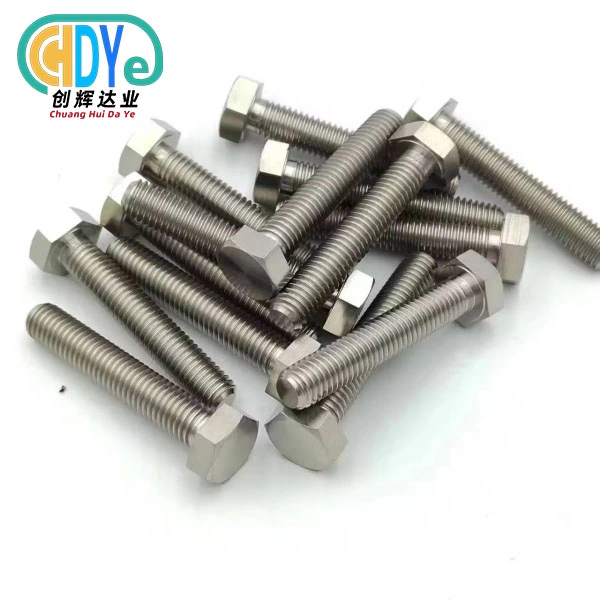
Key Considerations When Selecting Titanium Fasteners
Procurement professionals have to make tough decisions when they need to specify fastening solutions for tough jobs. It is important to understand the technical differences between products, certifications, and providers' skills in order for a project to be successful and for its operations to run smoothly in the long term.
Material Grade Selection and Performance Implications
Metal screws are mostly made from three different kinds of titanium. There are things about each that make it best for a certain job. The purest grade of titanium, grade 1, is the strongest and least likely to rust. This makes it perfect for marine gear and equipment used in chemical processing that will come into contact with harsh media. Because it is stronger and easier to shape, grade 2 titanium is the best choice for most business uses. It also doesn't rust easily. Titanium fasteners are available in different grades to meet specific performance requirements. Steel grade 5 (Ti-6Al-4V) is the best metal for defense, high-performance aircraft, and other uses that need the most strength per gram. There is about 6% aluminum and 4% vanadium in this alpha-beta alloy, which makes it stronger and more resistant to heat than commercially pure grades. It's important to think about your budget, the working area, the load that needs to be moved, and the temperature that will be there when you choose a material. This will help you figure out which grade is best for each job.
Certification Standards and Quality Assurance Protocols
There are strict records that reliable providers keep that show where the raw materials for each batch of screws come from and how they were inspected at the end. A business that has been approved by ISO 9001:2015 is committed to structured quality management, process control, and growth all the time. When a material is certified, it should include references to the right standards. For example, ASTM B348 for titanium bars and ASTM F467/F468 for fasteners' mechanical properties. Tolerances for dimensions and threads must meet well-known standards such as DIN 912, ISO 4762, or GB, depending on the region and the needs of the industry. Providers that offer full material test reports (MTRs), chemical makeup analyzes, and proof of mechanical properties help important applications understand what to do when a failed part could be illegal or cause terrible results.
Supplier Reliability and Manufacturing Capabilities
As you look at possible suppliers, you should check out their technical infrastructure, output, and business knowledge. When it comes to melting, forging, rolling, and CNC machining, manufacturers with more advanced equipment can keep standards smaller and material traits more stable across production runs. Electron beam melting skills show whether a supplier can make pure titanium with little contamination between the crystals. Special sellers are different from commodity sellers because they offer customization options. Engineers can improve designs without lowering quality when they can make heads with different forms, sizes, or thread arrangements. Because they offer standard levels from M2 to M25 and more, as well as different lengths, suppliers show that they can make a lot of different goods to suit different projects.
Where to Source Reliable Titanium Fasteners: Market Overview and Supplier Types
There are different kinds of suppliers around the world for specialized fastening parts. Each one meets the needs and buying habits of a different group of customers. Buyers can find partners whose needs and goals are similar to their own if they know about these market groups.
Specialized Manufacturers Versus Distributors
Instead of working with wholesalers, it's better to work directly with producers for a number of reasons. You can get more technical help, more ways to customize your products, and more in-depth technical knowledge when you work with a manufacturing partner. At every step of the way, they are in charge of the quality of the production, and they can change the design or the specs faster than middlemen. Distributors and wholesalers are very helpful because they can handle small orders, send stock setups quickly, and let you buy a lot of different kinds of parts at once. When buying in bulk, meeting specific standards, or making long-term deals with manufacturers, direct connections are usually better. This is because they get rid of markup layers and make it easier for technical teams to talk to each other.
Geographic Considerations and Supply Chain Resilience
Many professionals in China's Baoji area, which is known as the "Titanium Capital," are skilled in creating and working with rare metals. This group of factories has established supply lines, a skilled workforce, and shared technical knowledge that helps make things more efficient and sparks new ideas. This is where Shaanxi Chuanghui Daye Metal Material Co., Ltd. works, and it serves customers from all over the world with its full production infrastructure and more than 30 years of experience in the field.No matter where the supplier is located, you should look at how good they are at logistics, how reliable their shipping is, and how quickly they answer your messages. When you buy something from another country, you need sellers who know how to fill out the export paperwork, check the quality of the goods, and package them in a way that makes sure the parts arrive undamaged and ready to be used in production.
Pricing Structures and Value Optimization
The cost of raw materials, how hard it is to make, how many orders there are, and how long it takes to send them are just some of the things that affect the price of titanium pins. Grade 5 parts are more expensive than widely pure grades because they are made of a mix and are better in terms of how they work. It costs more per unit when you need to buy new tools or pay more for setup when you need unique specs, special finishes, or non-standard combinations. Titanium fasteners can also vary in price depending on these customization and production requirements. When you promise to buy in bulk and make a long-term deal, you can often get better prices and make sure you always have enough. From one supplier to the next, the minimum order amount is very different. Most of the time, manufacturers need larger batches than wholesalers. Pay close attention to how people buy things and make the most of your procurement budget to find the best balance between the costs of keeping stock and the benefits of lower unit prices.
Practical Guide to Sourcing Titanium Fasteners for Your Business Needs
Finding possible suppliers is only the first step in a successful procurement process. It's also important to set up a way to evaluate them and work with them. It's less likely to fail with this planned way, and it also makes sure the technology works and sets the stage for long-term teamwork.
Define Precise Technical Requirements
To make clear specifications, the first thing that needs to be done is a full analysis of the operating conditions. This includes looking at things like temperature ranges, exposure to corrosive media, load profiles, and environmental factors. You need to be able to measure tensile strength, shear strength, and wear resistance in order to pick the right type of material. It's best to write down all the thread specs, head styles, length needs, and finish options so that there are no misunderstandings. What each product and company needs to do to comply with regulations is different. For projects in the aerospace industry, you might need AS9100 certification or NADCAP approval. Biocompatibility standards set by the FDA must be met for parts of medical devices. Chemical processing equipment might need to be NACE-compliant or test materials in a certain way. Being clear about these needs from the start makes it easier to find suppliers and keeps you from having to wait, which costs a lot of money.
Evaluate Supplier Capabilities and Credentials
In a full provider review, the systems for controlling quality, the facilities for making things, and the technical support are all looked at. If someone says they can do something, you should ask for proof of their production capacity, facility certifications, and an inventory of their equipment. Check out the test results for some sample materials to see how good and complete the report is. If you want to know how reliable, communicative, and good at solving problems a provider is, you can look at customer examples and case studies. Most of the time, suppliers who work with the medical equipment, aircraft, or defense industries have tighter quality controls and higher quality standards than suppliers who only work with commercial uses.
Request Samples and Conduct Validation Testing
Before placing a big order for production, prototyping with sample parts lets you check the accuracy of the measurements, the quality of the finish on the surface, and the mechanical features. Third-party testing in different labs backs up what sources say and gives engineers real performance data to look over. Procedures for testing should be based on real-life working conditions as much as possible. This includes checking for resistance to corrosion, mechanical properties, and making sure that measurements match the specs. We find potential issues early on in this evaluation process, and we set performance standards so that we can keep track of quality.
Establish Long-Term Partnership Frameworks
With strategic relationships with suppliers, you can get a lot more than just goods. People can work together in collaborative relationships to solve problems, improve ideas, and keep making things better. This makes the product work better and lowers its total cost of ownership. People can trust each other and act quickly when they can talk about predictions, changes to specifications, and quality problems in a clear way. Framework agreements spell out pricing structures, delivery schedules, quality standards, and ways to handle problems that go beyond what was agreed upon. These agreements are what make operations reliable. Business reviews every so often let you look at data on what worked and what didn't, talk about issues, and find ways to work together better or cover more ground.
Conclusion
You should carefully look at the credentials, technical skills, and quality assurance systems of prospective providers to find titanium fasteners that you can trust. Production know-how, strict certification standards, and quick customer service to make sure that parts meet exact performance needs are all parts of the best relationship. Manufacturers who offer a variety of material types (Gr1, Gr2, Gr5), sizes that can be changed (M2 to M25 and beyond), and compliance with international standards (ASTM, ISO, DIN, GB) give people in the business the freedom they need. It is important for a good procurement process to find a balance between technical needs and cost worries. It is also important to focus on building partnerships with providers that support long-term business success through consistent quality, supply reliability, and working together to solve problems.
FAQ
Q: How do titanium fasteners compare to stainless steel alternatives in demanding environments?
A: In chloride-rich areas and naval settings, titanium parts don't rust as easily as stainless steel parts do. Stainless steel can pit and crack in these places. Titanium is about 45% lighter than steel, which makes it a great material for aerospace and automotive applications where lowering mass directly boosts performance. Titanium often has a better lifecycle value in harsh working conditions than stainless steel, even though stainless steel is cheaper at first. This is because titanium lasts longer, needs less maintenance, and is more reliable.
Q: What impact does titanium grade selection have on fastener cost and performance?
A: The grade level has a direct effect on both how well someone does and how much money they need to spend. Types that are sold in stores (Gr1, Gr2) don't cost too much and don't rust as much, but they're not as strong. Grade 5 (Ti-6Al-4V) is the strongest for its weight and the most heat-resistant. Because it is harder to work with and has more alloys, it costs more than other types. The needs of the application determine the best balance between performance needs and price limits.
Q: Can suppliers accommodate custom specifications beyond standard fastener configurations?
A: Reliable manufacturers with a wide range of machining skills often make to specific needs, like non-standard lengths, thread types, head shapes, and their own designs. Changes can be made depending on the supplier's infrastructure, technical know-how, and minimum order amounts. Being involved early in the planning process lets everyone work together to find the best solution that matches performance needs with cost-effective production.
Partner with Chuanghui Daye for Premium Titanium Fastener Solutions
Rare metals have been worked with by Shaanxi Chuanghui Daye Metal Material Co., Ltd. for more than 30 years. The company works with people from all over the world in the chemical processing, medical device, airplane, and industrial production businesses. In Baoji, China, which is known as the "Titanium Capital," our ISO 9001:2015-certified plant makes high-quality Gr1, Gr2, and Gr5 titanium fasteners. These screws are made to meet ASTM, ISO, DIN, and GB standards. They come in lengths from M2 to M25, and you can order them in any other length you need. Our quality control is very strict. It includes advanced electron beam melting, precise CNC machining, and many checks that make sure all the materials can be traced back to where they came from. When you buy titanium fasteners from our trusted company, you can get them at low factory-direct prices and with flexible small-batch production, quick development, and full expert support. Drop us an email at info@chdymetal.com to talk about your needs and find out how our technical know-how can help you use reliable, high-performance parts in your next project to make it better.
References
1. Boyer, R., Welsch, G., & Collings, E.W. (2007). Materials Properties Handbook: Titanium Alloys. ASM International, Materials Park, Ohio.
2. Donachie, M.J. (2000). Titanium: A Technical Guide, 2nd Edition. ASM International, Materials Park, Ohio.
3. Schutz, R.W. & Thomas, D.E. (1987). "Corrosion of Titanium and Titanium Alloys," in Metals Handbook, 9th Edition, Volume 13: Corrosion. ASM International.
4. ASTM International (2021). ASTM F467/F467M-20: Standard Specification for Nonferrous Nuts for General Use. West Conshohocken, Pennsylvania.
5. ASTM International (2021). ASTM F468/F468M-20: Standard Specification for Nonferrous Bolts, Hex Cap Screws, and Studs for General Use. West Conshohocken, Pennsylvania.
6. Lütjering, G. & Williams, J.C. (2007). Titanium, 2nd Edition. Springer-Verlag, Berlin Heidelberg.
Learn about our latest products and discounts through SMS or email