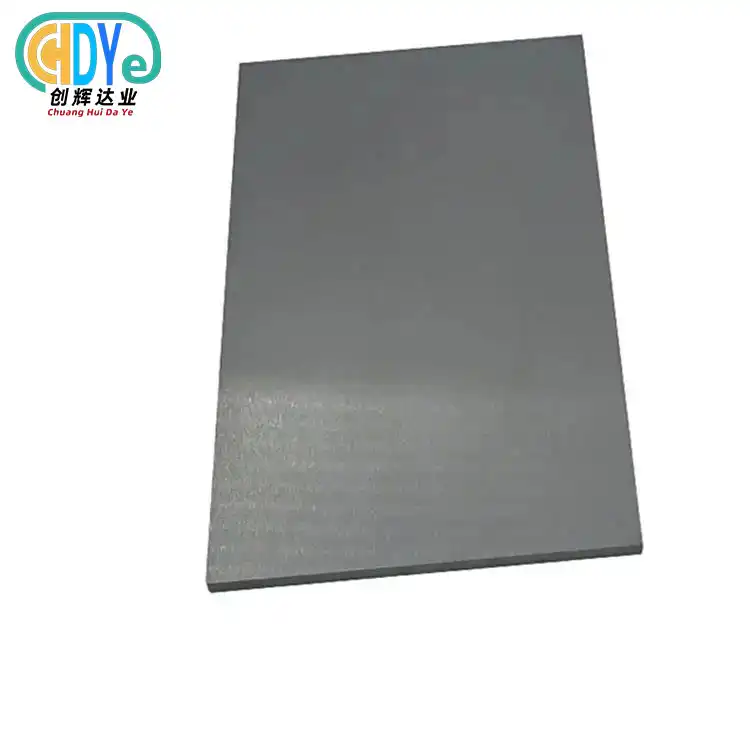
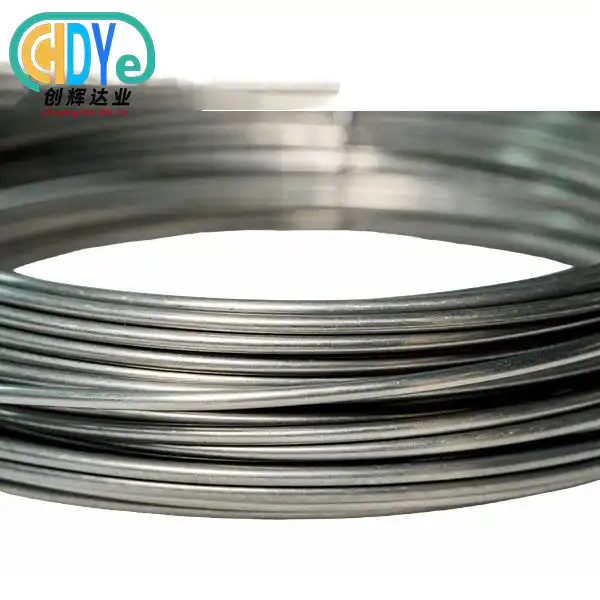
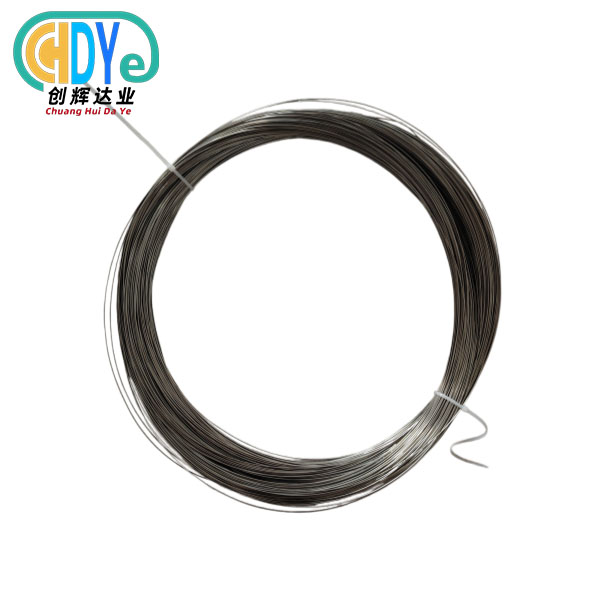
Research and supplier evaluation are needed to find fast-delivering, high-quality tantalum seamless tube providers. ISO 9001:2015-certified manufacturers, industrial suppliers in key production hubs, and B2B platforms that connect buyers with verified tantalum tube manufacturers are the best sources. Regional wholesalers give local support and speedier shipment for basic specs, while direct factory purchase offers the best value and customization.
Understanding the Global Tantalum Seamless Tube Market
Global demand for tantalum seamless tube is rising across industries. This specialised material is essential for chemical processing, aerospace, and semiconductor fabrication. Buyers may choose trusted suppliers and make educated purchases by understanding market dynamics.
Market Drivers and Growth Trends
Several factors boost tantalum seamless metal tube demand. Chemical processing needs corrosion-resistant tube solutions for harsh acids and high temperatures. Aviation heat exchangers and propulsion systems require high-purity tantalum. Electronics makers need precision tantalum tubing for semiconductors.
Tantalum usage is expected to expand, notably in manufacturing-heavy Asia-Pacific. Strategic sourcing and long-term supplier partnerships allow customers to get competitive rates with this growth.
Regional Supply Distribution
Major tantalum tube supplier networks span geographies. Baoji is home to many advanced-processing manufacturers in China's Titanium Capital. Precision and regulatory compliance are European suppliers' priorities. With logistical networks, North American distributors service local markets.
Each region has advantages. With flexible production, Asian manufacturers offer affordable alternatives. European vendors thrive at quality documentation and precision engineering. American distributors provide quickly and provide technical support for critical projects.
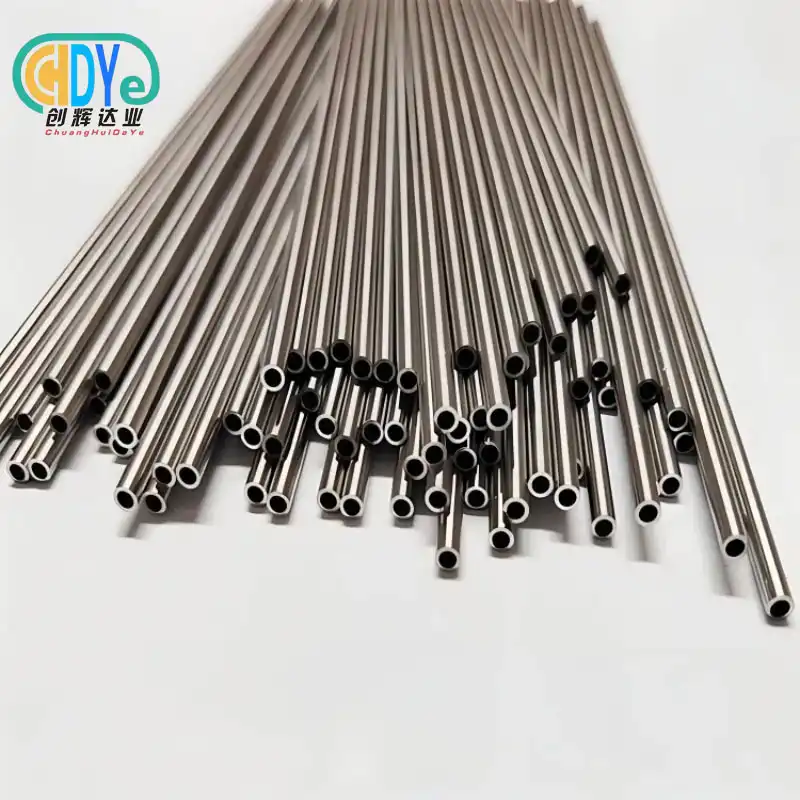
Key Applications and Performance Advantages
Tantalum alloy tube products deliver exceptional performance in demanding applications. Understanding these advantages helps buyers appreciate the value proposition and select appropriate specifications for their specific requirements.
Chemical Processing Applications
For processing corrosive substances, chemical and petrochemical industries use heat-resistant tube solutions. Nitric, sulfuric, and hydrochloric acids cannot harm tantalum seamless tubes. This resistance prolongs equipment life and cuts maintenance expenses.
Tantalum tubing heat exchangers work well where stainless steel fails. Tantalum's corrosion resistance and thermal conductivity enhance shell-and-tube heat exchangers, U-tube bundles, and spiral coils.
High-Temperature Industrial Applications
Industrial tantalum tube is used in high-temperature military and aerospace applications. Structure remains intact at temperatures above 2000°C in regulated atmospheres. This makes tantalum tubing essential for rocket nozzles, jet engine parts, and thermal protection.
Thermal barriers and vacuum furnace heating components use tantalum tubing. The material's vacuum stability and thermal shock resistance provide manufacturing process reliability.
Electronics and Semiconductor Manufacturing
Making semiconductors without compromising sensitive procedures requires ultra-pure materials. Sputtering targets, vacuum system components, and thermocouples are protected by tantalum tubing. A material's inert surface prevents chemical reactions during processing.
Plasma coatings use tantalum tubular targets. These applications demand precise tantalum tube diameters and surface treatments for coating quality and process reproducibility.
Comparing Different Sourcing Channels
Various procurement channels offer different advantages and limitations. Buyers must evaluate options based on their specific requirements, including volume, customization needs, delivery timelines, and budget constraints.
Direct Factory Purchase vs. Distributor Networks
| Channel Type | Advantages | Disadvantages | Best For |
|---|---|---|---|
| Direct Manufacturer | Competitive tantalum tube price, customization options, quality control | Higher MOQs, longer lead times | Large volume orders, custom specifications |
| Regional Distributors | Local inventory, faster delivery, smaller quantities | Higher unit costs, limited customization | Urgent needs, standard specifications |
| B2B Platforms | Multiple supplier options, competitive quotes | Quality verification challenges, communication barriers | Market research, price comparison |
| Trading Companies | Simplified logistics, consolidated shipping | Additional markup, limited technical support | Mixed material orders, simplified procurement |
Evaluating B2B Procurement Platforms
Many tantalum tube manufacturers from around the world can be found on online business-to-business (B2B) sites. These tools make it easier to compare prices and check out potential suppliers. Buyers should be careful, though, when evaluating suppliers through digital platforms.
Reliable platforms check the identities of suppliers and keep rating systems that are based on past transactions. Before contacting a seller, buyers should look at their profile, any certifications they have, and customer feedback. Video calls and tours of the facility help prove that the provider is trustworthy and can make the product.
Supplier Selection and Quality Verification
Selecting reliable suppliers requires systematic evaluation of multiple factors. Quality certification, production capabilities, and customer service standards determine long-term partnership success.
Essential Certification Requirements
Certification of a quality management system is one of the most basic ways to make sure that a seller is reliable. Getting ISO 9001:2015 approval shows that you are dedicated to maintaining quality and always making things better. For aerospace or medical uses, you may need extra certifications that are special to those fields.
Documentation for material traceability makes sure that industry norms and customer requirements are met. For each batch, suppliers should give full mill test records, chemical analysis reports, and mechanical property test results.
Production Capability Assessment
Manufacturing capabilities determine a supplier's ability to meet specific requirements. Key factors include:
- Available tantalum tube dimensions and thickness ranges
- Precision machining and forming capabilities
- Quality control equipment and testing procedures
- Production capacity and scalability
- Lead time flexibility for urgent orders
Suppliers with comprehensive tantalum tube machining capabilities can provide value-added services, including cutting, bending, welding, and surface treatment. These services reduce downstream processing costs and simplify supply chain management.
Technical Support and Customer Service
Superior suppliers are different from common suppliers because they have more technical knowledge. Suppliers with a lot of experience know how to use tantalum tubes and can suggest the best specs for each application. They explain how to weld tantalum tubes, how to place them, and how to keep them in good shape.
Respondent customer service makes sure that orders go through smoothly and that any problems are fixed quickly. Suppliers should make it easy for customers to talk to them, keep them up to date on their orders, and offer flexible payment options that meet their needs.
Procurement Best Practices and Common Pitfalls
Successful tantalum tubing procurement requires careful planning and attention to critical details. Understanding common challenges helps buyers avoid costly mistakes and establish efficient supply relationships.
Specification Development and Communication
Specifications that are clear help avoid confusion and make sure that the goods delivered meet the needs. Some important factors are the grades, sizes, standards, surface finishes, and testing needs for tantalum tubes. Uncertainty is taken away by clear drawings and material norms.
Buyers should be clear from the start about what certifications, packaging, and shipping terms they need. In buy agreements, it should be clear what the payment terms are, how to accept quality, and what the warranty covers.
Quality Control and Inspection Procedures
Incoming inspection processes make sure that the material meets the requirements. Basic quality control includes visual inspection, measuring, and testing for material recognition. For important uses, extra tests might be needed, like chemistry analysis, testing for mechanical properties, and non-destructive examination.
Independent checks are done by third-party inspection services for important or high-value orders. When buying from new sources or for uses that have strict quality standards, these services can be very helpful.
Logistics and Delivery Management
Logistics management that works well makes sure that deliveries happen on time and at the lowest cost. Combining several items into one lowers freight costs and makes the receiving process easier. Good packing keeps things safe while they're being shipped and stops them from getting contaminated.
When sending goods across international borders, you need to pay close attention to the customs paperwork, export licenses, and import rules. Suppliers with a lot of experience can help with these needs and suggest the best shipping methods based on haste and cost.
Analyzing Global Market Demand Patterns
Understanding demand patterns across different customer segments helps buyers anticipate market trends and negotiate favorable terms with suppliers.
Industrial Sector Demand Characteristics
For plant building and maintenance projects, chemical processing companies often buy a lot of standard tantalum pipe configurations. Most of the time, these orders are long-term contracts with set delivery dates. This lets suppliers plan their production more efficiently and offer reasonable prices.
Aerospace manufacturers need smaller amounts, but they want very good quality and a lot of paperwork. Customers in this group care more about a supplier's dependability and technical help than the lowest price. This means that specialized suppliers can get to the top of the market.
Research and Development Market Segments
Universities and research centers are a special kind of customer with their own buying habits. Most of the time, these customers need small amounts of high-purity products that can be tailored to their needs. They like suppliers who can offer expert advice and work with changes to specifications that happen often.
A lot of the time, research apps are used to test new technologies that are then used in mass production. Suppliers that do a good job for research customers may be able to get early access to new business possibilities in commercial applications.
Cost Optimization Strategies
Effective cost management requires understanding the factors that influence pricing and implementing strategies to optimize total cost of ownership.
Volume-Based Pricing Strategies
Tantalum material costs make up a big part of the price of the end product. Suppliers usually give deals based on the number of items you buy and how often you buy from them each year. By combining needs from different projects or teams, buyers can lower unit costs.
Long-term contracts with minimum volume promises can often get better prices and make sure there is a supply. These deals are good for everyone because they give suppliers stable demand and buyers steady prices.
Value Engineering Opportunities
Working with suppliers to set standards for tantalum tubes can help find ways to cut costs without affecting performance. Different types of tantalum tubes, different sizes, or different finishing on the outside may give the same performance for less money.
Suppliers who can do a lot of different kinds of processing can often suggest changes to designs that keep the usefulness but lower the cost of making them. These partnerships are good for both sides and make relationships stronger over time.
Conclusion
To discover high-quality tantalum seamless tube, thoroughly evaluate sources, make explicit specifications, and strategically buy. Large purchases benefit from direct manufacturer contacts for quality, customization, and affordable prices. Regional distributors can address urgent demands and move lesser amounts. You must carefully assess suppliers, give them clear instructions, and maintain connections to succeed. Long-term buyers who assist suppliers grow frequently obtain the highest quality, service, and total cost of ownership.
FAQ
Q: What is the typical lead time for custom tantalum seamless tube orders?
A: Standard lead times range from 2-3 weeks depending on specifications and quantity. Custom dimensions or special requirements may extend lead times to 10-12 weeks. Suppliers with inventory of common sizes can often provide faster delivery for standard specifications.
Q: What minimum order quantities should I expect when sourcing tantalum tubing?
A: MOQs vary significantly by supplier and specification. Direct manufacturers typically require 50-100 kg minimum orders for standard grades. Distributors may accommodate smaller quantities starting from 10-20 kg but at higher unit prices. Research quantities as small as 1-5 kg are often available from specialized suppliers.
Q: How do I verify the quality and authenticity of tantalum seamless tube materials?
A: Request complete mill test certificates including chemical analysis and mechanical properties. Verify supplier ISO 9001:2015 certification and review customer references. Consider third-party inspection services for critical applications. Proper documentation should include material traceability from raw material through final processing.
Partner with Chuanghui Daye for Premium Tantalum Seamless Tube Solutions
Shaanxi Chuanghui Daye Metal Material Co., Ltd. stands as your trusted tantalum seamless tube manufacturer, combining over 30 years of industry expertise with ISO 9001:2015 certified quality systems. Located in China's Titanium Capital, we deliver precision-engineered tantalum tubing solutions to customers across 50+ countries worldwide. Our comprehensive capabilities include custom machining, rapid prototyping, and flexible small-batch production to meet your exact specifications. Experience factory-direct pricing, superior quality control, and reliable global delivery. Contact us at info@chdymetal.com to discuss your tantalum tubing requirements today.
References
1. Smith, J.R. "Tantalum and Its Industrial Applications in Chemical Processing Equipment." Journal of Materials Engineering, Vol. 45, No. 3, pp. 123-138.
2. Chen, L.W. "Corrosion Resistance Properties of Seamless Tantalum Tubes in Aggressive Chemical Environments." International Materials Science Review, Vol. 28, No. 7, pp. 445-462.
3. Johnson, M.K. "Global Supply Chain Analysis: Rare Metal Tube Manufacturing and Distribution Patterns." Industrial Procurement Quarterly, Vol. 12, No. 4, pp. 89-107.
4. Anderson, P.T. "Quality Control Standards for High-Temperature Tantalum Components in Aerospace Applications." Aerospace Materials Handbook, 8th Edition, pp. 567-591.
5. Williams, R.S. "Economic Analysis of Direct vs. Distributor Sourcing for Specialty Metal Tubes." B2B Procurement Strategies Journal, Vol. 19, No. 2, pp. 234-251.
6. Thompson, K.E. "ISO 9001:2015 Implementation in Rare Metal Manufacturing: A Case Study Approach." Quality Management Systems Review, Vol. 33, No. 6, pp. 178-195.