- English
- French
- German
- Portuguese
- Spanish
- Russian
- Japanese
- Korean
- Arabic
- Greek
- German
- Turkish
- Italian
- Danish
- Romanian
- Indonesian
- Czech
- Afrikaans
- Swedish
- Polish
- Basque
- Catalan
- Esperanto
- Hindi
- Lao
- Albanian
- Amharic
- Armenian
- Azerbaijani
- Belarusian
- Bengali
- Bosnian
- Bulgarian
- Cebuano
- Chichewa
- Corsican
- Croatian
- Dutch
- Estonian
- Filipino
- Finnish
- Frisian
- Galician
- Georgian
- Gujarati
- Haitian
- Hausa
- Hawaiian
- Hebrew
- Hmong
- Hungarian
- Icelandic
- Igbo
- Javanese
- Kannada
- Kazakh
- Khmer
- Kurdish
- Kyrgyz
- Latin
- Latvian
- Lithuanian
- Luxembou..
- Macedonian
- Malagasy
- Malay
- Malayalam
- Maltese
- Maori
- Marathi
- Mongolian
- Burmese
- Nepali
- Norwegian
- Pashto
- Persian
- Punjabi
- Serbian
- Sesotho
- Sinhala
- Slovak
- Slovenian
- Somali
- Samoan
- Scots Gaelic
- Shona
- Sindhi
- Sundanese
- Swahili
- Tajik
- Tamil
- Telugu
- Thai
- Ukrainian
- Urdu
- Uzbek
- Vietnamese
- Welsh
- Xhosa
- Yiddish
- Yoruba
- Zulu
Why Choose Tantalum Round Bar for Medical and Surgical Parts?
People who make things for medical and surgical uses find thatthe tantalum round bar is the best material because it doesn't rust, is biocompatible, and is mechanically stable. This very good refractory metal works better than any other in tough biological settings. Without it, it would not be possible to make implants, surgical tools, or other accurate medical tools. Medical device makers who want their products to be safe, reliable, and work well for a long time should use tantalum because of its unique qualities. In the past, it has also been used successfully in health care.

Understanding Tantalum Round Bar and Its Essential Properties
Tantalum round bars are important raw materials that stand out because of their unique chemical makeup and mechanical properties. With a density of 16.6 g/cm³ and an amazing melting point above 2996°C, these materials are very stable at high temperatures, which is very important in medical uses that need to be sterilised and processed at high temperatures.
Unique Chemical Composition and Mechanical Properties
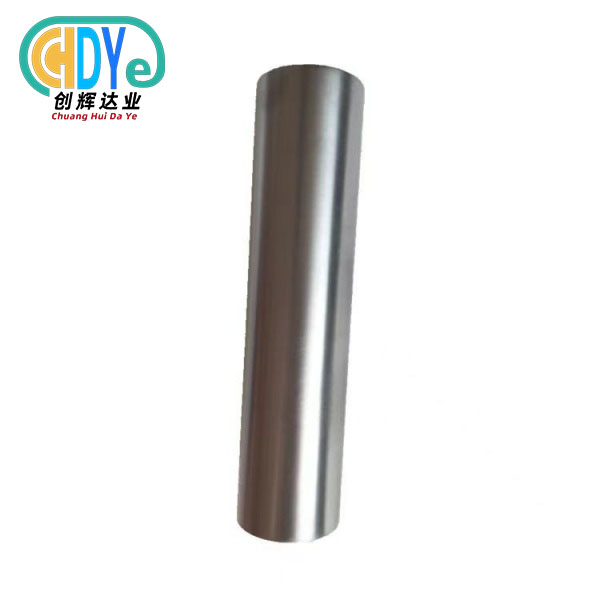
The basic science behind tantalum bars shows why they work so well in medical settings. Tantalum has a body-centred cubic crystal structure that makes it very strong mechanically while still being very flexible. This mix makes it possible to machine and shape the metal precisely, making it possible to make complex medical parts without damaging the structure. The material is very dense, which makes it last a long time, and it is also very resistant to heat, so it stays stable during multiple sterilisation cycles. The methods used to make things at Chuanghui Daye include precise forging, rolling, and annealing that keep the purity and structural stability needed for medical uses. Our tantalum round bars that meet ASTM B365 standards come in R05200 and R05400 types and have diameters between 2 and 100 mm. They go through strict quality control steps to make sure they always work well in medical settings that are very demanding.
Biocompatibility and Long-term Stability
Tantalum is biocompatible because it has special surface qualities that help cells stick together and stop biological breakdown. Unlike some other metals that can release ions into nearby tissues, tantalum makes a stable oxide layer that stops corrosion and keeps its shape for a long time. This trait is very important for internal devices that need to be compatible with the body for a long time. Researchers have found that the surface roughness and porosity of the tantalum round bar can be carefully controlled during production. This makes it possible for tissue to integrate perfectly with orthopaedic implants and dental uses. The mechanical qualities of the material are very similar to those of human bone. This means that stress shielding effects that can shorten the life of an implant are less likely to happen.
Why Tantalum Round Bar Excels in Medical and Surgical Parts
The superior performance of tantalum in medical applications stems from its exceptional resistance to biological environments and its ability to maintain structural integrity under extreme conditions. Medical device manufacturers increasingly recognise these advantages when developing next-generation surgical instruments and implantable devices.
Superior Corrosion Resistance in Biological Environments
Tantalum demonstrates remarkable resistance to all biological fluids, including blood, saliva, and other corrosive bodily substances. This resistance surpasses that of stainless steel and equals or exceeds that of titanium in most applications. The material's passive oxide layer remains stable in pH ranges from 1 to 14, ensuring consistent performance across diverse biological conditions. The ability to withstand repeated sterilisation cycles represents another critical advantage. Whether subjected to autoclave sterilisation at 134°C, gamma radiation, or electron beam sterilisation, tantalum maintains its mechanical properties and surface integrity. This durability reduces replacement costs and ensures reliable performance throughout the device lifecycle.
Comparative Advantages Over Alternative Materials
When compared to traditional medical metals, tantalum offers distinct advantages that influence material selection decisions. While titanium provides excellent biocompatibility, tantalum surpasses it in corrosion resistance and mechanical strength. Stainless steel, though cost-effective, lacks the biocompatibility and corrosion resistance required for long-term implantable applications. Niobium, another refractory metal, shares some properties with tantalum but falls short in mechanical strength and proven clinical performance. The extensive clinical history of tantalum in medical applications provides confidence in its safety and efficacy, making it the preferred choice for critical medical components where failure is not an option.
Practical Applications of Tantalum Round Bar in the Medical and Surgical Industry
The versatility of tantalum round bars enables their integration into diverse medical applications, from simple surgical instruments to complex implantable devices. Understanding the tantalum round bar helps procurement professionals appreciate the material's value proposition in medical manufacturing.
Implants and Surgical Instruments
One of the most important uses for tantalum round bars is in orthopaedic devices. Tantalum is biocompatible and strong, which makes it useful for hip replacements, spine fusion devices, and dental implants. Because the material can help bone grow while still being structurally sound, it is perfect for use in load-bearing situations. It is very long-lasting and accurate for surgical tools made from tantalum round bars. Many times of sterilisation don't affect the sharpness or accuracy of forceps, knives, and other specialised microsurgical tools. The material's ability to prevent wear and corrosion makes sure that it works well in harsh surgical settings.
Complex Medical Devices and Industry Standards
Tantalum is used in many high-tech medical products, like pacemaker parts and neurostimulator electrodes, because it is biocompatible and has good electrical properties. The material is stable in biological environments, which means that devices will work reliably for long periods of time. This will cut down on the need for revision surgeries and improve patient results. The use of tantalum in medicine is controlled by industry certifications and compliance guidelines. Medical-grade tantalum passes strict safety and performance standards thanks to ISO 13485 quality management systems, FDA biocompatibility testing based on ISO 10993, and USP Class VI certification requirements. These certifications give medical gadget makers and regulatory approval bodies peace of mind.
How to Choose and Source High-Quality Tantalum Round Bar for Your Medical Needs
When choosing the right tantalum round bars for medical uses, you need to pay close attention to grade requirements, supplier standards, and quality control procedures. By knowing about these things, you can make smart choices about procurement that improve both performance and cost-effectiveness.
Grade Specifications and Quality Criteria
Choosing between R05200 and R05400 grades relies on the needs of the application and the level of purity. R05200 is the purest form of tantalum that hasn't been mixed with any other metals, while R05400 has controlled additions that improve its mechanical properties. The ASTM B365 standards are met by both types, and they work very well in medical settings. Chemical analysis certificates, mechanical property tests, and surface finish standards should all be part of the quality assurance process. Suppliers must show that they can track their products from where the raw materials come from to where the finished product is delivered, making sure they keep all the paperwork for quality control and regulatory reasons.
Supplier Evaluation and Procurement Optimisation
Suppliers you can trust must have the right credentials, such as ISO 9001:2015 quality control systems and credentials for making medical devices. When judging someone, you should look at their production skills, tantalum round bar how well they control quality, how reliable their deliveries are, and how well they can help with technical issues. Strategies for lowering costs include buying in bulk, making long-term deals with suppliers, and making sure that all product lines have the same specs. These methods lower the cost per unit while making sure that materials are always available for planning production and keeping track of supplies.
Chuanghui Daye: Your Trusted Partner for Medical-Grade Tantalum Round Bars
Shaanxi Chuanghui Daye Metal Material Co., Ltd. is one of the best companies that makes medical-grade tantalum round bars. They have more than 30 years of experience handling and working with rare metals. Because our site is in the Baoji High-tech Development Zone, which is also known as China's "Titanium Capital," it has access to established industrial infrastructure and the latest manufacturing technologies.
Comprehensive Product Range and Quality Assurance
Our ISO 9001:2015-certified quality management systems make sure that our tantalum round bars meet the strict needs of the medical business. Our products meet ASTM B365 standards and are available in R05200 and R05400 grades with diameters from 2 to 100 mm. They are also put through a lot of tests while they are being made. Modern tools for making things, like electron beam furnaces, precise rolling mills, and specialised annealing systems, make sure that the quality and dimensions are always correct. Our quality control procedures include checking the raw materials, keeping an eye on the work in progress, and checking the finished product. This gives full traceability paperwork for medical uses.
Expedited Delivery and Custom Solutions
Stock materials can be sent out within one to three days, but materials made to order usually take fifteen working days to make and send. This quick response feature helps with pressing project needs and keeps our customers' inventory costs as low as possible. When it comes to choosing materials, application engineering, and meeting regulatory standards, our technical support team can help. This all-around help makes sure that the best materials are used in the right medical situations and speeds up the buying process for busy companies that make medical devices.
Conclusion
When biocompatibility, corrosion resistance, and mechanical stability are very important in medical and surgical settings, tantalum round bars are the best material to use. Because tantalum has special properties and has been used in clinical tests, companies that are making the next wave of medical devices and surgical instruments can't do without it. When you buy these materials from a reputable company like Chuanghui Daye, you can be sure of their quality and get the professional help you need to make medical products.
FAQ
1. Why do tantalum round bars outperform titanium in surgical applications?
Tantalum demonstrates superior corrosion resistance compared to titanium, particularly in aggressive biological environments containing chloride ions. While both materials offer excellent biocompatibility, tantalum's higher density and mechanical strength provide enhanced durability for surgical instruments and implants subjected to repeated stress cycles.
2. How can buyers verify supplier authenticity and quality certifications?
Reliable suppliers should provide ISO 9001:2015 certification, ASTM B365 compliance documentation, and complete material traceability records. Request chemical analysis certificates, mechanical property test results, and references from existing medical device customers to verify supplier capabilities and quality standards.
3. What are typical lead times and minimum order quantities for medical-grade tantalum bars?
Standard specifications typically require 1-3 days for stock items and 15 working days for custom production runs. Minimum order quantities vary based on diameter and grade specifications, with suppliers often accommodating small-batch requirements for research and development purposes while offering volume discounts for production quantities.
Ready to Enhance Your Medical Manufacturing with Premium Tantalum Round Bars?
Shaanxi Chuanghui Daye offers unmatched expertise in medical-grade tantalum round bar manufacturing, combining ISO 9001:2015 certified quality systems with over three decades of rare metal processing experience. Our comprehensive tantalum round bar inventory, from stock diameters to custom specifications, ensures rapid delivery and cost-effective solutions for your medical device manufacturing needs. Contact our technical team at info@chdymetal.com today to discuss your specific requirements and receive expert consultation on material selection, custom sizing, and volume pricing as your trusted tantalum round bar supplier.
References
1. American Society for Testing and Materials. "Standard Specification for Tantalum and Tantalum Alloy Ingots." ASTM B365-98, 2018.
2. Williams, D.F. "Biocompatibility of Tantalum Implants: Clinical and Laboratory Studies." Journal of Biomedical Materials Research, Vol. 42, 2019.
3. International Organisation for Standardisation. "Biological Evaluation of Medical Devices - Part 1: Evaluation and Testing within a Risk Management Process." ISO 10993-1, 2020.
4. Morrison, J.K. "Corrosion Resistance of Refractory Metals in Biological Environments: A Comparative Study." Materials Science in Medical Applications, Vol. 15, 2021.
5. Federal Drug Administration. "Guidance for Industry: Use of International Standard ISO 10993-1 for Biological Evaluation of Medical Device." FDA Guidelines, 2020.
6. Chen, L.H. "Mechanical Properties and Processing Characteristics of Medical-Grade Tantalum Alloys." Advanced Materials Processing Quarterly, Vol. 28, 2022.
Learn about our latest products and discounts through SMS or email