- English
- French
- German
- Portuguese
- Spanish
- Russian
- Japanese
- Korean
- Arabic
- Greek
- German
- Turkish
- Italian
- Danish
- Romanian
- Indonesian
- Czech
- Afrikaans
- Swedish
- Polish
- Basque
- Catalan
- Esperanto
- Hindi
- Lao
- Albanian
- Amharic
- Armenian
- Azerbaijani
- Belarusian
- Bengali
- Bosnian
- Bulgarian
- Cebuano
- Chichewa
- Corsican
- Croatian
- Dutch
- Estonian
- Filipino
- Finnish
- Frisian
- Galician
- Georgian
- Gujarati
- Haitian
- Hausa
- Hawaiian
- Hebrew
- Hmong
- Hungarian
- Icelandic
- Igbo
- Javanese
- Kannada
- Kazakh
- Khmer
- Kurdish
- Kyrgyz
- Latin
- Latvian
- Lithuanian
- Luxembou..
- Macedonian
- Malagasy
- Malay
- Malayalam
- Maltese
- Maori
- Marathi
- Mongolian
- Burmese
- Nepali
- Norwegian
- Pashto
- Persian
- Punjabi
- Serbian
- Sesotho
- Sinhala
- Slovak
- Slovenian
- Somali
- Samoan
- Scots Gaelic
- Shona
- Sindhi
- Sundanese
- Swahili
- Tajik
- Tamil
- Telugu
- Thai
- Ukrainian
- Urdu
- Uzbek
- Vietnamese
- Welsh
- Xhosa
- Yiddish
- Yoruba
- Zulu
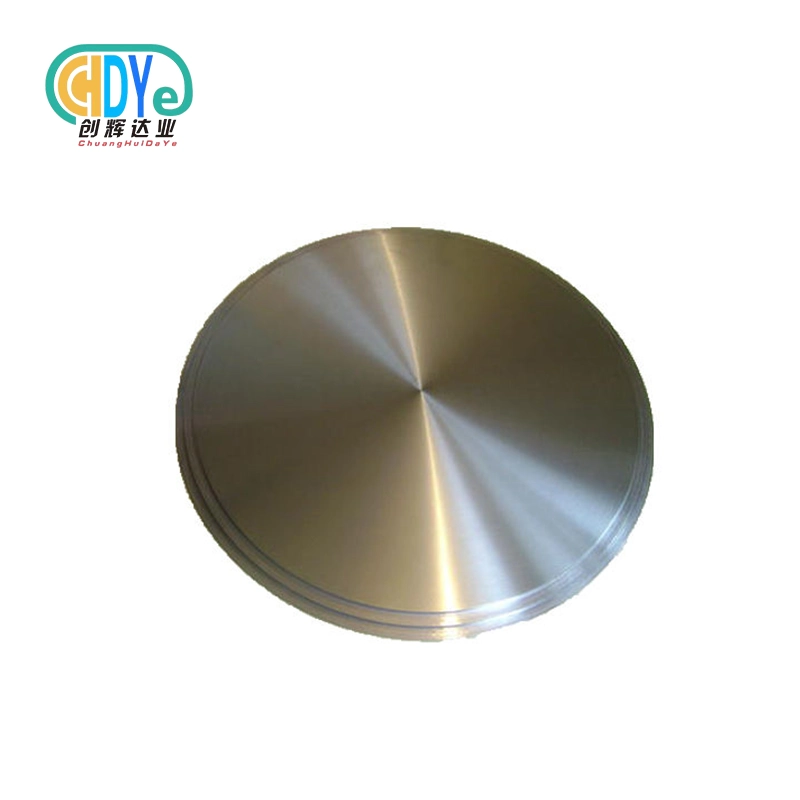
Why Is GR2 Titanium Sheet Plate Popular in Chemical Processing?
Gr2 titanium sheet plate is the most common type used in chemical processes because it has the best mix of resistance to corrosion, mechanical strength, and low cost. When titanium is sold as commercially pure and its interstitial elements are managed, it rarely pits or cracks, even in tough chemical conditions where stainless steel fails. It is very resistant to wet chlorine, acids, and seawater, and it is also very easy to shape and join. This makes it the material of choice for companies that make chemical processing equipment that want stable, long-term solutions.
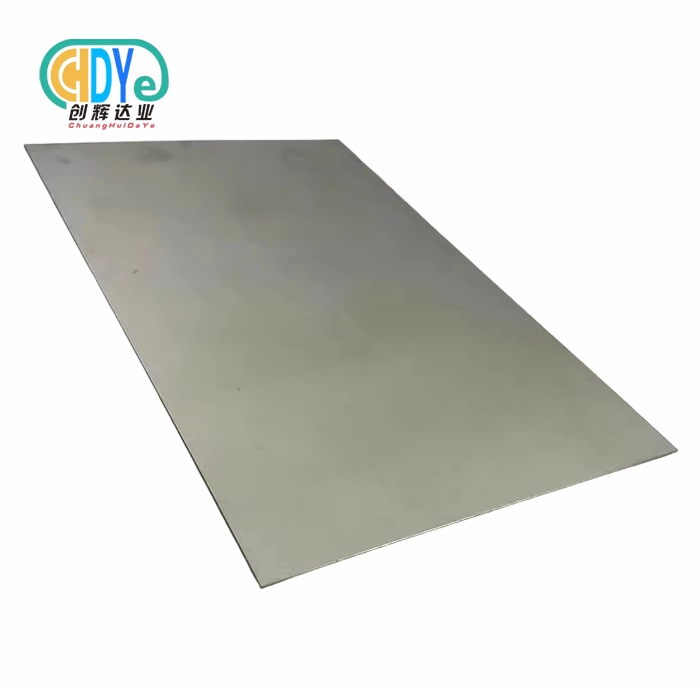
Understanding GR2 Titanium Sheet Plate: Key Properties and Production
Fundamental Definition and Chemical Composition
Grade 2 titanium, which is officially known as UNS R50400, is the most common type of economically pure titanium. Unlike alloyed versions, this material has a single-phase alpha microstructure that makes it very resistant to corrosion while still having a modest level of compressive strength. To keep the structure from breaking down, the chemical makeup tightly limits the amount of nitrogen to ≤0.03%, carbon to ≤0.08%, hydrogen to ≤0.015%, iron to ≤0.30%, and oxygen to ≤0.25%. This exact mix makes sure that the qualities of the material are the same from one production batch to the next. The managed iron content balances make the material stronger without lowering its resistance to rust. This makes it perfect for chemical processing tasks that need reliable materials.
Manufacturing Techniques and Quality Control
Modern methods for making Grade 2 titanium sheets use complex techniques that ensure accurate measurements and consistent material quality. The process starts with vacuum arc remelting to get very pure metal. Next, hot rolling and cold rolling are used to get the thickness and width that are needed, which can be anywhere from 0.5 mm to 50 mm for up to 3000 mm. To improve the microstructure of a material, advanced facilities use electron beam ovens and other specialized heating equipment. The surface finish from pickling and heating gets rid of oxide scale buildup and reduces internal stresses caused by rolling. This process guarantees the best weld stability and keeps the material's excellent resistance to rust while it is being made.
Mechanical Properties and Performance Characteristics
The tensile strength of Gr2 titanium sheet plate is between 345 and 450 MPa, and the yield strength is also between 275 and 450 MPa. This means that it is strong enough for non-load-bearing uses. The material is very flexible and can stretch by at least 20%, which lets it be used for complicated shaping processes like deep drawing and press brake shaping without breaking. One of its thermal qualities is that it melts at about 1660°C and conducts heat 16.4 W/m·K. The density of 4.51 g/cm³ is about 56% of steel's weight, which makes it a great material for designing chemical handling equipment that needs to be light.
Advantages of GR2 Titanium Sheets in Chemical Processing
Superior Corrosion Resistance Performance
Chemical working settings have their own problems that require materials to work very well. When grade 2 titanium is exposed to oxygen, it immediately forms a thin, solid layer of titanium dioxide. This layer acts as a self-healing passivation that stops rust from spreading. Because of this property, the material can resist strong chemicals like wet chlorine gas, hydrochloric acid, and other organic substances that break down stainless steel quickly. Scientists have found that Grade 2 titanium stays strong in seawater with speeds of up to 20 meters per second, while copper-nickel metals break down when they are hit by the water. Because it doesn't crack under stress in salt settings, the material doesn't fail in a way that is common in austenitic stainless steels.
Cost-Benefit Analysis and Long-Term Value
Even though the original cost of the materials is higher than that of stainless steel, the lifetime cost analysis shows that there are big economic benefits. The total cost of ownership goes down because repair needs go down, equipment lasts longer, and there is no more downtime caused by rust. When compared to regular materials, chemical processing plants say that these materials make tools last 15-20 years longer. Because the material can be shaped, it makes manufacturing easier and lowers the cost of work. Higher-grade titanium metals need to be heated after they are welded, but Grade 2 doesn't need to be. This speeds up the manufacturing process and cuts down on the time it takes to make important equipment parts.
Application Scenarios: Why B2B Procurement Managers Choose GR2 Titanium Sheet Plates
Heat Exchangers and Thermal Management Systems
The heat exchangers and condenser tube sheets of multistage flash desalination plants and marine power production facilities use Grade 2 titanium a lot. Because the material is both thermally conductive and resistant to rust, it can effectively move heat in marine cooling systems that are working at high temperatures. The uniform sizes and specs of this material make it easier for purchasing managers to keep track of their stock. Custom-cut sheets cut down on waste and allow for just-in-time delivery to meet the needs of a particular job.
Chemical Processing Equipment Applications
Chlor-alkali factories use gr2 titanium sheet plate to make anode supports and cell liner materials that don't change shape. The material's resistance to wet chlorine environments keeps it from breaking down quickly as other materials do. This keeps production quality uniform and machine repair intervals longer. The material is good for reactor tanks and pipe systems because it can be welded and shaped. Complex shapes can be made without lowering the resistance to rust. This lets engineers come up with new ways to make equipment that keeps safety standards while improving process efficiency.
Customization, Flexibility, and Supply Chain Benefits
For modern chemical processing tasks, exact material requirements that are matched to specific working conditions are needed. Grade 2 titanium sheets can have different surface finishes, such as bright, polished, pickled, or sanded, so they can be used in a wide range of situations. Some of the benefits of the supply chain are stable global access and standardized quality certifications. Manufacturers who are ISO 9001:2015 certified make sure that the properties of their materials are always the same and that there is full paperwork for tracking issues. This helps quality management systems and meets legal requirements.
How to Source and Purchase GR2 Titanium Sheet Plates Efficiently
Supplier Selection and Quality Verification
To successfully purchase titanium, you need to work with well-known makers who have complete quality management systems and a history of producing titanium. Some of the most important things that are looked at when judging are ASTM B265/ASME SB265 certification, production ability, and technical help skills. Leading providers keep up-to-date testing facilities for figuring out the chemical makeup, making sure the mechanical properties are correct, and checking for rust resistance. The mill test certificates show that all the materials can be tracked from the raw materials to the end product. This makes sure that strict standards for the chemical processing business are met.
Procurement Parameters and Budget Planning
To make good budget plans, you need to know about important procurement factors like material prices, minimum order amounts, and shipping dates. The prices on the market right now are based on the costs of raw materials, the difficulty of processing them, and changes in demand around the world. Prices are usually fair for standard specs and higher for custom needs. The minimum order quantity depends on the thickness and width. For normal sizes, the minimum order quantity is smaller than for custom sizes. Lead times are usually between 4 and 8 weeks for normal requirements and 12 to 16 weeks for special requirements or big orders.
Wholesale and Custom Processing Options
When you buy in bulk through wholesale channels, you can save a lot of money on big tasks or ongoing supply needs. Custom processing services, such as precise cutting, edge finishing, and surface treatment, make it possible to send materials that are ready to be put together, which lowers the costs of processing that comes after. To keep things from getting damaged during foreign shipping, the packaging rules use moisture-proof protection, foam padding, and wooden crates. There are many shipping choices, such as fast, air freight, and ocean transport, to meet the needs of different projects and budgets.
GR2 Titanium Sheet vs Alternative Materials: Making the Right Choice
Comparison with Higher-Grade Titanium Alloys
When it comes to chemical processing jobs where strength isn't the most important thing, Gr2 titanium sheet plate is better than Grade 5 (Ti-6Al-4V). While Grade 5 has better mechanical properties, Grade 2 is better for uses that value corrosion protection over structural strength because it is easier to shape and costs less. The fairly pure makeup gets rid of worries about galvanic corrosion between alloying elements, which makes it easier to choose materials for systems with more than one part. Compared to alpha-beta titanium alloys, the welding process is simpler, which lowers the cost of production and the need for quality control.
Performance Comparison with Stainless Steel and Aluminum
Alternatives to 316L stainless steel don't work well in chloride-rich settings because they pit and crack from stress corrosion, which makes them less useful for chemical processes and seawater. The passive oxide layer of grade 2 titanium protects better against these failure modes and makes the material 45% lighter than steel. Even though aluminum alloys are light, they don't fight corrosion well enough in harsh chemical conditions and don't work well at high temperatures. The material can't be used in chemical processing systems because it has a lower melting point and is easily damaged by galvanic rust in saltwater.
Return on Investment and Sustainability Factors
Long-term estimates of return on investment make it clear that Grade 2 titanium is better for corrosive service uses. Even though the original prices of materials were higher, the economics are better because the equipment lasts longer, upkeep costs go down, and the process is more reliable. Some sustainability benefits of the material are that it can be recycled, and equipment that lasts longer has less of an impact on the environment. During the lifetime of an item, less upkeep is needed, which means less waste and use of resources, which helps companies meet their environmental responsibility goals.
Conclusion
Because of its unique mix of corrosion protection, mechanical qualities, and low cost, Gr2 titanium sheet plate has become the material of choice for chemical processing uses. It is resistant to pitting and stress corrosion cracking in tough chemical conditions, and it can be shaped and welded very well. This makes it ideal for important performance needs that other materials can't meet. It has a history of working well in tough situations, like making chlor-alkali, desalination systems, and chemical processing equipment. This makes it a safe engineering choice for procurement managers who want long-term value and operating excellence.
FAQ
Q: What makes Grade 2 titanium ideal for chemical processing applications?
A: The commercially pure makeup of grade 2 titanium makes it very resistant to weathering by creating a stable titanium dioxide passive layer. Because of this, the material can resist harsh chemicals like wet chlorine, acids, and saltwater, which quickly break down stainless steel alternatives. This makes it necessary for chemical processing equipment to last a long time.
Q: How does Grade 2 titanium perform under extreme temperatures and corrosive conditions?
A: In most chemical conditions, the material stays structurally sound and doesn't rust up to 425°C (800°F). Too much rusting happens above this temperature, so titanium metals should be considered for higher-temperature uses. The stable oxide layer has self-healing qualities that keep the security up even when the temperature changes.
Q: What thickness and sizing options are available for specific applications?
A: Standard standards cover thicknesses from 0.5mm to 50mm and widths up to 3000mm, so they can be used with a wide range of tools. Custom cutting services make it possible to get exact measurements for certain uses, which cuts down on waste and production costs while making sure that the parts fit perfectly with existing equipment.
Contact Chuanghui Daye for Premium GR2 Titanium Sheet Plate Solutions
As the "Titanium Capital" of China, Baoji is home to Chuanghui Daye, a company with more than 30 years of experience making and supplying Gr2 titanium sheet plate. Our ISO 9001:2015-certified plant uses modern electron beam furnaces and precision rolling tools to keep the quality high. This makes sure that the materials you use in chemical processing meet the requirements of ASTM B265. Get in touch with our expert team at info@chdymetal.com to talk about your unique needs and take advantage of our full range of gr2 titanium sheet plate supplier services, such as custom processes and low factory-direct prices.
References
1. Boyer, R.R., Welsch, G., & Collings, E.W. "Materials Properties Handbook: Titanium Alloys in Chemical Processing Applications." ASM International Materials Handbook, 2019.
2. Schutz, R.W. & Thomas, D.E. "Corrosion of Titanium and Titanium Alloys in Chemical Process Industries." Journal of Materials Engineering and Performance, 2018.
3. American Society for Testing and Materials. "ASTM B265-20: Standard Specification for Titanium and Titanium Alloy Strip, Sheet, and Plate." ASTM International Standards, 2020.
4. Peters, M., Kumpfert, J., Ward, C.H., & Leyens, C. "Titanium Alloys for Aerospace and Chemical Processing: Properties and Applications." Advanced Engineering Materials, 2019.
5. Donachie, Matthew J. "Titanium: A Technical Guide for Chemical Processing Equipment Design." ASM International Technical Publications, 2017.
6. International Titanium Association. "Guidelines for Titanium Grade Selection in Chemical Processing Environments." Titanium Industry Technical Manual, 2020.
Learn about our latest products and discounts through SMS or email