- English
- French
- German
- Portuguese
- Spanish
- Russian
- Japanese
- Korean
- Arabic
- Greek
- German
- Turkish
- Italian
- Danish
- Romanian
- Indonesian
- Czech
- Afrikaans
- Swedish
- Polish
- Basque
- Catalan
- Esperanto
- Hindi
- Lao
- Albanian
- Amharic
- Armenian
- Azerbaijani
- Belarusian
- Bengali
- Bosnian
- Bulgarian
- Cebuano
- Chichewa
- Corsican
- Croatian
- Dutch
- Estonian
- Filipino
- Finnish
- Frisian
- Galician
- Georgian
- Gujarati
- Haitian
- Hausa
- Hawaiian
- Hebrew
- Hmong
- Hungarian
- Icelandic
- Igbo
- Javanese
- Kannada
- Kazakh
- Khmer
- Kurdish
- Kyrgyz
- Latin
- Latvian
- Lithuanian
- Luxembou..
- Macedonian
- Malagasy
- Malay
- Malayalam
- Maltese
- Maori
- Marathi
- Mongolian
- Burmese
- Nepali
- Norwegian
- Pashto
- Persian
- Punjabi
- Serbian
- Sesotho
- Sinhala
- Slovak
- Slovenian
- Somali
- Samoan
- Scots Gaelic
- Shona
- Sindhi
- Sundanese
- Swahili
- Tajik
- Tamil
- Telugu
- Thai
- Ukrainian
- Urdu
- Uzbek
- Vietnamese
- Welsh
- Xhosa
- Yiddish
- Yoruba
- Zulu
Why is Titanium Anode Basket widely used in PCB manufacturing?
Titanium Anode Baskets are now required for making PCBs because they are so good at resisting rust and keeping the electricity flowing in harsh electroplating conditions. During copper, nickel, and other metal plating processes, these specialized tools hold up the anode materials and give them structure. Because commercial-grade titanium (Grade 1 and Grade 2) has special qualities that make it resistant to strong acidic chemicals, these Titanium Anode Baskets can keep their shape and make sure that the current flows evenly. This mix of longevity and practical accuracy directly leads to better plating quality and lower operating costs.
Understanding Titanium Anode Baskets in PCB Manufacturing
The Core Function of Anode Baskets in Plating Operations
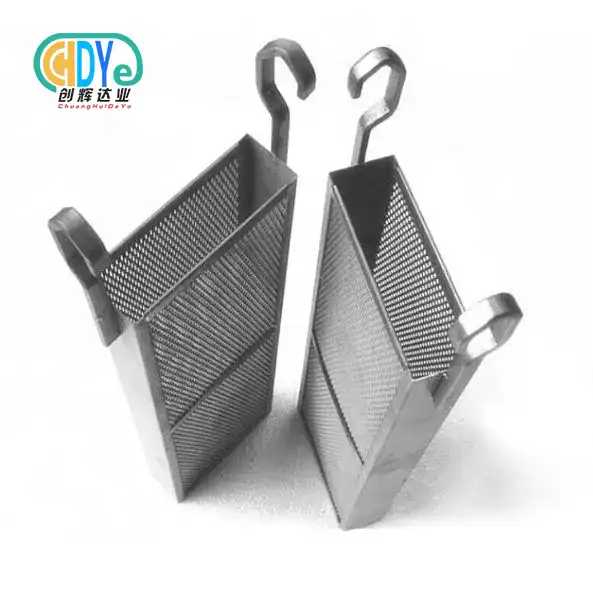
Titanium Anode Baskets are made by Chuanghui Daye. They are very important for connecting electrical busbar systems to anode materials in electroplating tanks. These Titanium Anode Baskets hold metal bits or pellets and make it easier for electrons to move around the plating bath. The design usually has an expanding mesh or porous structure that lets the electrolyte flow but stops the loss of anode material. Our production method uses TIG welding in an argon atmosphere to make sure that the weld quality fits the strength of the titanium itself, without becoming brittle due to oxidation.
Material Specifications and Design Variations
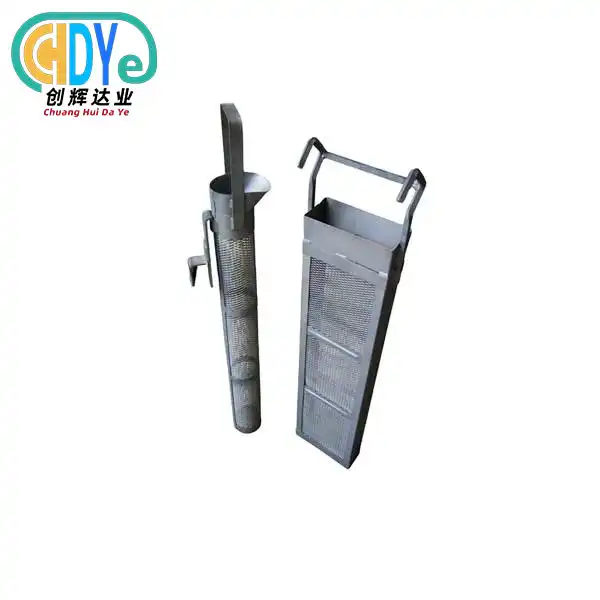
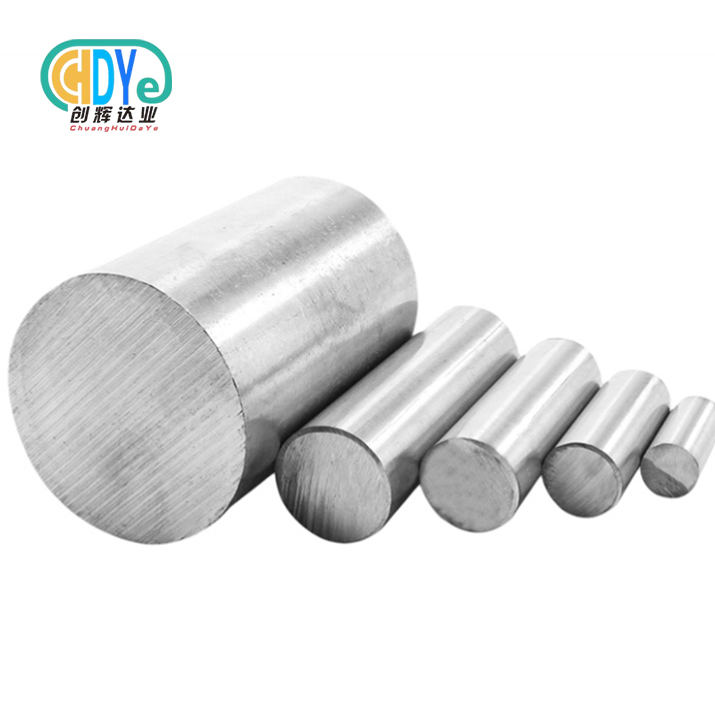
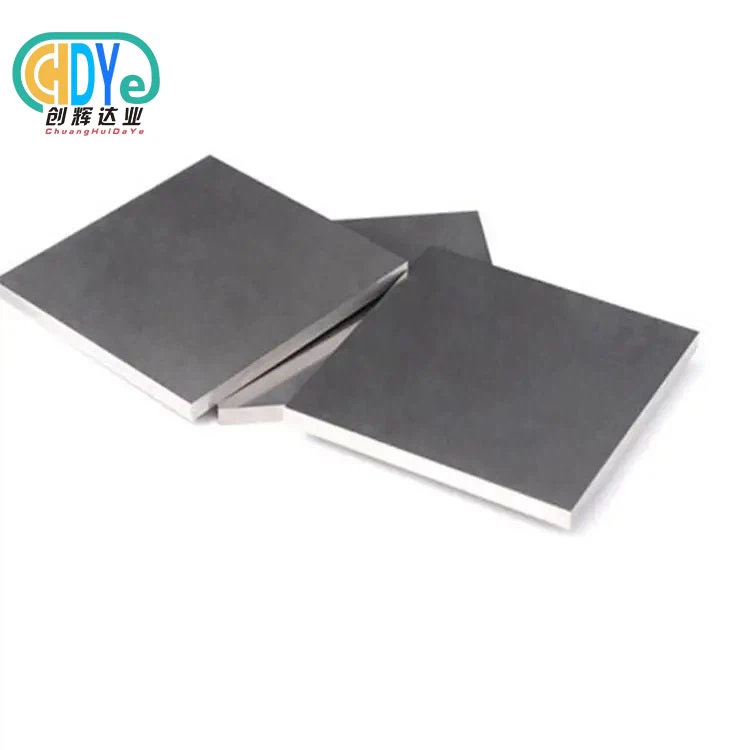
The process of choosing a base starts with high-purity titanium that meets ASTM B265 standards. Grade 1 titanium is the most flexible and can be shaped into complicated shapes, while Grade 2 titanium is stronger and can be used for heavy-duty tasks. The size and chemical makeup of the coating baths determine which Titanium Anode Basket arrangement is best. Rotating finishing systems work best with cylindrical Titanium Anode Baskets, while straight production lines work best with rectangular Titanium Anode Baskets.
Mesh sizes are usually between 6x3mm and 12.5x4.5mm, which is a balance between structural strength and electrolyte penetration. Hook systems often use titanium-clad copper construction, which combines the better conductivity of copper (58 MS/m) with the chemical inertness of titanium. This engineering method keeps the voltage drop to a minimum during high-amperage activities. This keeps energy from being wasted and avoids the safety risks that come with burning.
Performance Advantages Over Traditional Materials
When compared to other materials, the Titanium Anode Basket construction is clearly the best choice. In acidic conditions, graphite anodes lose their shape and get contaminated with particles. The use of lead-based devices is harmful to the environment and people's health, so strict rules must be followed. Platinum-coated choices work very well, but they are too expensive for many businesses to buy at first.
Titanium Anode Baskets keep the passive oxide film stable at voltages up to 10-12V in baths with chloride, which keeps the Titanium Anode Baskets from dissolving and the electrolyte from getting dirty. This feature makes it possible for the finishing thickness to be the same across production batches. Maintenance times are much longer. Titanium Anode Baskets usually work consistently for 10 to 15 years with proper care, while coated steel Titanium Anode Baskets only last 2 to 3 years. Total purchase costs go down because of fewer frequent replacements, and work stops happen less often.
Comparing Titanium Anode Baskets with Alternative Materials
Corrosion Resistance and Chemical Compatibility
Chemical compatibility becomes the most important thing to consider when choosing materials for plating. Titanium has an oxide layer (TiO₂) that can fix itself quickly if it gets hurt mechanically, as long as oxygen can get to it. This method protects better than any other in sulfuric acid baths (with concentrations as high as 80% at room temperature) and mixed acid systems that are common in PCB processing.
However, important limits need to be taken into account. Chemicals that contain fluoride are very bad for titanium's protective film, so zirconium has to be used instead in those conditions. Temperature is also important. Titanium can keep its shape up to 350°C, but electroplating processes rarely go above 80°C, which keeps titanium well within safe working limits. When someone asks Chuanghui Daye to buy something, we send them a detailed chemical compatibility chart. This helps them match the Titanium Anode Basket specifications to their bath's ingredients.
Electrical Performance and Operational Efficiency
The electrical properties of the materials in the Titanium Anode Basket have a direct effect on how evenly the plating is done and how much energy is used. Titanium has about 5.5 times the electrical resistance of copper, which is about 10⁻⁷ ©·m. Solid titanium hooks are enough for tasks that need currents less than 50 amps. When this level is reached, our titanium-clad copper hook designs are needed to stop resistive heating and maintain efficiency.
Total Cost Analysis for Procurement Decisions
The shape of the mesh affects how the current flows through the Titanium Anode Basket volume. When Titanium Anode Baskets are made correctly, they make sure that anode pellets dissolve evenly. This stops preferential depletion zones that lead to plating errors. When Chuanghui Daye's engineering team designs a unique Titanium Anode Basket, they use finite element analysis to find the best opening size and hook placement for each client's amperage needs and bath chemistry.
Lifecycle economics looks at more than just the price of an initial buy. A full cost comparison needs to take into account how long something works, how often it needs upkeep, and how often it needs to be replaced. Titanium Anode Baskets cost more up front than treated steel Titanium Anode Baskets (usually two to three times as much), but they last longer, which changes the cost balance over time.
Purchasing managers should look at more than just basic material compliance when deciding which suppliers to buy from. With ISO 9001:2015 approval, quality control is done in a planned way throughout the whole production process. When fixing plating problems, it's important to have traceability paperwork because full material test records make it possible to connect problems with Titanium Anode Basket metallurgy and plating. We keep records for each component that are special to its batch, so we can give our clients full chemical makeup analysis and mechanical testing results.
Application and Maintenance of Titanium Anode Baskets in PCB Manufacturing
Copper and Nickel Plating Applications
Copper electroplating is the main metalization method used in PCB production. It makes conductive paths inside layered boards. Titanium Anode Baskets with phosphorized copper nuggets keep the concentration of copper ions steady during plating cycles. The Titanium Anode Basket structure stays inert, so it doesn't get contaminated in a way that would make the electrical conductivity or trustworthiness of the solder joints in finished parts worse.
Nickel plating is used to stop diffusion in high-frequency uses and other advanced PCB designs. The acidic pH (usually 3.5–4.5) and high temperatures (50–60°C) of the plating bath make it an active environment where titanium's ability to fight corrosion is very important. Manufacturers of car electronics have shown that moving from coated steel to Titanium Anode Baskets cuts nickel contamination by 85%, which greatly increases the output rates of their products.
Maintenance Protocols and Lifespan Extension
The operating lifespan is directly related to how well servicing is done. Visual checks for mechanical damage should be part of regular inspection plans, especially at weld joints and hook contacts. Chemical breakdown is not the main cause of failure; physical damage during treatment is. Taking them out and cleaning them once a week keeps metallic salt from building up at the bottom of the Titanium Anode Baskets, which slows down the flow of electrolyte and makes the plating designs uneven.
How to clean depends on the chemicals in the water. Calcium sulfate or lead sulfate crystals may form in sulfuric acid baths and need to be broken up with diluted hydrochloric acid. Chromic acid baths can sometimes leave behind chromium hydroxide layers that need to be cleaned up with an alkaline solution.
Design Innovations Supporting Custom Requirements
New developments in Titanium Anode Basket engineering meet changing needs for making PCBs. Putting Mixed Metal Oxide (MMO) coatings on titanium substrates makes it possible for insoluble anode uses, which makes them more useful than standard soluble anode systems. These coatings speed up processes that release oxygen while saving the titanium below from anodic polarization.
Dimensional customization makes it possible for new tools to work perfectly with old ones. Our CAD-based design process can handle complicated shapes with many hook points, built-in baffles to control flow direction, and modular construction that makes assembly easy. When clients send us PDF or CAD models, our engineering team makes samples within 15 to 20 business days. This lets clients test the designs before they go into full production.
Procurement Guide for Titanium Anode Baskets in B2B Markets
Supplier Evaluation and Quality Verification
Finding trusted suppliers takes a methodical look at a lot of different factors. Lead times and shipping processes are affected by geography. Manufacturers in Baoji, Shaanxi Province, China, the "Titanium Capital," gain from integrated supply chains and specialized knowledge that they have built up over many years. Chuanghui Daye takes advantage of this regional edge by buying high-purity titanium ingots straight from local smelters at prices that are competitive with buying from the plant.
Material approvals are the first step in checking the quality. Ask for mill test papers that show the grade of titanium, its chemical make-up (especially the amount of oxygen, nitrogen, carbon, and hydrogen that are interstitial), and its mechanical qualities. Another important step is the quality of the weld. Check sample pieces for the right TIG weld coloring. A silver or light straw color means the shielding is correct, while blue or purple colors mean rust and possible weakening.
Bulk Ordering and Custom Sizing Strategies
Buying in bulk usually lets you get better prices and makes sure you have enough product to keep running. Many makers give discounts of 10–15% on sales of more than 50 units. Custom sizes, on the other hand, make prices more complicated because of the costs of tools and setting. Standardization should be weighed against operational needs. Making small changes to the design to accommodate standard mesh measurements can often save a lot of money without affecting usefulness.
When handling foreign procurement, it's important to plan for lead times. Standard setups are sent out 25 to 35 days after the order is confirmed. When custom designs need new tools, the lead time goes up to 45 to 60 days. By building smart store buffers, you can keep production from stopping during times of high demand or supply chain problems. Setting up a framework that deals with qualified suppliers guarantees stable prices and priority output over a period of several years.
Long-Term Partnership Value Propositions
Relationships with vendors that go beyond simple transactions build value for both parties. Suppliers who care about their clients' success offer aggressive technical support that helps improve the performance of Titanium Anode Baskets as production processes change. Our team at Chuanghui Daye does regular performance reviews with our biggest accounts. As part of these reviews, we look at the state of the Titanium Anode Baskets during normal maintenance to find ways to make things better.
Warranty terms and service after the sale are what set luxury providers apart from commodity vendors. Purchase investments are protected by guarantees that cover both material faults and manufacturing flaws. Technical problems can be fixed quickly with responsive help. Our technical staff offers email consultations within 24 hours and can set up video fixing sessions for more complicated issues. These promises of service boost trust, especially for groups that are new to Titanium Anode Basket technology.
Future Trends and Innovations in Titanium Anode Basket Technology for PCBs
Advanced Coating Technologies
New developments in coatings keep opening up new uses for them. Next-generation MMO formulas contain iridium and ruthenium oxides, which give coatings a longer life (3–7 years) in high-current-density situations. These catalytic surfaces allow dimensionally stable anode (DSA) performance, which gets rid of the problems of anode dissolution and water contamination that come with it. Diamond-like carbon (DLC) surfaces show promise for use in harsh pH conditions. This could allow Titanium Anode Baskets to be used in baths that are very alkaline right now, which need nickel substrates.
Smart Manufacturing Integration
Industry 4.0 technologies are changing how finishing is done. Titanium Anode Baskets with sensors and digital monitoring features let you see how the current flows, the temperature changes, and the solution flows in real time. Predictive maintenance algorithms look at operational data to predict how parts will break down before they do. They then schedule replacements for planned downtime instead of emergency shutdowns.
Environmental Sustainability Considerations
Even though they are still new, these smart Titanium Anode Basket systems are the next step that PCB makers should take to reach their goal of zero defects in production. Environmentally friendly production methods are used because of government regulations, and company's promises to sustainability. Titanium is very durable, so it uses less material and makes less waste than options that need to be changed often. Circular economy ideas are supported by the fact that the material can be recycled—titanium trash keeps a lot of its worth and can be used in other ways. Bath life extension through contamination-free operating lowers the amount of chemicals that need to be thrown away and the damage they do to the environment. As companies try to reach their carbon neutrality goals and improve their ESG performance measures, these environmental benefits have a bigger impact on their buying choices.
Conclusion
Titanium Anode Baskets are widely used in PCB production because they have the best mix of chemical protection, operating life, and functional reliability. These parts allow for uniform plating quality while lowering the costs of ownership and upkeep. You can choose from Grade 1 and Grade 2 titanium as a material. The mesh shape and hook design have also been improved to make it possible to precisely match production needs. If you evaluate your suppliers correctly, you can get quality-certified goods backed by technical know-how and quick service. As PCBs get more complicated and demands for sustainability grow, Titanium Anode Basket technology keeps improving through smart industrial integration and advanced finishes, solidifying its place as the standard for tough electroplating jobs.
FAQ
Q: What causes titanium anode baskets to fail prematurely?
A: Instead of a chemical attack, the most common cause of failure is mechanical damage from poor handling. When you drop Titanium Anode Baskets or hit them against the ends of the tank, you damage the weld joints and the mesh structure. Most physical damage can be avoided by learning the right way to handle things. Chemical failure mostly happens in baths with fluorine, where titanium doesn't form a stable protective surface, and zirconium has to be used instead.
Q: How do I select the appropriate mesh aperture size?
A: The mesh hole should be about 2 mm smaller than the smallest width of the anode pellets or nuggets that are being used. This size stops material from leaking through the mesh as the anodes break down, but it also keeps enough electrolyte moving to avoid depletion zones in certain areas.
Q: Can existing baskets be retrofitted with improved hook designs?
A: Yes, replacing the hooks is a typical way to fix up a Titanium Anode Basket and make it last longer. When the current needs go beyond what was originally planned, switching to titanium-clad copper hooks stops overheating problems while keeping the Titanium Anode Basket body the same. Our facility can replace hooks and re-weld them, but based on the state of the Titanium Anode Basket and the cost of shipping, it may be more cost-effective to buy new units.
Partner with Chuanghui Daye for Your Titanium Anode Basket Needs
Shaanxi Chuanghui Daye is ready to help your PCB production operations by making Titanium Anode Baskets that are precisely engineered and made to your exact specs. We are in China's Titanium Capital and have been working with rare metals for 30 years. Our production methods are ISO 9001:2015 approved. Our custom fabrication services can handle complex shapes from your CAD or PDF plans, and we'll send you full paperwork that shows how the materials were used. As a reliable Titanium Anode Basket provider, we offer low factory-direct prices without lowering the quality of our products. You can email our technical team at info@chdymetal.com to talk about your unique needs, ask for material certifications, or get quotes for standard or custom Titanium Anode Basket designs.
References
1. Schlesinger, M., & Paunovic, M. (2010). Modern Electroplating (5th ed.). John Wiley & Sons.
2. Kanani, N. (2006). Electroplating: Basic Principles, Processes and Practice. Elsevier Advanced Technology.
3. Bard, A. J., & Faulkner, L. R. (2001). Electrochemical Methods: Fundamentals and Applications (2nd ed.). John Wiley & Sons.
4. Dini, J. W., & Snyder, D. D. (2010). Electrodeposition of Copper in Modern Electroplating. John Wiley & Sons.
5. Schubert, K. (1997). Titanium and Titanium Alloys in the Chemical Process Industry. Materials and Corrosion, 48(5), 287-293.
6. Lowenheim, F. A. (1978). Modern Electroplating (3rd ed.). John Wiley & Sons.
Learn about our latest products and discounts through SMS or email