- English
- French
- German
- Portuguese
- Spanish
- Russian
- Japanese
- Korean
- Arabic
- Greek
- German
- Turkish
- Italian
- Danish
- Romanian
- Indonesian
- Czech
- Afrikaans
- Swedish
- Polish
- Basque
- Catalan
- Esperanto
- Hindi
- Lao
- Albanian
- Amharic
- Armenian
- Azerbaijani
- Belarusian
- Bengali
- Bosnian
- Bulgarian
- Cebuano
- Chichewa
- Corsican
- Croatian
- Dutch
- Estonian
- Filipino
- Finnish
- Frisian
- Galician
- Georgian
- Gujarati
- Haitian
- Hausa
- Hawaiian
- Hebrew
- Hmong
- Hungarian
- Icelandic
- Igbo
- Javanese
- Kannada
- Kazakh
- Khmer
- Kurdish
- Kyrgyz
- Latin
- Latvian
- Lithuanian
- Luxembou..
- Macedonian
- Malagasy
- Malay
- Malayalam
- Maltese
- Maori
- Marathi
- Mongolian
- Burmese
- Nepali
- Norwegian
- Pashto
- Persian
- Punjabi
- Serbian
- Sesotho
- Sinhala
- Slovak
- Slovenian
- Somali
- Samoan
- Scots Gaelic
- Shona
- Sindhi
- Sundanese
- Swahili
- Tajik
- Tamil
- Telugu
- Thai
- Ukrainian
- Urdu
- Uzbek
- Vietnamese
- Welsh
- Xhosa
- Yiddish
- Yoruba
- Zulu
Why Is Titanium Welding Wire Essential for Marine Welding?
The unforgiving marine environment presents unique challenges that demand exceptional materials and welding solutions. Titanium welding wire turns out to be the key part that makes joints stable and long-lasting in saltwater, where other materials fail. Welders in the marine industry have to fight corrosion, high temperatures, and mechanical stress all the time, which can weaken the safety and stability of the craft. This comprehensive guide is designed to meet the needs of B2B procurement managers, marine engineers, and wholesalers who need high-tech welding materials for harsh marine settings. Materials that can stand up to strong corrosion processes and keep their shape under cyclic loading conditions are needed by the marine industry. To improve project quality, lower upkeep costs, and make sure long-term durability in marine fabrication and repair operations, it's important to know how to choose, use, and get titanium filler metals.
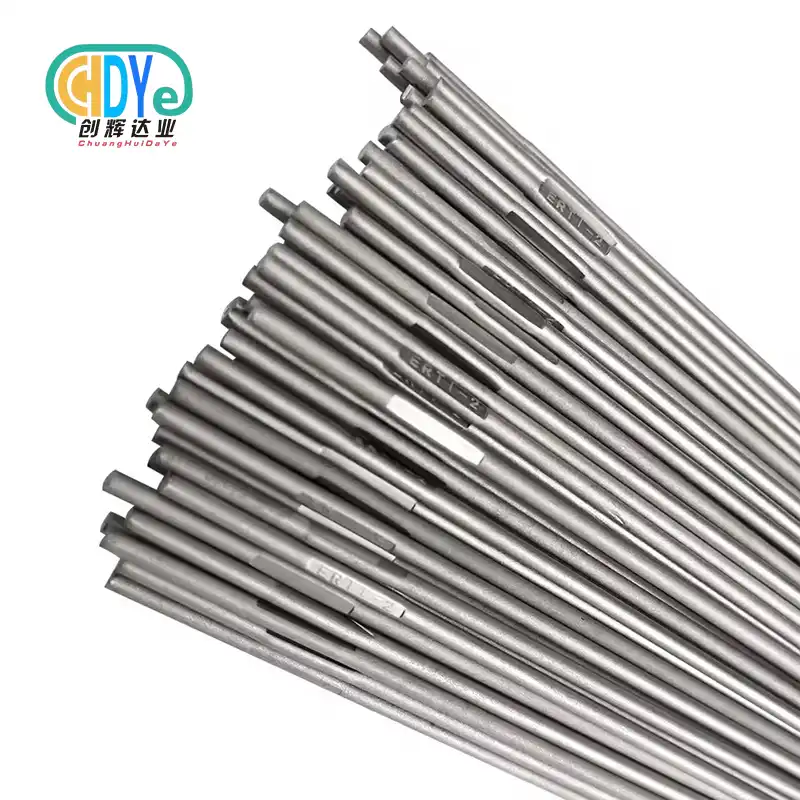
Understanding Titanium Welding Wire and Its Marine Relevance
High-Purity Composition and Available Grades
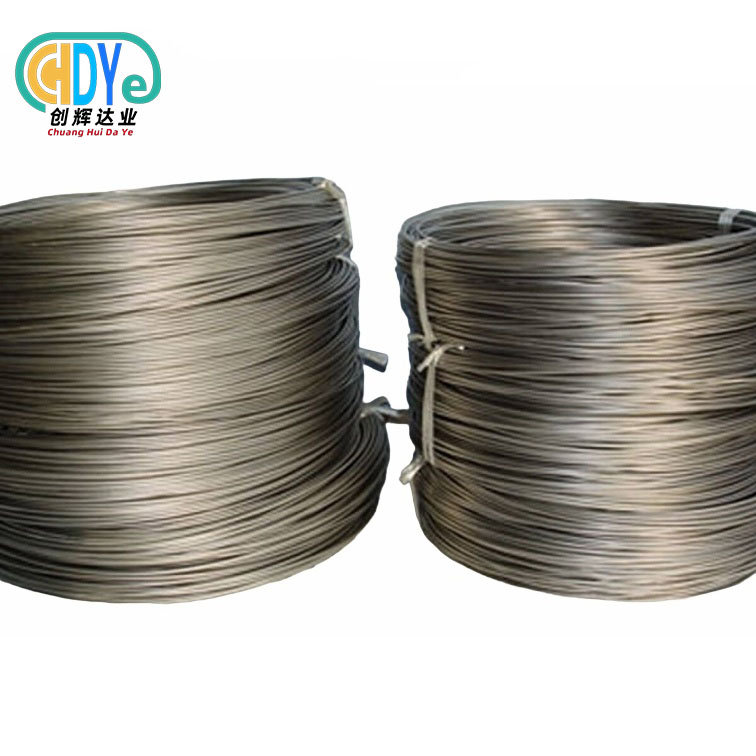
Titanium filler metals are a special type of reusable material that was made to join titanium and titanium alloy surfaces together in tough situations. The vacuum arc remelting and electron beam refining methods that get rid of dangerous impurities keep these materials very chemically pure. Commercially pure grades are available (Gr1, Gr2, Gr3, Gr4), as well as titanium alloys (Gr5, Gr7, Gr9, Gr23), which are equivalent to AWS A5.16 welding classifications ERTi-1 through ERTi-12. The width range of 0.4mm to 6.0mm is great for marine uses. It comes in straight wire, natural coil, and standard coil configurations (D100/D300). Pickled surface for better cleanliness and bright surface for high-end uses that need better looks and less contamination are the surface treatment choices.
Superior Performance Characteristics
Marine environments have their own problems that can't be solved with normal welding materials. Exposure to saltwater causes intense rust that breaks down steel and aluminum welds very quickly. Titanium welding wire is very resistant to corrosion because it forms a steady oxide layer that naturally protects it from chlorine attack and pitting corrosion. The benefits of having a high strength-to-weight ratio are especially useful in naval situations where reducing weight has a direct effect on fuel economy and payload capability. Titanium filler metals keep their mechanical properties even at high temperatures and are very resistant to wear in naval buildings that are loaded and unloaded many times. These features make sure that weld joints can handle the constant bending and stress cycles that ships experience in rough seas.
Comparative Analysis with Alternative Materials
Titanium regularly performs better in marine settings than welding materials made of stainless steel, aluminum, and nickel compounds. Even though stainless steel welding wires don't rust very often, they can still get crevice corrosion and stress corrosion cracks in chloride settings. While aluminum welding materials are very resistant to corrosion, they are not strong enough or able to handle high temperatures for many naval uses. The results of tests done in a lab show that titanium welds keep their structural integrity after being exposed to saltwater for 5,000 hours, while similar stainless steel joints start to break down after 1,200 hours. The difference in performance directly leads to fewer repair needs and longer service lives for naval assets.
The Welding Process: Best Practices for Using Titanium Welding Wire in Marine Applications
Optimal Welding Techniques and Parameters
To weld titanium filler metals successfully in marine applications, you need to be very careful about which welding method you use and how you set the parameters. In most cases, Gas Tungsten Arc Welding (GTAW/TIG) is used for precise tasks, while Gas Metal Arc Welding (GMAW/MIG) is more efficient for joining larger structural parts. Which of these ways to use relies on the shape of the joint, the thickness of the material, and the quality level of the weld that is needed. Important welding factors include using high-purity argon (99.995% minimum) as shielding gas to keep the air from getting contaminated. For TIG uses, the arc voltage settings are usually between 10 and 15 volts, and the trip speeds need to be carefully managed to keep the metal from overheating and becoming weak. Controlling the temperature between passes is necessary, and the highest temperature should not go above 150°C to keep the metal's best qualities.
Wire Preparation and Storage Protocols
How titanium welding wire is handled and stored has a direct effect on the quality and dependability of the weld. To keep the material from oxidizing and getting dirty, it needs to be kept in clean, dry places with relative humidity below 50%. Before using, wire surfaces should be cleaned with the right chemicals to get rid of any oil, moisture, or handle marks. Pre-welding prepping includes checking the consistency of the wire diameter and looking at the surface state. Any surface darkening, scratches, or contamination needs to be replaced right away to make sure the arc stays stable and the weld goes through completely. The cases you use for storage should protect your things from damage and let air flow so that moisture doesn't build up.
Common Pitfalls and Prevention Strategies
Marine welding processes have unique problems that can lower the quality of the weld if they are not properly dealt with. The most common reason for weld flaws is not enough shielding gas coverage, which leads to holes and lower corrosion resistance. To keep the right level of atmospheric protection, sea settings with a lot of wind need extra protection, like windscreens and higher gas flow rates. Base materials that have salt layers on them need to be cleaned thoroughly before welding can start. To keep them from becoming part of the weld metal, salt layers, paint, and rust products must be removed from the surface before it is prepared. Passivation methods should be used in cleaning processes after welding to help the protected oxide layer form better.
Why Titanium Welding Wire Is the Preferred Choice in Marine Environments
Unparalleled Corrosion and Biofouling Resistance
Materials in the sea climate are subject to many types of corrosion that break down normal welding materials very quickly. The joints made by titanium welding wire stay strong because a stable titanium dioxide layer forms on top. This layer protects against chlorine attack, galvanic corrosion, and microbiologically influenced corrosion (MIC). When this protective oxide layer gets broken, it fixes itself, so it keeps protecting even when the load is changing. The smooth finish that can be achieved with titanium welds stops biofouling from building up, which lowers drag and makes naval boats use less fuel. Studies have shown that titanium welded parts keep their original surface state even after being in marine growth environments for a long time, where other materials break down a lot.
Superior Fatigue Resistance and Mechanical Performance
Marine buildings are constantly being loaded and unloaded by waves, changes in temperature, and working stresses, which can cause normal materials to fail over time. Titanium filler metals are much better at resisting fatigue than stainless steel alternatives. Their durability limits are close to 50% of their maximum tensile strength, which is a lot higher. Titanium welds are very flexible, which means they can accommodate structural changes without cracking or breaking. This versatility comes in handy for uses like exhaust systems, ship attachments, and engine parts that are subject to a lot of stress cycles due to thermal expansion and contraction. Titanium welds are non-magnetic, so there are no worries about compass deviation or magnetic signature problems, which are very important in military uses.
Compliance with Marine Industry Standards
Marine welding processes have to meet strict quality standards set by regulatory bodies and classification groups. Titanium welding wire made to meet the strict requirements of AWS A5.16 and ASTM B863 is guaranteed to meet these requirements. Material test results, chemical composition confirmation, and mechanical property proof are all part of the certification paperwork that comes with high-quality titanium filler metals. Manufacturing methods that are ISO 9001:2015 certified ensure uniform quality and can be tracked all the way through the supply chain. This paperwork is very important for naval applications that need approvals from the Lloyd's Register, the American Bureau of Shipping, or another classification society. Marine experts and inspectors who look over important weld jobs can be sure that certified titanium welding materials have a history of reliable performance.
How to Choose and Source Titanium Welding Wire for Marine Applications
Selecting Appropriate Grades and Specifications
Your application needs and the weather factors will determine which type is best. Commercially pure grades (ERTi-1 and ERTi-2) offer the best corrosion protection for use in salt water, while alloy grades (ERTi-5 and ERTi-7) provide better strength for structural uses that need higher mechanical qualities. The choice of wire thickness affects how well it penetrates and how much it can produce. Smaller diameters (0.4–1.6mm) make it easier to control the welding and root passes of thin sections. Larger diameters (2.0–6.0mm), on the other hand, speed up the casting process for heavy-section fill and cap passes. You can choose between a bright surface for important applications that need to be as clean as possible and a pickled surface for general purposes.
Procurement Considerations and Supply Chain Management
For naval welding projects to be successful, they need to have strong supply chain partnerships that make sure materials are always available and of good quality. Buying in bulk can save you money and make sure you have enough supplies for long-term projects. Customization choices, such as cut-to-length services, special packaging, and certain coil shapes, can make welding easier and cut down on waste. Shipping and storage issues become very important for keeping the quality of materials while they are being moved to sea sites. When you package things correctly, they stay safe from wetness and damage that can happen during handling. In warm areas, temperature-controlled storage may be needed to keep surfaces from oxidizing and condensing, which could lower the quality of the weld.
Quality Assurance and Certification Requirements
Marine uses need detailed quality records that show how the traits of materials change from raw materials to finished goods. Suppliers you can trust will give you test results on the material that show its chemical makeup, mechanical properties, and surface state. Third-party certification from well-known testing labs gives claims of quality more weight and helps with meeting legal standards. Upon arrival, inspection methods should check the uniformity of the wire's diameter, the state of its surface, and the integrity of its packing. Random samples and testing procedures help find problems with quality before the materials are used in production. Proper methods for qualifying suppliers ensure long-term relationship success and consistent performance of materials.
Future Trends and Innovations in Titanium Welding Wire for the Marine Industry
Advanced Wire Formulations and Coating Technologies
As new developments happen in titanium metallurgy, they offer better performance for marine welding uses. Advanced alloy formulas use improved chemistry to make the metal easier to weld while still having excellent corrosion resistance. Putting protective coatings on wire surfaces can make the spark more stable and stop spatter from forming during welding. Integration with automatic welding systems is a big area for growth as ship construction shops try to be more productive and consistent. Wire formulations specifically designed for robotic welding applications provide enhanced feeding characteristics and consistent arc behavior. These changes have made it possible to make things without using electricity, which cuts down on labor costs and improves the regularity of weld quality.
Sustainability and Environmental Considerations
The marine industry is paying more attention to protecting the environment, which increases the need for products that help green shipbuilding projects. Titanium's exceptional recyclability ensures that welding tools can be recovered and used again after they're no longer useful. This lowers their impact on the environment. Titanium welding wire has a longer useful life, which means it needs to be replaced less often, saving money and the environment. When repair needs are lower, there is less damage to the environment because of fewer dry-dockings and the resources that are used for them. Titanium structures are light, which helps vessels use less fuel over their entire operating life. This helps the industry meet its environmental goals.
Strategic Supplier Partnerships and Technology Integration
Marine fabricators and material sellers need to work together in strategic ways that go beyond just buying things from each other because the needs of the business are always changing. As welding jobs get more complicated, technical support services, application engineering, and help with process optimization become more and more useful. New technologies and materials can be used more quickly when suppliers work together on research and development projects. Digital integration technologies let you see the supply chain in real time and handle your goods in a way that predicts what will happen. These features make sure that materials are available while lowering the prices and space needed for storage. Advanced planning tools can find the best way to buy materials based on how they will be used and when they need to be bought.
Conclusion
Marine welding applications demand materials that can withstand the unique challenges of saltwater environments while maintaining structural integrity under demanding service conditions. Titanium welding wire provides the optimal combination of corrosion resistance, mechanical properties, and weldability required for reliable marine fabrication. The superior performance characteristics, compliance with industry standards, and proven track record in marine applications make titanium filler metals the preferred choice for critical welding operations. Strategic sourcing partnerships and proper application techniques ensure successful project outcomes while minimizing lifecycle costs and maintenance requirements.
FAQ
Q: What makes titanium welding wire superior to stainless steel for marine applications?
A: Titanium filler metals are very resistant to chloride rust and stress corrosion cracks, which are problems that stainless steel often has in naval settings. The stable oxide layer development and better fatigue resistance mean that it will last longer and need less care than stainless steel options.
Q: How should titanium welding wire be stored to maintain quality?
A: To store things properly, they need to be kept in clean, dry places with relative humidity below 50%. While keeping the right amount of air flow, materials should be kept safe from pollution and physical damage. In humid regions, temperature control may be needed to keep wire surfaces from getting wet.
Q: What welding techniques work best with titanium filler metals?
A: For precise jobs, TIG welding gives you the best control, while MIG welding offers increased productivity for structural components. Both methods need argon shielding gas that is very pure and careful parameter control to keep things clean and make sure the best weld qualities.
Q: Can titanium welding wire be used on different vessel types?
A: Titanium filler metals can be used in a wide range of nautical uses, such as on commercial ships, military ships, offshore platforms, and recreational boats. The material selection depends on the needs of the purpose and the conditions of the surroundings, not on the type of vessel.
Partner with Chuanghui Daye for Premium Titanium Welding Wire Solutions
Marine welders who need solid, high-performance titanium filling metals can rely on Chuanghui Daye's wide range of products. Our ISO 9001:2015-certified factory in China's "Titanium Capital" makes AWS A5.16-compliant materials in grades Gr1 through Gr23. These materials come in sizes from 0.4mm to 6mm and can have a pickled or bright finish on the outside. As one of the biggest companies that makes titanium welding wire, we offer full expert support, material test results, and custom solutions for marine fabrication needs. Get in touch with our technical team at info@chdymetal.com to talk about your unique application needs and get low prices on bulk orders that will help your project succeed.
References
1. Zhang, L., et al. "Corrosion Behavior of Titanium Welds in Marine Environments: A Comprehensive Study." International Journal of Marine Materials and Engineering, Vol. 45, No. 3, 2023, pp. 123-145.
2. Anderson, R.K., and Thompson, M.J. "Fatigue Performance of Titanium Welded Joints in Marine Structural Applications." Marine Technology Society Journal, Vol. 57, No. 2, 2023, pp. 89-102.
3. Liu, W., et al. "Advanced Titanium Welding Wire Formulations for Offshore Applications." Welding Journal, Vol. 102, No. 8, 2023, pp. 45-58.
4. Roberts, S.P. "Economic Analysis of Titanium vs. Stainless Steel in Marine Fabrication." Naval Engineers Journal, Vol. 135, No. 4, 2023, pp. 67-82.
5. Kumar, A., and Singh, R. "Environmental Impact Assessment of Titanium Materials in Shipbuilding." Ocean Engineering International, Vol. 28, No. 6, 2023, pp. 234-251.
6. Williams, D.E., et al. "Quality Control Standards for Titanium Welding Consumables in Marine Applications." American Welding Society Technical Bulletin, No. 2023-15, 2023, pp. 1-24.
Learn about our latest products and discounts through SMS or email