- English
- French
- German
- Portuguese
- Spanish
- Russian
- Japanese
- Korean
- Arabic
- Greek
- German
- Turkish
- Italian
- Danish
- Romanian
- Indonesian
- Czech
- Afrikaans
- Swedish
- Polish
- Basque
- Catalan
- Esperanto
- Hindi
- Lao
- Albanian
- Amharic
- Armenian
- Azerbaijani
- Belarusian
- Bengali
- Bosnian
- Bulgarian
- Cebuano
- Chichewa
- Corsican
- Croatian
- Dutch
- Estonian
- Filipino
- Finnish
- Frisian
- Galician
- Georgian
- Gujarati
- Haitian
- Hausa
- Hawaiian
- Hebrew
- Hmong
- Hungarian
- Icelandic
- Igbo
- Javanese
- Kannada
- Kazakh
- Khmer
- Kurdish
- Kyrgyz
- Latin
- Latvian
- Lithuanian
- Luxembou..
- Macedonian
- Malagasy
- Malay
- Malayalam
- Maltese
- Maori
- Marathi
- Mongolian
- Burmese
- Nepali
- Norwegian
- Pashto
- Persian
- Punjabi
- Serbian
- Sesotho
- Sinhala
- Slovak
- Slovenian
- Somali
- Samoan
- Scots Gaelic
- Shona
- Sindhi
- Sundanese
- Swahili
- Tajik
- Tamil
- Telugu
- Thai
- Ukrainian
- Urdu
- Uzbek
- Vietnamese
- Welsh
- Xhosa
- Yiddish
- Yoruba
- Zulu
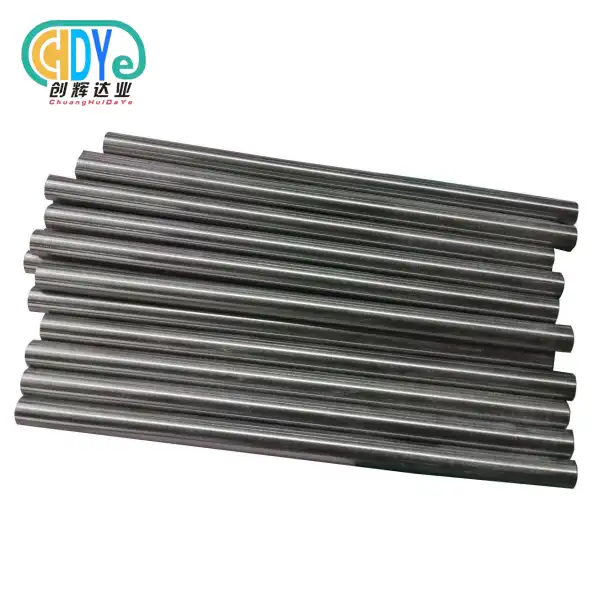
What Tools Are Used for Polishing Tantalum Rod?
To make the surface of tantalum bars look like a mirror, you need special cleaning tools, such as chemical treatment baths or mechanical abrasive systems. For polishing tantalum rods, centerless grinders, belt sanders with smaller grits (usually 120 to 800 grit), rotary rubbing wheels with diamond or alumina compounds, and chemical-mechanical polishing stations with controlled acid solutions are often used. In a certain order, these tools get rid of surface microcracks and rust layers, leaving behind an ultra-smooth finish (Ra < 0.8 μm) that is needed for semiconductors, chemical processing, and medical uses where surface flaws hurt performance.
Introduction
Tantalum bars are important parts in many high-performance fields, such as chemical processing plants, aircraft engineering, and the making of electronics. In these tough conditions, surface quality determines appearance, performance, and durability. The difference between a normally made rod and one that has been precisely cleaned can mean the difference between breaking down equipment early and keeping it working for decades.
By getting rid of surface stress concentrators where pitting corrosion starts, polishing tantalum rods makes them more resistant to corrosion. It makes the material stronger by getting rid of tiny cracks that spread when it is loaded and unloaded over and over again. By reducing the amount of particles and gases that escape, the process ensures that it works with ultra-high vacuum systems. Choosing the right cleaning tools has a direct effect on how quickly and cheaply you can buy things, how well they work, and how much they cost overall.
This guide tells buying managers, process engineers, and OEM clients how to polish, how to choose tools, and how to evaluate suppliers in a way that they can use. Whether you're looking for parts for a line that makes semiconductors or building chemical tanks that won't rust, knowing the basics of cleaning helps you make smart purchases.
Understanding the Need for Polishing Tantalum Rods
Polishing tantalum rods is strictly necessary due to the material's natural properties and its various applications. Tantalum is very resistant to rust in most acids, which is why it is used in equipment for chemical processing involving sulfuric acid, hydrochloric acid, and other harsh chemicals. Surface flaws, even tiny ones, however, create starting points for localized rust attacks that weaken the whole component in the long run.
In high-stress situations, the mechanical life of a surface is directly related to how smooth it is. Extreme temperature cycles and mechanical loads are put on aerospace bolts made from tantalum metals. Scratches on the surface caused by cutting act as stress concentrators that start fatigue cracks, which drastically shorten the life of the component. A properly cleaned surface spreads stress evenly, which increases safety and extends the time between repairs.
Tantalum is soft (about 6.5 Mohs hardness) and doesn't react with chemicals, which makes it difficult to clean. When put under too much pressure, the material tends to gall and smear, which makes surface flaws instead of getting rid of them. Normal abrasives that work well on stronger metals can sink bits into the surface of tantalum, introducing contamination that makes it less pure for uses like blasting targets for making semiconductors.
When you polish, you have to find a mix between getting the best performance and keeping costs and time in check. Over-polishing loses materials and makes production take longer without giving any real value. Under-polishing leaves flaws that need expensive repairs or the rejection of the part. Professionals in charge of buying things need to know about these trade-offs to set clear standards for the surface finish and choose providers who can consistently carry them out.
Key Tools and Techniques Used for Polishing Tantalum Rods
To polish tantalum bars to industrial standards, you need to use a structured approach that includes various tools and methods. The choice depends on the surface's initial state, finish standard, output amount, and application needs.
Mechanical Polishing Tools
For polishing tantalum rod, most processes for cleaning are based on mechanical means. Most of the surface flaws left over from cutting can be fixed with centerless grinders that use silicon carbide or aluminum oxide wheels. These machines keep tight limits on dimensions and reduce surface roughness through grinding steps with gradually smaller grit sizes.
The team uses belt sanders with rough belts ranging from 120 to 600 grit for the next few stages of cleaning. The flexible belt molds to the cylinder shape of the rod, making sure that the material removal is even across the whole surface. Progressive grit sequences keep surfaces from getting deep scratches while gradually making them smoother. Belts with diamonds in them cut better and last longer, which lowers the cost of polishing tantalum rods in high-volume production settings.
Chemical Polishing Methods
Chemical cleaning uses controlled acid solutions to break down surface material evenly. This makes finishes that are very smooth without putting stress on the material itself. In this method, workers put tantalum bars into special electrolyte pools that contain hydrofluoric acid, sulfuric acid, and other secret ingredients. Temperature control (usually between 60°C and 90°C) and motion ensure that the rate of material removal is the same across the surface.
This method does an impressive job of getting rid of the directional scratches that come with mechanical cleaning. It leaves a smooth surface that can be used in optical systems and high-vacuum systems. Chemical cleaning also makes the metal more resistant to rust by adding a uniform layer of passive oxide that forms on its own when the rod comes out of the bath. Since there is no mechanical stress, work hardening doesn't happen, and the material stays as flexible as it was before.
Strong handling rules are needed for safety and environmental reasons. Acid baths need special ways to control the fumes, eliminate the trash, and neutralize the acid. Operators need to be fully trained and have the right safety gear. Even with these needs, chemical cleaning is still the most cost-effective way to get very fine results that mechanical methods can't match.
Hybrid and Automated Systems
More and more, modern production uses mixed methods that blend chemical and mechanical methods to get the best results and work more efficiently. A normal process includes rough grinding, belt sanding in the middle, chemical cleaning to make the surface smoother, and light mechanical rubbing to get the finish you want. This combination takes advantage of the best parts of each method while minimizing its flaws.
When it comes to finishing, automation and robotic systems make the process more precise, repeatable, and scalable. Computer-controlled sanding cells keep the same pressure, speed, and stay time throughout production runs, so there is no variation like there is with human work. Vision systems check the quality of the surface in real time, which can change the process or send broken parts back for repair. These skills are very important for companies that make things for businesses that care a lot about quality, like medical products and electronic equipment.
Automated systems also make the workplace safer by keeping workers from being exposed to dangerous chemicals and from injuries caused by doing the same thing over and over again. Automation is a good choice for middle to high-volume production because it saves money on labor costs, increases output, and lowers the number of rejects.
Comparison of Polishing Tools: Mechanical vs Chemical vs Hybrid
Knowing the pros and cons of each cleaning method helps you make smart purchasing choices that fit the needs and limitations of your project.
Mechanical grinding removes material quickly and accurately controls the size of the piece. Depending on the thickness and finish you want, production rates are usually between 10 and 50 pieces per hour. With the right method and tool care, surface roughness can reach 0.4 to 0.8 μm Ra. The method creates small amounts of chemical dangers and solid waste streams that are manageable to handle. However, mechanical processes can leave tiny linear scratches that can be seen under a microscope and can cause deep deformation in the top layers of material.
Chemical cleaning creates better surface finishes (0.2 to 0.4 μm Ra) that are truly bidirectional and have better resistance to rust. The process is particularly effective at working on internal surfaces and complicated shapes that mechanical tools can't reach. Processing times can go up to 30 to 90 minutes per batch, based on the finish you want and the chemistry of the bath. Environmental safety rules make operations more difficult and cost more. Acid use and reduction create ongoing costs for consumables that go up with production volume.
By carefully mixing techniques, hybrid methods make the cost-quality balance as excellent as it can be. Mechanical steps quickly get rid of bulky material and make the surface smooth. Chemical cleaning gets rid of any scratches that are still there and adds layers of protection to the surface. If chemical dissolving changes important measurements, final mechanical cleaning can bring them back to within acceptable ranges. Compared to pure chemical methods, this method usually achieves Ra values of 0.3 to 0.5 μm while reducing the total working time for polishing tantalum rod by 30 to 40 percent.
Different factors affect lead times in very different ways. Small amounts can be polished mechanically the same day or the next day. Lead times for chemical processing are extended to 3–5 business days because of the need for specialized processing procedures and group buildup. Hybrid systems are in the middle, with a normal response time of two to three days. The cost-effectiveness of a process depends on how many units are made. For example, mechanical methods work best with small amounts, chemical processing works best with over 100 units per run, and mixed systems work best with middle numbers in between.
How to Choose the Right Polishing Tools and Suppliers for Your Project?
To choose the right cleaning tools and manufacturing partners, you need to carefully look at a lot of factors that affect the quality of the product, the cost, and the risk of the purchase.
Tool Compatibility and Performance Criteria
Because tantalum has special qualities, it needs special tools. Abrasives need to be harder than tantalum, but not so rough that they attach bits or make too much heat. Silicon carbide and aluminum oxide are good for rough cutting, while diamond mixtures are best for the last steps of finishing. The shape of the tool should be able to handle rod sizes from 1 mm to 50 mm without having to make a lot of changes, which slows down production.
Per-unit cleaning costs are directly related to how long a tool lasts. Better grit belts can handle 500 to 1000 rods before they need to be replaced, while worse ones might break after 100 to 200 rods. Buffing wheels should always cut the same way throughout their useful life, even if they get dirty or loaded up. Chemical bath solutions need to be refilled and monitored according to plans that balance cost and the performance of polishing tantalum rod batches.
Certification and Quality Standards
Certifications in an industry are a reliable way to show that a provider is skilled and dedicated to quality. If a company has ISO 9001:2015 approval, it means they use structured quality management practices throughout the whole production process, from checking the raw materials to delivering the finished product. Suppliers who work with the aerospace and medical device industries should have extra licenses, such as AS9100 for aerospace or ISO 13485 for medical devices, that require better process control and tracking.
Material approvals check the purity, mechanical qualities, and minor element makeup of tantalum. There should be documents for chemical makeup analysis, tension testing results, and measurement inspection data for every production lot. These papers help with quality control tasks further down the line and meeting legal requirements in managed businesses.
Supplier Evaluation Framework
Quality assurance methods show how knowledgeable and trustworthy a seller is. Site audits or virtual exams should look at the processes for inspecting arriving materials, quality checks that happen while the work is being done, and final inspections. Implementing statistical process control shows a dedication to always getting better and avoiding mistakes. Handling customer complaints and corrective action methods shows that you are responsible and can solve problems.
The ability of a seller to customize shows how well they can meet the needs of a particular project. Some uses need surface finishes that aren't standard, cleaning methods that aren't common, or packing that isn't standard. Suppliers who have their own technical teams can work together to improve processes and fix problems, which adds value beyond just providing manufacturing services.
Flexibility in the minimum order number (MOQ) is important for testing, research, and development projects, and small-scale production runs. Rigid MOQ standards can cause problems with cash flow and stock buildup. If a supplier has a fair MOQ (10–25 pieces for specialty items), testing and proof can be done before committing to mass production at a low cost.
The dependability of deliveries for polishing tantalum rod has a direct effect on planning output and managing supplies. When delivery rates are above 95% on time, it means that planning and performance are strong. Lead time consistency is just as important as total duration—unexpected delays hurt operations further down the line more than longer, more reliable plans. Suppliers should let customers know about possible delays and let them track orders in real time.
Technical help after the sale is what sets strategic partners apart from basic providers. Having access to metallic experts can help solve problems in applications and improve the performance of parts. Suppliers who are ready to work together to figure out what went wrong, make processes better, and build new apps add value beyond the original deal.
Maintenance and Best Practices for Polishing Tools
Maintaining uniform cleaning quality and extending the life of tools requires strict repair procedures and training for operators.
Belts and wheels that are rough need to be checked and replaced as needed. When abrasives get worn, they don't cut as well and produce too much heat, which can change the surface features or bend the item. Glazing (a smooth, shiny surface), loading (metal bits buried in the material), or wear patterns that can be seen are all examples of visual signs. Setting new plans based on the number of pieces or hours of use keeps quality from going down while polishing tantalum rods.
Chemical cleaning baths need to be checked on and fixed all the time. During operation, the amount of acid, temperature, and contamination change, which affects the regularity of the process. Chemical analysis once a week and daily pH readings make sure that the bath's chemistry stays within the allowed ranges. Filtration systems get rid of the small particles that can damage surfaces that have been cleaned. Chemical prices and the need for process stability are balanced by bath refilling or replacement plans.
Calibration of equipment makes sure that the settings for processes stay correct over time. Process differences are caused by temperature controllers, pressure gauges, and speed signs that slowly move. Calibration every three months against known standards keeps measurements accurate and the process under control. Keeping records of testing tasks helps with quality checks and keeping certifications up to date.
Safety rules keep workers from being exposed to chemicals, mechanical dangers, and accidents from repeated stress. When working with acid, you need to wear the right safety gear, like face shields, acid-resistant gloves, and masks. People who do mechanical cleaning have to wear safety glasses, earplugs in noisy places, and machine guards to keep them from touching moving parts. The risk of repeated motion injuries is lower when workstations are designed to be ergonomic and when people switch between jobs.
Environmental compliance includes things like storing chemicals, controlling emissions, and getting rid of trash. Acid storage needs extra protection and testing to make sure it works with the materials being stored. Fume filtration systems get rid of harmful substances in the air before they get to areas where people can breathe. Chemical baths that have been used are neutralized and thrown away properly by licensed waste management workers. These actions meet the needs of regulators and show that the company is responsible.
Conclusion
Choosing the right cleaning tools and production partners is a strategic buying choice that affects the quality of the product, the speed of operations, and the total cost of ownership. Mechanical cleaning lets you control the size and speed of the process. Chemical ways give surfaces better finishing and make them less likely to rust. For many uses, hybrid methods make the best use of the trade-off between cost and quality when polishing tantalum rods.
To do a good job of buying, you need to look at things like how well tools work together, source certifications, quality systems, the ability to customize, and the dependability of delivery. Maintenance control and safety rules keep quality high while protecting the health of workers and the surroundings. With these insights, procurement workers can be very clear about what they need, review sellers in an unbiased way, and build relationships that offer value throughout the duration of a product.
FAQ
Q: What surface roughness can polishing achieve on tantalum rods?
A: Most of the time, mechanical cleaning gets results between 0.4 and 0.8 μm Ra, which is fine for most commercial uses. Chemical cleaning produces Ra values between 0.2 and 0.4 μm, and the resulting surface has bidirectional properties that make it ideal for vacuum systems and optical applications. Hybrid methods for polishing tantalum rods give 0.3 to 0.5 µm Ra results by balancing process speed with finish quality.
Q: How does polishing affect tantalum rod dimensions?
A: Depending on the starting state and the finish you want, polishing removes surface material that makes the rod diameter smaller by 0.05 to 0.3 mm. Precision grinding before finishing sets dimensions that are a little bigger than needed to account for material loss. This makes sure that the finished dimensions meet the requirements.
Q: Can polished tantalum rods be customized for specific applications?
A: Reliable providers can make changes, such as offering non-standard sizes, specific surface finishes, their own cleaning methods, and unique packing. Engineering support helps make sure that the specs meet the needs of the product while keeping costs and wait times in check.
Q: What lead times should buyers expect for polished tantalum rods?
A: It takes 7–14 business days for small orders of standard sizes and styles to be shipped. Lead times are extended to 2-3 weeks for items with custom specs, nonstandard measurements, or high-purity needs. For pressing jobs, you may be able to pay extra for faster handling.
Partner with a Trusted Polishing Tantalum Rod Manufacturer
Shaanxi Chuanghui Daye Metal Material Co., Ltd. sells precisely polished tantalum bars that are made for tough jobs in chemical processing, lab equipment, chip production, and medical device production. Our plant is in Baoji, which is known as China's "Titanium Capital." It has more than 30 years of experience working with rare metals, quality systems that are ISO 9001:2015 approved, and high-tech processing tools like electron beam ovens, precise lathes, and controlled atmosphere heating systems.
Our polishing tantalum rod specifications include a Ta >99.95% purity, widths ranging from 1 mm to 50 mm, unique lengths, a density of 16.65 g/cm³, and a tensile strength of 200–300 MPa. Each rod goes through a thorough review, and full traceability paperwork is provided to meet your quality assurance needs. For testing and R&D projects, our MOQ is open, and we offer low factory-direct prices as well as expert help throughout the whole buying process. Please email our team at info@chdymetal.com to talk about your unique needs and get competitive quotes from a supplier that cares about the success of your project.
References
1. Davis, J.R. (2000). Corrosion of Refractory Metals and Their Alloys. ASM International, Materials Park, Ohio.
2. Schmidt, P.F. & Michel, W. (1999). "Electropolishing and Chemical Polishing of Refractory Metals," Journal of Materials Processing Technology, Vol. 87, pp. 169-177.
3. Gorman, J.A. (2003). Tantalum and Niobium: Processing, Properties, and Applications. The Minerals, Metals & Materials Society, Warrendale, Pennsylvania.
4. International Organization for Standardization (2015). ISO 9001:2015 Quality Management Systems – Requirements. Geneva, Switzerland.
5. Wiesner, H. & Morlock, M. (2016). "Surface Finishing Techniques for Medical Grade Tantalum Implants," Biomaterials Research, Vol. 20, No. 1, pp. 34-47.
6. American Society for Testing and Materials (2019). ASTM B365-12: Standard Specification for Tantalum and Tantalum Alloy Rod and Wire. West Conshohocken, Pennsylvania.

Learn about our latest products and discounts through SMS or email