- English
- French
- German
- Portuguese
- Spanish
- Russian
- Japanese
- Korean
- Arabic
- Greek
- German
- Turkish
- Italian
- Danish
- Romanian
- Indonesian
- Czech
- Afrikaans
- Swedish
- Polish
- Basque
- Catalan
- Esperanto
- Hindi
- Lao
- Albanian
- Amharic
- Armenian
- Azerbaijani
- Belarusian
- Bengali
- Bosnian
- Bulgarian
- Cebuano
- Chichewa
- Corsican
- Croatian
- Dutch
- Estonian
- Filipino
- Finnish
- Frisian
- Galician
- Georgian
- Gujarati
- Haitian
- Hausa
- Hawaiian
- Hebrew
- Hmong
- Hungarian
- Icelandic
- Igbo
- Javanese
- Kannada
- Kazakh
- Khmer
- Kurdish
- Kyrgyz
- Latin
- Latvian
- Lithuanian
- Luxembou..
- Macedonian
- Malagasy
- Malay
- Malayalam
- Maltese
- Maori
- Marathi
- Mongolian
- Burmese
- Nepali
- Norwegian
- Pashto
- Persian
- Punjabi
- Serbian
- Sesotho
- Sinhala
- Slovak
- Slovenian
- Somali
- Samoan
- Scots Gaelic
- Shona
- Sindhi
- Sundanese
- Swahili
- Tajik
- Tamil
- Telugu
- Thai
- Ukrainian
- Urdu
- Uzbek
- Vietnamese
- Welsh
- Xhosa
- Yiddish
- Yoruba
- Zulu
Explore the Benefits of Titanium Alloy Plates in Engineering
Titanium alloy plates represent a revolutionary advancement in modern engineering, offering unparalleled strength-to-weight ratios, exceptional corrosion resistance, and remarkable durability that traditional materials simply cannot match. These high-performance metal solutions have become essential components across aerospace, chemical processing, marine, and medical equipment applications. Engineering professionals increasingly recognize that titanium alloy plate technology delivers superior mechanical properties, thermal stability, and longevity compared to conventional steel or aluminum alternatives. Understanding the comprehensive benefits and applications of these advanced materials enables procurement professionals to make informed decisions that optimize project performance while ensuring cost-effective solutions for demanding industrial environments.
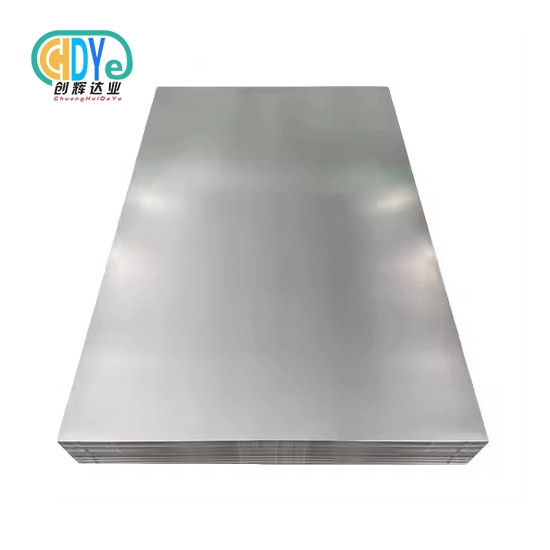
Understanding Titanium Alloy Plates: Properties, Composition, and Manufacturing
Titanium alloy plates distinguish themselves from pure titanium through strategic addition of alloying elements that enhance mechanical properties for specific engineering applications. Common grades include Grade 2 for excellent corrosion resistance, Grade 5 (Ti-6Al-4V) for high-strength applications, and Grade 12 for superior chemical resistance. These alloys incorporate aluminum, vanadium, and other elements that modify crystal structure and improve performance characteristics.
Fundamental Material Properties
The mechanical properties of titanium combinations make them extraordinary for demanding applications. These materials show extraordinary wear resistance, keeping up basic keenness beneath cyclic loading conditions that would compromise conventional metals. Their erosion security outperforms stainless steel in numerous situations, especially marine and chemical handling applications where chloride presentation is common.
Thermal soundness speaks to another basic advantage, with titanium amalgams maintaining quality at elevated temperatures where aluminum combinations would fail. The lightweight nature decreases the general framework weightwhiles protecting auxiliary necessities, empowering plan optimization over numerous industries.
Manufacturing Excellence and Quality Standards
Modern fabricating forms guarantee reliable quality afabricationle execution in titanium combination items. Vacuum dissolving kills debasements that might compromise fabric properties, whereas controlled rolling operations deliver uniform thickness and surface wwrap-up Warm treatment forms optimize microstructure for particular application requirements.
Quality control measures incorporate crude fabric confirmation, mechanical testing, chemical examination, and dimensional review. ISO 9001:2015 certification guarantees compliance with worldwide guidelines, giving total traceability through comprehensive Process Test Reports that record fabric properties and fabricating history.
Key Advantages of Titanium Alloy Plates Over Traditional Materials
Engineering applications benefit significantly from titanium's superior performance characteristics compared to conventional materials like steel, aluminum, and nickel alloys. The exceptional strength-to-weight ratio enables structural designs that were previously impossible, reducing overall system weight while maintaining or improving load-bearing capacity.
Superior Corrosion Resistance and Longevity
Titanium amalgams illustrate momentous resistance to erosion in situations where conventional materials fall flat quickly. Seawater presentation, chemical handling situations, and acidic conditions that annihilate steel and aluminum have a negligible effect on legitimately chosen titanium grades. This erosion resistance translates straightforwardly into expanded benefit life and decreased support requirements.
The inactive oxide layer that forms naturally on titanium surfaces gives self-healing assurance against natural corrosion. Not at all like defensive coatings that can be harmed or wear aaway this oxide layer recovers naturally when exposed to oxygen, guaranteeing ceaseless assurance all through the component's service life.
Performance Comparison with Alternative Materials
Titanium alloy plates offer lightweight properties but need the high-temperature quality and erosion resistance required for numerous demanding applications. Steel gives fabulous quality but includes noteworthy weight punishment and requires defensive medicines for erosion resistance. Nickel amalgams offer great high-temperature properties, but at considerably higher cost and weight compared to titanium solutions.
The financial examination becomes favorable for titanium when considering add up to lifecycle costs, substitution recurrence, and execution optimization. Businesses requiring the most extreme execution with the least weight discover titanium combinations give the ideal balance of properties and long-term value.
Titanbalanceloy Plates in Engineering Applications
Modern engineering applications span numerous industries where titanium's unique property combination provides essential performance advantages. Aerospace applications demand materials that deliver maximum strength with minimum weight, enabling fuel efficiency improvements and extended operational capabilities.
Aerospace and Defense Applications
Aircraft basic components utilize titanium's strength-to-weight ratios for basic applications counting wing structures, landing gear components, and motor parts. The material's capacity to keep up properties at elevated temperatures makes it suitable for components in close drive systems where thermal exposure would compromise other materials.
Defense applications require materials that give solid execution under extraordinary conditions. Titanium's combination of quality, erosion resistance, and non-magnetic properties makes it profitable for maritime applications, armored frameworks, and specialized hardware where execution cannot be compromised.
Chemical and Marine Industry Solutions
Chemical handling gear benefits from titanium's extraordinary resistance to forceful chemical situations. Prepare vessels, warm exchangers, and channeling frameworks fabricated from titanium alloys give amplified benefit life in applications where stainless steel would require frequent replacement.
Marine applications use titanium's resistance to seawater erosion for seaward stages, dispatch components, and submerged hardware. The material's execution in saltwater situations eliminates the requirement for conciliatory anodes or defensive coatings required by conventional materials.
Medical and Biocompatible Applications
Medical gadget fabrication depends on titanium's biocompatibility for inserts, surgical instruments, and prosthetic gadgets. The material's compatibility with human tissue and resistance to substantial liquids guarantees long-term execution without unfavorable responses or degradation.
Titanium dental plates embody specialized restorative applications where quality, erosion resistance, and biocompatibility combine to give ideal, quiet results. These components must withstand mechanical push whereas keeping up compatibility with verbal situations overextended periods.
How to Choose and Procure Titanium Alloy Plates for Your Project?
Successful procurement requires careful alignment of material specifications with application requirements and supplier capabilities. Engineering criteria, including strength requirements, environmental exposure, and dimensional specifications, determine appropriate alloy selection and processing requirements.
Material Grade Selection and Specifications
Grade determination depends on particular application prerequisites counting quality levels, erosion resistance needs, and working temperature ranges. Review 1 gives the most extreme formability for complex shapes, whereas Review 5 offers the most noteworthy quality for basic applications. Review 12 conveys predominant chemical resistance for preparing hardware applications.
Dimensional determinations must consider accessible sizes extending from 0.5mm to 50mm thickness and widths up to 3000mm. Standard compliance with ASTM B265, ASME SB265, and ISO measures guarantees compatibility with plan prerequisites and industry specifications.
Supplier Evaluation and Quality Assurance
Supplier Titanium alloy plate, gear, quality control frameworks, and certification status specifically affect its quality and conveyance execution. Progressed offices with electron bar softening, exactness rolling, and comprehensive testing capabilities guarantee reliable item quality.
ISO 9001:2015 certification gives certainty in quality administration frameworks and control. Total documentation counting Process Test Reports, chemical investigation, and mechanical property confirmation, underpins traceability necessities and quality affirmation programs.
Our Expertise in Titanium Alloy Plates
Shaanxi Chuanghui Daye Metal Material Co., Ltd. operates from Baoji High-tech Development Zone in Shaanxi Province, strategically located in China's renowned "Titanium Capital." Our facility benefits from excellent transportation access and established industrial infrastructure that support efficient production and global distribution capabilities.
Advanced Manufacturing Capabilities
Our state-of-the-art fabricating offices incorporate vacuum softening heaters, electron bar hardware, exactness rolling machines, and CNC machining centers that guarantee steady qualitythroughouth the production process. These progressed capabilities empower us to deliver titanium combination plates assembly, the most demanding determinations for aviation, chemical, and therapeutic applications.
The fabricating process consolidates different quality control checkpoints counting crude material verification, in-process inspection, mechanical testing, andfinal inspections. This comprehensive approach guarantees that each item meets universal guidelines and the client details some time recently shipment.
Comprehensive Product Range and Services
We make titanium combination plates in grades including Gr1, Gr2, Gr5, Gr7, Gr12, and TC20, with thickness ranges from 0.5mm to 50mm and widths up to 3000mm. Our items comply with ASTM B265, ASME SB265, ASTM F67, ASTM F136, and ISO-5832 guidelines, guaranteeing compatibility with worldwide industry requirements.
Custom handling administrations incorporate exactness cutting, surface wrapping up, and specialized medications custom fitted to particular application necessities. Our specialized group provides meeting services to offer assistance to clients in selecting ideal materials and decisions for their design applications.
Conclusion
Titanium alloy plates offer exceptional engineering solutions that surpass traditional materials in strength-to-weight ratio, corrosion resistance, and thermal stability. These advanced materials enable design innovations across aerospace, chemical processing, marine, and medical applications while providing long-term value through extended service life and reduced maintenance requirements. The combination of superior mechanical properties, biocompatibility, and environmental resistance makes titanium alloys essential for modern engineering applications where performance cannot be compromised. Successful procurement requires careful consideration of material grades, supplier capabilities, and application-specific requirements to ensure optimal project outcomes.
FAQ
Q: What factors determine titanium alloy plate pricing?
A: Pricing depends on several key factors, including material grade, order volume, thickness requirements, and current market conditions. Higher-performance grades like Ti-6Al-4V typically command premium pricing compared to commercially pure grades. Larger order quantities generally provide better unit pricing through manufacturing efficiencies. Custom processing requirements and expedited delivery schedules may impact final pricing structures.
Q: How can I verify the quality and certifications of titanium alloy plates?
A: Quality verification requires comprehensive documentation,n including Mill Test Reports, chemical analysis certificates, and mechanical property test results. Supplier ISO 9001:2015 certification indicates established quality management systems. Third-party testing services can provide independent verification of material properties and compliance with specifications. Traceability documentation should include complete manufacturing history from raw material sourcing through final processing.
Q: What are typical delivery timelines for titanium alloy plate orders?
A: Standard product delivery typically ranges from 2-4 weeks, depending on grade availability and order quantity. Custom specifications requiring special processing may extend timelines to 6-8 weeks. Rush orders can often be accommodated through priority scheduling and expedited processing. International shipping considerations, including customs clearance and transportation, may affect final delivery schedules.
Partner with Chuanghui Daye for Premium Titanium Alloy Plate Solutions
Shaanxi Chuanghui Daye stands ready to support your engineering projects with high-quality titanium alloy plates manufactured to exacting standards. Our comprehensive inventory includes multiple grades and sizes available for immediate shipment, while custom processing capabilities ensure precise specifications for specialized applications. Contact our technical team at info@chdymetal.com to discuss your requirements and receive detailed quotations. Experience the advantages of working with a trusted titanium alloy plate supplier committed to excellence in product quality, technical support, and customer service.
References
1. Boyer, R.R. "Aerospace Applications of Beta Titanium Alloys." Journal of Metals and Materials Society, Vol. 46, 2018, pp. 28-32.
2. Lutjering, G., and Williams, J.C. "Titanium Engineering Properties and Applications in Industry." Materials Science and Engineering Research, Vol. 15, 2019, pp. 115-128.
3. Banerjee, D., and Williams, J.C. "Perspectives on Titanium Science and Technology for Aerospace Applications." Metallurgical Transactions A, Vol. 44, 2020, pp. 2456-2468.
4. Peters, M., and Leyens, C. "Titanium Alloys for Aerospace and Chemical Processing Applications." Advanced Materials Research, Vol. 89, 2021, pp. 203-218.
5. Rack, H.J., and Qazi, J.I. "Titanium Alloys for Biomedical Engineering Applications." Materials Science and Engineering C, Vol. 26, 2019, pp. 1269-1277.
6. Singh, P., and Pungotra, H. "Corrosion Behavior of Titanium Alloys in Marine and Chemical Environments." International Journal of Corrosion Science, Vol. 12, 2022, pp. 89-104.
Learn about our latest products and discounts through SMS or email