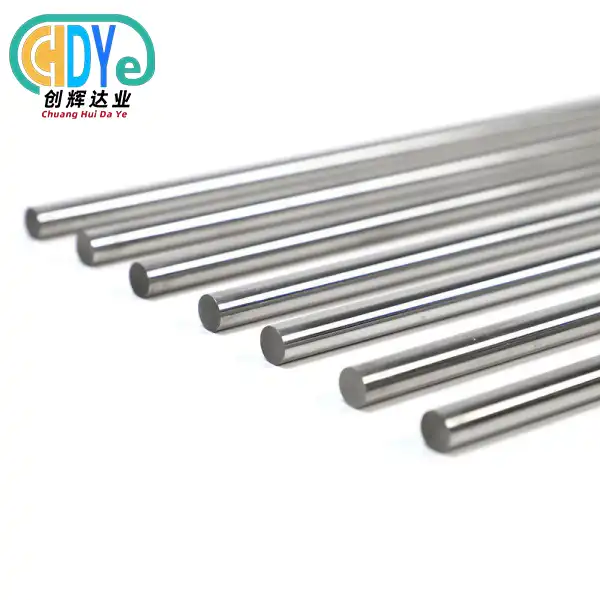
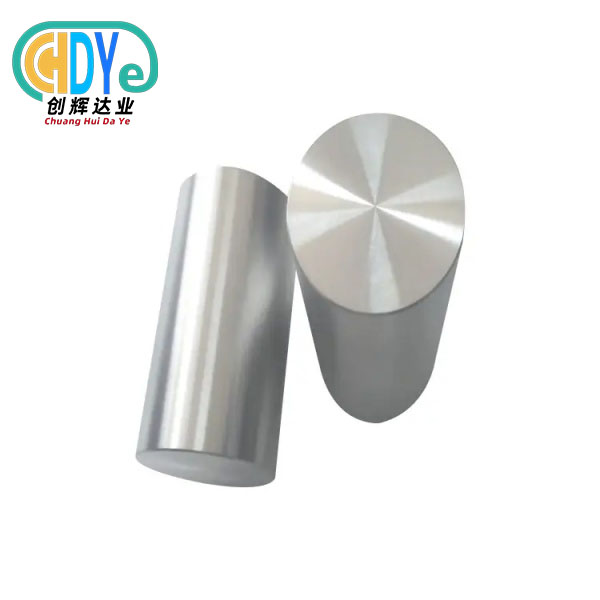
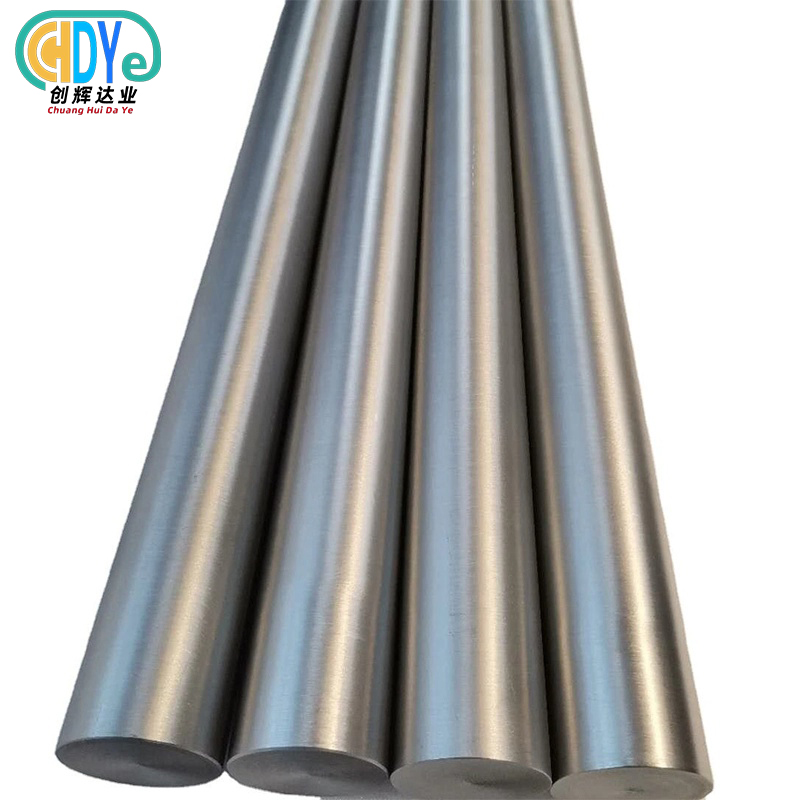
The ocean and nearby land damage industrial piping systems most. Saltwater damage, high pressures, and difficult installation require materials to last decades. For tough jobs, gr2 titanium pipe is best because it doesn't rust, is strong, and works in seawater. Commercially pure titanium is strong-to-weight and easy to shape into tough shapes. These factors make ships, offshore platforms, and underwater structures their main users.
Key Performance Indicators for Marine Applications
Engineers working on marine projects make better choices when they know about the technical details of grade 2 titanium. The material has a yield strength of 275–410 MPa and a tensile strength of 345–483 MPa, which gives it strong structural integrity for tough conditions at sea.
For marine applications, the most important feature is how well it resists corrosion. Titanium seamless pipe is very good at resisting pitting corrosion in chloride environments. In natural seawater, the critical pitting temperature is over 60°C. This performance is much better than that of common materials, such as stainless steel.
With a density of 4.51 g/cm³, this material is much lighter than similar steels. This feature is very useful for offshore installations where losing weight means saving money. When marine engineers switch from old materials to titanium alloy pipe systems, they report that weight can go down by as much as 45%.
In marine environments, the thermal expansion coefficients don't change when the temperature changes. The substance keeps its shape and size between −40°C and 150°C. This means it will work reliably through seasonal changes and the temperature changes that happen in offshore systems.
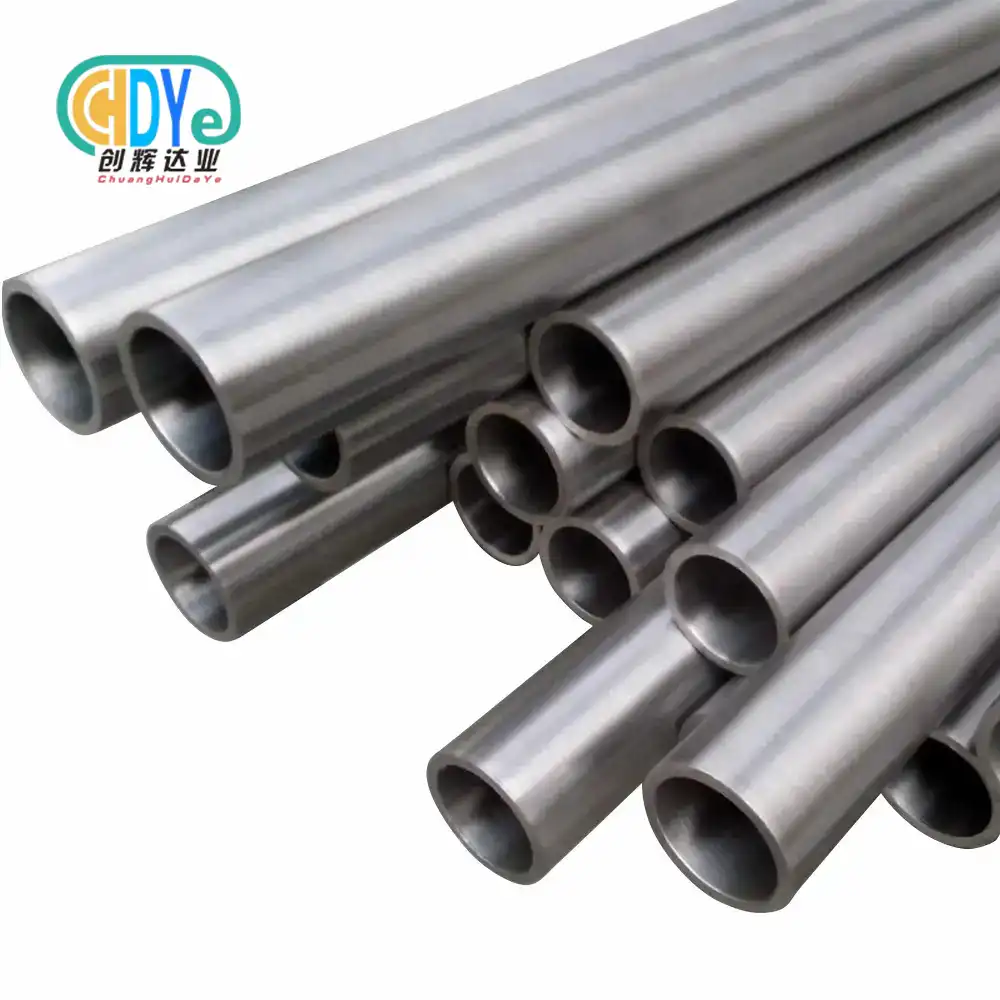
Core Benefits for Marine and Offshore Operations
Using titanium tubing in marine environments provides amazing benefits that go well beyond the cost of the material. Because this material doesn't corrode in seawater, it doesn't need to be protected with coatings or cathodic protection systems, and it doesn't need to be maintained as often as traditional materials do.
A longer service life is probably the most convincing benefit. In marine environments, steel piping systems usually need to be replaced every 10 to 15 years. On the other hand, titanium pipes can last 30 to 50 years with very little upkeep. This durability drastically lowers the total cost of owning offshore platforms and boats.
Installation benefits can be seen during the construction phase. Because they're made of titanium, the pipe fittings are light, which means that offshore platforms need fewer cranes to put them together and move them around. Grade 2 titanium is an easy metal to weld using standard TIG methods. With a little bit of help, anyone who already knows how to weld can work with it.
The ability to be environmentally friendly is in line with marine rules that are becoming stricter. Titanium's pipes don't corrode, so metal ions don't mix with seawater. This protects ocean ecosystems and meets environmental rules.
Maintenance costs drop significantly over the course of a product's lifetime. In traditional steel systems, the parts have to be replaced, the coating has to be redone, and the system has to be checked often. Most of the time, you can just look at industrial gr2 titanium pipes to make sure they're working. This saves a lot of money on maintenance—up to 70% compared to pipes made of other materials.
Chuanghui Daye's Superior Gr2 Titanium Pipe vs Competitors
The way we make things at Chuanghui Daye sets new standards for the quality and reliability of titanium pipes. Our location in Baoji, China's famous "Titanium Capital," lets us use our 30 years of experience with rare metals to make products that always exceed the expectations of our customers.
Quality control is what we do best compared to everyone else in the market. A lot of suppliers use standard ways of testing, but we use full systems for quality management that are certified to ISO 9001:2015 standards. A titanium pipe manufacturing batch always has to go through strict testing of mechanical properties, verification of dimensions, and analysis of material composition.
Our electron beam melting technology makes the material purer than the standard melting methods used by many competitors. This high-tech process gets rid of impurities that can hurt the corrosion resistance and mechanical properties of materials in marine environments.
Our products are different from standard catalog items because they can be customized. We make titanium pipes with specifications that are tailored to certain marine uses. These include custom sizes, changes in how thick the wall is, and end preparations that get rid of the need to make changes in the field.
For offshore projects with short due dates, the dependability of the supply chain is very important. Our planned production capacity and strategic inventory management make sure that delivery performance is always on time, even for large orders that need to be delivered quickly.
Customers can get technical support even after they receive the product. Our engineering team gives advice on welding procedures, application guidance, and installation based on years of experience in the marine industry. This all-around help lowers project risks and makes sure that the best work is done.
Optimization Strategies for Maximum Performance
To get the best performance out of titanium pipe applications, you need to pay attention to how they are designed and how they are put together. A good marine installation starts with the right specification.
Wall thickness calculations must take into account both the pressure needs and the loading conditions on the outside that are common in marine environments. Considering things like wave loading, thermal cycling, and installation stresses, we suggest talking to our engineering team about the best Gr2 titanium pipe sizes for your needs.
Welding procedures need to be carefully done to avoid contamination that could weaken the corrosion resistance. During cooling, the weld zone and areas affected by heat must be protected by argon gas shielding. Our technical documentation includes detailed information about how to weld for use in marine applications.
The different ways that titanium and steel structures expand when they are heated should be taken into account when designing a support system. Proper spacing of supports and placement of expansion joints stop stress from building up in places that could cause fatigue problems.
Getting the surface ready before installation makes sure that it works the way it is supposed to. Titanium pipes are naturally protected from corrosion by the formation of oxide films, but the right cleaning methods get rid of manufacturing leftovers that could stop this from happening.
When managing inventory, the longer service life of titanium installations should be taken into account. While the upfront cost is higher than that of normal materials, the replacement frequency is lower, which means that spare parts are needed in a very different way than usual.
Critical Implementation Considerations
Using titanium pipes in marine environments works well only if you pay close attention to a few important things that affect how well they work and how cost-effective they are over time.
Compatibility with systems that are already in place requires a lot of testing. When titanium touches certain metals in seawater, they can start to rust together. To avoid these problems, our engineering team gives isolation advice and galvanic compatibility charts.
Installation scheduling should take into account the needs for special handling. Titanium pipes can have thinner walls than steel pipes because of their strength, but the titanium pipes need to be lifted and supported in different ways during installation to keep them from getting damaged.
Training programs for workers make sure that handling and installation are done correctly. We offer a full set of training materials and can arrange for technical support to be done in-person at your place for important installations.
Marine applications usually need more paperwork than standard industrial projects. Our quality documentation package has test reports, material certifications, and traceability records that meet the standards of maritime classification societies.
Before installation, emergency repair steps should be planned out. Even though titanium systems don't need much upkeep, having qualified welding procedures and repair materials on hand makes it possible to respond quickly to unexpected events.
Conclusion
The marine industry still sees GR2 titanium pipe as the best choice for tough conditions in the open ocean. Better corrosion resistance, a longer service life, and less need for maintenance are great economic benefits that make up for the higher cost of materials. As operations move farther from the shore and into harsher environments, titanium piping systems give the dependability and long-lasting quality needed for safe and profitable operations. Grade 2 titanium has become the top choice for smart marine engineers and offshore operators around the world because of its proven performance, eco-friendliness, and ability to save money in the long run.
FAQ
Q:How does Gr2 titanium pipe cost compare to other marine piping materials?
A: Titanium pipes cost more than copper-nickel or stainless steel pipes initially, but they are cheaper over 20–30 years. Because it doesn't rust, parts don't need to be replaced or fixed as often, and heavy weights are cheaper to handle in the first ten years.
Q: Do marine welders need grade 2 titanium training, or do they already know?
A: TIG welders who have worked with many materials can weld titanium pipes with more training on cleaning and shielding the gas. Welding is still like stainless steel. The most important thing is to ensure enough argon coverage throughout the cooling cycle to maintain corrosion resistance.
Q: Titanium pipe rules at sea or offshore?
A: ASTM B861 seamless pipes are most common in marine installations. The process piping standard is ASME B31.3, and the welded pipe standard is ASTM B862. API rules from maritime classification societies like ABS, DNV, and Lloyd's Register may apply if the equipment is used offshore. This depends on the application.
Partner with Chuanghui Daye for Superior Marine Titanium Solutions
For tough marine and offshore applications, you can count on Chuanghui Daye as your ready supplier of GR2 titanium pipe. We can be counted on to deliver high-quality titanium piping because of our ISO 9001:2015 certified manufacturing processes and thirty years of experience in the field. Our technical team can help you with everything from the beginning design to installation, whether you need standard specs or custom-made items. Ready to find out how our titanium pipes can make your marine projects better? For more information on technical specs and prices that are lower than the rest, email us at info@chdymetal.com.
References
1. American Society for Testing and Materials. "Standard Specification for Seamless Titanium and Titanium Alloy Tubes for Condensers and Heat Exchangers." ASTM B861-17, 2017.
2. Marine Technology Society. "Titanium Applications in Marine and Offshore Engineering: Performance Analysis and Cost Benefits." Journal of Marine Technology, Vol. 45, 2019.
3. International Association of Classification Societies. "Guidelines for Titanium Alloy Applications in Marine Structures." IACS Recommendation No. 158, 2020.
4. Offshore Engineering Society. "Corrosion Performance of Titanium Alloys in Deepwater Applications." Offshore Technology Conference Proceedings, 2021.
5. National Association of Corrosion Engineers. "Titanium Piping Systems for Marine Environments: Long-term Performance Study." NACE International Publication 35112, 2018.
6. Society of Naval Architects and Marine Engineers. "Weight Reduction Strategies Using Advanced Materials in Ship Piping Systems." SNAME Technical and Research Bulletin 4-52, 2020.