- English
- French
- German
- Portuguese
- Spanish
- Russian
- Japanese
- Korean
- Arabic
- Greek
- German
- Turkish
- Italian
- Danish
- Romanian
- Indonesian
- Czech
- Afrikaans
- Swedish
- Polish
- Basque
- Catalan
- Esperanto
- Hindi
- Lao
- Albanian
- Amharic
- Armenian
- Azerbaijani
- Belarusian
- Bengali
- Bosnian
- Bulgarian
- Cebuano
- Chichewa
- Corsican
- Croatian
- Dutch
- Estonian
- Filipino
- Finnish
- Frisian
- Galician
- Georgian
- Gujarati
- Haitian
- Hausa
- Hawaiian
- Hebrew
- Hmong
- Hungarian
- Icelandic
- Igbo
- Javanese
- Kannada
- Kazakh
- Khmer
- Kurdish
- Kyrgyz
- Latin
- Latvian
- Lithuanian
- Luxembou..
- Macedonian
- Malagasy
- Malay
- Malayalam
- Maltese
- Maori
- Marathi
- Mongolian
- Burmese
- Nepali
- Norwegian
- Pashto
- Persian
- Punjabi
- Serbian
- Sesotho
- Sinhala
- Slovak
- Slovenian
- Somali
- Samoan
- Scots Gaelic
- Shona
- Sindhi
- Sundanese
- Swahili
- Tajik
- Tamil
- Telugu
- Thai
- Ukrainian
- Urdu
- Uzbek
- Vietnamese
- Welsh
- Xhosa
- Yiddish
- Yoruba
- Zulu
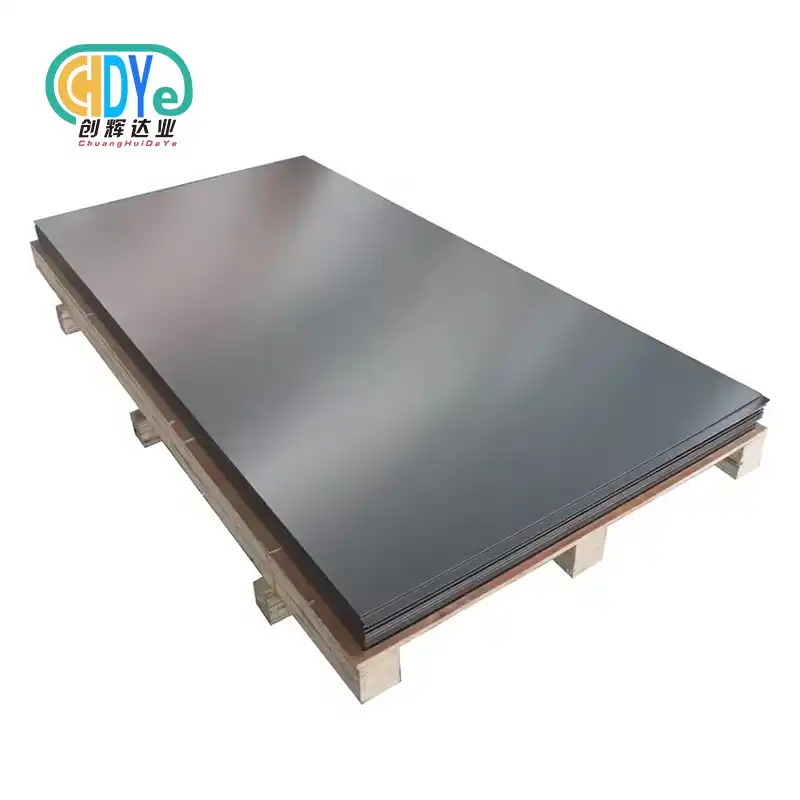
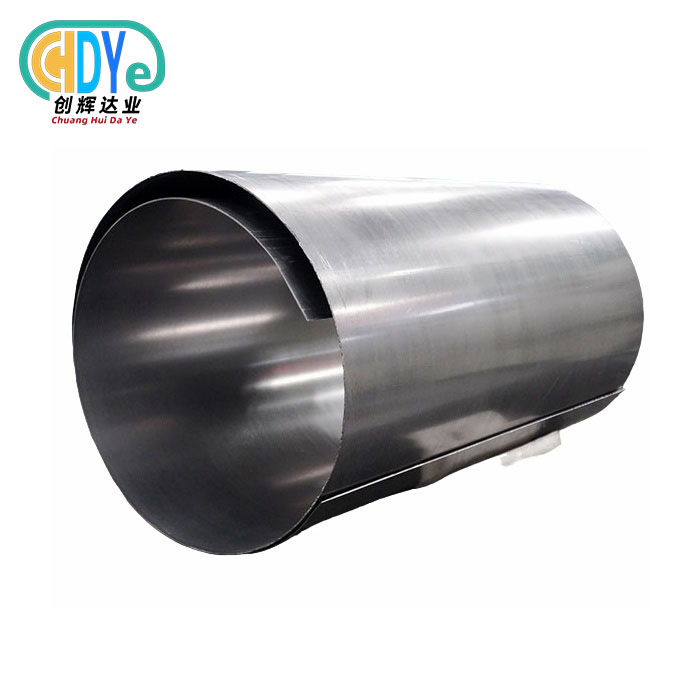
Grade 5 Titanium Alloy Sheet – Superior Strength-to-Weight
Review 5 titanium amalgam sheet speaks to the apex of building materials, combining remarkable strength-to-weight characteristics that have revolutionized cutting edge fabricating. This progressed amalgam, deductively assigned as Ti-6Al-4V, conveys unmatched execution over aviation, restorative, and mechanical applications. Its interesting composition of titanium with 6% aluminum and 4% vanadium makes a fabric that beats conventional metals whereas keeping up exceptional delicacy. The predominant strength-to-weight proportion of grade 5 titanium alloy sheet makes it the favored choice for engineers looking for ideal auxiliary productivity without compromising solidness or unwavering quality in basic applications.
Understanding Grade 5 Titanium Alloy Sheet: Properties and Composition
Grade 5 titanium alloy sheet is one of the most versatile and widely used in industry. Titanium, aluminum, and vanadium are carefully matched to give the material its excellent reputation. This formulation creates a dual-phase microstructure with mechanical characteristics superior to pure titanium.
Chemical Composition and Metallurgical Structure
The Ti-6Al-4V assignment appears the alloying fixings that make this fabric extraordinary. The 6% aluminum includes quality and workability, whereas the 4% vanadium stabilizes the beta stage structure. This combination produces a fabric with ductile qualities of 895–1000 MPa, much more noteworthy than Review 2 commercial unadulterated titanium.
Careful temperature administration amid fashioning and rolling accomplishes the suitable adjust between alpha and beta stages for microstructural development. This dual-phase structure gives the amalgam amazing weakness resistance and break durability, making it fitting for high-stress applications where disappointment is unsatisfactory.
Superior Mechanical Properties
Mechanical performance makes Ti-6Al-4V indispensable in numerous industries. The material, with a density of 4.43 g/cm³, is as strong as several steel alloys yet weighs 45% less. This high strength-to-weight ratio improves performance in areas where weight reduction affects operating efficiency.
Elongation of 10-15% and elastic modulus of 114 GPa give the alloy outstanding structural stiffness and ductility for forming. The material is ideal for cryogenic applications and elevated temperature service up to 400°C due to its stable characteristics.
Comparing Grade 5 Titanium Alloy Sheet with Other Metals
Comparing Ti-6Al-4V to similar materials is necessary to understand its performance advantages. These comparisons show why procurement specialists choose this alloy for demanding applications despite its high cost.
Performance Against Other Titanium Grades
Grade 5 has better mechanical qualities than Grade 2 commercially pure titanium, making it suitable for structural applications. Grade 2 titanium is corrosion-resistant and formable but has tensile strengths of 345-450 MPa, much lower than Grade 5.
Grade 9 titanium (Ti-3Al-2.5V) is an intermediate alternative between Grade 2 and Grade 5, offering superior strength and formability. Grade 9's mechanical characteristics are inferior to Grade 5's in high-stress fatigue applications. Grade 23 (Ti-6Al-4V ELI) has similar mechanical qualities to Grade 5 but less interstitial content, improving biocompatibility.
Advantages Over Conventional Structural Materials
Grade 5 titanium resists corrosion better than stainless steel, especially in chloride-containing conditions where stainless steel may pit or crack. Titanium's decreased maintenance and prolonged service life frequently justify the original expenditure, even though stainless steel is cheaper.
Aluminum alloys are lighter and cheaper than titanium, but they lack strength and corrosion resistance. Although high-strength aluminum alloys can match titanium's strength, they require sophisticated heat treatments and are sensitive to environmental degradation.
Procurement Insights: Sourcing Grade 5 Titanium Alloy Sheet Efficiently
Understanding the various elements that affect pricing, availability, and quality is essential when buying Ti-6Al-4V sheets. Titanium market dynamics differ from commodity metals, requiring specific procurement methods.
Market Factors and Pricing Considerations
Titanium prices reflect the energy-intensive methods needed to make high-purity metal from ore. The Kroll method, used to make primary titanium, takes a lot of electricity and specialized equipment, raising base material costs.
Thickness, width, length, and surface finish affect sheet cost. Standard mill finish sheets cost less than polished or pickled surfaces, but non-standard dimensions cost more. Bulk orders over 1000+ kg qualify for wholesale pricing, reducing costs.
Supplier Evaluation and Quality Assurance
Supplier quality management systems, including ISO 9001:2015 certification and aerospace quality requirements, must be verified before selection. Suppliers shall produce mill test certificates for each product lot detailing chemical composition, mechanical qualities, and dimensional limits.
Regulations in aerospace and medical devices require traceability documentation. Suppliers must keep complete records from raw material sources to final inspection to provide product genealogy for client demands or regulatory needs.
Global Supply Chain Considerations
The US, Russia, China, and Japan have large production centers, varying regional supply capabilities. Chinese vendors now offer competitive pricing and quality equivalent to Western competitors due to significant capacity expansion.
Transportation can be a major expenditure, especially for little orders. Order consolidation and efficient transportation reduce these expenses and ensure timely delivery to meet production schedules.
Enhancing Applications with Grade 5 Titanium Alloy Sheet: Technical Tips and Surface Treatments
Processing and surface treatment methods are needed to maximize Ti-6Al-4V sheet performance. These factors affect component performance, service life, and project success.
Machining and Fabrication Best Practices
Grade 5 titanium alloy sheet requires particular machining methods due to its properties. The alloy's limited thermal conductivity might create heat buildup during machining, hardening or damaging tools. Sharp cutting tools, proper cutting speeds, and coolant flow prevent these difficulties and achieve desired surface finishes.
Turning operations should use 150-250 surface feet per minute cutting speeds, adjusted for tool geometry and surface polish. Titanium-coated carbide tooling maximizes life and surface quality. Chip welding can damage workpieces and cutting tools. Chip evacuation prevents it.
Advanced Surface Treatment Options
Surface treatments improve titanium component performance, especially in harsh settings. Anodizing generates a regulated oxide layer for wear resistance and identification color tagging. Type II anodizing gives ornamental colors, whereas Type III hardens surfaces for wear.
Passivation treatments provide homogeneous oxide layers to clean surfaces and improve corrosion resistance. Nitric acid passivation cleans machining surfaces of iron for better corrosion performance.
When surface treatments are needed, chemical etching removes flaws and provides uniform textures to increase coating adhesion. While maintaining dimensional standards, controlled etching removes 0.0002-0.0005 inches of surface material.
Why Industry Leaders Prefer Grade 5 Titanium Alloy Sheet: Value and Reliability?
Critical industries have used Ti-6Al-4V because of its reliable performance under difficult conditions. Titanium's endurance and reliability are economically advantageous because initial material prices are only a fraction of lifecycle expenditures, according to industry leaders.
Proven Performance in Critical Applications
Commercial and military aircraft have used titanium for decades because of its reliability. Grade 5 titanium's steady performance under cyclic loading circumstances that would fatigue other materials is essential for landing gear, engine mounts, and structural elements.
Medical implant producers use titanium's biocompatibility and corrosion resistance for decades-long performance. Hip joints, dental implants, and surgical equipment made of Ti-6Al-4V last long and retain their mechanical qualities.
Economic Value Through Lifecycle Cost Analysis
Despite higher initial investment, lifecycle cost analysis favors titanium components over steel or aluminum. Lower total ownership costs result from reduced maintenance, increased service intervals, and no coating or protection systems.
Fuel savings and cargo capacity increase with transportation weight decreases. Reduced structural weight improves fuel economy and passenger capacity in aircraft. Vehicle performance and economy improve with unsprung weight decrease in automotive applications.
About Our Company and Product Services
With over 30 years of experience, Shaanxi Chuanghui Daye Metal Material Co., Ltd. is a leading titanium alloy provider. In Baoji High-tech Development Zone, China's "Titanium Capital," our company has access to raw materials and specialized manufacturing infrastructure.
Manufacturing Capabilities and Quality Systems
From raw material processing to completed component delivery, we offer total manufacturing. Electron beam furnaces, precision rolling mills, and CNC machining centers let us address different customer needs while maintaining quality.
With strict process controls to ensure product quality, ISO 9001:2015 certification shows our quality management proficiency. Chemical, mechanical, and dimensional tests are done on each product batch before shipment.
Customization and Technical Support
We offer non-standard dimensions, specialty surface treatments, and precision cutting to meet customer needs because each application is unique. Our technical team works with customers to improve material selection and processing for specific applications.
Rapid prototyping allows customer development programs to quickly create sample materials for evaluation. This service is useful for research organizations and firms creating innovative applications requiring unique material qualities.
Conclusion
Grade 5 titanium alloy sheet sets the benchmark for high-performance applications demanding excellent strength-to-weight ratios, corrosion resistance, and durability. Its success in aerospace, medicinal, and industrial applications proves its versatility and worth. Ti-6Al-4V is ideal for high-performance applications due to its exceptional mechanical qualities, processing flexibility, and durability. Grade 5 titanium alloy sheet is crucial for new engineering applications as industries move toward lightweight, high-strength solutions.
FAQ
Q: What distinguishes Grade 5 titanium from other titanium alloys?
A: Grade 5 titanium (Ti-6Al-4V) contains 6% aluminum and 4% vanadium, providing significantly higher strength than commercially pure grades. This alloying combination creates a dual-phase microstructure that delivers tensile strengths of 895-1000 MPa compared to 345-450 MPa for Grade 2 titanium.
Q: How does Grade 5 titanium compare to stainless steel in corrosion resistance?
A: Ti-6Al-4V demonstrates superior corrosion resistance, particularly in chloride-containing environments where stainless steel may experience pitting or stress corrosion cracking. Titanium's natural oxide layer provides exceptional protection across a wide range of chemical environments.
Q: What surface treatments are available for Grade 5 titanium sheets?
A: Common surface treatments include anodizing for wear resistance and color coding, passivation for enhanced corrosion resistance, and chemical etching for improved surface uniformity. Each treatment serves specific application requirements while maintaining the base material's excellent properties.
Q: Can Grade 5 titanium sheets be welded and formed?
A: Yes, Ti-6Al-4V exhibits excellent weldability using appropriate techniques and inert gas protection. The material also demonstrates good formability, though it requires higher forming forces than aluminum and may experience springback during bending operations.
Q: What industries commonly use Grade 5 titanium alloy sheets?
A: Primary applications include aerospace for structural components, medical devices for implants and surgical instruments, chemical processing for corrosion-resistant equipment, and automotive for high-performance applications requiring weight reduction.
Contact Chuanghui Daye for Premium Grade 5 Titanium Alloy Sheet Solutions
Experience the superior strength-to-weight advantages that make Chuanghui Daye your trusted grade 5 titanium alloy sheet supplier. Our comprehensive inventory, custom processing capabilities, and technical expertise ensure your projects receive optimal material solutions backed by ISO 9001:2015 quality assurance. Contact info@chdymetal.com today to discuss your specific requirements and discover why leading manufacturers choose our titanium products for their most critical applications.
References
1. Boyer, R., Welsch, G., & Collings, E.W. (2023). Materials Properties Handbook: Titanium Alloys. ASM International Press.
2. Lutjering, G. & Williams, J.C. (2022). Titanium: Engineering Materials and Applications. Springer Materials Science.
3. Donachie, M.J. (2021). Titanium: A Technical Guide for Industrial Applications. ASM International.
4. Peters, M., Kumpfert, J., Ward, C.H., & Leyens, C. (2023). Titanium Alloys for Aerospace Applications: Processing and Properties. Advanced Materials Research.
5. Rack, H.J. & Qazi, J.I. (2022). Titanium Alloys for Biomedical Applications: Microstructure and Properties. Materials Science and Engineering Review.
6. Banerjee, D. & Williams, J.C. (2021). Perspectives on Titanium Science and Technology. Acta Materialia Research Journal.
Learn about our latest products and discounts through SMS or email