- English
- French
- German
- Portuguese
- Spanish
- Russian
- Japanese
- Korean
- Arabic
- Greek
- German
- Turkish
- Italian
- Danish
- Romanian
- Indonesian
- Czech
- Afrikaans
- Swedish
- Polish
- Basque
- Catalan
- Esperanto
- Hindi
- Lao
- Albanian
- Amharic
- Armenian
- Azerbaijani
- Belarusian
- Bengali
- Bosnian
- Bulgarian
- Cebuano
- Chichewa
- Corsican
- Croatian
- Dutch
- Estonian
- Filipino
- Finnish
- Frisian
- Galician
- Georgian
- Gujarati
- Haitian
- Hausa
- Hawaiian
- Hebrew
- Hmong
- Hungarian
- Icelandic
- Igbo
- Javanese
- Kannada
- Kazakh
- Khmer
- Kurdish
- Kyrgyz
- Latin
- Latvian
- Lithuanian
- Luxembou..
- Macedonian
- Malagasy
- Malay
- Malayalam
- Maltese
- Maori
- Marathi
- Mongolian
- Burmese
- Nepali
- Norwegian
- Pashto
- Persian
- Punjabi
- Serbian
- Sesotho
- Sinhala
- Slovak
- Slovenian
- Somali
- Samoan
- Scots Gaelic
- Shona
- Sindhi
- Sundanese
- Swahili
- Tajik
- Tamil
- Telugu
- Thai
- Ukrainian
- Urdu
- Uzbek
- Vietnamese
- Welsh
- Xhosa
- Yiddish
- Yoruba
- Zulu
How Are Titanium Plates Manufactured and Processed?
Titanium plates are complex metal goods that are made by melting, casting, rolling, and heat-treating the metal in several steps to get their perfect mechanical qualities and precise dimensions. These flat-rolled materials go through vacuum arc remelting (VAR), hot and cold rolling, and then heating to improve their microstructure. This gives them the rust resistance, strength-to-weight quality, and biocompatibility that businesses around the world need.
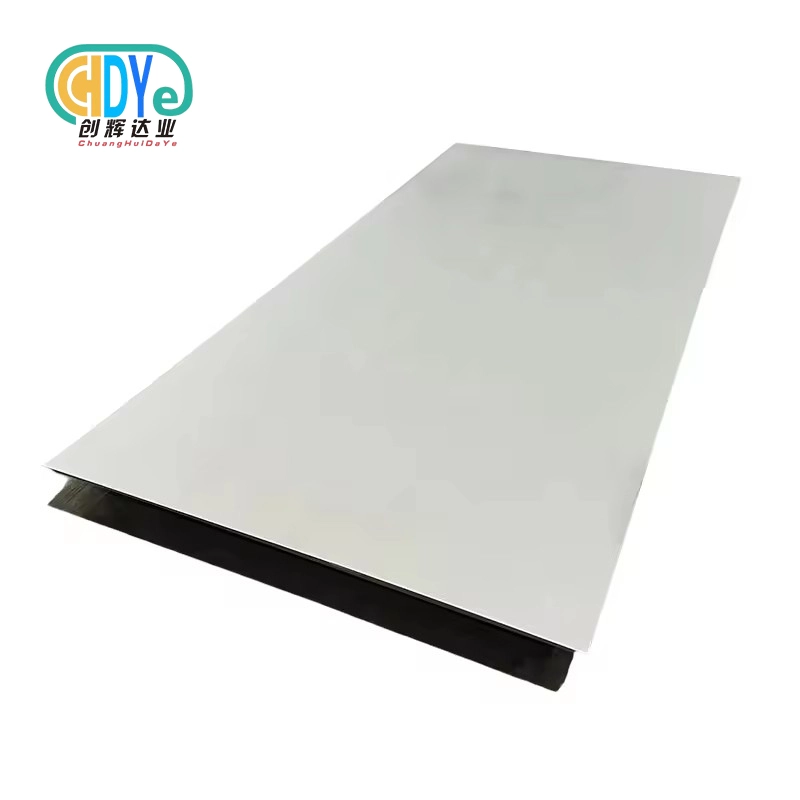
Overview of Titanium Plate Manufacturing
Defining Titanium Plates and Their Key Properties
Titanium plates and flat-rolled goods are a type of high-performance material that is well known in the chemistry, medical, and aircraft industries. One thing that makes these goods stand out is their amazing ability to stay strong at high temperatures and avoid rust in tough settings. With a mass of about 4.51 g/cm³, it is 45% lighter than steel and can hold more weight without losing any of its strength. This one-of-a-kind mix solves important business problems, like cutting down on the amount of fuel used by airplanes and keeping equipment from breaking down in harsh chemical conditions. I've worked with rare metals at our Baoji plant for 30 years, and I've seen how titanium's naturally occurring oxide layer protects it from oceans, salt solutions, and acidic liquids. This passive defense system makes parts last three to five times longer than regular metals do in the same conditions of use.
Grades, Classifications, and Material Selection
Knowing how to classify grades helps buying teams choose the right materials. Grades 1 through 4 of Commercially Pure (CP) have different amounts of oxygen that affect how hard and strong they are. Grade 1 is the most flexible and has a tensile strength of about 240 MPa, making it particularly suitable for chemical-handling equipment that needs to have complex forms. Grade 4 has better strength (around 550 MPa) and still has excellent rust protection. Alloy types add elements like aluminum, vanadium, and others to improve certain properties. Grade 5 (Ti-6Al-4V) is the most common type used in aircraft because it has a tensile strength of over 895 MPa and can withstand temperatures up to 400°C. Grade 23 (Ti-6Al-4V ELI) has extra-low interstitials, which make it the best choice for medical implants because it is biocompatible and doesn't wear down easily. Its non-magnetic and non-toxic qualities help companies that make medical devices during MRI processes and long-term placement.
Raw Materials and Purification Processes
The process starts with titanium rock, mostly rutile or ilmenite, which goes through the Kroll process to make titanium sponge. This porous metal form needs to be cleaned up a lot to get rid of any remaining magnesium chloride and extra interstitial elements like oxygen, nitrogen, and hydrogen. It's important to keep these interstitials under control because high oxygen levels make things harder and less flexible, while hydrogen can weaken things. Thereafter, the titanium plates' sponge is mixed with alloying elements and scrap materials that don't go against strict makeup rules. At Chuanghui Daye, we follow strict processes for inspecting raw materials that ISO 9001:2015 approves. Before melting starts, each new batch is chemically analyzed to make sure it has the right ingredients. This source quality control stops pollution that could hurt the performance of the end product.
Step-by-Step Titanium Plate Processing
Melting and Casting Techniques
The usual way to make high-integrity bars is through Vacuum Arc Remelting (VAR). An electric arc is made between a disposable electrode and a copper crucible that is cooled by water inside a vacuum room. This setting keeps the air clean and lets the temperature be controlled precisely. The liquid metal gradually cools and hardens from the bottom of the crucible up, making a structure that is thick, uniform, and free of air holes. Electron Beam Melting (EBM) is a different method that is especially useful for working with high-purity grades. A focused electron beam creates targeted heating in a vacuum, which lets chemistry be improved through multiple melting processes. Plasma arc melting is another choice. It uses charged gas to make high-temperature plasma that can melt hard objects. Our building has both standard VAR equipment and electron beam furnaces, which lets us meet the needs of our clients for purity levels and ingot sizes.
Hot and Cold Rolling Operations
Hot rolling, which happens at temperatures between 800°C and 950°C, turns cast bars into slabs and plates. By heating the material above its recrystallization temperature, it is possible to reduce its thickness by a large amount with less force. Multiple trips through the rolling mill gradually lower the size while making the grain structure more regular. Managing the temperature during hot rolling has a direct effect on the end mechanical qualities. For example, too much heat can make the grains bigger, and not enough temperature raises the risk of breaking them. After hot rolling, cold rolling evens out the surface finish and makes sure that the dimensions are very close to each other. Working below the temperature at which crystals recrystallize makes the material stronger by work-hardening it, but it also creates stress inside the material. Precision controls on our rolling tools allow us to keep thickness tolerances within ±0.05 mm for important aircraft uses. Cold rolling usually cuts thickness by 20 to 40 percent per cycle, so it needs to be annealed in between passes to keep it workable.
Heat Treatment and Annealing Methods
While improving mechanical qualities, annealing releases internal pressures that built up during cold working. The process involves heating the material to certain temperatures (usually between 650°C and 750°C, based on the grade), keeping it for a set amount of time, and then letting it cool at set rates. Stress relief annealing below the recrystallization temperature keeps the strength gains from cold work while lowering the remaining stress. Full annealing at higher temperatures encourages full recrystallization, which makes the material flexible again for the next step in the process of making. After being heated, mill annealing is the most common way to treat plate goods. It makes them strong and flexible enough for most uses. Some types of metal can be treated with a solution and then aged. This creates small particles that make the alloy stronger without making it less tough. Our annealing ovens have gas control systems that stop air from getting in and lowering the quality of the surface.
Quality Control and Testing Protocols
Before they are shipped, finished plates are put through a lot of tests to make sure they meet the standards. Tensile tests are used in mechanical testing to find out the yield strength, maximum tensile strength, and extension numbers. Using the Rockwell or Brinell methods to measure hardness makes sure that the results are the same across the whole thickness of the plate. Toughness is measured by impact tests at different temperatures, which is especially important for cold uses. Optical emission spectroscopy for chemical makeup research shows that the basic content is within the ranges set by ASTM B265, AMS 4911, or other relevant standards. Non-destructive testing finds problems inside an object without hurting it. Ultrasonic screening finds flaws below the surface, while liquid penetrant testing finds breaks in the surface. X-rays are another way to make sure that important uses are correct. We keep full records of each plate's source ingot, processing history, and test results, so we can meet the quality standards of the aircraft, medical, and nuclear industries.
Comparison of Titanium Plates with Other Materials
Performance Advantages Over Alternative Metals
Stainless steel is less expensive and better at resisting rust, but it is almost twice as dense, which makes it heavier when used in structural uses. Aluminum is lighter and easier to work with, but it can't be used in high-temperature settings above 150°C because it isn't as strong and melts at lower temperatures. Nickel metals work really well in very hot conditions, but they cost a lot more than titanium.
The following comparison makes it easier to make decisions about which materials to use based on key performance dimensions:
Corrosion Resistance: Titanium's passive oxide layer is better than stainless steel in salt conditions, where normal metals rust in pits and cracks. Titanium doesn't get damaged much by seawater, but carbon steel and even many types of stainless steel get severely corroded.
Strength-to-Weight Ratio: Titanium alloys have strengths that no other construction metals can match. Grade 5 material has the same tensile strength as many steels but is half the weight. This means that smaller designs can be used to save fuel in aircraft usage or make medical tools easier to move around.
Thermal Stability: Titanium can work at temperatures up to 400°C to 600°C, based on the metal it is made of. This means that it can be used in places where aluminum would soften and lose its functional qualities. This level of temperature power works well for chemical reaction tanks and parts of space engines.
Bio-Inertness: Titanium is the standard for hip implants and tooth devices because it is non-toxic and non-allergenic and it can fuse with bone. This level of biocompatibility can't be found in any other metal.
These benefits have direct practical benefits, such as longer equipment lifecycles that cut down on how often it needs to be replaced, lighter equipment that uses less fuel, and reliable performance in harsh service conditions. When chemical makers look at lifetime costs, they find that titanium equipment gives them good returns, even though it costs more at first, because it eliminates downtime caused by rust.
Selecting Grades for Specific Industry Applications
Manufacturers of aerospace parts usually choose Grade 5 for engine parts and structural parts of the aircraft that need to be strong at high temperatures. The wear resistance of the metal makes it suitable for applications that will undergo repeated loading and unloading throughout an aircraft's service life. Defense companies like using the same grade for defense systems and parts of navy ships that will be exposed to saltwater.
Companies that make medical devices choose Grade 23 for bone plates, hip stems, and spine fusion bars that are implanted. The extra-low interstitial makeup makes it better at preventing tiredness during the body's millions of filling cycles. Surgical toolmakers may pick CP Grade 2 or Grade 4 when maximum strength isn't needed but excellent resistance to rust and shapeability are.
When choosing materials, companies that make chemical tools look at the chemistry of process fluids. Highly reducing acids, such as hydrochloric acid, need CP types because they are better at resisting rust. Alloy types can be used in oxidizing conditions. Heat exchanger builders have to match the need for heat transfer with the need for strength. Electronics companies that work with circuits need high-purity grades that keep clean rooms from getting dirty.
Procurement Considerations for Titanium Plates
Technical Specifications and Order Parameters
For buying to go well, the needs must be very clear. These should include the grade, the size, the number, and the quality standards. Choosing a grade based on ASTM, AMS, or other foreign standards makes sure that the material's qualities stay the same. Thickness (usually between 0.5 mm and 60 mm for plate goods), width, length, and tolerances that are right for the job are some of the dimensions that are used.
The surface finish can be anything from a hot-rolled mill finish to a cold-rolled smooth surface. The state of the edge—sheared, polished, or as-rolled—affects the next steps in the production process. Specifications for flatness are very important for uses that need tight assembly limits. Also, procurement teams should decide what kinds of testing and certification paperwork are okay. This includes mill test results, material licenses, and records of where the materials came from.
The amount you need to order depends on the application. Large manufacturing companies may buy metric tons for production runs, but research institutions need smaller amounts, sometimes just one piece, for testing and experiments. Setting minimum order numbers with providers helps keep supply flexible while also getting the best prices.
Evaluating Supplier Credentials and Capabilities
Choosing the right supplier has a big effect on the quality of the materials, the dependability of shipping, and the total cost of the job. Getting ISO 9001:2015 approval shows that you are dedicated to quality management systems that include tracking and controlling output and always making things better. This license requirement shows up a lot in purchase specs in the military, medical, and aircraft industries.
How well a provider can meet technical standards is based on their production skills. Electron beam ovens and other advanced heating tools make it possible to make high-purity materials for tough uses. Material proof can be trusted because the company has its own testing labs with spectroscopy, mechanical testing, and non-destructive examination tools. Export knowledge shows that you know how to ship goods internationally, fill out customs forms, and follow rules.
Chuanghui Daye has been working with rare metals for 30 years and is certified by ISO 9001:2015. They can also do a lot of different kinds of processes. Our Baoji factory is in China's "Titanium Capital" and has electron beam ovens, precision rolling machines, and full machining tools for making unique parts from raw materials to finished products. Our quality assurance procedures and expert help are relied on by clients around the world in the medical, chemical processing, and aircraft industries.
Pricing Factors and Market Dynamics
Material costs are affected by more than just the price of a product. The price of an alloy depends a lot on its makeup. CP grades usually cost less than complex alloys because they are easier to work with. Prices change based on thickness, since thicker sizes need more raw materials and more rolling runs. The type of surface finish affects the price; smooth surfaces cost more than mill finishes.
Order number gives you power—bigger purchases usually get better unit prices by making production more efficient. Prices are affected by things like the supply of raw materials and changes in demand in the market at the moment. Lead times range from a few weeks for normal sizes to several months for unique orders that need special processing runs.
Custom production services add value by making solutions that are exactly what an application needs. Precision cutting turns plate stock into parts that are almost in a net shape, which saves customers time and effort when making them. Complex shapes can be made with water jet cutting, CNC grinding, and casting. Before they are sent out, quality assurance testing makes sure that the unique parts meet the requirements. Custom work has different lead times depending on how complicated it is, but our production schedule can handle both regular orders and jobs that need to be done quickly.
Conclusion
Titanium plates and flat-rolled goods are made using complex industrial methods that involve melting, rolling, and heat treating raw rock to make precision-engineered materials that are used in important situations. By knowing about these steps in the manufacturing process, how to choose materials, and buying things, you can make smart choices that balance performance needs with project limitations. The purity of the material is maintained throughout its lifetime by using the right methods for keeping, handling, and upkeep. This maximizes the return on investment for these high-end goods.
FAQ
Q: Which Titanium Grade Works Best for Aerospace Applications?
A: Due to its high strength-to-weight ratio—more than 895 MPa tensile strength at about half the density of steel—Grade 5 (Ti-6Al-4V) is the most common choice for aircraft structural uses. This alpha-beta alloy keeps its mechanical qualities at temperatures up to 400°C, making it suitable for parts of airplane frames, landing gear, and engines. The material's wear resistance can handle repeated loads over the course of an airplane's service life, and its rust resistance means that protective coatings aren't needed in many situations.
Q: How Does Titanium Corrosion Resistance Compare to Stainless Steel?
A: Titanium works much better than stainless steel in salt conditions, where normal metals are damaged by pitting and cavity rust. A steady titanium dioxide inactive layer forms on its own in saltwater, brackish water, and many industrial poisons, protecting the material. Even though they have more chromium, these factors cause limited rust in stainless steel types. In harsh work settings, this better protection makes tools last three to five times longer.
Q: Can I order small quantities for prototyping?
A: Of course. A lot of providers, like Chuanghui Daye, can handle small orders and needs for unique prototypes. Before committing to production numbers, research institutions and product development teams often need small amounts—sometimes just one piece—to test the idea and see if it works. Suppliers in the titanium business who focus on customers have flexible manufacturing options and are ready to help with pilot projects.
Partner with Chuanghui Daye for Your Titanium Plate Requirements
Precision-engineered titanium plates made to precise standards are what the aircraft, medical, and chemical processing businesses need from Shaanxi Chuanghui Daye. Our ISO 9001:2015-certified center in Baoji has cutting-edge melting tools, the ability to roll parts precisely, and strict testing procedures that make sure the stability of the materials and their dependability in use. Whether you need a small amount for a sample or a lot for mass production, our technical team can help you choose the right grade for the job.
As a producer with a lot of experience making titanium plates, we can offer you affordable factory-direct prices, full tracking paperwork, and custom cutting services that make your manufacturing easier. With 30 years of experience working with rare metals, we can help you with everything from choosing the right materials to figuring out how to send them. Email our sourcing experts at info@chdymetal.com to talk about the needs of your project and get a full quote. We want to become your long-term partner of choice by providing you with high-quality goods that keep your business running smoothly.
References
1. Donachie, M.J. (2000). Titanium: A Technical Guide, 2nd Edition. ASM International, Materials Park, Ohio.
2. Lütjering, G. and Williams, J.C. (2007). Titanium, 2nd Edition. Springer-Verlag, Berlin Heidelberg.
3. Boyer, R., Welsch, G., and Collings, E.W. (1994). Materials Properties Handbook: Titanium Alloys. ASM International.
4. ASTM International (2021). ASTM B265-20a: Standard Specification for Titanium and Titanium Alloy Strip, Sheet, and Plate. West Conshohocken, Pennsylvania.
5. Peters, M., Kumpfert, J., Ward, C.H., and Leyens, C. (2003). "Titanium Alloys for Aerospace Applications." Advanced Engineering Materials, Volume 5, Issue 6, pages 419-427.
6. Froes, F.H. and Qian, M. (2018). Titanium in Medical and Dental Applications. Woodhead Publishing, Cambridge, United Kingdom.
Learn about our latest products and discounts through SMS or email