- English
- French
- German
- Portuguese
- Spanish
- Russian
- Japanese
- Korean
- Arabic
- Greek
- German
- Turkish
- Italian
- Danish
- Romanian
- Indonesian
- Czech
- Afrikaans
- Swedish
- Polish
- Basque
- Catalan
- Esperanto
- Hindi
- Lao
- Albanian
- Amharic
- Armenian
- Azerbaijani
- Belarusian
- Bengali
- Bosnian
- Bulgarian
- Cebuano
- Chichewa
- Corsican
- Croatian
- Dutch
- Estonian
- Filipino
- Finnish
- Frisian
- Galician
- Georgian
- Gujarati
- Haitian
- Hausa
- Hawaiian
- Hebrew
- Hmong
- Hungarian
- Icelandic
- Igbo
- Javanese
- Kannada
- Kazakh
- Khmer
- Kurdish
- Kyrgyz
- Latin
- Latvian
- Lithuanian
- Luxembou..
- Macedonian
- Malagasy
- Malay
- Malayalam
- Maltese
- Maori
- Marathi
- Mongolian
- Burmese
- Nepali
- Norwegian
- Pashto
- Persian
- Punjabi
- Serbian
- Sesotho
- Sinhala
- Slovak
- Slovenian
- Somali
- Samoan
- Scots Gaelic
- Shona
- Sindhi
- Sundanese
- Swahili
- Tajik
- Tamil
- Telugu
- Thai
- Ukrainian
- Urdu
- Uzbek
- Vietnamese
- Welsh
- Xhosa
- Yiddish
- Yoruba
- Zulu
The Role of Ti-6Al-4V Titanium Sheets in Aerospace Engineering
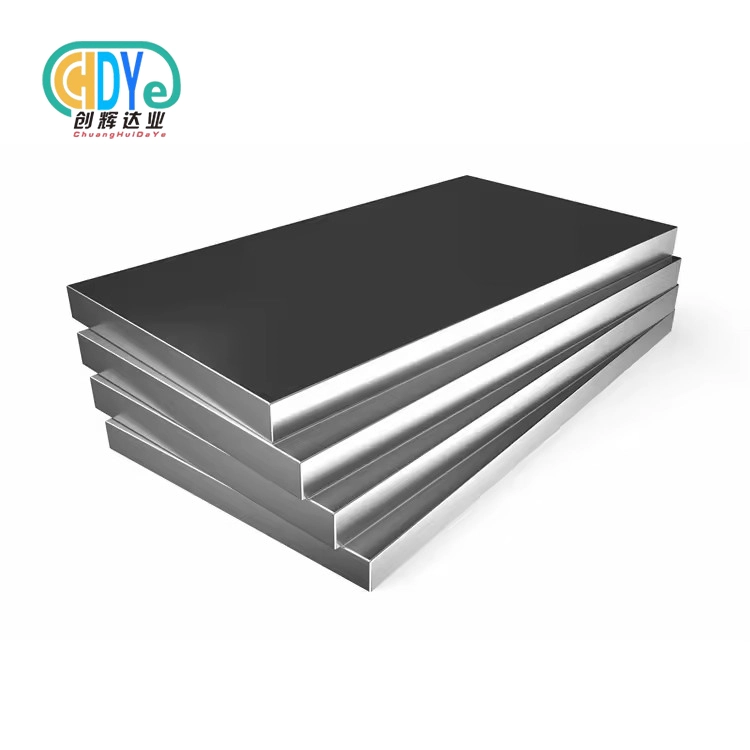
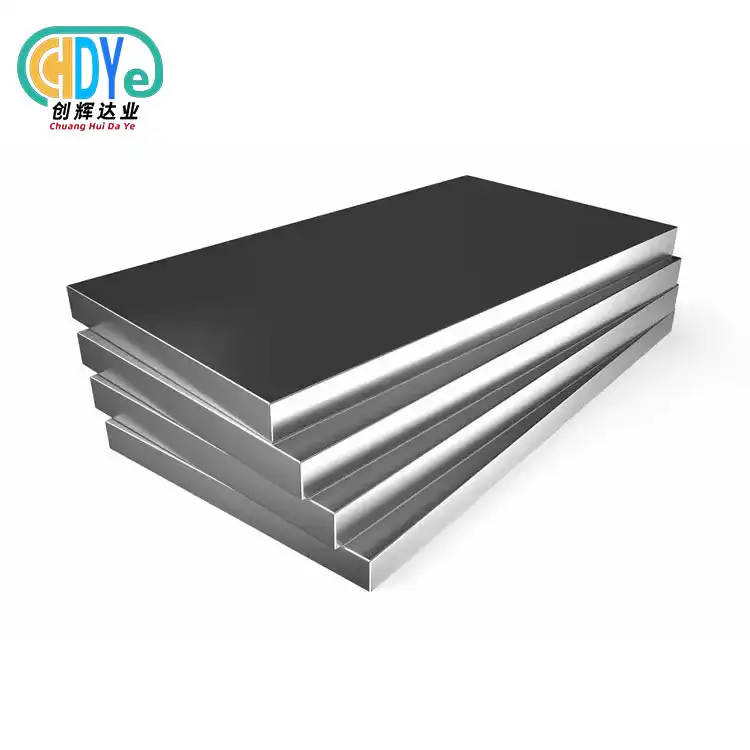
Ti-6Al-4V titanium sheets represent the backbone of modern aerospace engineering, delivering unmatched performance in critical flight applications. This Ti-6Al-4V Titanium Sheet alloy combines 6% aluminum and 4% vanadium with titanium, creating an α+β microstructure that offers exceptional strength-to-weight ratios, corrosion resistance, and thermal stability. From commercial aircraft fuselages to military fighter jet components, these specialized sheets enable aerospace manufacturers to achieve weight reduction goals while maintaining structural integrity under extreme operating conditions, making them indispensable for next-generation aircraft design.
Understanding Ti-6Al-4V Titanium Sheets: Composition and Properties
Chemical Composition and Microstructural Excellence
The chemical makeup of titanium 6Al-4V sheets is carefully managed, which is why they work so well. This aerospace-grade metal is made up of 5.5–6.75% aluminum and 3.5–4.5% vanadium. It also has strict limits on oxygen (≤0.20%), nitrogen (≤0.05%), and carbon (≤0.10%) that can be present between the elements. The aluminum content makes the alpha phase stronger and better at resisting rust. The vanadium content stabilizes the beta phase and makes it tougher and easier to shape.
This carefully balanced mix makes a two-phase microstructure with close-packed hexagonal alpha grains spread out in a body-centered cubic beta matrix. The final product has a density of 4.43 g/cm³, which makes it much lighter than steel while still having better tensile qualities. Advanced melting methods, such as vacuum arc remelting and electron beam melting, are used in factories to ensure uniform grain structure, which is important for aircraft use.
Mechanical Properties and Performance Characteristics
Grade 5 titanium metal sheets have amazing mechanical qualities that make them perfect for building parts for spacecraft. When these materials are treated, their minimum tensile strengths are 895 MPa (130 ksi) and their minimum yield strengths are 828 MPa (120 ksi). Their stretch values are usually between 10 and 15 percent. The modulus of elasticity is about 113.8 GPa, which means it has a great stiffness-to-weight ratio.
Solution treating and aging (STA) methods can be used with heat to improve these qualities even more, which could make the yield strength go above 1100 MPa. The metal stays strong even at high temperatures of up to 400°C (750°F), which makes it a good choice for engine parts and thermal safety systems. Even when loads are applied in cycles, the fatigue strength stays high, and for polished examples, the durability limits go over 600 MPa.
Corrosion Resistance and Environmental Durability
Materials are exposed to difficult conditions in aerospace, such as salt spray, changes in temperature, and chemicals. Because they naturally make an oxide film, Ti-6Al-4V titanium sheets do very well in these tough conditions. When the metal is exposed to air, it naturally creates a stable, self-healing titanium dioxide layer that protects it from corrosion very well.
Because of this defense system, the material can stand up to seawater, organic acids, and chlorides, which are common in maritime and aerospace settings. Aluminum alloys can crack from stress corrosion, and steel parts can rust from galvanic corrosion. Titanium, on the other hand, keeps its shape over long service lives, which lowers upkeep costs and makes airplanes more reliable.
Why Ti-6Al-4V is the Preferred Titanium Grade in Aerospace Applications
Superior Performance Compared to Alternative Materials
The aerospace industry needs materials that work well while also being lightweight. Choosing the right materials is therefore very important for the efficiency of airplanes. Titanium Grade 5 sheets are better than other options when you look at their strength-to-weight ratios, ability to withstand high temperatures, and long-term sturdiness.
Even though aluminum metals are lighter, they are not as strong or resistant to high temperatures as Ti-6Al-4V Titanium Sheet materials. While stainless steel is just as strong as other materials, it is much heavier, which has a direct effect on fuel economy and carrying capacity. There are other types of titanium, like Ti-3Al-2.5V or industrial pure titanium, but they don't have the right mix of strength, toughness, and workability that makes Grade 5 the standard in the industry.
Critical Aerospace Applications and Component Usage
Titanium alloy sheets are used in many important parts of modern airplanes where efficiency cannot be reduced. The metal is strong at high temperatures and doesn't rust, which makes it useful for engine parts like fan blades, compressor discs, and exhaust systems. Structures like wing spars, body frames, and landing gear parts depend on how well the material resists wear and tear and can handle harm.
Titanium sheets are used to make the frames of supersonic attack planes and unmanned aerial vehicles, which pushes the performance standards even higher. The non-magnetic and radar-transparent qualities of the material make it useful for stealth uses. Its biocompatibility makes it suitable for life support systems and crew protection gear.
Economic Considerations and Lifecycle Value
Although titanium Grade 5 sheets cost more per kilogram at first than other materials, they are more cost-effective over their entire lifecycle, which makes them a better choice for aircraft uses. Less frequent repair needs, longer service intervals, and better fuel economy due to less weight all add up to big cost saves over the life of an airplane.
Advanced processing methods keep making manufacturing more efficient. This lowers production costs while keeping quality standards high. Aerospace companies can get low prices and make sure they have enough materials to meet production schedules by making bulk buying deals and building long-term relationships with suppliers. Titanium's ability to be recycled adds to its economic benefits, since used parts still have a lot of worth.
Selecting and Procuring Ti-6Al-4V Titanium Sheets: A Decision Support Framework
Critical Evaluation Criteria for Aerospace Applications
When choosing titanium alloy sources for aircraft uses, procurement workers have to look at a number of factors. Certification compliance is the first step in qualifying a material. The aerospace materials specification (AMS 4911) and the standard specification for titanium sheets (ASTM B265) spell out the basic requirements for chemical makeup, mechanical features, and quality control methods.
Material traceability paperwork is needed for aircraft supply chains because they need full records from where the raw materials come from to how they are finished. Mill test papers need to have chemical analysis results, tension testing data, and ultrasonic inspection reports that show the inside is sound. Specifications for surface quality that cover roughness, flatness, and dimensional tolerances make sure that the part can be used with other production methods.
Supplier Qualification and Partnership Development
For aircraft projects to be successful, they need to work with skilled suppliers who can meet strict quality and delivery standards. Certified producers who keep up with AS9100 quality management systems show that they are dedicated to aerospace industry standards and the practice of ongoing improvement.
Location affects the dependability of the supply chain. For military uses, local sources are often chosen because of shorter lead times and security requirements. Assessing a supplier's financial security and manufacturing capacity can help lower supply chain risks. Technical support skills let people work together to solve problems during the product development stages. Long-term relationships that keep quality standards high are based on regular audits and performance tracking of suppliers.
Ordering Processes and Logistics Optimization
Effective buying strategies combine the costs of inventory with the needs for material supply. Different sellers have different minimum order amounts. For example, suppliers of specialized grades or custom sizes often need bigger pledges. Coordinating ahead of time between the engineering, production, and purchasing teams makes sure that the material specs match the design needs and that shipping times are optimized.
Manufacturers who don't have a lot of processing power in-house can benefit from custom cutting services and precision machining. The packaging rules must protect the surfaces of the goods during shipping and make them easy to handle when they get to their destination. Keeping track of lead times is very important for keeping to program plans, especially when working with multiple providers or dealing with problems in the supply chain.
Best Practices for Machining and Handling Ti-6Al-4V Titanium Sheets in Aerospace Manufacturing
Specialized Machining Techniques and Tool Selection
To get the best results while minimizing tool wear and work hardening when machining Ti-6Al-4V Titanium Sheet materials, you need to know how to do it right and have the right tools. The best cutting tools are those made of carbide or polycrystalline diamond, which are very sharp. Positive rake angles lower the cutting forces and heat production. To keep the work from getting too hard, cutting speeds must stay modest, usually between 50 and 200 area feet per minute, and heavy feeds must be kept up.
The choice of coolant and how it is applied has a big effect on how well cutting goes. High-pressure water systems or flood cooling are good ways to keep temperatures in check and get air out of chips. Climb milling methods make the surface finish better and stop built-up edges from forming. Monitoring and replacing tools on a regular basis keeps them from breaking in terrible ways and makes sure that measurements stay accurate throughout production runs.
Contamination Prevention and Storage Protocols
To keep materials from breaking down and parts from failing, aerospace production settings need strict contamination control. Different elements can mix with titanium, so it needs to be handled and stored carefully. Clean room rules limit the amount of time that contaminants like oil, grease, and metal bits, which could damage materials are exposed.
The temperature and humidity in storage places must be kept under control, and materials must be kept out of direct sunlight and away from chemicals. Cross-contamination from carbon steel tools or fittings can't happen with stainless steel working equipment. During the manufacturing process, segregation steps make sure that different types of titanium stay separate from other materials and can be named correctly.
Quality Control and Inspection Procedures
During the whole production process, thorough inspection methods make sure that the materials meet aerospace standards. Verification of mill test papers, measurements of sizes, and evaluation of surface quality are all parts of the incoming material checking process. Ultrasonic screening and dye penetrant testing are two examples of non-destructive testing methods that can find both internal and surface flaws.
During machining processes, in-process tracking makes sure that the required level of accuracy and surface finish are met. Statistical process control methods look for patterns that could mean that tools are wearing out or that the process is changing. Documentation systems keep track of how materials move and how they were processed in the past. This makes it possible to fully trace materials to meet aircraft quality standards.
Future Trends and Innovations in Ti-6Al-4V Titanium Sheets for Aerospace
Advanced Processing Technologies and Property Enhancement
Titanium aerospace materials are getting better all the time thanks to new production methods. With additive manufacturing, complicated shapes can be made that aren't possible with traditional manufacturing methods. The great qualities of Ti-6Al-4V Titanium Sheet materials are still maintained. Hot isostatic pressing (HIP) methods get rid of holes and improve how well vital parts work under stress.
New developments in thermomechanical processing make microstructures work better for certain tasks by controlling the rate of cooling and the order of compression, which changes the grain size and shape. Some surface treatment methods, such as shot peening and laser shock peening, increase fatigue resistance by leaving beneficial residual stress. With these improvements, designers can push the limits of speed while still keeping the safety margins needed for aerospace uses.
Sustainability Initiatives and Environmental Considerations
Environmental duty is becoming more and more important in choosing which materials to use in aircraft and where to buy them. Titanium's ability to be recovered supports the ideas of a circular economy, since recycled material has the same qualities as new material. Energy-efficient processing methods lower the damage that the industry does to the earth while keeping quality standards high.
Supply chain transparency programs make it easier to figure out how things affect people and the world over their whole lifetime. Sustainable buying methods give more weight to suppliers who show they care about the environment and mine responsibly. The environmental benefits of titanium's strength and low weight compared to other materials can be measured with life cycle assessment tools.
Digital Manufacturing and Industry 4.0 Integration
Through real-time tracking and predictive analytics, smart production technologies are changing the way titanium is processed. During production, sensor networks keep track of working factors and material properties. This lets changes be made right away to meet quality standards. Machine learning algorithms look at old data to figure out how to improve processing settings and guess when repairs will need to be done.
Digital twin technologies mimic how materials behave in different situations. This shortens the time it takes to develop new products and cuts down on the need for real tests. Blockchain-based tracking systems keep permanent records of where materials came from and how they were processed. This makes the supply chain safer and helps companies follow the rules. All of these new ideas make things more efficient while still meeting the high-quality standards needed for aircraft use.
Conclusion
Ti-6Al-4V titanium sheets play a very important part in aircraft engineering because they are the strongest, most durable, and lightest materials that can be used. Designers of airplanes can use these materials to meet performance goals and strict safety standards for both business and military use. Titanium Grade 5 pieces are still needed for structural parts, engine systems, and other special uses that need to work very well in harsh conditions, even though aerospace technology keeps getting better at making planes that are more capable and efficient.
FAQ
Q: What makes Ti-6Al-4V titanium sheets superior to other aerospace materials?
A: Ti-6Al-4V titanium sheets have a great strength-to-weight ratio and can stay structurally sound at temperatures up to 400°C. They also fight rust very well. Because they are so dense (4.43 g/cm³), they are much lighter than steel and work better than aluminum alloys in high-stress situations.
Q: How do quality standards ensure aerospace-grade titanium sheet reliability?
A: Aerospace titanium sheets have to meet the requirements of AMS 4911 and ASTM B265. This means they have to go through a lot of tests, such as chemical makeup analysis, tensile strength proof, and ultrasonic flaw discovery. Each batch comes with full mill test certificates that make it easy for aircraft quality assurance programs to track down all the information they need.
Q: What specialized machining considerations apply to Ti-6Al-4V titanium sheets?
A: To machine titanium sheets, you need carbide or PCD cutting tools, cutting speeds between 50 and 200 SFM, and high-pressure cooling systems to control the heat. Climb milling and using sharp tools keep the surface of the work from stiffening, which is important for aircraft parts.
Partner with Chuanghui Daye for Premium Ti-6Al-4V Titanium Sheet Solutions
Shaanxi Chuanghui Daye Metal Material Co., Ltd. stands as your trusted Ti-6Al-4V Titanium Sheet manufacturer, leveraging over 30 years of rare metal expertise from China's Titanium Capital in Baoji. Our ISO 9001:2015-certified facilities provide aerospace-grade materials that meet AMS and ASTM standards. They also offer full traceability paperwork and fast shipping options. Get in touch with our expert team at info@chdymetal.com to talk about your unique needs and find out how our advanced processing can help your aerospace manufacturing projects run more smoothly.
References
1. Boyer, R.R. "An Overview on the Use of Titanium in the Aerospace Industry." Materials Science and Engineering: A, Vol. 213, 1996, pp. 103-114.
2. Donachie, Matthew J. "Titanium: A Technical Guide, 2nd Edition." ASM International, Materials Park, Ohio, 2000.
3. Peters, M., and Leyens, C. "Titanium and Titanium Alloys: Fundamentals and Applications." Wiley-VCH, Weinheim, Germany, 2003.
4. Lutjering, Gerd, and Williams, James C. "Titanium, 2nd Edition: Engineering Materials and Processes." Springer-Verlag, Berlin, 2007.
5. Froes, F.H., and Eylon, D. "Titanium Technology: Present Status and Future Trends." Titanium Development Association, Dayton, Ohio, 1985.
6. Williams, J.C., and Boyer, R.R. "Opportunities and Issues in the Application of Titanium Alloys for Aerospace Components." Metals and Materials, Vol. 6, No. 1, 2000, pp. 249-260.
Learn about our latest products and discounts through SMS or email