- English
- French
- German
- Portuguese
- Spanish
- Russian
- Japanese
- Korean
- Arabic
- Greek
- German
- Turkish
- Italian
- Danish
- Romanian
- Indonesian
- Czech
- Afrikaans
- Swedish
- Polish
- Basque
- Catalan
- Esperanto
- Hindi
- Lao
- Albanian
- Amharic
- Armenian
- Azerbaijani
- Belarusian
- Bengali
- Bosnian
- Bulgarian
- Cebuano
- Chichewa
- Corsican
- Croatian
- Dutch
- Estonian
- Filipino
- Finnish
- Frisian
- Galician
- Georgian
- Gujarati
- Haitian
- Hausa
- Hawaiian
- Hebrew
- Hmong
- Hungarian
- Icelandic
- Igbo
- Javanese
- Kannada
- Kazakh
- Khmer
- Kurdish
- Kyrgyz
- Latin
- Latvian
- Lithuanian
- Luxembou..
- Macedonian
- Malagasy
- Malay
- Malayalam
- Maltese
- Maori
- Marathi
- Mongolian
- Burmese
- Nepali
- Norwegian
- Pashto
- Persian
- Punjabi
- Serbian
- Sesotho
- Sinhala
- Slovak
- Slovenian
- Somali
- Samoan
- Scots Gaelic
- Shona
- Sindhi
- Sundanese
- Swahili
- Tajik
- Tamil
- Telugu
- Thai
- Ukrainian
- Urdu
- Uzbek
- Vietnamese
- Welsh
- Xhosa
- Yiddish
- Yoruba
- Zulu
Ti-6Al-4V Titanium Sheets: The Ideal Solution for Extreme Conditions
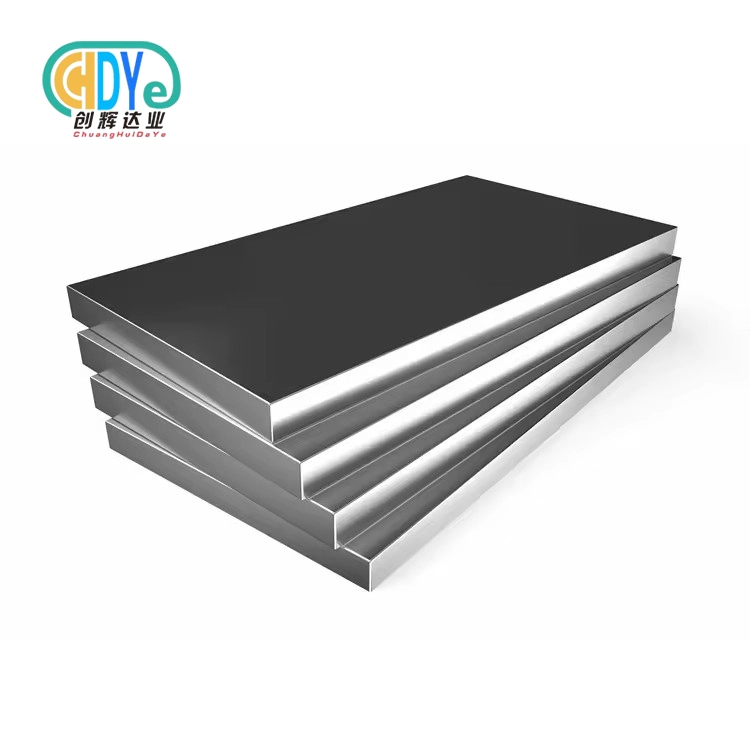
When industries demand materials that can withstand the harshest operating conditions while maintaining exceptional performance, Ti-6Al-4V Titanium Sheet emerges as the premier choice. This α+β titanium alloy represents the perfect balance of strength, corrosion resistance, and workability, making it indispensable for aerospace, medical, marine, and high-performance industrial applications. With its unique composition of 6% aluminum and 4% vanadium, this remarkable material delivers uncompromising reliability where failure is not an option.
Understanding Ti-6Al-4V Titanium Sheets: Properties and Manufacturing
Chemical Composition and Microstructure
The highly controlled chemical makeup of Grade 5 titanium is what makes it work so well. The 6% aluminum content makes the alpha phase stronger while lowering its density. The 4% vanadium content keeps the beta phase stable, which makes it easier to heat treat and improves its tensile qualities. This two-phase lattice makes a perfect mix between strength and flexibility that is better than what other materials can do.
The microstructure is made up of evenly spaced alpha stages that are spread out in a changed beta matrix. This gives the material better resistance to crack development and fatigue strength. This shape makes it possible for the material to keep its shape under repeated loading conditions that would damage other metals.
Mechanical Properties and Performance Standards
This Ti-6Al-4V Titanium Sheet has great material properties and meets strict industry standards like ASTM B265 and AMS 4911. With a minimum tensile strength of 895 MPa (130 ksi) and a yield strength of 828 MPa (120 ksi), this material can hold a lot of weight while still being very light (only 4.43 g/cm³ density).
The range of elongation from 10 to 15 percent makes the material easy to shape for complicated manufacturing processes. Its high resistance to wear also makes it perfect for dynamic uses that are constantly vibrating and stress cycles. These qualities stay the same over a wide temperature range, so they work properly from very cold temperatures to high temperatures of up to 400°C.
Advanced Manufacturing and Quality Control
Today, advanced vacuum arc remelting and electron beam melting methods are used to make titanium alloy sheets. These methods make sure that the chemicals are all the same and get rid of any unwanted spots. The next steps, hot rolling and annealing, improve the grain structure and tensile qualities while keeping the dimensions the same.
Quality assurance methods include a lot of tests, such as spectrometry to look at the chemical makeup, checking the tensile and yield strengths, using ultrasound to find flaws, and looking at the substructure. Each batch of products goes through a strict surface check for flatness and roughness. This makes sure that the quality is always the same and meets standards for medical devices and aircraft.
Why Ti-6Al-4V Titanium Sheets Excel in Extreme Environments
Superior Performance Compared to Alternative Materials
Titanium Grade 5 is immensely better in tough situations when compared to 304 stainless steel and aluminum alloys. Stainless steel is good at resisting rust, but it's not strong enough for aircraft use because it's too heavy. Even though aluminum metals are light, they can't stand up to the high temperatures and corrosion that are common in marine settings.
Due to its unique mix of qualities, Ti-6Al-4V Titanium Sheet performs better than other materials could ever hope to. Its modulus of elasticity (113.8 GPa) is very close to that of human bone, which makes it perfect for medicinal uses that need to reduce stress protection.
Critical Applications Across Industries
Aerospace companies use this material to make fuselage covers, engine parts, and structural elements that need to be able to withstand high temperature changes from -50°C to 350°C without losing their strength. In mission-critical situations, the material's ability to withstand high-frequency vibrations and temperature cycles keeps it from failing through creep and wear.
For orthopedic implants and surgery tools, where biocompatibility and corrosion resistance in physiological settings are very important, medical device makers use Grade 23 ELI (Extra Low Interstitial) versions. Because it is not magnetic and works well with flesh, the material has become the gold standard for lasting implants.
Marine and chemical processing businesses benefit from the high resistance to rust in saltwater, acidic solutions, and conditions that react with oxygen. Titanium alloy sheets don't break down in tough chemical conditions like other materials do, which can pit and crack from stress rust.
Environmental Limits and Long-term Reliability
Titanium Grade 5 can be used in a wide range of temperatures, from very cold conditions that are good for using liquid hydrogen to high temperatures that cause many materials to lose their power. This thermal stability, along with its high oxidation resistance, makes sure that it will work well in thermal cycling applications for a long time.
Even when loaded continuously in chloride settings, this material's stress-corrosion cracking resistance stays very high. This makes it ideal for marine platforms and desalination equipment, where failure could have disastrous results.
How to Choose the Right Ti-6Al-4V Titanium Sheet for Your Project
Understanding Grade Classifications and Specifications
To choose the right titanium metal standards, you need to know the differences between the different grades and what they are meant to be used for. Grade 5 (Ti-6Al-4V) is the normal aerospace grade, and Grade 23 (Ti-6Al-4V ELI) has fewer interstitial elements, which makes it better for biocompatibility and fracture toughness.
The choice of sheet width depends on the needs of the application. For example, 3mm sheets are great for shaping complex shapes, while thicker parts offer better structural support. When steel is annealed, it is easiest to shape, but when it is solution treated and aged (STA), it is strongest for load-bearing uses.
Supplier Certification and Quality Assurance
Professionals in charge of buying things should give more weight to sellers who have complete quality management systems that include ISO 9001:2015 certification. Mill test papers should show the full history of processing, along with the heat number, chemical make-up, mechanical properties, and chemical makeup.
To get Ti-6Al-4V Titanium Sheet, it needs to be checked that it meets the right standards, like ASTM F136 for medical uses or AMS 4911 for aircraft parts. Manufacturers and suppliers should show proof that they follow the rules and standards set by the business.
Cost-Performance Analysis and Procurement Strategy
Even though titanium metals are more expensive than other materials, the total cost of ownership often works out better for titanium because it lasts longer, needs less upkeep, and doesn't need any protection coatings. Because the material is so resistant to rust, it doesn't need the expensive surface treatments that steel does.
When making procurement plans, companies should think about lead times, minimum order quantities, and the professional help that suppliers offer. Building ties with makers that offer custom cutting services and fast delivery can give you an edge in projects that need to be done quickly.
Trusted Suppliers and Procurement Strategies for Ti-6Al-4V Titanium Sheets
Global Manufacturing and Distribution Networks
In the titanium business, most of the big companies are located in areas with good facilities and advanced metalworking skills. China's "Titanium Capital" in Baoji, Shaanxi Province, has grown into a major production hub that serves markets around the world by using decades of experience and cutting-edge manufacturing technology.
When it comes to price and quality control, buying directly from the mill is better, but wholesalers can help with testing and emergency needs by delivering smaller amounts more quickly. Custom cutting services make it possible to make things precisely to the customer's specs, which cuts down on the need for further processing and wasteful use of materials.
Procurement Best Practices and Vendor Management
Supplier qualification through facility checks, quality system verification, and performance history review are all important parts of good procurement strategies. Setting up relationships with chosen vendors lets you give them priority when supplies are low and get professional help for application-specific needs.
Proper storage conditions are an important part of inventory management because they keep items from getting contaminated or oxidized on the surface. When planning logistics, it's important to think about how to handle materials safely and how to ship them internationally for key materials.
Digital Platforms and Supply Chain Optimization
Modern procurement platforms make sourcing more open by offering online quote systems, showing goods in real time, and tracking deliveries. By using these tools, people who work in procurement can compare providers' specs, prices, and delivery times while keeping detailed records.
Integration with business resource planning tools makes the buying process easier and lets you make decisions based on past data, market trends, and performance measures. Automated restock systems help keep the right amount of goods on hand while keeping costs as low as possible.
Future Outlook and Innovations in Ti-6Al-4V Titanium Sheet Applications
Emerging Technologies and Market Expansion
By letting designers be more creative and cutting down on waste, additive production technologies are opening up new uses for Ti-6Al-4V Titanium Sheet. New developments in powder metallurgy make it possible to make complicated shapes that weren't possible with older ways of production.
As electric vehicles become more popular, they need battery housing and structural parts made of lightweight, high-strength materials. Reducing weight has a direct effect on speed and economy. Making the switch to electric powertrains in cars opens up a lot of growth possibilities for titanium uses.
Sustainability and Lifecycle Considerations
Titanium alloy recycling technologies keep getting better, and now there are closed-loop processing systems that can get valuable materials from industrial trash and parts that are no longer needed. Because the material is so durable, products last longer, which is better for the world because they don't have to be replaced as often.
Sustainable manufacturing practices, such as using green energy and energy-efficient production methods, are becoming more and more important in choosing a provider. As companies set higher goals for sustainability, environmental concerns become more important in their buying decisions.
Strategic Recommendations for Industrial Buyers
Investing in good materials and good relationships with suppliers gives you long-term competitive benefits by making your products work better and lowering the cost of your warranties. Technical relationships with material providers give users access to application engineering help and the creation of solutions that are best for their needs.
Maintaining supply chain agility through diversified sourcing strategies helps navigate regulatory changes and geopolitical uncertainties while ensuring continuous material availability for critical applications. Companies can take advantage of new market possibilities by planning and working with suppliers to improve their skills.
Conclusion
Ti-6Al-4V Titanium Sheet is the best engineering material for use in harsh conditions. It performs better than any other material in the medical, naval, industrial, and aircraft fields. Its high strength-to-weight ratio, rust resistance, and safety at high and low temperatures make it essential for uses where other materials fail. You can't say enough about how important it is to choose skilled suppliers with proven quality systems and technical know-how. This is because material performance has a direct effect on business success and safety.
FAQ
Q: What makes Ti-6Al-4V different from other titanium grades?
A: The addition of 6% aluminum and 4% vanadium to Ti-6Al-4V (Grade 5) creates a dual-phase microstructure that is stronger and easier to heat treat than commercially pure titanium grades. For challenging uses, this formula strikes the perfect balance between strength, flexibility, and resistance to corrosion.
Q: Can Ti-6Al-4V titanium sheets be welded?
A: Yes, Ti-6Al-4V titanium sheets can be welded very well with either TIG (tungsten inert gas) or electron beam methods. To keep the joint from getting contaminated and to keep it functioning properly, covering gas protection and heat input control must be done correctly.
Q: What thickness ranges are available for Ti-6Al-4V sheets?
A: Ti-6Al-4V sheets usually come in thicknesses between 0.5mm and 50mm. 3mm sheets are especially popular for uses that need to be easy to shape and have reasonable structural strength.
Q: How does Ti-6Al-4V perform at elevated temperatures?
A: Ti-6Al-4V keeps its mechanical qualities up to about 400°C (750°F), which makes it good for use in aircraft thermal systems and car exhaust systems where other materials would lose a lot of their strength.
Partner with Chuanghui Daye for Premium Ti-6Al-4V Titanium Sheet Solutions
You can trust Shaanxi Chuanghui Daye Metal Material Co., Ltd. to make high-quality Ti-6Al-4V Titanium Sheet. They have over 30 years of experience working with rare metals and the most up-to-date production equipment in China's Titanium Capital. Our ISO 9001:2015-certified facility makes sure that all shipments have uniform quality and full paperwork that can be used to track them. Get in touch with our expert team at info@chdymetal.com to talk about your unique needs and find out how our complete material solutions can help your next project run more smoothly.
References
1. American Society for Testing and Materials. "Standard Specification for Titanium and Titanium Alloy Strip, Sheet, and Plate." ASTM B265-20a, West Conshohocken, PA, 2020.
2. Aerospace Material Specification 4911. "Titanium Alloy Sheet, Strip, and Plate 6Al-4V Annealed." SAE International, Warrendale, PA, 2019.
3. Boyer, R., Welsch, G., and Collings, E.W. "Materials Properties Handbook: Titanium Alloys." ASM International, Materials Park, OH, 1994.
4. Donachie, Matthew J. "Titanium: A Technical Guide, 2nd Edition." ASM International, Materials Park, OH, 2000.
5. Peters, M., Kumpfert, J., Ward, C.H., and Leyens, C. "Titanium Alloys for Aerospace Applications." Advanced Engineering Materials, Vol. 5, No. 6, 2003.
6. International Organization for Standardization. "Implants for Surgery - Metallic Materials - Part 3: Wrought Titanium 6-Aluminium 4-Vanadium Alloy." ISO 5832-3:2021, Geneva, Switzerland, 2021.

Learn about our latest products and discounts through SMS or email