- English
- French
- German
- Portuguese
- Spanish
- Russian
- Japanese
- Korean
- Arabic
- Greek
- German
- Turkish
- Italian
- Danish
- Romanian
- Indonesian
- Czech
- Afrikaans
- Swedish
- Polish
- Basque
- Catalan
- Esperanto
- Hindi
- Lao
- Albanian
- Amharic
- Armenian
- Azerbaijani
- Belarusian
- Bengali
- Bosnian
- Bulgarian
- Cebuano
- Chichewa
- Corsican
- Croatian
- Dutch
- Estonian
- Filipino
- Finnish
- Frisian
- Galician
- Georgian
- Gujarati
- Haitian
- Hausa
- Hawaiian
- Hebrew
- Hmong
- Hungarian
- Icelandic
- Igbo
- Javanese
- Kannada
- Kazakh
- Khmer
- Kurdish
- Kyrgyz
- Latin
- Latvian
- Lithuanian
- Luxembou..
- Macedonian
- Malagasy
- Malay
- Malayalam
- Maltese
- Maori
- Marathi
- Mongolian
- Burmese
- Nepali
- Norwegian
- Pashto
- Persian
- Punjabi
- Serbian
- Sesotho
- Sinhala
- Slovak
- Slovenian
- Somali
- Samoan
- Scots Gaelic
- Shona
- Sindhi
- Sundanese
- Swahili
- Tajik
- Tamil
- Telugu
- Thai
- Ukrainian
- Urdu
- Uzbek
- Vietnamese
- Welsh
- Xhosa
- Yiddish
- Yoruba
- Zulu
Titanium Plate for High-Pressure Industrial Systems
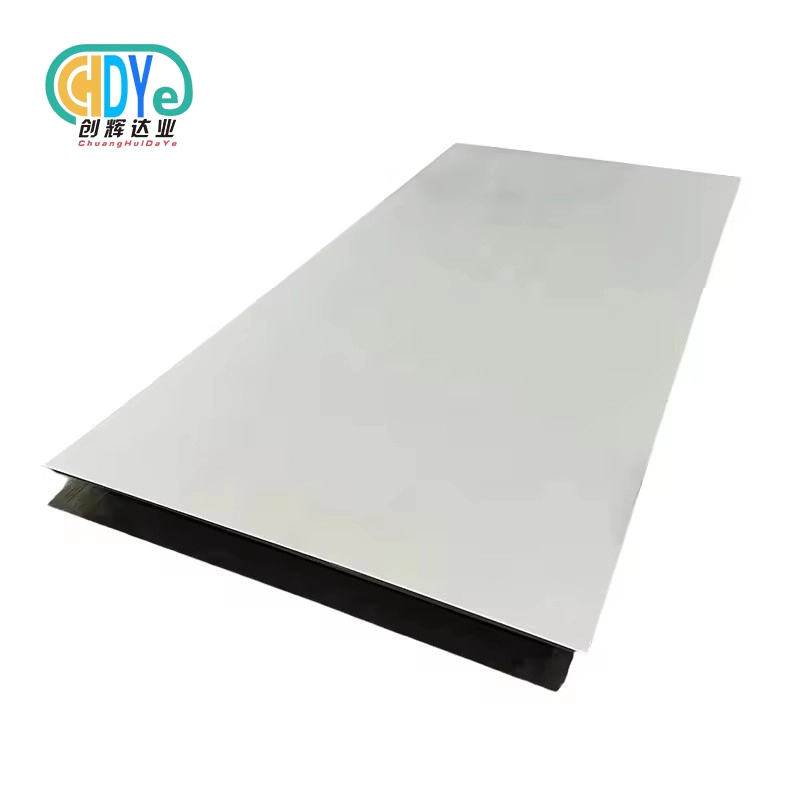
When it comes to places with a lot of pressure, like factories, the titanium plate is the best building material. Regular metals can't handle the strict needs of modern systems. These precision-engineered flat goods, which are usually more than 4.75 mm thick, are very strong for their weight, protect against rust very well, and last a very long time in hard conditions. Titanium plate is used to solve important engineering problems that regular materials can't, like rocket propulsion systems and chemical processing equipment. Because of this, they are necessary in areas where things need to work well in rough situations and under a lot of stress.
Understanding Titanium Plates for High-Pressure Systems
What Makes Titanium Plates Essential for Industrial Applications
Titanium plates are made by rolling them out flat. They are different from other materials because they have a unique set of qualities. Trade-grade titanium grades (CP1–CP4) or high-performance titanium alloys like Grade 5 (Ti-6Al-4V) are used to make these plates. Everyone is made to meet different goals in high-pressure situations.
Steps in the making process, like vacuum arc remelting, hot rolling, and precision cooling, make sure that the metal has the same properties all the way through its structure. Bugs are taken out of the nanoscale, and it is made in a way that is thought out and strong enough to handle high pressures without breaking.
Key Grades and Their Applications
In the business world, different types of titanium are often used depending on the job. Because grade 2 titanium doesn't rust and isn't too strong, it can be used in equipment that handles chemicals and in the sea. The mechanical properties of Grade 5 titanium metal are great, and its tensile strength is more than 130 ksi. This makes it perfect for high-stress pressure tanks and spaceship structure parts.
Things like weather, chemical environment, and mechanical loads are very important when picking a grade and the right material to use. The Grade 23 (Ti-6Al-4V ELI) material is stronger and better at working with living things, so it can be used to make more medical tools and pieces for processing drugs.
Manufacturing Standards and Quality Control
Today, titanium plate is made in accordance with stringent international standards like ASTM B265, AMS 4911, and military specifications. The chemical makeup, mechanical qualities, and size ranges of the plates are all controlled by these guidelines. The rules in this document make sure that all service companies and apps work the same way.
As part of quality control, materials are tried carefully, measurements are double-checked, and the right steps are taken for surface inspection. Ultrasonic testing is used to find flaws inside each plate. Tensile testing is used to make sure the mechanical properties are right, and chemical analysis is done to make sure the metal composition meets the standards.
Why Titanium Plates Outperform Other Metals in High-Pressure Systems
Superior Performance Characteristics
Titanium plate works much better than other materials when it comes to high-pressure applications. When it comes to strength-to-weight, titanium is about 40% stronger than stainless steel. It also doesn't rust as easily in tough chemical environments where stainless steel does.
One very important benefit is that it doesn't rust, which is especially useful in marine environments and chemical processes. There is a solid oxide layer on titanium that stops pitting, crevice corrosion, and stress corrosion cracking. This is true even in places where there is a lot of chloride, which breaks down most things in just a few months.
Comparative Analysis with Alternative Materials
Titanium plate works much better than stainless steel, aluminum, and nickel metals. But stainless steel is more likely to rust and weighs more, even though it is cheaper at first. It is very hard for metal to rust, but it's not strong enough for high-pressure uses.
Even though they work well at high temps, nickel metals are very heavy and cost a lot. In these areas, titanium fills in the holes because it is the strongest metal that doesn't rust and is also very light. The original cost of the material is worth it because it lasts longer and needs less maintenance.
Real-World Performance Data
It has been shown in business cases that titanium is better than other materials when things get tough. Companies that work with chemicals say that titanium plate heat exchangers last more than 20 years. On the other hand, stainless steel plate heat exchangers only last 3 to 5 years. Space uses aluminum frames that are 30 to 40 percent lighter than steel ones while having the same or better strength levels.
When power plants use titanium parts in high-pressure steam systems, they need to be fixed much less often, and the plants work better. The system will be more reliable and cost less over its lifetime as a result of these efficiency gains.
How to Choose the Best Titanium Plate for Your Industrial Needs
Critical Selection Parameters
When picking the right titanium plates, it's important to think about the working conditions, like system pressure, temperature exposure, and outside factors. If the highest working pressure is known, the minimum material thickness and grade choice can be made. On the other hand, the temperature exposure affects the metal makeup needs.
The chemical environment rating looks at things like pH levels, salt levels, and the presence of dangerous chemicals when deciding on a grade. Mechanical loading factors, like the need for steady and changing stress, can change both the grade choice and the size needs.
Grade Selection Guidelines
The following considerations guide optimal grade selection for specific applications:
• Grade 2 Titanium: Offers excellent corrosion resistance and good formability, suitable for moderate-pressure chemical processing applications, marine environments, and architectural components where strength requirements are moderate.
• Grade 5 Titanium (Ti-6Al-4V): Provides high strength and excellent fatigue resistance, ideal for aerospace structural components, high-pressure vessels, and industrial equipment requiring superior mechanical properties under extreme conditions.
• Grade 23 Titanium (Ti-6Al-4V ELI): Delivers enhanced damage tolerance and biocompatibility, perfect for medical applications, pharmaceutical processing equipment, and critical aerospace components where material purity is essential.
These grade selections ensure optimal performance while managing material costs effectively. Proper grade selection prevents over-engineering while ensuring adequate safety margins for critical applications.
Customization and Dimensional Considerations
You can change a lot of things about titanium plates today, such as their thickness, surface finish, and maximum size. Most thicknesses are between 5 mm and 100 mm, but custom sizes can be made for some uses.
Finishes must be chosen based on the type of surface. For instance, a mill finish is good for building, but tools used in food processing and pharmacies need smooth surfaces. The sides can be cut with a knife, a machine, or a flame to get them ready for the next step.
Procurement Strategies for Titanium Plates in Bulk Industrial Orders
Supplier Evaluation and Certification
The first step in a good buying strategy is to carefully look over the seller, paying special attention to their production skills, quality licenses, and how reliable their supply chain is. Certifications like ISO 9001:2015 make sure that methods for quality control are always the same. Certifications for airplanes like AS9100 show that a company can make high-tech goods.
You should look at a supplier's production capacity, wait times, and customer service skills when judging them. Companies that have been around for a long time and have a lot of experience working with titanium usually offer the best skilled help and problem-solving during the whole buying process.
Cost Optimization Strategies
Titanium pricing involves multiple factors, including raw material costs, processing complexity, and market demand fluctuations. A lot of the time, buying in bulk will save you a lot of money. You can save between 5 and 15%, depending on how much you buy and how long you sign up to buy in bulk.
When planning when to buy things, taking market trends into account can help you save money on inventory management. A good way to keep track of cash flow, get good prices, and get good delivery terms is to set up blanket buy orders with planned releases.
Logistics and Delivery Considerations
Titanium plate processes need to be handled and packed in a certain way to keep them from getting destroyed while they're being shipped. Protective packaging, the right lifting tools, and climate-controlled storage keep goods safe at every step of the supply chain.
When making a project schedule, it's important to think about wait times ahead of time. Standard things are usually ready in 4 to 6 weeks, while customs take 8 to 12 weeks. It is possible to choose an emergency speed, but it costs more, and the speed can go up by 25 to 50 percent.
Future Trends and Innovations in Titanium Plate Use for High-Pressure Systems
Emerging Technologies and Alloy Development
Advances in metallurgy are still being used to make new titanium alloys that are better for some uses. It is easier to shape beta titanium alloys, and they are stronger. Alpha-beta alloys, on the other hand, have traits that are fair enough to be used in many situations.
New technologies called additive manufacturing are changing the way titanium parts are made. These technologies allow parts with complex forms to be made with less waste. For unique jobs where normal ways of making things are too expensive or hard to do, these technologies come in very handy.
Market Trends and Regulatory Influences
Industry trends indicate increasing demand for lightweight, high-performance materials driven by energy efficiency requirements and environmental regulations. Aerospace manufacturers pursue weight reduction goals that favor titanium over traditional materials, while chemical processing industries seek corrosion-resistant materials that reduce environmental impact through extended service life.
Due to new rules, it is more important than ever to have good paperwork and be able to keep track of supplies. This means that sellers must keep careful records throughout the whole production process. These rules favor providers that have been around for a while, have good quality control methods, and can keep track of their work.
Strategic Procurement Recommendations
Building relationships with providers should be at the center of future buying plans. These partnerships should last for a long time and give both parties access to expert information and the first choice when supplies are low. Diversified networks of providers lower risk and give customers a range of price options.
With monitoring technology, people can use new, helpful ideas as soon as they come out and avoid new ideas that haven't been tried yet and could mess up project plans. You can get an edge over your competitors by making custom solutions when you work with material sellers on development projects that are made for specific uses.
Conclusion
Titanium plate technology keeps making many types of work better. It holds up better than any other material under high pressure, where other materials would break. A titanium plate is needed for current industrial systems that work in harsh settings because it has a high strength-to-weight ratio, is less likely to rust, and has been proven to be reliable. To get the best supplies and the lowest price, it's important to buy things in a strategic way that takes into account relationships with suppliers, quality standards, and expert help. Titanium plates are a tried-and-true choice that offers both short-term working benefits and long-term value through lower maintenance needs and longer service life. This is because they are more environmentally friendly and perform better than other materials.
FAQ
Q: What thickness ranges are available for industrial titanium plates?
A: Most industrial titanium plates are between 5 mm and 100 mm thick, but you can order them in different sizes for different uses. As long as the steps are 1 mm, most industry needs are met, and custom thicknesses can be made with an accuracy of ±0.1 mm for very exact uses.
Q: How do titanium plates compare to stainless steel in high-pressure applications?
A: Titanium plates are better than stainless steel at keeping rust away, especially when salt is present, and stainless steel breaks down quickly. Titanium is about 40% stronger than stainless steel when it comes to weight. Built things can be made lighter without losing their power. Titanium costs more to buy at first, but its longer life and lower maintenance needs often mean lower total lifecycle costs.
Q: What quality certifications should I look for when procuring titanium plates?
A: ISO 9001:2015 is an important certification for quality management systems. ASTM approval is an important certification for materials. There are also certifications that are specific to a business, like AS9100 for airplane uses. A material test certificate (MTC) should be included with every package. This certificate should list the chemical makeup, mechanical qualities, and measurement proof results.
Q: Can titanium plates be welded for high-pressure applications?
A: Titanium plate welding can be done smoothly if done properly. The gas tungsten arc welding (GTAW/TIG) method works very well in a neutral setting. The right joint design, heat treatment, and non-destructive tests make sure that welds are stable enough to be used under high pressure. For big jobs, you need approved welders and good welding techniques.
Partner with Chuanghui Daye for Premium Titanium Plate Solutions
When Shaanxi Chuanghui Daye Metal Material Co., Ltd. makes a titanium plate, you can be sure that it will work well in the harshest high-pressure industrial settings. Our factory is in Baoji, China, which is known as the "Titanium Capital." It has been working with rare metals for more than 30 years and uses ISO 9001:2015-approved ways to make things. We offer a wide range of sizes, strict quality control, and low factory-direct costs that don't include any extra fees. We also make one-of-a-kind titanium plates. Our skilled engineers are there to help you with technical questions at every step of the buying process. They make sure you pick the best materials and meet all the requirements. Drop us a line at info@chdymetal.com to talk about your specific needs and find out how our titanium plate choices can help your system work better while also dropping its overall costs.
References
1. Boyer, R. R., & Briggs, R. D. (2005). The use of β titanium alloys in the aerospace industry. Journal of Materials Engineering and Performance, 14(6), 681-685.
2. Schutz, R. W., & Thomas, D. E. (1987). Corrosion of titanium and titanium alloys. ASM International Handbook on Corrosion, 13, 669-706.
3. Lutjering, G., & Williams, J. C. (2007). Titanium: Engineering Materials and Processes. Springer-Verlag Berlin Heidelberg.
4. Peters, M., Kumpfert, J., Ward, C. H., & Leyens, C. (2003). Titanium alloys for aerospace applications. Advanced Engineering Materials, 5(6), 419-427.
5. Donachie Jr, M. J. (2000). Titanium: A Technical Guide (2nd ed.). ASM International Materials Park.
6. Craig, B. D., & Anderson, D. B. (1995). Handbook of Corrosion Data. ASM International Materials Park.
Learn about our latest products and discounts through SMS or email