- English
- French
- German
- Portuguese
- Spanish
- Russian
- Japanese
- Korean
- Arabic
- Greek
- German
- Turkish
- Italian
- Danish
- Romanian
- Indonesian
- Czech
- Afrikaans
- Swedish
- Polish
- Basque
- Catalan
- Esperanto
- Hindi
- Lao
- Albanian
- Amharic
- Armenian
- Azerbaijani
- Belarusian
- Bengali
- Bosnian
- Bulgarian
- Cebuano
- Chichewa
- Corsican
- Croatian
- Dutch
- Estonian
- Filipino
- Finnish
- Frisian
- Galician
- Georgian
- Gujarati
- Haitian
- Hausa
- Hawaiian
- Hebrew
- Hmong
- Hungarian
- Icelandic
- Igbo
- Javanese
- Kannada
- Kazakh
- Khmer
- Kurdish
- Kyrgyz
- Latin
- Latvian
- Lithuanian
- Luxembou..
- Macedonian
- Malagasy
- Malay
- Malayalam
- Maltese
- Maori
- Marathi
- Mongolian
- Burmese
- Nepali
- Norwegian
- Pashto
- Persian
- Punjabi
- Serbian
- Sesotho
- Sinhala
- Slovak
- Slovenian
- Somali
- Samoan
- Scots Gaelic
- Shona
- Sindhi
- Sundanese
- Swahili
- Tajik
- Tamil
- Telugu
- Thai
- Ukrainian
- Urdu
- Uzbek
- Vietnamese
- Welsh
- Xhosa
- Yiddish
- Yoruba
- Zulu
Titanium Plates in Automotive Industry: What Are Benefits?
Titanium plates are changing the way cars are made because they provide the best strength-to-weight ratios and last the longest in harsh conditions. These advanced metal parts let carmakers cut down on weight while keeping the structure strong, which directly improves performance and gas mileage. Titanium plates make parts last longer and cost less to maintain due to their better resistance to rust and heat stability. Their special qualities solve important problems in modern car engineering, like making high-performance engines and safety-critical structures. This makes titanium an important material for developing the next wave of vehicles.
Understanding Titanium Plates and Their Core Properties
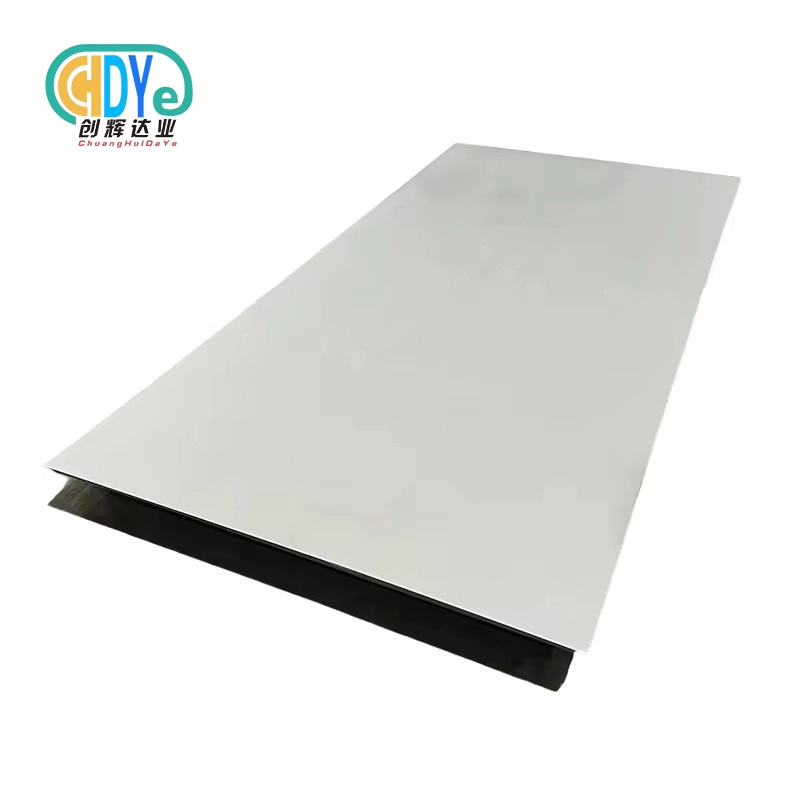
Titanium plates represent flat-rolled metal products manufactured from titanium ingots through precision hot and cold rolling methods. These parts include commercially pure (CP) types and high-strength metals, and each is made to meet the needs of a particular industry. At Chuanghui Daye, our production methods make sure that we strictly follow international standards while keeping our prices low so that we can serve customers all over the world.
Defining Titanium Plates for Automotive Applications
With thicknesses usually running from 0.5 mm to 100 mm, automotive-grade titanium plates are made from pure titanium or titanium alloys. To get uniform mechanical traits, the process of making it includes several rolling steps, heating treatments, and careful quality checks. Our factory in Baoji, China's Titanium Capital, uses high-tech tools like electron beam ovens and precise rolling machines to make plates that meet ASTM B265 standards.
Common Grades for Vehicle Manufacturing
Grade 2 economically pure titanium is effortless to shape and join, which makes it a good choice for body panels and artistic parts. Grade 5 (Ti-6Al-4V) has a mass of only 4.51 g/cm³ but a tensile strength of over 895 MPa, making it perfect for high-stress uses in bolts and suspension systems. Grade 23 (Ti-6Al-4V ELI) has less interstitial material, which improves it at resisting wear for safety-critical parts that need to be reliable over a long period of time under cycle loading conditions.
Mechanical and Thermal Characteristics
Titanium is stronger than any other construction metal and about 45% lighter than steel at the same strength. The material stays structurally sound at temperatures between -250°C and 600°C, based on the metal it is made of. An inactive oxide layer of TiO₂ that forms on its own gives great metal resistance to chloride environments, stopping the pitting erosion that happens to steel parts when they're exposed to road salt. When put together, these traits make parts last three to five times longer than parts made from normal materials.
Benefits of Titanium Plates in the Automotive Industry
More and more, automakers are using titanium plates to solve problems that keep coming up, like extra weight, broken parts, and environmental concerns. The material's special mix of properties leads to measured improvements in several performance measures that have a direct effect on how well it works and how efficiently it makes things.
Weight Reduction and Fuel Efficiency Gains
In certain situations, replacing steel parts with titanium plates can cut the weight of a car by 40 to 50 percent without affecting its structural needs. A normal exhaust system made from Grade 2 titanium weighs about 60% less than one made from stainless steel. This saves 15-20 kg of weight on the entire car. This decrease means better gas mileage by 2–4% for cars with regular engines and a longer range by 5–8% for electric cars. The weight savings also improve the car's ability to speed up, slow down, and turn.
Extended Component Lifespan Through Corrosion Resistance
Parts in cars are exposed to tough elements like road salt, industrial pollutants, and changes in temperature. Titanium's passive oxide layer grows back right away after being scratched, protecting it from electrolytic rust all the time. Components made from our titanium plates have been used in naval and industrial settings for more than 20 years, while treated steel parts only last 5 to 7 years. This longevity lowers insurance claims and repair intervals while raising the value of the car when it comes time to sell it.
Heat Resistance for Powertrain Applications
Parts of engines and exhaust systems work in temperatures where steel oxidizes, and aluminum loses its strength. Grade 5 titanium keeps 80% of its strength at 400°C, which lets wall parts be smaller, and heat gets rid of more efficiently. Titanium metals are used to make exhaust valves that decrease moving mass and can withstand temperatures of over 800°C. Titanium's low thermal expansion rate helps turbocharger housings keep their precise spacing even when temperatures change a lot.
Safety and Structural Integrity Enhancement
Titanium is useful for safety cage supports and crumple zone designs because it can absorb a lot of energy when it hits something. Electronic stability systems and autonomous drive sensors can't be harmed by the material because it isn't magnetic. In chassis uses, titanium fasteners make links that don't come away when the chassis shakes, and they weigh 40% less than steel fasteners of the same size. These safety benefits are in line with the fact that crashworthiness standards are getting stricter in global car markets.
Titanium Plates vs. Other Key Automotive Materials
Material choice has a huge effect on how much it costs to make something, how well it works, and how much it costs over its whole life. Knowing where titanium stands in comparison to other materials helps buying pros make choices that are in line with the needs of the project and the budget.
Strength and Weight Comparison
The tensile strength of stainless steel can reach 860 MPa, but it has a mass of 7.9 g/cm³, which means it is very heavy. At a 2.7 g/cm³ density, aluminum alloys have a good strength-to-weight ratio, but their highest tensile strength is only 580 MPa. Carbon fiber materials have a high specific strength, but they can't handle harm as well as metals can and can't be fixed. At 4.51 g/cm³, grade 5 titanium has a tensile strength of 895+ MPa, making it the perfect material for high-performance uses where every kilogram counts.
Corrosion Performance Across Environments
Galvanized steel and aluminum don't rust in normal air, but they both break down quickly in places with a lot of salt. Types of stainless steel, like 304 and 316, are more resistant, but they can still crack from stress corrosion and crevice corrosion. Compared with these materials, titanium plates do not fail in these ways, so they do not need protective coatings. This cuts down on production steps and makes sure that the look stays the same over the life of the car. Titanium plates are also resistant to acidic corrosion products, which makes them a good choice for parts that work in exhaust gas condensate settings.
Practical Considerations When Procuring Titanium Plates for Automotive Applications?
To successfully use titanium, you need to know how to choose the right grade, how to make it, and what the seller can do. These realistic factors decide whether projects meet their performance and cost goals.
Grade Selection and Specification Requirements
Choosing the right titanium grade relies on the temperature, stress level, and shape needs of the application. For the best shape-ability, body parts and artistic trim usually say "Grade 1" or "Grade 2." Suspension parts need Grade 5's better strength, even though it is less flexible. The better weld zone qualities of Grade 2 make it useful for welding applications. Our expert team at Chuanghui Daye gives design advice based on more than 30 years of experience in the field. This makes sure that the best material is chosen for each job.
Machining and Fabrication Challenges
Titanium is hard to machine because it doesn't conduct heat well and reacts chemically with cutting tools. Cutting speeds should be slowed down by 40 to 60 percent compared to steel, and a lot of coolant should be used to keep the work from getting too hard. When forming, high temperatures between 650°C and 800°C make the material more flexible. For welding to work, there must be an inert gas cover on both sides of the joint to keep it from becoming weak. To work with complicated shapes and keep tight standards, we keep up-to-date CNC machine centers and melting ovens.
Supplier Evaluation and Quality Assurance
Suppliers you can trust have ISO 9001:2015 approval, documents for tracking, and a history of on-time deliveries. The quality method at Chuanghui Daye includes checking the raw materials, inspecting the work as it's being done, and testing the finished product for mechanical properties, chemical makeup, and acoustic examination. When needed, we provide full mill test results and third-party approvals. Because we are in Baoji, we have access to China's most concentrated titanium supply chain. This lets us offer low prices and open production schedules for both samples and large quantities.
Pricing Factors and Lead Time Expectations
The cost of raw materials, the difficulty of handling, and the number of orders all affect the price of titanium plates. When you buy more than 500 kg in bulk, you can usually get savings of 15 to 25 percent. Standard grades in common sizes can be shipped in two to three weeks. Custom specs, which include processing the material and making sure it's of good quality, take four to six weeks. Our factory-direct model gets rid of markups for distributors, which cuts the cost of buying by 20–30% compared to standard supply lines. When output capacity allows, we can meet immediate needs by handling them faster.
Case Studies & Real-World Applications of Titanium Plates in the Automotive Industry
Titanium has real-world uses in a variety of vehicle areas that show its usefulness. These apps show that they work well, which encourages more people to use them in situations where cost is important or speed is essential.
High-Performance Exhaust Systems
European sports car makers have switched to titanium exhaust systems because they are lighter than stainless steel ones, by more than 50%. A whole system made from Grade 2 titanium plates weighs about 12 kg, while a steel system weighs 25 kg. This makes a noticeable difference in acceleration. Titanium's unique sound features make exhaust notes sound better while still passing ever-stricter noise rules. Corrosion protection gets rid of the surface discoloration and rust stains that happen with steel systems, so the look of the car stays the same over time.
Connecting Rods in Racing Engines
Formula race teams use Grade 5 titanium connecting rods instead of steel ones because they reduce the moving mass by 35 to 40 percent. This weight loss makes it possible for the engine to go faster and respond better to the power. The wear strength of the material under cycle loading conditions allows it to work reliably over race lengths longer than 3000 km at maximum rpm. Consumer vehicles don't use titanium connecting rods very often because they are expensive, but hybrid supercars are increasingly specifying them to meet performance goals.
Electric Vehicle Battery Enclosures
The growing market for electric vehicles opens up possibilities for titanium in the solid parts of battery packs. Titanium's strength lets wall parts be smaller, which cuts the total pack weight by 8–12%. Corrosion resistance stops damage from electrolyte leaks, and the fact that it is not magnetic keeps battery management devices from getting messed up. A number of high-end electric vehicle makers have added titanium reinforcing plates to the cases of their batteries. These plates protect the cells during impacts and help the vehicles' range by reducing their weight.
Future Opportunities in Autonomous Vehicles
The next wave of self-driving cars needs sensor mounting frameworks that keep the sensors perfectly aligned while keeping weight and electromagnetic interference to a minimum. Titanium is exceptionally well-suited for LiDAR and camera-fixing frames because it stabilizes dimensions, reduces shaking, and is not magnetic. Titanium component numbers are expected to rise greatly as self-driving technology moves from high-end to common cars. This will lead to economies of scale that make costs more competitive.
Conclusion
Titanium plates have a lot of benefits for car uses that need the best strength-to-weight ratios, resistance to rust, and heat stability. Even though the starting costs of the materials are higher than those of common metals, lifetime analysis shows that the total costs of ownership are lower because parts last longer, need less upkeep, and use less fuel. To make execution work, you need to carefully choose the grade, know what the manufacturing needs are, and work with skilled sources who can offer technical help and quality assurance. As the focus of vehicle design shifts to making cars lighter and more electric, titanium's unique set of properties makes it an increasingly smart material choice.
FAQ
Q: Why choose titanium plates over stainless steel for automotive components?
A: Titanium is 45% lighter than stainless steel while still having the same amount of strength. This directly improves fuel economy and the way the car handles. The better resistance to corrosion gets rid of the surface rusting and cracks that happen with steel in salty areas. This keeps the look of the parts and their structural integrity throughout the life of the car. Titanium's higher starting cost can be a problem for some budgets, but its longer life and lower upkeep needs often make it worth the cost for uses that need to work well.
Q: What thickness standards apply to automotive titanium components?
A: Titanium plates used in cars are usually between 0.8 mm thick for body panels and 6 mm thick for structural supports. Material thicknesses of 1.0 to 1.5 mm are often specified for exhaust systems to save weight while still providing enough stiffness. Plates between 3 and 5 mm thick can be used to machine connecting rods and suspension parts into their finished shape. Custom thickness needs can be met between 0.5 mm and 100 mm, and our production skills meet ASTM B265 standards for accuracy control.
Q: What are typical lead times for bulk titanium plate orders?
A: After an order is confirmed, standard grades in popular sizes ship within 5 to 7 business days. Material handling and quality checks take 10to 15 days for custom specs like specific chemicals, surface finishes, or physical limits. We keep popular grades in stock so that we can meet urgent needs as soon as possible. If production capacity allows, we can also do quick processing for important projects.
Partner with Chuanghui Daye: Your Trusted Titanium Plates Supplier
Shaanxi Chuanghui Daye has been working with rare metals for 30 years and has quality systems that are ISO 9001:2015 approved. They can make titanium plates that meet the strictest car requirements. Our Baoji plant makes Grade 2 and Grade 5 titanium plates. We offer affordable factory-direct prices, full tracking paperwork, and the ability to make small batches for both R&D samples and mass production. We help you reach your performance and cost goals by giving you expert advice on grade selection, manufacturing methods, and application engineering. Get in touch with our team at info@chdymetal.com to talk about your titanium plate needs and get a quote that fits your unique needs for making cars.
References
1. American Society for Testing and Materials. (2023). Standard Specification for Titanium and Titanium Alloy Strip, Sheet, and Plate. ASTM B265-20a.
2. Davis, J.R. (2006). Titanium: Properties, Applications, and Production. ASM International Handbook Committee.
3. Peters, M., Kumpfert, J., Ward, C.H., & Leyens, C. (2003). Titanium Alloys for Aerospace Applications. Advanced Engineering Materials, 5(6), 419-427.
4. Froes, F.H. (2015). Titanium: Physical Metallurgy, Processing, and Applications. ASM International.
5. Lutjering, G., & Williams, J.C. (2007). Titanium: Engineering Materials and Processes. Springer-Verlag Berlin Heidelberg.
6. Boyer, R., Welsch, G., & Collings, E.W. (1994). Materials Properties Handbook: Titanium Alloys. ASM International Materials Park.
Learn about our latest products and discounts through SMS or email