- English
- French
- German
- Portuguese
- Spanish
- Russian
- Japanese
- Korean
- Arabic
- Greek
- German
- Turkish
- Italian
- Danish
- Romanian
- Indonesian
- Czech
- Afrikaans
- Swedish
- Polish
- Basque
- Catalan
- Esperanto
- Hindi
- Lao
- Albanian
- Amharic
- Armenian
- Azerbaijani
- Belarusian
- Bengali
- Bosnian
- Bulgarian
- Cebuano
- Chichewa
- Corsican
- Croatian
- Dutch
- Estonian
- Filipino
- Finnish
- Frisian
- Galician
- Georgian
- Gujarati
- Haitian
- Hausa
- Hawaiian
- Hebrew
- Hmong
- Hungarian
- Icelandic
- Igbo
- Javanese
- Kannada
- Kazakh
- Khmer
- Kurdish
- Kyrgyz
- Latin
- Latvian
- Lithuanian
- Luxembou..
- Macedonian
- Malagasy
- Malay
- Malayalam
- Maltese
- Maori
- Marathi
- Mongolian
- Burmese
- Nepali
- Norwegian
- Pashto
- Persian
- Punjabi
- Serbian
- Sesotho
- Sinhala
- Slovak
- Slovenian
- Somali
- Samoan
- Scots Gaelic
- Shona
- Sindhi
- Sundanese
- Swahili
- Tajik
- Tamil
- Telugu
- Thai
- Ukrainian
- Urdu
- Uzbek
- Vietnamese
- Welsh
- Xhosa
- Yiddish
- Yoruba
- Zulu
Titanium Welded Pipe for Petrochemical Industry Use
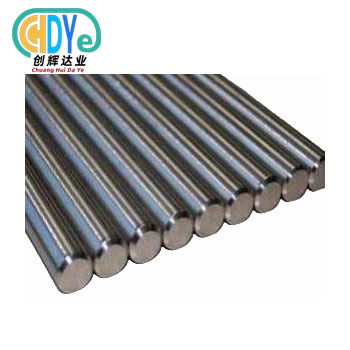
Titanium welded pipe is a revolutionary answer for use in the petrochemical industry because it is very resistant to corrosion, very light, and has great mechanical qualities. These precision-engineered pipes are made by rolling and bonding titanium sheets together in very controlled conditions. They offer the best combination of performance and cost-effectiveness for harsh chemical processing environments. Titanium welding pipe has special qualities that make it necessary for moving corrosive chemicals, acids, and very pure substances in situations where other materials don't last long enough or reliably enough.
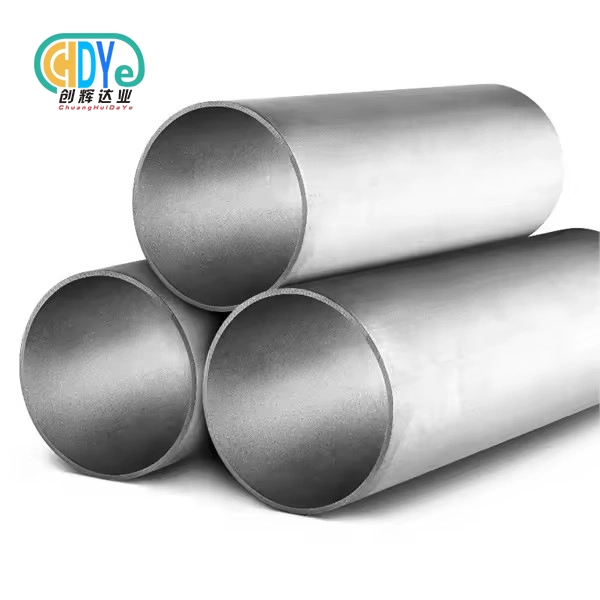
Understanding Titanium Welded Pipes in Petrochemical Applications
The petrochemical industry needs materials that can work in very harsh conditions. This means that titanium pipe options are becoming more and more important for modern facilities. The advanced metallurgical methods used to make these pipes make sure that the quality and performance are the same in all of their uses.
Manufacturing Process and Welding Technologies
Titanium welded tubing is made utilizing complex strategies that guarantee the soundness of the structure and the quality of the surface. Advanced production lines utilize TIG welding and plasma welding to make joints that are totally consistent and keep the material's common capacity to battle erosion. To keep things clean and ensure beyond any doubt the best mechanical properties, the welding process needs cautious control of the environment, temperature, and filler materials.
Manufacturers keep dormant gas conditions going during the welding process to keep the titanium from oxidizing and getting messy. This controlled air welding makes it beyond any doubt that the final product keeps its high resistance to erosion and quality. The welded joints that are made have the same properties as the base fabric, which implies they can be utilized in high-pressure and high-temperature circumstances that are normal in petrochemical plants.
Key Applications in Fluid Transport Systems
Welded titanium lines work incredibly well in numerous petrochemical circumstances where other materials do not work well enough. One of the most imperative applications for these channels is in warm trades, where they deal with destructive liquids while still being thermally productive. Titanium is an uncommon metal that can conduct heat well and avoid erosion, which makes it valuable for shell and tube warm exchangers, coil warm exchangers, and serpentine warm exchangers.
This fabric works truly well in condensers and evaporators, which makes it exceptionally valuable in chemical preparation plants and refineries. A parcel of places has exchanged to titanium pipe frameworks for moving acids, chlorides, and other solid chemicals that would rapidly harm carbon steel or stainless steel alternatives.
Comparing Titanium Welded Pipes to Alternative Pipe Solutions
When engineers look at different pipe materials for petrochemical uses, they need to think about many things, such as how well they resist corrosion, their mechanical qualities, and how much they will cost in the long run. Procurement teams can make better decisions when they know how titanium welding pipes compare to other options.
Titanium vs. Stainless Steel Performance
In the past, stainless steel was the most common choice for numerous chemical dealing with errands, but titanium works way better in a few circumstances. In numerous circumstances, stainless steel is solid enough to avoid erosion. Be that as it may, in cruel chemical situations, it can break and pit due to chloride stretch erosion. Titanium pipe frameworks are exceptionally safe to these sorts of disappointment, particularly in chloride-rich situations like those found in petrochemical processes.
Titanium is lighter than other metals, which is particularly valuable in marine and seaward employments where reducing basic loads is critical. Titanium-welded channels weigh almost 40% less than stainless steel channels of the same measure and shape, but they are less prone to rust and have the same mechanical quality.
Seamless vs. Welded Titanium Pipe Considerations
Whether you select consistent or welded titanium channels depends on the needs of your item and your budget. Welded titanium channels have a few benefits over consistent ones, such as being able to come in bigger breadths and more extensive choices, and as a rule being less costly. Numerous of the issues that individuals utilized to have with welded channels no longer exist, much obliged to way better welding strategies. This implies that they can be utilized in extreme petrochemical applications.
Material Grade Selection Guidelines
Choosing the right type of titanium is important for getting the best performance and value for money. Grade 2 titanium is very good at resisting corrosion and can be shaped easily, so it can be used in most petrochemical processes with mild temperatures and pressures. Grade 5 titanium alloy is more expensive than grade 4 metal but has better strength for high-pressure uses. Knowing about these features of materials helps people who work in procurement choose the best option for each project.
Sourcing and Procurement of Titanium Welded Pipes for Petrochemical Use
To buy titanium welded pipes successfully, you need to know how the market works, what the dealer can do, and what the quality standards are. For procurement workers looking for reliable suppliers, the global titanium pipe market has both opportunities and problems.
Market Pricing Factors and Trends
The price of titanium welding pipe is affected by a number of factors, such as the cost of raw materials, the difficulty of production, and the demand in the market. In the past few years, the titanium market has become more stable, with well-established price trends that make planning purchases easier. Pipe sizes, wall thickness, and grade specifications have a big effect on the final price. For example, alloys with bigger diameters and higher grades fetch higher prices.
Petrochemical plants are upgrading their old equipment and putting in place stricter environmental rules, which is driving up demand in the market right now. Leading manufacturers have improved their production capacities in response to the rise in demand. This could make it easier to get bulk orders and keep prices low.
Supplier Evaluation Criteria
There are many things besides price that need to be carefully considered when choosing the right titanium pipe maker. Getting ISO 9001:2015 certification is a must because it makes sure that sellers have complete quality management systems. Other approvals, like ASTM B338, ASTM B861, and ASME SB-338 compliance, show that the titanium welding tubes meet industry standards.
When choosing a supplier, the ability to make things is very important, especially for custom specs and large-diameter needs. Suppliers with cutting-edge welding tools, full testing facilities, and expert staff can offer better goods and support services. Logistics prices and delivery times are affected by where you are, which is why regional suppliers can be helpful for some projects.
Ordering Considerations and Lead Times
Because of the unique needs of making, getting titanium welded pipe usually takes longer than getting pipes made of other materials. Standard sizes and grades may be available with faster delivery times, but custom specifications usually take 8 to 12 weeks to make and send. Planning and buying activities well before the project needs them helps avoid delays and possible extra costs for fast orders.
Different suppliers have different minimum order amounts. Some manufacturers are flexible with smaller quantities, while others focus on making a lot of products at once. When choosing a supplier, knowing these requirements helps make sure that the buying plans match the wants of the project and the available funds.
Value Proposition of Titanium Welded Pipes in the Petrochemical Industry
The petrochemical industry faces many problems that make titanium welded pipes a more appealing option for sites that want to stay ahead of the curve. Some of these problems are harsh chemical conditions, rules about the environment, and the need to find the best long-term cost solutions.
Addressing Industry-Specific Challenges
Some of the toughest conditions are found in petrochemical plants, where equipment has to work in harsh chemicals, high temperatures, and high pressures all the time. In these conditions, traditional materials often fail before they should, which can lead to expensive repairs, unplanned shutdowns, and safety issues. Titanium welded pipes can handle these problems because they are very resistant to rust and are very stable mechanically.
Resistance to stress corrosion cracking caused by chloride makes the material very useful in places that work with seawater-based feedstocks or in marine settings. Titanium, unlike stainless steel alternatives, keeps its protective oxide layer even in very harsh settings. This makes it safe and reliable over time.
Long-Term Cost Benefits and ROI
Although titanium welded pipes cost more to buy at first than pipes made of other materials, they save a lot of money in the long run because they don't need as much upkeep and last longer. Studies show that titanium piping systems can last 20 to 30 years in harsh chemical conditions, while stainless steel systems might need to be replaced every 5 to 10 years.
The less upkeep that needs to be done means lower operating costs and more reliable facilities. When pipes don't have to be shut down as often for replacement or repair, production is more available and profits go up. Long-term value is also increased by environmental compliance benefits, as titanium's sturdiness means that equipment doesn't need to be replaced as often, which cuts down on waste.
Company Introduction and Product & Service Details
Shaanxi Chuanghui Daye Metal Material Co., Ltd. is one of the best companies that makes high-quality titanium welded pipes for the petrochemical business. Our company is in the Baoji High-tech Development Zone in Shaanxi Province, which is known as China's "Titanium Capital." It has access to great industry infrastructure and has been working with rare metal materials for 30 years.
We can use cutting-edge TIG and plasma welding technology in our manufacturing process to make sure that our welds are strong and that the surfaces are smooth, which is important for petrochemical uses. With ISO 9001:2015 certification, the company makes sure that all of its products meet international standards and keeps strict quality control throughout the entire production process.
Comprehensive Product Range and Customization
Our titanium welded pipe line comes in both standard sizes and unique shapes to fit a wide range of petrochemical needs. Our large diameter skills let us help with big infrastructure projects, and our precision manufacturing makes sure that the sizes are right for important uses. Custom manufacturing services can meet specific needs, such as those for wall thicknesses, lengths, and end preparations.
The company has state-of-the-art factories with electron beam furnaces, precision rolling tools, and full testing facilities. This unified method makes sure that the quality stays the same from handling the raw materials to inspecting and packaging them at the end.
Technical Support and Global Services
We offer full specialized counseling services to offer assistance clients in selecting the best choices since we know how complicated the needs of petrochemical ventures can be. Our experienced building group works with clients to arrange their ventures and gives them advice on things like choosing the right materials, considering almost all framework plans, and the best ways to put things together.
International clients can be assured beyond any doubt of on-time conveyance, thanks to worldwide shipping alternatives and reliable transport associations. Our commitment to client benefit goes beyond conveying items; we also offer proceeded bolster for installation, offer assistance, and provide recommendations on how to move forward with execution.
Conclusion
Titanium welded pipes are an important option for use in the petrochemical business that needs high resistance to corrosion, high mechanical strength, and long-term dependability. When you mix titanium's special properties with the latest welding techniques, you get piping systems that can handle even the harshest chemical environments and offer great value by lasting longer and needing less maintenance. As petrochemical plants continue to put safety, environmental compliance, and working efficiency at the top of their lists, titanium welded pipes have been shown to help them reach their goals while also lowering their long-term costs.
FAQ
Q: What are the main advantages of titanium welded pipes over stainless steel in petrochemical applications?
A: Titanium welded pipes offer superior corrosion resistance, particularly against chloride-induced stress corrosion cracking that commonly affects stainless steel in petrochemical environments. The lightweight nature of titanium reduces structural loads while maintaining comparable mechanical strength. Additionally, titanium's exceptional resistance to chemical attack ensures longer service life and reduced maintenance requirements compared to stainless steel alternatives.
Q: How do welding processes affect the performance of titanium pipes in chemical environments?
A: Modern TIG and plasma welding processes maintain the corrosion resistance properties of titanium through controlled atmosphere welding that prevents oxidation and contamination. Proper welding techniques ensure that welded joints exhibit properties comparable to the base material, making welded titanium pipes suitable for high-pressure and corrosive applications where weld integrity is critical.
Q: What certifications should I look for when sourcing titanium welded pipes for petrochemical use?
A: Key certifications include compliance with ASTM B338, ASTM B861, and ASME SB-338 standards, which ensure material quality and manufacturing consistency. ISO 9001:2015 certification demonstrates comprehensive quality management systems. Additionally, material test certificates and documentation of chemical composition and mechanical properties provide essential traceability for critical applications.
Partner with Chuanghui Daye for Your Titanium Welded Pipe Requirements
Shaanxi Chuanghui Daye delivers exceptional titanium welded pipe solutions backed by three decades of metallurgical expertise and comprehensive manufacturing capabilities. Our ISO 9001:2015 certified facility produces custom and standard titanium piping systems that meet the demanding requirements of petrochemical applications worldwide. Whether you need large diameter pipes for major infrastructure projects or precision-engineered solutions for specialized applications, our experienced team provides technical consultation, competitive pricing, and reliable delivery schedules. Contact our specialists at info@chdymetal.com to discuss your titanium welded pipe supplier requirements and discover how our proven solutions can enhance your facility's performance and profitability.
References
1. American Society for Testing and Materials. "Standard Specification for Seamless and Welded Titanium and Titanium Alloy Tubes for Condensers and Heat Exchangers." ASTM B338-18. West Conshohocken, PA: ASTM International, 2018.
2. Boyer, R., Welsch, G., and Collings, E.W. "Materials Properties Handbook: Titanium Alloys." Materials Park, OH: ASM International, 1994.
3. Lutjering, G. and Williams, J.C. "Titanium: Engineering Materials and Processes." Manchester: Manchester University Press, 2007.
4. American Society of Mechanical Engineers. "Rules for Construction of Pressure Vessels: Materials Specifications Part D - Properties." ASME Boiler and Pressure Vessel Code Section II. New York: ASME Press, 2019.
5. Schutz, R.W. and Thomas, D.E. "Corrosion of Titanium and Titanium Alloys in Chemical Process Industries." Industrial Corrosion Prevention and Control Technology. Park Ridge, NJ: Noyes Publications, 1987.
6. Peters, M., Kumpfert, J., Ward, C.H., and Leyens, C. "Titanium Alloys for Aerospace Applications." Advanced Engineering Materials, Vol. 5, No. 6. Weinheim: Wiley-VCH Publishers, 2003.
Learn about our latest products and discounts through SMS or email