- English
- French
- German
- Portuguese
- Spanish
- Russian
- Japanese
- Korean
- Arabic
- Greek
- German
- Turkish
- Italian
- Danish
- Romanian
- Indonesian
- Czech
- Afrikaans
- Swedish
- Polish
- Basque
- Catalan
- Esperanto
- Hindi
- Lao
- Albanian
- Amharic
- Armenian
- Azerbaijani
- Belarusian
- Bengali
- Bosnian
- Bulgarian
- Cebuano
- Chichewa
- Corsican
- Croatian
- Dutch
- Estonian
- Filipino
- Finnish
- Frisian
- Galician
- Georgian
- Gujarati
- Haitian
- Hausa
- Hawaiian
- Hebrew
- Hmong
- Hungarian
- Icelandic
- Igbo
- Javanese
- Kannada
- Kazakh
- Khmer
- Kurdish
- Kyrgyz
- Latin
- Latvian
- Lithuanian
- Luxembou..
- Macedonian
- Malagasy
- Malay
- Malayalam
- Maltese
- Maori
- Marathi
- Mongolian
- Burmese
- Nepali
- Norwegian
- Pashto
- Persian
- Punjabi
- Serbian
- Sesotho
- Sinhala
- Slovak
- Slovenian
- Somali
- Samoan
- Scots Gaelic
- Shona
- Sindhi
- Sundanese
- Swahili
- Tajik
- Tamil
- Telugu
- Thai
- Ukrainian
- Urdu
- Uzbek
- Vietnamese
- Welsh
- Xhosa
- Yiddish
- Yoruba
- Zulu
What Makes a Titanium Anode Rod Better Than Magnesium Rods?
A titanium anode rod represents a significant advancement in water heater tank protection, utilizing impressed current cathodic protection (ICCP) technology rather than traditional sacrificial dissolution. Unlike magnesium rods that physically corrode to safeguard steel tanks, titanium rods feature a Grade 1 or Grade 2 titanium substrate coated with mixed metal oxides—typically iridium or ruthenium. This system delivers controlled low-voltage electrical current into the water, neutralizing corrosive reactions without consuming the rod itself. The result is elimination of hydrogen sulfide odors, reduced sediment buildup, and an operational lifespan extending 10 to 20 years compared to magnesium's typical 2 to 4 years.
Introduction
As the quiet guards of water heating systems, anode rods keep tanks safe from the constant threat of rust. These parts take the electrical attack that would have broken down the steel tank, which has a direct effect on how long the system lasts and how well it works. The choice of material for these safety devices has huge effects on how often they need to be maintained, how much they cost over their entire life, and how well they work.
For industrial and business water heating uses, you need solutions that keep downtime to a minimum and get you the most out of your investment. Traditionally, magnesium anode bars have done a good job of this, but their flaws become clear in harsh settings. These problems have been precisely fixed by driven titanium anode rod systems, which give buying managers and building workers a way to improve operating efficiency. This study looks at the technical and financial differences between these two methods, giving you the information you need to make an informed choice in B2B buying situations.
Understanding Titanium and Magnesium Anode Rods: Material and Function
Electrochemical Protection Mechanisms
The goal of both kinds of rods is to stop galvanic rusting in water heater tanks. It works by offering itself as a sacrifice for protection, making it more electrochemically active than the steel tank. The magnesium rod gives off electrons that flow to the tank wall. This makes the rod decay faster than the tank wall. This process will keep going until all the magnesium is gone.
Material Composition and Characteristics
High-purity magnesium metal is what magnesium anode bars are made of. Aluminum or zinc is sometimes added to change the reaction rates. These sticks usually weigh between 1 and 4 pounds, depending on the size of the tank. Their reaction changes depending on pH, dissolved oxygen, and total dissolved solids in the water.
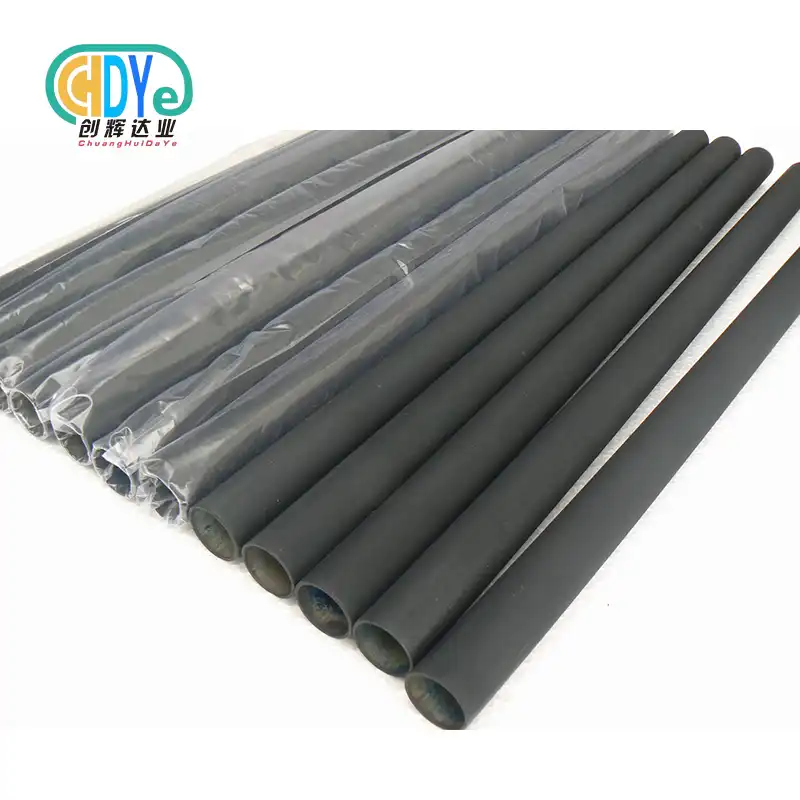
The base material for titanium anode rods is ASTM B265 or B348 Grade 1 or Grade 2 titanium. A precise layer of mixed metal oxides is added to the surface. This layer is usually made up of iridium oxide and tantalum pentoxide (IrO₂-Ta₂O₅). This 2- to 10-micrometer-thick layer of catalyst speeds up the electrochemical processes needed for current transfer while staying inert. The end result is a lightweight, corrosion-resistant part that can work in a range of weather situations.
Performance Variables in Different Water Chemistries
The makeup of water has a huge effect on how well an anode rod works. The magnesium rods work best in soft water, but they wear out faster in hard water that is high in calcium and magnesium ions. When there is a lot of sulfate in the water, sulfate-reducing bacteria grow. These bacteria react with magnesium to make hydrogen sulfide gas, which has the offensive "rotten egg" smell that affects many homes and businesses.
Titanium systems are amazingly consistent, even when the nature of the water changes. Because they are neutral, they don't react with living things, so they don't produce smells, no matter how much sulfate they contain. In high-resistance water, where magnesium bars would passivate and break, the applied current method keeps the protection working well. This ability to change is especially useful in industrial settings where water sources change with the seasons or where processes need to change chemistry profiles.
Advantages of Titanium Anode Rods Over Magnesium Rods
Extended Service Life and Reduced Maintenance
The most important difference between these systems is how long they last. Every 12 to 24 months, magnesium rods need to be inspected, and they need to be replaced when more than 6 inches of core wire are exposed or when the width decreases by more than 75%. When the water is very rough, the time between replacements may be shortened to 18 months. Titanium anode rod systems usually don't need to be replaced for 10 to 20 years, which is the same amount of time that the water heater itself lasts.
This long life immediately turns into lower worker costs and fewer problems with operations. Getting rid of maintenance shutdowns every six months is especially good for businesses like hotels, hospitals, and factories. In the first repair cycle, the difference in starting investment is more than made up for by the work hours saved across multiple units.
Superior Corrosion Resistance and Material Stability
In almost all environments, titanium is naturally more resistant to chemical attack than magnesium. The oxide layer keeps the electrical action going in acidic places and high-temperature situations where magnesium would break down quickly. Calcification, a common way for things to break down in hard water, doesn't pose much of a threat to titanium surfaces.
Elimination of Hydrogen Sulfide Odor Issues
Making hydrogen sulfide is a problem that always comes up in water systems with sulfate-reducing bacteria. These creatures that don't need oxygen break down sulfates in water, producing hydrogen sulfide as a waste product. Magnesium gives these bacteria both the lowering environment and food source they need, making it easy for them to grow.
Environmental and Safety Considerations
As magnesium dissolves, metal ions are released into the water source. As a result of the process, hydrogen gas is made. Even though these products are usually present in small amounts that don't hurt anything, they should be considered in critical situations. Sterilization systems for medical devices, water loops used in drug production, and food processing may need very pure water that can't be met by a sacrificial anode.
During normal operation, titanium devices don't make any dissolved metal pollution and only release tiny amounts of oxygen at the anode surface. The low-voltage electrical needs—usually less than 3 volts for home installations—don't pose much of an electrical risk. Power use is very low, usually less than 2 kilowatt-hours per year. This means that, at normal utility rates, the cost of running the system is less than $5 per year.
Titanium Anode Rod vs Magnesium Rod: A Procurement Perspective
Cost-Benefit Analysis and Total Cost of Ownership
The initial costs are much lower for magnesium, and new rods usually cost between $20 and $50, based on their length and width. Titanium anode rod systems cost between $100 and $300 each, which is because they use complex finishing technology and electric power supply parts. To make the investment worthwhile, this price difference needs to be carefully looked at in terms of lifetime economics.
Every two years, magnesium needs to be replaced in a 50-gallon industrial water heater that works with fairly harsh water. This needs to be replaced five times over the course of ten years, which will take about two hours of work each time. At $75 an hour for a skilled technician's time, the total cost of labor is $750, which is more than the price bonus of a titanium application. When you add up the prices of new parts, the magnesium installation will cost about $1,000 over 10 years, while the titanium installation will cost between $150 and $300.
Supplier Selection Criteria
When purchasing managers look at titanium anode suppliers, they should put a number of important factors at the top of their list. Supplier approvals are important because the quality of the manufacturing has a direct effect on performance and durability. Certification as an ISO 9001:2015 quality management system shows that you are committed to uniform output standards and paperwork that can be used to track down products. These are non-negotiable requirements for industry uses that need audit records.
The ability of the titanium anode rod to provide technical help is what sets key partners apart from basic providers. When switching from sparing to impressed current protection, it might need help from application engineers, especially if the installation isn't standard or the water chemistry isn't normal. Suppliers who offer pre-installation advice, unique rod lengths, and quick after-sales help provide value that goes beyond the price of the parts.
Customization and Bulk Ordering Advantages
In industrial settings, non-standard sizes are often needed to work with unique tank designs or limited space. Due to limitations in the casting process, magnesium bars can't be changed in many ways. Titanium manufacturing can handle exact length requirements, different pin connections, and different power source setups to meet the needs of the installation.
Volume purchasing opens up more economic benefits. Suppliers usually offer tiered price systems that reward different levels of commitment. For example, orders of more than one unit can get savings of 15% to 30%. Setting up relationships with chosen suppliers makes it easier to keep track of supplies, makes sure that product specs are the same across all sites, and speeds up the approval process for future purchases.
Installation and Compatibility: Transitioning from Magnesium to Titanium Rods
Pre-Installation Planning Considerations
Checking for compatibility is the first step to a successful titanium anode rod application. Most home and business water heaters have standard 3/4-inch NPT screw holes that can be used for installing both magnesium and titanium. The right rod length depends on the size of the tank. Manufacturers usually suggest a minimum 9-inch space for domestic tanks and rods that are relatively longer for business vessels that hold more than 80 gallons.
Electrical needs add new planning issues that weren't there with magnesium systems. The power source unit needs to be connected to 120-volt AC electricity and mounted somewhere that won't get wet near the water heater. Building electrical rules may require a qualified electrician to be involved, which makes the work more difficult. Coordinating with the building's electricity teams ahead of time keeps the job on track and ensures that all codes are followed.
Installation Procedure and Technical Requirements
To get to the tank, it has to be drained so that water doesn't leak out when the anode is taken out. Once the old magnesium rod is out of the way, check the threaded hole for rust or dirt buildup. Use a wire brush to clean the threads and thread-sealer tape to make sure the work is waterproof. Place the titanium rod vertically inside the tank and carefully thread it so that it doesn't cross-thread the brass fitting.
The power source box is attached to the outside of the water heater, usually on the jacket or the wall next to it. Connect the titanium rod wire to the correct contact, making sure the connection is strong. Finish connecting the tank to the ground electrically, and then connect the power cord to the closest outlet. Most units have LED lights that show when the circuit is complete—green means the safety is working, and red means there is an open circuit that needs to be looked into.
Professional Installation vs. In-House Capability
Companies with trained grounds staff often do their own titanium installation, especially when they are moving several units at once. The process doesn't take any special technical skills, but you do need to know how to do simple plumbing and electricity work. Manufacturer installation guides give step-by-step instructions that are good for techs who know a lot about general upkeep.
For the titanium anode rod, Manufacturer-provided installation services are helpful for installs that are hard to do because of strange tank layouts, interaction with building management systems, or installations in dangerous places. These services usually include site studies before the installation, skilled installation with guarantee coverage, and proof tests after the installation. It is worth the extra cost when mistakes during installation could damage expensive equipment or break rules set by the government.
Making the Right Choice: Titanium Anode Rod vs. Other Anode Rod Materials
Aluminum-Zinc Alloy Alternative
Combination bars made of aluminum and zinc are a compromise between magnesium and titanium technologies. In normal conditions, these substitute anodes last 4 to 6 years before they need to be replaced because they wear out more slowly than pure magnesium. The zinc part lowers the production of hydrogen sulfide smells, but not as well as a titanium anode rod, which completely gets rid of the problem.
Aluminum-zinc is priced between magnesium and titanium, which makes it a good choice for middle-of-the-road uses where magnesium isn't enough but titanium seems like too much of an investment. This choice works well for municipal water uses and water that isn't too hard. The technology will finally need to be replaced and inspected on a regular basis.
Powered Anode Comparison
There are a lot of different impressive current methods on the market, and the power supplies and electrode coatings are all different. Platinized titanium is a high-end treatment choice that works better in places that are very acidic or high in chlorides. Even though it costs more than mixed metal oxide options, the platinum layer is better at catalysis and lasts longer as a coating.
Some companies make driven anodes with an aluminum base that are less expensive than titanium models. Even though it works, aluminum isn't as resistant to rust as titanium is, and it may break down in harsh water circumstances. In difficult business uses, the small savings rarely make up for the loss of efficiency.
Application-Specific Recommendations
Magnesium or aluminum-zinc bars work well in residential setups with local water supplies and low levels of hardness. This is especially true when price constraints limit other choices. The requirement to repair things every so often doesn't put too much of a strain on people who are willing to do basic upkeep.
Titanium adoption leads to strong results for businesses that use various water heaters. Hotels, apartment buildings, hospitals, and factories can all benefit from less upkeep and more reliable operations. Getting rid of smell concerns is reason enough to invest in hotel applications, where customer happiness has a direct effect on income.
Titanium is good for setups that deal with high temperatures and solar water heating systems. When the temperature goes up, magnesium rods break down faster, but titanium rods keep working the same way across the whole temperature range. To keep galvanic compatibility problems from happening, which would make magnesium use go through the roof, tanks made of stainless steel need to be protected by forced current.
Conclusion
Comprehensive lifetime analysis makes it clear that titanium anode rod technology is better than standard magnesium methods. For business and industrial uses, the benefits of longer service life, no need for upkeep, no more smell problems, and uniform performance in a range of working situations are very appealing. Even though magnesium options are cheaper at first, titanium is clearly the better choice when looking at total ownership costs over longer periods of time.
When buying something, people should carefully consider how it will be used. Residential applications that are tight on funds may continue to use "sacrificial" technologies, seeing the extra work that comes with upkeep as a fair trade-off for lower initial costs. Businesses that are in charge of multiple units find that changing investments pays off quickly.
This change in technology is part of a larger trend in the industry toward systems that can predict problems and require less upkeep. Titanium applications fit with this idea because they provide solid safety without making building teams do a lot of upkeep work all the time.
FAQ
Q: What lifespan can I expect from a titanium anode rod compared to magnesium?
A: High-quality titanium rods covered with a mixed metal powder usually last between 10 and 20 years, which is often the same amount of time that the water heater itself will last. Depending on the nature of the water, magnesium rods need to be replaced every two to four years. In harsh situations, they may need to be replaced every year.
Q: Do titanium anode rods work with all water heater types?
A: The product works with most gas, electric, and solar water heaters that have standard 3/4-inch NPT threaded anode ports. Make sure there is enough upright space for the length of the rod and that the power supply unit can plug into an outlet. Because titanium is compatible with galvanic systems, it works especially well with stainless steel tanks.
Q: How much electricity does a powered titanium system consume?
A: Typical annual energy use is less than 2 kilowatt-hours, which, at standard household power rates, comes to less than $5 a year. The power source uses milliamp-level current and changes it automatically based on the resistance of the water to keep the best safety levels without using too much energy.
Q: Can titanium installation resolve existing hydrogen sulfide odor problems?
A: After titanium is installed, the smell is gone for good within days. The system gets rid of the source of nutrients that sulfate-reducing bacteria need and sets up conditions that make oxygen, which stops the bacteria from growing. In contrast to water cleaning methods that need ongoing maintenance, this is a lasting answer rather than a temporary fix.
Partner with Chuanghui Daye for Reliable Titanium Anode Rod Solutions
When it comes to protecting industrial water heaters, Shaanxi Chuanghui Daye Metal Material Co., Ltd. has more than 30 years of experience with rare metals. Our plant is in Baoji, which is known as China's titanium capital. It has modern production tools and strict quality control that meet ISO 9001:2015 standards. We make titanium anode rods from Grade 1 and Grade 2 titanium plates that meet ASTM standards. These rods are then carefully covered with mixed metal oxide formulas that are designed to last longer.
Custom rod lengths, special fitting setups, and large production are all things that we can make to meet the needs of business and industry buyers. Direct factory price gets rid of markups for marketing while keeping up the quality standards needed by clients around the world in aircraft, chemical processing, and medical device production. Technical support teams help with application building and make sure that systems work well together.
Contact info@chdymetal.com to talk to experienced titanium anode rod experts about your particular needs. We offer reasonable quotes for large orders, samples of our products so you can try them out, and a lot of paperwork to back up our quality assurance procedures. As a reliable company that makes titanium anode rods, we offer the knowledge of the products and quick service that turn supply relationships into long-term partnerships.
References
1. NACE International. "Cathodic Protection Technician Course Manual." NACE International Publication, 2018.
2. American Water Works Association. "Internal Corrosion Control in Water Distribution Systems." AWWA Manual M58, Second Edition, 2021.
3. ASM International. "Corrosion: Fundamentals, Testing, and Protection." ASM Handbook Volume 13A, 2003.
4. National Association of Corrosion Engineers. "Improved Current Cathodic Protection Systems for Atmospheric Storage Tanks." NACE Standard Practice SP0193-2016.
5. Materials Performance Magazine. "Advances in Dimensionally Stable Anode Technology for Cathodic Protection Applications." NACE International, March 2019.
6. Water Quality Association. "Anode Rod Technology and Water Heater Corrosion Protection: Technical Review and Best Practices." WQA Technical Brief Series, 2020.

Learn about our latest products and discounts through SMS or email