- English
- French
- German
- Portuguese
- Spanish
- Russian
- Japanese
- Korean
- Arabic
- Greek
- German
- Turkish
- Italian
- Danish
- Romanian
- Indonesian
- Czech
- Afrikaans
- Swedish
- Polish
- Basque
- Catalan
- Esperanto
- Hindi
- Lao
- Albanian
- Amharic
- Armenian
- Azerbaijani
- Belarusian
- Bengali
- Bosnian
- Bulgarian
- Cebuano
- Chichewa
- Corsican
- Croatian
- Dutch
- Estonian
- Filipino
- Finnish
- Frisian
- Galician
- Georgian
- Gujarati
- Haitian
- Hausa
- Hawaiian
- Hebrew
- Hmong
- Hungarian
- Icelandic
- Igbo
- Javanese
- Kannada
- Kazakh
- Khmer
- Kurdish
- Kyrgyz
- Latin
- Latvian
- Lithuanian
- Luxembou..
- Macedonian
- Malagasy
- Malay
- Malayalam
- Maltese
- Maori
- Marathi
- Mongolian
- Burmese
- Nepali
- Norwegian
- Pashto
- Persian
- Punjabi
- Serbian
- Sesotho
- Sinhala
- Slovak
- Slovenian
- Somali
- Samoan
- Scots Gaelic
- Shona
- Sindhi
- Sundanese
- Swahili
- Tajik
- Tamil
- Telugu
- Thai
- Ukrainian
- Urdu
- Uzbek
- Vietnamese
- Welsh
- Xhosa
- Yiddish
- Yoruba
- Zulu
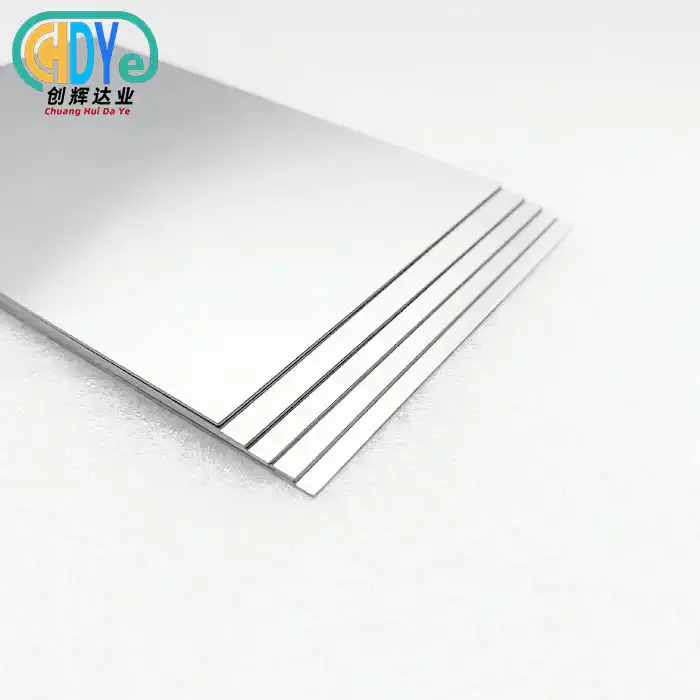
What makes medical titanium plate the best for bone fracture repair?
In the realm of orthopedic surgery and bone fracture repair, medical titanium plates have emerged as a superior choice, revolutionizing the field with their exceptional properties and performance. These precision-engineered implants have become the gold standard for bone fixation, offering a unique combination of biocompatibility, strength, and durability that surpasses traditional materials. As we delve into the reasons behind their superiority, we'll explore how medical titanium plates contribute to improved patient outcomes, faster recovery times, and long-term implant stability. From their remarkable strength-to-weight ratio to their corrosion resistance and ability to integrate seamlessly with human tissue, titanium plates have proven to be a game-changer in the treatment of bone fractures across various medical specialties, including orthopedics, maxillofacial surgery, and neurosurgery.
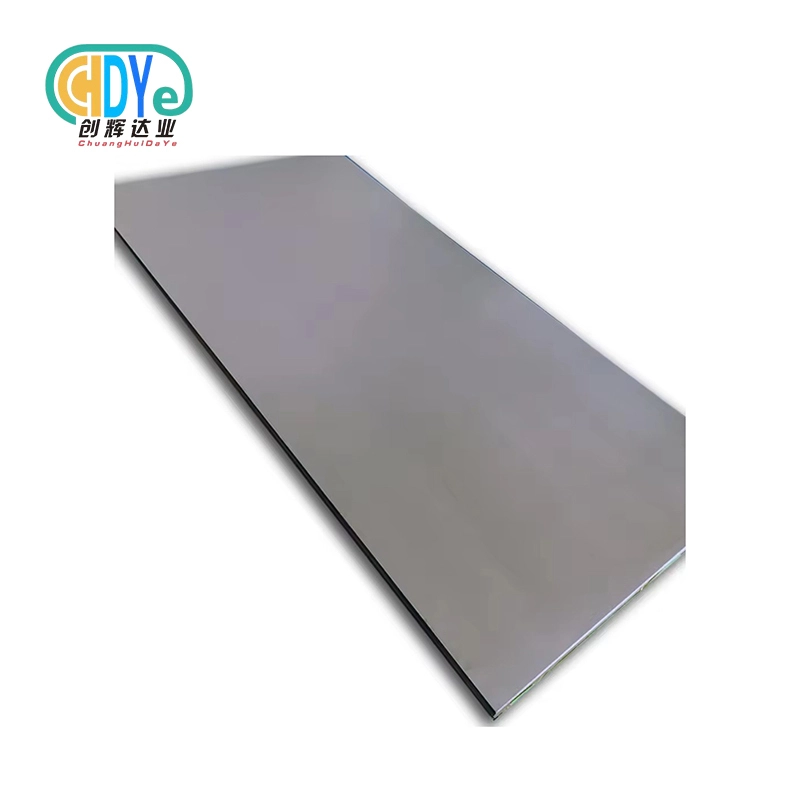
How a medical titanium plate boosts biocompatibility and safe bone healing
Titanium's unique properties for tissue integration
Medical titanium plates excel in biocompatibility due to their unique properties that promote safe and effective bone healing. The surface of titanium naturally forms a stable oxide layer when exposed to air, creating a biocompatible interface that resists corrosion and prevents adverse reactions with surrounding tissues. This oxide layer also facilitates osseointegration, the process by which bone cells attach directly to the implant surface, creating a strong and durable bond. The medical titanium plate's ability to integrate seamlessly with bone tissue not only enhances stability but also reduces the risk of implant rejection or loosening over time, contributing to better long-term outcomes for patients undergoing bone fracture repair.
Reduced risk of allergic reactions and infections
One of the key advantages of medical titanium plates is their hypoallergenic nature, which significantly reduces the risk of allergic reactions in patients. Unlike some other metals used in medical implants, titanium rarely triggers an immune response, making it suitable for a wide range of patients, including those with metal sensitivities. Furthermore, the surface properties of medical titanium plates contribute to a lower risk of bacterial adhesion and biofilm formation, which are common causes of implant-associated infections. This inherent resistance to bacterial colonization, combined with proper surgical techniques and sterilization protocols, helps minimize the risk of postoperative infections, promoting safer and more successful bone healing processes.
Enhanced bone growth stimulation
Medical titanium plates play a crucial role in stimulating and supporting bone growth during the fracture repair process. The surface topography of titanium can be modified at the microscopic level to enhance its osteoconductivity, providing an ideal scaffold for bone cells to adhere, proliferate, and differentiate. This property allows for faster and more robust bone formation around the implant, leading to improved healing outcomes. Additionally, the elastic modulus of titanium is closer to that of natural bone compared to other metals, reducing stress shielding effects and promoting more physiological load distribution. This biomechanical compatibility ensures that the medical titanium plate not only provides stable fixation but also encourages the natural bone remodeling process, ultimately leading to stronger and more functional repair of fractured bones.
Why medical titanium plate's strength-to-weight ratio and corrosion resistance matter for fracture repair
Optimal mechanical properties for bone support
The exceptional strength-to-weight ratio of medical titanium plates is a critical factor in their superiority for bone fracture repair. These implants offer robust mechanical support to fractured bones while maintaining a lightweight profile, which is crucial for patient comfort and mobility. The high strength of titanium allows for thinner plate designs without compromising stability, reducing the overall bulk of the implant and minimizing soft tissue irritation. This optimal balance of strength and weight enables medical titanium plates to provide reliable fixation for a wide range of fracture types, from simple to complex, while allowing for more natural movement and function of the affected limb or body part during the healing process.
Long-term durability in physiological environments
Medical titanium plates exhibit remarkable corrosion resistance, ensuring their long-term durability within the physiological environment of the human body. This property is essential for maintaining the structural integrity of the implant over extended periods, which is particularly important in cases where the plate may need to remain in place for months or even years. The superior corrosion resistance of titanium prevents degradation of the implant material, reducing the risk of metal ion release into surrounding tissues and minimizing potential systemic effects. This durability not only contributes to the overall safety and efficacy of the fracture repair but also reduces the likelihood of complications that might necessitate implant removal or revision surgeries, ultimately leading to better patient outcomes and reduced healthcare costs.
Compatibility with advanced imaging techniques
Another significant advantage of medical titanium plates is their compatibility with advanced imaging techniques commonly used in postoperative monitoring and follow-up care. Unlike some other metallic implants, titanium produces minimal artifacts in CT and MRI scans, allowing for clearer and more accurate imaging of the healing bone and surrounding tissues. This compatibility is crucial for assessing fracture healing progress, detecting any potential complications, and planning for implant removal if necessary. The ability to obtain high-quality diagnostic images without significant interference from the implant enhances the physician's ability to make informed decisions about patient care throughout the recovery process, contributing to more effective management of bone fracture repairs and improved long-term outcomes.
How medical titanium plate support faster recovery and long-term implant stability
Promotion of early mobilization and rehabilitation
Medical titanium plates play a crucial role in promoting early mobilization and rehabilitation following bone fracture repair surgery. The high strength and stability provided by these implants allow for more aggressive postoperative protocols, enabling patients to begin controlled movement and weight-bearing activities sooner. This early mobilization is essential for preventing complications associated with prolonged immobilization, such as joint stiffness, muscle atrophy, and deep vein thrombosis. By supporting faster initiation of physical therapy and rehabilitation exercises, medical titanium plates contribute to improved functional outcomes, reduced recovery times, and enhanced quality of life for patients undergoing bone fracture treatment.
Minimized tissue reaction and improved healing environment
The biocompatible nature of medical titanium plates significantly reduces tissue reaction and inflammation at the implant site, creating an optimal environment for bone healing. The minimal foreign body response to titanium implants results in less scar tissue formation and reduced risk of soft tissue adhesions, which can impair joint mobility and cause discomfort. This favorable healing environment allows for more efficient bone regeneration and remodeling processes, leading to faster and more complete recovery of the fractured bone. The reduced tissue reaction also contributes to decreased postoperative pain and swelling, enabling patients to engage more effectively in their rehabilitation programs and potentially reducing the need for prolonged pain management interventions.
Long-term stability and reduced need for implant removal
Medical titanium plates offer excellent long-term stability, often eliminating the need for implant removal surgeries that are commonly required with other materials. The strong osseointegration achieved between titanium and bone tissue creates a durable and lasting fixation that can withstand physiological loads over extended periods. This long-term stability is particularly beneficial for patients with complex fractures, compromised bone quality, or those requiring permanent implantation. By reducing the likelihood of implant loosening or failure over time, medical titanium plates minimize the need for revision surgeries, resulting in fewer complications, lower healthcare costs, and improved patient satisfaction. Additionally, the option to leave the implant in place indefinitely provides flexibility in treatment planning, especially for older patients or those with medical conditions that may increase surgical risks.
Conclusion
Medical titanium plates have revolutionized bone fracture repair, offering unparalleled benefits in biocompatibility, strength, and long-term stability. Their unique properties promote safe healing, reduce complications, and support faster recovery. As technology advances, we can expect further innovations in titanium implant design and surface treatments, potentially leading to even better outcomes for patients. The continued use and development of medical titanium plates promise to enhance orthopedic care, improving the quality of life for countless individuals suffering from bone fractures worldwide.
Shaanxi Chuanghui Daye Metal Material Co., Ltd., located in China's "Titanium Capital," is at the forefront of producing high-quality titanium and titanium alloy products, including medical titanium plates. With over 30 years of industry experience, advanced manufacturing capabilities, and a commitment to quality, Chuanghui Daye provides global clients with reliable and cost-effective metal materials for various applications, including medical implants. For more information or inquiries, please contact us at info@chdymetal.com.
FAQ
Q: What makes titanium an ideal material for medical implants?
A: Titanium is ideal due to its biocompatibility, high strength-to-weight ratio, corrosion resistance, and ability to integrate with bone tissue.
Q: Are titanium plates safe for long-term implantation?
A: Yes, titanium plates are safe for long-term use due to their excellent biocompatibility and resistance to corrosion in the body.
Q: How do titanium plates compare to stainless steel in fracture repair?
A: Titanium plates are lighter, stronger, more biocompatible, and less likely to cause allergic reactions compared to stainless steel.
Q: Can titanium plates be left in the body permanently?
A: In many cases, yes. Titanium plates can often remain in the body indefinitely without causing problems or requiring removal.
Q: Do titanium plates interfere with medical imaging?
A: Titanium plates cause minimal interference with CT and MRI scans, allowing for clearer post-operative imaging compared to some other metals.
References
1. Chen, Q., & Thouas, G. A. (2015). Metallic implant biomaterials. Materials Science and Engineering: R: Reports, 87, 1-57.
2. Elias, C. N., Lima, J. H. C., Valiev, R., & Meyers, M. A. (2008). Biomedical applications of titanium and its alloys. JOM, 60(3), 46-49.
3. Niinomi, M. (2008). Mechanical biocompatibilities of titanium alloys for biomedical applications. Journal of the mechanical behavior of biomedical materials, 1(1), 30-42.
4. Pohler, O. E. (2000). Unalloyed titanium for implants in bone surgery. Injury, 31, D7-D13.
5. Rack, H. J., & Qazi, J. I. (2006). Titanium alloys for biomedical applications. Materials Science and Engineering: C, 26(8), 1269-1277.
6. Sidambe, A. T. (2014). Biocompatibility of advanced manufactured titanium implants—A review. Materials, 7(12), 8168-8188.
Learn about our latest products and discounts through SMS or email