- English
- French
- German
- Portuguese
- Spanish
- Russian
- Japanese
- Korean
- Arabic
- Greek
- German
- Turkish
- Italian
- Danish
- Romanian
- Indonesian
- Czech
- Afrikaans
- Swedish
- Polish
- Basque
- Catalan
- Esperanto
- Hindi
- Lao
- Albanian
- Amharic
- Armenian
- Azerbaijani
- Belarusian
- Bengali
- Bosnian
- Bulgarian
- Cebuano
- Chichewa
- Corsican
- Croatian
- Dutch
- Estonian
- Filipino
- Finnish
- Frisian
- Galician
- Georgian
- Gujarati
- Haitian
- Hausa
- Hawaiian
- Hebrew
- Hmong
- Hungarian
- Icelandic
- Igbo
- Javanese
- Kannada
- Kazakh
- Khmer
- Kurdish
- Kyrgyz
- Latin
- Latvian
- Lithuanian
- Luxembou..
- Macedonian
- Malagasy
- Malay
- Malayalam
- Maltese
- Maori
- Marathi
- Mongolian
- Burmese
- Nepali
- Norwegian
- Pashto
- Persian
- Punjabi
- Serbian
- Sesotho
- Sinhala
- Slovak
- Slovenian
- Somali
- Samoan
- Scots Gaelic
- Shona
- Sindhi
- Sundanese
- Swahili
- Tajik
- Tamil
- Telugu
- Thai
- Ukrainian
- Urdu
- Uzbek
- Vietnamese
- Welsh
- Xhosa
- Yiddish
- Yoruba
- Zulu
Where to Buy Niobium Alloy Rod: A Global Importer's Guide
For essential industrial applications, the search for high-performance materials leads to the need for a reputable Niobium Alloy Rod supplier. These precision metal parts are produced for businesses where failure is not an option, from aeroplane propulsion systems to semiconductor production. The growth in the complexity of procurement environments globally means that knowing where and how to obtain these rods effectively may be the difference between project success and expensive delays. This guide will assist you in understanding the main factors to consider when buying niobium alloy rods. It will help you make educated choices that strike a balance between quality, compliance, and cost-effectiveness. It will also help you forge relationships with producers who understand your specific needs.
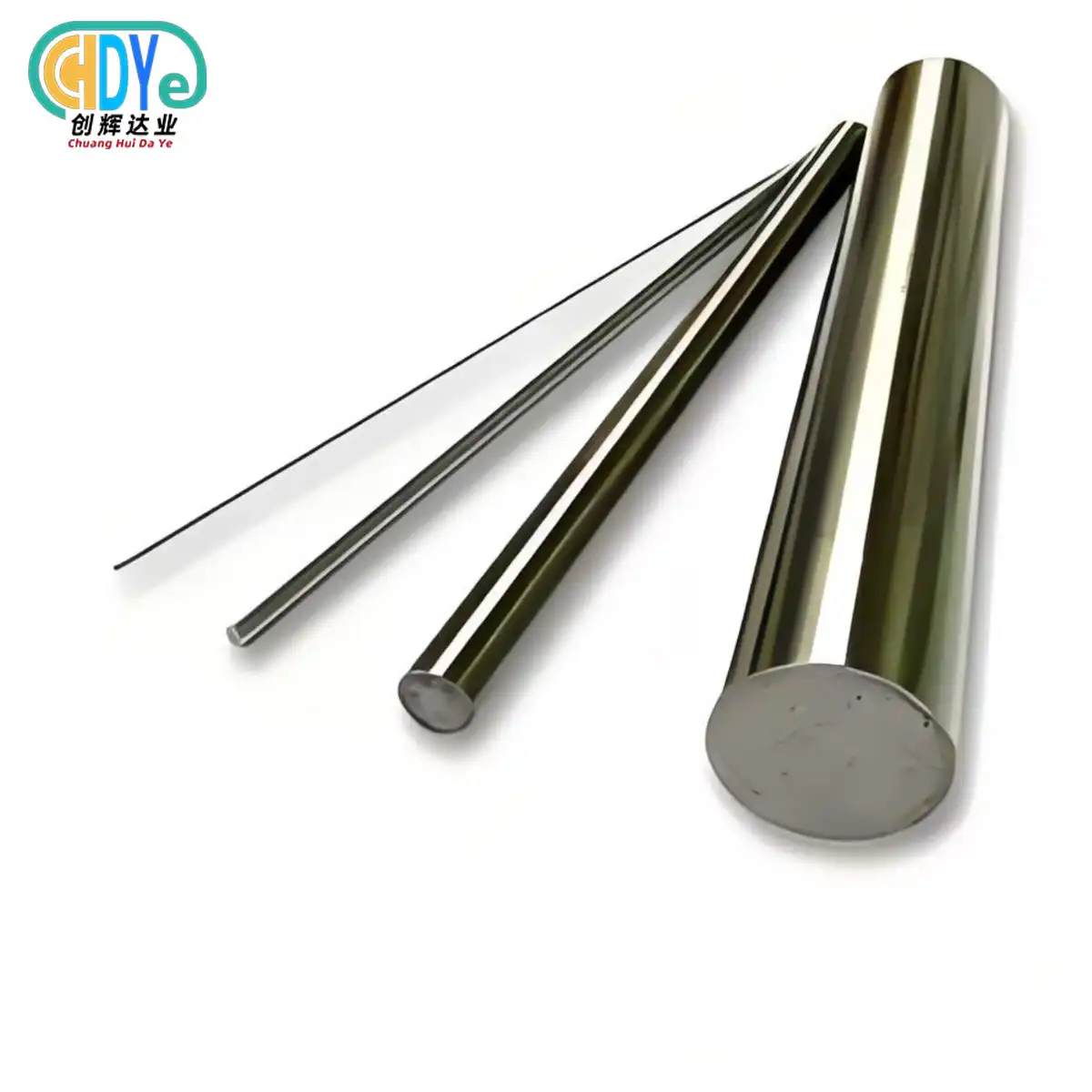
How to Choose the Right Niobium Alloy Rod for Your Needs
You will have to take many different things into account in an organised manner to successfully choose the proper Niobium Alloy Rod. Matching the specifications of the material to the requirements of the work is key. The decision impacts not just the short-term performance but also the long-term reliability and overall purchasing cost.
Aligning Specifications with Application Demands
Pure niobium could be preferable, or an alloyed mix, depending on how strong you need something to be. R04200 and R04210 are the most flexible and corrosion-resistant of all pure niobium rods. But they are not as robust as the alloys. Niobium-zirconium alloys (R04251, R04261) are a kind of metal that is tough and malleable. They are used for creating structural pieces in chemical processes. C-103 is a very high-temperature strength niobium-hafnium-tungsten alloy for aerospace applications when stresses are maintained over 1,200°C. Different compositions may be heated in different ways. Understanding the annealing needs and the hardness ranges that are possible can help your production processes operate together smoothly.
Standards Compliance and Certification
International standards set the high standards for choices about procurement. Niobium and Niobium Alloy Rods are governed by ASTM B392, which sets limits on their chemical makeup, mechanical qualities, and size standards. AMS 7850 compliance is often needed in aerospace applications. This standard sets stricter limits on interstitial elements like oxygen, nitrogen, and carbon that affect ductility. Getting ISO 9001:2015 approval means that you have strong quality management systems that make sure your production processes are uniform and that you can track them. Conformity is confirmed by material test reports that include chemical analysis, tensile testing, and grain size examination. When the stakes are very high, third-party inspection services offer independent confirmation.
Grade Comparison and Cost Considerations
Reactor-grade pure niobium (R04200) costs a lot because it has to meet strict purity standards for nuclear uses, where neutron absorption cross-sections are important. Commercial-grade materials (R04210) are less expensive and can be used for chemical resistance applications that aren't limited by nuclear power. Nb-1Zr alloys are a good balance between performance and cost for structural parts that need moderate strength improvements. Prices range from $200 to $800 per kilogram, based on the grade, amount of purity, and size of the order. Different suppliers have different minimum order numbers. Smaller specialty makers may be able to handle study quantities of 5–10 kilograms, while bigger manufacturers prefer orders over 50 kilograms. When you commit to a certain amount of a product, you can often get better prices. This makes long-term agreements financially appealing for ongoing production needs.
Where to Buy Niobium Alloy Rod: Global Supplier Landscape
To find the right global supplier, you need to know about the strengths and weaknesses of each region's manufacturing industry, the certification ecosystem, and the logistical factors that affect the reliability of delivery and the total cost of landing.
Identifying Reputable Manufacturers
In China's Shaanxi Province, especially the Baoji area, which is known as the "Titanium Capital," there is a lot of industrial skill in niobium alloys and other refractory metals. This regional specialization is shown by Shaanxi Chuanghui Daye Metal Material Co., Ltd., which has advanced melting facilities like electron beam furnaces, annealing systems, and the ability to do precise machining. The business sells Niobium Alloy Rods that meet ASTM B392 standards. These include pure niobium types R04200 and R04210, as well as Nb-1Zr alloys R04251 and R04261. Their production method includes vacuum melting, forging, rolling, and heat treatment, which ensures that the mechanical qualities of the material are controlled and that it is all the same. With ISO 9001:2015 certification, they keep track of quality control from inspecting the raw materials to packing the finished product. North American and European suppliers have long histories of working with the aerospace and defense industries. Because they are close to end users in these areas, they can cut down on wait times for pressing needs, but their prices are usually higher than those of Asian manufacturers. Russian producers have low prices and a lot of experience with refractory metals from their work in the space program, but geopolitical issues may make it harder to get what you need.
Evaluation Criteria for Supplier Selection
How well a seller can meet your growing needs depends on how much they can produce. Facilities that melt niobium exclusively and produce more than 50 tons of it every year show their dedication to this type of material. Certifications other than ISO 9001 could include AS9100 for aerospace uses or specific customer approvals from big OEMs. References from current customers, membership in trade groups, and length of time in the refractory metals business can all be used to judge a company's image in the field. Technical support skills are very important; providers who offer metallurgical advice, application engineering help, and technical support add value to the product itself.
Online Platforms and Procurement Channels
B2B marketplaces make it easier to find suppliers and compare prices, but you need to do more work than just looking at the platform ads to make sure the qualifications of the suppliers you find. When compared to distributor channels, direct relationships with manufacturers often lead to better communication, more customization options, and faster problem-solving. Going to industry trade shows like the International Conference on Refractory Metals or specialized materials exhibitions lets you evaluate suppliers in person and build relationships with them. Knowing about import taxes, tariff classifications under HTS codes, and the paperwork needed for customs avoids surprises that cost money and cause delays in clearance. To keep Niobium Alloy Rods from getting dirty or damaged during shipping, they need to be properly packed. Reliable suppliers use inert gas purging or vacuum sealing for high-purity materials.
Ensuring Quality and Reliability When Procuring Niobium Alloy Rods
Quality assurance includes more than just reviewing the specifications once. It also includes ongoing checks, working together with suppliers, and being clear about the process throughout the supply relationship.
Chemical and Mechanical Verification
Every shipment should come with a material test report that shows the chemical makeup through spectroscopic analysis and confirms the amount of niobium and the accepted levels of impurities. The tensile strength, yield strength, and elongation percentages from mechanical tests show that the processing achieved the desired properties. In superconducting uses, measuring the Residual Resistance Ratio (RRR) is important. Values above 300 mean that the material is very pure and there isn't much electron scattering. When internal testing isn't possible or is required by contract, independent laboratory proof through third-party testing services gives neutral confirmation. Surface finish checking finds flaws that could affect performance, such as cracks, spots, or contamination.
Building Strategic Supplier Relationships
Communication that is open and honest is the key to solving problems and making things better all the time. Suppliers who are willing to have their facilities audited and talk openly about how they do things show that they have faith in their quality systems. When negotiating terms, you should talk about more than just price. You should also talk about wait time guarantees, warranty coverage for material defects, and the availability of expert help after the sale. Long-term contracts with volume commitments can often free up engineering resources that can be used to improve processes and make new apps. When suppliers work together with you and understand what you want to use the product for, they can suggest materials and processing methods that will improve performance or lower costs.
Procurement Success Factors
Clear specifications are set up front by successful procurement teams. These specifications should include tolerances for size, requirements for surface finish, and acceptance criteria for material properties. They use dual-source strategies when they can to keep the supply chain running smoothly and keep their negotiating power. Documentation tools that keep track of test results, performance records, and the ability to connect back to a specific lot help with finding the root cause of problems and show compliance during audits. Regular seller performance reviews check for things like on-time delivery, quality compliance, and response. This holds suppliers accountable and recognizes success.
Conclusion
To successfully source Niobium Alloy Rods, you have to balance technical needs with supplier capabilities, regulatory compliance, and business needs. Knowing the qualities of a material helps you choose the right grade, and following the rules makes sure that the product is reliable and can be tracked. There are many suppliers around the world, ranging from specialized companies like Chuanghui Daye in China's refractory metals hub to well-known Western companies that work with the aerospace industry. Quality assurance through confirmed testing, open relationships with suppliers, and written methods saves your investment and helps you get consistent results from production. The best way to get these important materials is to use strategic procurement methods that focus on long-term partnerships over one-time transactions.
FAQ
Q: What are typical lead times for niobium alloy rod orders?
A: Lead times are very different depending on the type of material, the amount needed, and the supplier's stock levels. Standard grades, like pure niobium R04210 in standard sizes, may ship in two to four weeks from stock. Custom sizes or compositions that need special melting runs usually take 8 to 12 weeks from the time the order is placed until it is delivered. Smaller amounts for study are often processed faster than large orders for production that need more than one melting heat. International shipping can take an extra one to three weeks, based on where it's going and how quickly it can be cleared through customs.
Q: How does niobium alloy performance compare to other refractory metals?
A: Niobium is better than tantalum or molybdenum at resisting corrosion in hydrofluoric acid settings, and it is also very easy to shape for production. It has a lower thermal expansion coefficient than titanium, which means that its shape stays the same across a wider range of temperatures. Niobium is stronger than molybdenum and tungsten, but it is easier to shape and doesn't rust as molybdenum and tungsten do. Which material is best for performance and cost depends on the temperature range, chemical exposure, and mechanical loading of the application.
Q: Can manufacturers provide customized rod dimensions?
A: Most Niobium Alloy Rod providers can make rods to your exact diameter and length needs, so you don't have to do as much extra work. Standard widths are between 3 mm and 100 mm, but bigger or smaller sizes can be made upon request. Customizing the length cuts down on waste and shipping costs. You can finish the surface by grinding it, polishing it, or leaving it as-forged. When you talk to suppliers about your application needs, they can often show you processing options that meet your needs better than what's in the catalog.
Partner with Chuanghui Daye for Your Niobium Alloy Rod Requirements
Shaanxi Chuanghui Daye Metal Material Co., Ltd. is a reliable company that makes Niobium Alloy Rods for the aircraft, chemical processing, electronics, and research industries around the world. Our ISO 9001:2015-certified plant is in Baoji, China, which is known as the "Titanium Capital." It has 30 years of experience working with refractory metals and the latest electron beam melting and precision cutting tools. We offer pure niobium rods (R04200, R04210) and Nb-1Zr alloys (R04251, R04261) that meet ASTM B392 standards. You can make changes to the sizes and specs if needed. In addition to delivering products, we are committed to providing technical advice, rapid prototyping for development projects, and helpful customer service throughout the entire procurement process. Email us at info@chdymetal.com to talk about your unique needs and get a thorough quote that comes with full quality documentation and low factory-direct prices.
References
1. Davis, J.R. (Ed.). ASM Specialty Handbook: Refractory Metals and Alloys—Properties, Selection, and Applications. ASM International, 1998.
2. Shields, J.A. Applications of Molybdenum Metal and Its Alloys. International Molybdenum Association, 2013.
3. Boyer, R., Welsch, G., and Collings, E.W. Materials Properties Handbook: Titanium Alloys and Refractory Metals. ASM International, 1994.
4. Gupta, C.K. Chemical Metallurgy: Principles and Practice of Refractory Metal Extraction. Wiley-VCH, 2003.
5. Buckman, R.W. Tantalum and Niobium: Properties, Processing, and Applications in Advanced Industries. The Minerals, Metals & Materials Society, 2011.
6. Cardonne, S.M., Kumar, P., Michaluk, C.A., and Schwartz, H.D. "Tantalum and Its Alloys," International Journal of Refractory Metals and Hard Materials, Vol. 13, 1995, pp. 187-194.
Learn about our latest products and discounts through SMS or email