- English
- French
- German
- Portuguese
- Spanish
- Russian
- Japanese
- Korean
- Arabic
- Greek
- German
- Turkish
- Italian
- Danish
- Romanian
- Indonesian
- Czech
- Afrikaans
- Swedish
- Polish
- Basque
- Catalan
- Esperanto
- Hindi
- Lao
- Albanian
- Amharic
- Armenian
- Azerbaijani
- Belarusian
- Bengali
- Bosnian
- Bulgarian
- Cebuano
- Chichewa
- Corsican
- Croatian
- Dutch
- Estonian
- Filipino
- Finnish
- Frisian
- Galician
- Georgian
- Gujarati
- Haitian
- Hausa
- Hawaiian
- Hebrew
- Hmong
- Hungarian
- Icelandic
- Igbo
- Javanese
- Kannada
- Kazakh
- Khmer
- Kurdish
- Kyrgyz
- Latin
- Latvian
- Lithuanian
- Luxembou..
- Macedonian
- Malagasy
- Malay
- Malayalam
- Maltese
- Maori
- Marathi
- Mongolian
- Burmese
- Nepali
- Norwegian
- Pashto
- Persian
- Punjabi
- Serbian
- Sesotho
- Sinhala
- Slovak
- Slovenian
- Somali
- Samoan
- Scots Gaelic
- Shona
- Sindhi
- Sundanese
- Swahili
- Tajik
- Tamil
- Telugu
- Thai
- Ukrainian
- Urdu
- Uzbek
- Vietnamese
- Welsh
- Xhosa
- Yiddish
- Yoruba
- Zulu
Where to Buy Premium pure tantalum bar at Factory Prices?
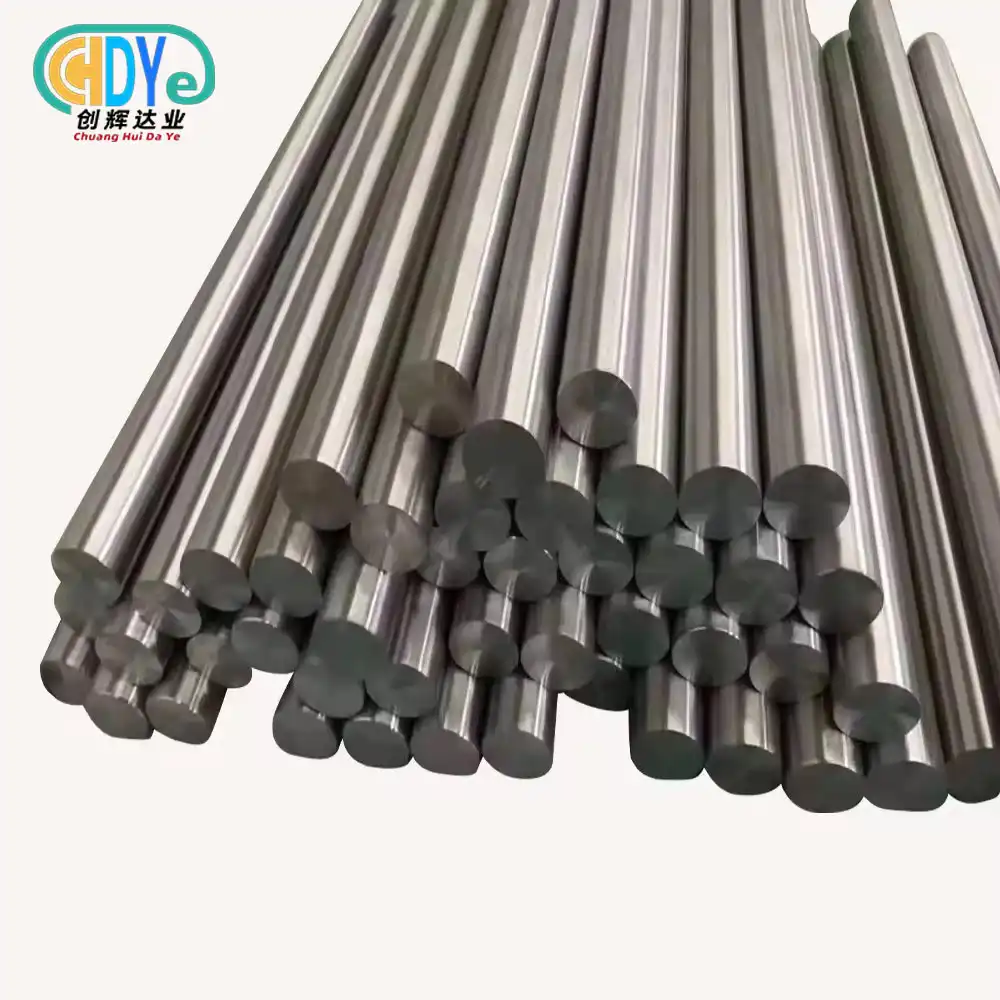
Sourcing premium pure tantalum bar at factory-direct pricing requires partnering with manufacturers who combine technical expertise, certified quality control, and transparent supply chains. Manufacturers like Shaanxi Chuanghui Daye Metal Material Co., Ltd., located in Baoji—China's "Titanium Capital"—offer direct access to high-purity tantalum bars (≥99.95%) manufactured according to ASTM B365 standards. Factory-direct purchasing eliminates distributor markups, reduces lead times, and provides customization options, enabling procurement professionals to secure cost-effective, traceable materials for critical applications in aerospace, chemical processing, electronics, and medical device manufacturing.
Understanding Pure Tantalum Bar: Key Properties and Industrial Benefits
When buying tantalum for industrial uses, sourcing teams can make smart choices when they know about its basic features. Because of how its atoms are arranged and how its oxide layers form, tantalum has special properties that make it work better than anything else in harsh conditions.
What Defines High-Purity Tantalum Material?
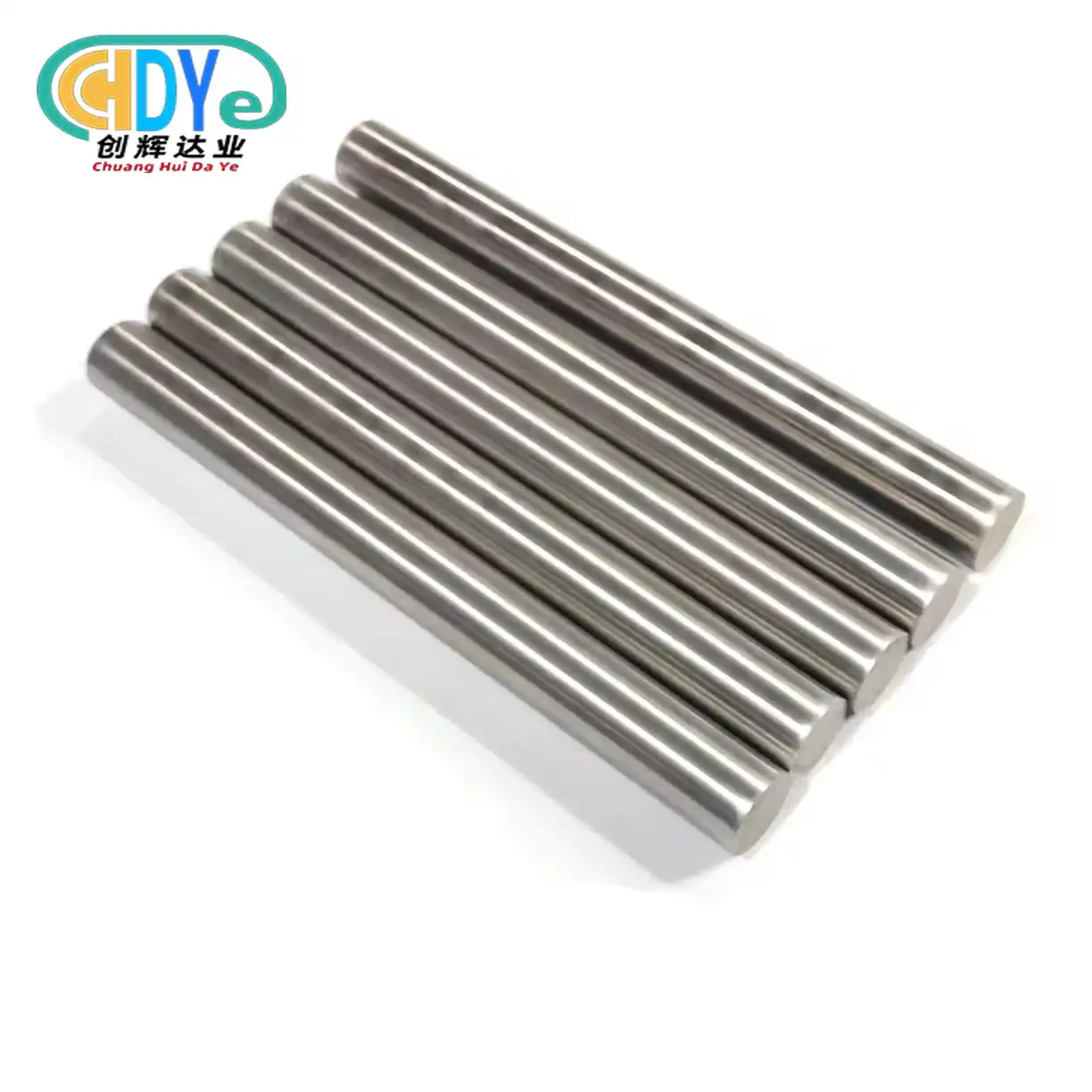
A pure tantalum bar is a cylinder-shaped semi-finished product made from extremely pure tantalum metal, which is typically between 99.95% and 99.99% pure. Under UNS R05200 (vacuum arc melted or electron-beam melted) or UNS R05400 (powder metallurgy sintered), this metal is put. This refractory metal solves two big problems in the business world: it stops rusting in hot acidic places (especially boiling hydrochloric, sulphuric, and nitric acids) and it makes high-density building materials for prostheses that are biocompatible. A very stable dielectric oxide layer (Ta₂O₅) forms naturally on the material to protect itself and help process tools last longer when regular superalloys break.
Core Physical and Chemical Properties
With a melting point of 2,996°C (5,425°F), tantalum is one of the elements that can melt at the highest temperature. Tantalum is stable in air at room temperature, but it turns into Ta₂O₅ more quickly above 500°C. This property needs to be in a vacuum or an atmosphere of inert gases in order to be used at high temperatures. Good things about this metal are that it has low vapour pressure, works well when cold, and is chemically stable against liquid metal rust. The oxide film on the surface of tantalum is very important for making capacitors because it has a high dielectric constant.
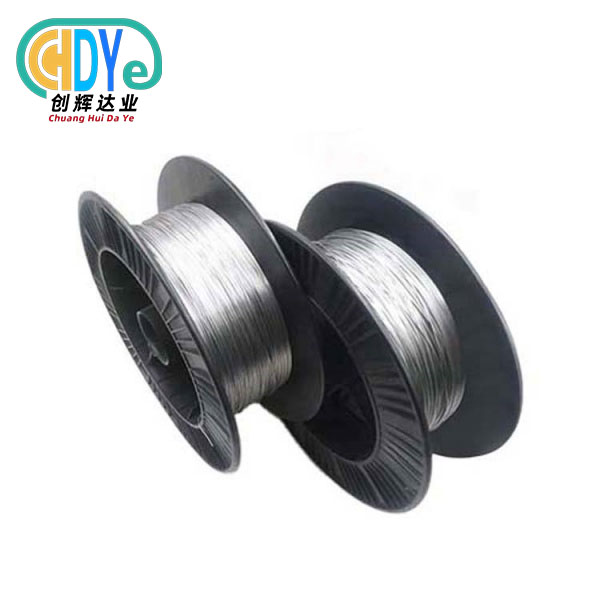
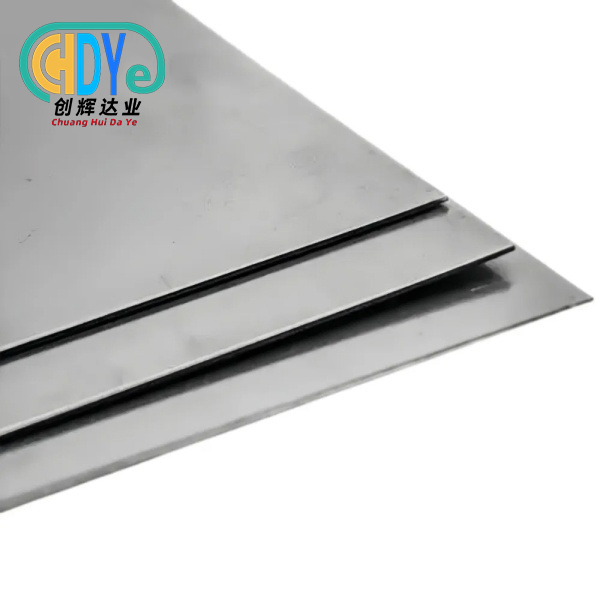
Because the material is so bendable, it can be made into plates, rods, lines, round bars, and square bars. Modern processing methods make sure that the material has a fine-grained structure and a consistent make-up. This is important for making sure that it stays mechanically stable when it is stressed. Tantalum is stable for structures because it has a density of 16.6 g/cm³, and medical implants can touch tissue directly because it is biocompatible.
Industrial Application Advantages
There are many ways that tantalum can be helpful because it has a unique mix of qualities. Because it has a high dielectric constant, the material is used as an electrode for electronic capacitors. Engine parts and gas turbines made by aircraft companies need to be stable at high temperatures and not rust. Tantalum is used to make these parts. Strong acids and bases should not be used in reactors, heat exchangers, or pipe systems unless they are made of tantalum. A lot of places that work with poisons use it. Tantalum is used in hospital tools and prosthetic joints because it doesn't react with living things and doesn't show up on X-rays.
In metallurgy and steel production, the ability of the material to keep liquid metals from rusting is very important. The fact that it can stay stable in a vacuum makes it useful in atomic energy systems and superconducting technology. Tantalum is also used to make cemented carbides and for electronics in cars because it works reliably in harsh conditions.
Comparison Guide: Pure Tantalum Bar vs Alternatives for Optimal Procurement
You should think about how well it works, how much it costs, and what the application needs in order to pick the right refractory metal. When people who buy things know how pure tantalum bar compares to other materials, they can better match the needs of technology with the money they have.
Pure Tantalum vs Tantalum Alloys
R05200 is made by melting tantalum with an electron beam or a vacuum spark. Chemical gear that needs to be very resistant to rust works well with it. R05400 is usually made with smaller grains when powder metallurgy (sintering) is used to make it. This makes it better for deep drawing or complicated cutting. The way a material is made changes how it works mechanically and how easy it is to machine. The chemical properties stay the same.
When you add things like tungsten or hafnium to tantalum alloys, they change in ways that are good, like getting stronger at high temperatures. In acidic environments, pure tantalum doesn't rust as easily as alloys do, but alloys give up some chemical inertness in exchange for better mechanical properties. For chemical processing and medical devices, pure grades are generally what you need. For aeroplane parts, alloyed grades may be better.
Tantalum vs Niobium: Performance and Cost
Niobium is an alternative that costs less. It melts at 2,468°C, which is about 500°C less than tantalum. Tantalum is better at dealing with hot, strong acids than niobium is at stopping rust. Niobium is not as dense as tantalum (8.57 g/cm³ vs. 16.6 g/cm³), so it is not as good for building things that need weight. Because tantalum is a better insulator, the higher price is worth it when making capacitors. Tantalum is very stable and needs to be used in equipment for chemical processing that works with harsh materials. Niobium, on the other hand, is cheaper and can be used in places that aren't as acidic.
Tantalum vs Tungsten: Application Considerations
The melting point of tungsten is 3,422°C, which makes it better at fighting heat than tantalum. However, at room temperature, it is very fragile. Tungsten isn't very useful because it's hard to work with and breaks down quickly in acidic environments. Tantalum is bendable, so it can be cold-worked and formed in ways that tungsten would not allow. Tantalum is well-balanced, which makes it perfect for things like chemical reactor parts that need to be stable at high temperatures and resistant to rust. Because of its unique properties, tungsten is preferred for electrical contacts and radiation shielding.
How to Source Premium Pure Tantalum Bars at Factory Prices: Procurement Insights
Checking the quality of the goods, evaluating the suppliers, and making plans for how to move the goods are all important parts of good buying strategies. To get prices from the plant, you need to know how to make things, what certifications are needed, and how to make the supply chain work best.
Essential Supplier Selection Criteria
Companies that have ISO 9001:2015 Quality Management System Certification show that they care about quality all the way through the production process. A rare metal expert with more than 30 years of experience started the Shaanxi Chuanghui Daye Metal Material Co., Ltd. This is a good example of the technical base that is needed to make tantalum output stable. Modern facilities for melting, forging, rolling, and machining—which include annealing furnaces, electron beam furnaces, lathes, and rolling machines, among other things—ensure precise control of sizes and the integrity of the material.
It's important to look at a supplier's inspection procedures for raw materials, how they melt and forge metal, how well they can make parts, and their final inspection papers when judging them. The aerospace, medical, and electronics industries all have standards that manufacturers must meet. Manufacturers must be open about everything, from certificates for raw materials to records of tests for finished goods. For specialised uses, manufacturing flexibility is important, as shown by OEM relationships and the ability to make sizes, purities, and configurations that are just right for the customer.
Quality Verification and Certification Requirements
Purity certification, grain structure analysis, and proof of internal integrity are the main things that people look for when they buy pure tantalum bars. GDMS (Glow Discharge Mass Spectrometry) is used to check the chemical make-up and make sure the quality meets 3N5 (99.95%) or 4N (99.99%) standards. Interstitial gases are limited—as long as the oxygen level stays below 150 ppm, the material doesn't get weak. When AWS or AMS standards are followed for ultrasonic testing, holes, cracks, or gaps can be found inside materials that have been sintered or burnt that could break when pressure is put on them.
As per ASTM E8, mechanical testing checks the tensile strength and flexibility, which are important for making things. The microstructure study proves the grain size, which is usually ASTM 4 or smaller. This is important for machinability because large grains make shaping difficult, and we don't want that to happen. For precise cutting jobs, laser measuring is used to make sure the sizes are within the ranges of h7, h8, or h9. When a supplier sends you full test results with every package, you have the proof you need for quality control and legal compliance programs.
Logistical Considerations for Global B2B Transactions
You can expect to wait two to four weeks for standard pure tantalum bars, but it can take up to eight weeks for custom bars, depending on how complicated they are. It is easier to keep track of your inventory when you know the minimum order quantities (MOQs) for both standard sizes and custom measurements. When you ship something, you should think about the right packing to keep surfaces from getting scratched and special boxes for sending expensive items.
You don't have to pay an agent when you buy from the plant. This cuts costs by 15 to 30 percent while keeping quality the same. You can save money and make sure you always have what your business needs when you buy in bulk. When you have something made to order, you can pick the exact sizes, levels of clarity, and surface finish. This speeds up the process and lowers the cost of doing extra work.
Why Choose Factory-Direct Pure Tantalum Bars from Shaanxi Chuanghui Daye Metal Material Co., Ltd.?
If you work with well-known manufacturers, you can get expert help, quality methods that have been tested, and helpful customer service. The location, manufacturing skills, and customer-focused service of Shaanxi Chuanghui Daye Metal Material Co., Ltd. make it possible for them to provide reliable pure tantalum bar options.
Manufacturing Excellence and Quality Assurance
The company is in the Baoji High-tech Development Zone in Shaanxi Province, which is also known as China's "Titanium Capital." The area has good transport and a thriving business community. Every part of the production process, from picking the raw materials to the final check, is based on more than 30 years of experience in the rare metals business. Following strict rules, the ISO 9001:2015 quality management system makes sure that the raw materials are checked, the metal is melted and forged, it is machined and shaped, and finally, it is packed.
Today's tools for making things let you fine-tune the qualities of materials and the sizes of their tolerances. It is possible to melt very pure materials in electron beam furnaces, and structures with tiny grains that have the best mechanical qualities are made by controlled rolling. There are many ways to check that each production lot meets the standards before it is shipped. Some of these are chemical analysis, ultrasound testing, and mechanical testing.
Factory-Direct Pricing Advantages
Getting rid of networks of distributors saves money that is then passed on to customers in the form of lower prices. When you buy from the plant, you skip the middleman and get to talk to the people who make the goods. This makes it easy to quickly fix bugs and answer complex questions. For long-term needs, buying in bulk can save you more money, while buying less can help you study and come up with new ideas.
It is easy to see how much something really costs to make, as long as there are no secret fees or extra charges. By helping people make better choices, technical consulting services can help them pick the best materials and specs for the job. This could lower the overall cost of the project. Help with solving problems and tips on how to get the most out of a product are both parts of after-sales support. This keeps customers' investments safe over the life of a product.
Global Logistics and Technical Support
With knowledge of all parts of logistics, shipping to foreign places is always on time and can be changed as needed. It's easier to buy things from other countries when you have export teams with a lot of experience taking care of the paperwork, shipping plans, and customs rules. Shipping choices range from fast options to those with normal lead times to meet both types of needs. Standard rules for packaging make sure that things don't get damaged while they're being shipped.
After the transaction is over, the technical support doesn't end. They also tell you how to work with tools, weld, and make things. An engineer can help you choose the right types of materials and specs for the job, which saves money and makes the work better. Sample orders let you try out materials before you buy a lot of them. This lowers the risk of buying things and helps programs that check the quality of what people are buying.
Conclusion
To get pure tantalum bars of good quality at factory prices, you need to be very picky about your sources, make sure you can trust them, and plan for your purchases. Tantalum is unique in that it doesn't rust, has a high melting point, and doesn't hurt living things. It is used in medicine, electronics, aircraft, and chemical processing. With direct ties to makers, you can skip the markups that middlemen add to the price. You can also get technical help, make changes to products, and use quality systems that have been approved. As an example of how to build long-lasting relationships, Shaanxi Chuanghui Daye Metal Material Co., Ltd. makes sure its prices are clear, and they respond quickly to customer needs. The business offers trustworthy tantalum solutions that meet the strictest industrial standards by keeping a close eye on quality, providing low factory-direct prices, and having a lot of experience shipping goods around the world.
FAQ
Q: What certifications guarantee pure tantalum bar quality and traceability?
A: If you get ISO 9001:2015 approval, it means that you plan to keep quality high throughout the whole production process. Reports on the chemical make-up using GDMS, mechanical tests according to ASTM E8, and a check of the sizes should all be on the material certificates. Following ASTM B365 ensures that the material meets standards that are known around the world. Paperwork that connects approvals for raw materials to production lots and then to produced goods makes it possible for industries like aerospace, medicine, and semiconductors to follow the rules. Ultrasonic testing certificates that meet AWS or AMS standards show that the material is solid on the inside, and grain size analysis shows that the microstructure meets the requirements.
Q: How does tantalum's melting point influence industrial applications?
A: Because its melting point is 2,996°C, tantalum can be used in vacuums at high temperatures where other materials can't. It is safe to be around at room temperature, but it needs to be in a neutral atmosphere above 500°C to keep from oxidising. Tantalum is great for furnace parts, evaporation boats, and other tools that use heat because of this. Tantalum stays stable in corrosive conditions, even at high temperatures. This makes it useful for working with chemicals. It stays strong at high temperatures, which makes it useful for making parts for aeroplanes.
Q: Can you provide custom sizes and purity grades?
A: Some companies, like Shaanxi Chuanghui Daye, can make custom tantalum bars in different shapes, sizes, and lengths. These shapes include round bars, square bars, and more. It can be as pure as 99.95% or as pure as 99.99%, and it can meet special needs for some uses. You can change the accuracy grades, surface finishes, and how the metal is heated to suit your needs. Custom manufacturing helps a lot of different types of fields make samples, do research projects, and meet their unique output needs.
Partner with Chuanghui Daye for Premium Pure Tantalum Bar Solutions
From Shaanxi Chuanghui Daye Metal Material Co., Ltd., you can get high-purity tantalum bars right away. It is approved by ISO 9001:2015 and meets ASTM B365 guidelines for making these bars. There are no markups for wholesalers because we sell straight from the factory. It saves you money and doesn't hurt the quality of the goods or make them harder to find. We are in Baoji, which is a well-known place where rare metals are made. We can meet all of your needs, from standard sizes to unique shapes and purities, thanks to our more than 30 years of experience in the field and our cutting-edge production facilities. Our expert team can help you with everything, from picking out the materials to delivering them, whether you need them for a few prototypes or a big production run. Please email us at info@chdymetal.com right away to talk about your tantalum bar needs, find out more, or place a sample order. If you need a supplier of pure tantalum bars, we can help you with quick quotes, flexible minimum order quantities, and shipping options around the world that work with your project's schedule.
References
1. Davis, J.R. (2000). Alloying: Understanding the Basics. ASM International, Materials Park, Ohio.
2. Gupta, C.K. (1992). Extractive Metallurgy of Niobium and Tantalum. CRC Press, Boca Raton, Florida.
3. Hampel, C.A. (1963). Rare Metals Handbook, Second Edition. Reinhold Publishing Corporation, New York.
4. ASTM International (2021). ASTM B365-20: Standard Specification for Tantalum and Tantalum Alloy Rod and Wire. West Conshohocken, Pennsylvania.
5. Miller, G.L. (1959). Tantalum and Niobium. Butterworths Scientific Publications, London, United Kingdom.
6. Sims, C.T. & Hagel, W.C. (1972). The Superalloys: Vital High-Temperature Gas Turbine Materials for Aerospace and Industrial Power. John Wiley & Sons, New York.
Learn about our latest products and discounts through SMS or email