- English
- French
- German
- Portuguese
- Spanish
- Russian
- Japanese
- Korean
- Arabic
- Greek
- German
- Turkish
- Italian
- Danish
- Romanian
- Indonesian
- Czech
- Afrikaans
- Swedish
- Polish
- Basque
- Catalan
- Esperanto
- Hindi
- Lao
- Albanian
- Amharic
- Armenian
- Azerbaijani
- Belarusian
- Bengali
- Bosnian
- Bulgarian
- Cebuano
- Chichewa
- Corsican
- Croatian
- Dutch
- Estonian
- Filipino
- Finnish
- Frisian
- Galician
- Georgian
- Gujarati
- Haitian
- Hausa
- Hawaiian
- Hebrew
- Hmong
- Hungarian
- Icelandic
- Igbo
- Javanese
- Kannada
- Kazakh
- Khmer
- Kurdish
- Kyrgyz
- Latin
- Latvian
- Lithuanian
- Luxembou..
- Macedonian
- Malagasy
- Malay
- Malayalam
- Maltese
- Maori
- Marathi
- Mongolian
- Burmese
- Nepali
- Norwegian
- Pashto
- Persian
- Punjabi
- Serbian
- Sesotho
- Sinhala
- Slovak
- Slovenian
- Somali
- Samoan
- Scots Gaelic
- Shona
- Sindhi
- Sundanese
- Swahili
- Tajik
- Tamil
- Telugu
- Thai
- Ukrainian
- Urdu
- Uzbek
- Vietnamese
- Welsh
- Xhosa
- Yiddish
- Yoruba
- Zulu
Why Are Tantalum Rods Used in Implant Technology?
When it comes to medical implants, you need materials that tantalum rods can last for decades and withstand the complex biological environment of the human body. Tantalum rods have become one of the most effective ways to deal with this problem. When it comes to biocompatibility, corrosion protection, and mechanical strength, these high-purity metal parts are hard for other materials to match. The unique mix of these properties makes tantalum an important material for current orthopaedic, cardiovascular, and dental implant uses. When people need long-term implantable devices, the natural oxide film that forms on tantalum surfaces makes a stable interface with human flesh. This lowers the risk of rejection and makes sure that the implant works well for a long time.
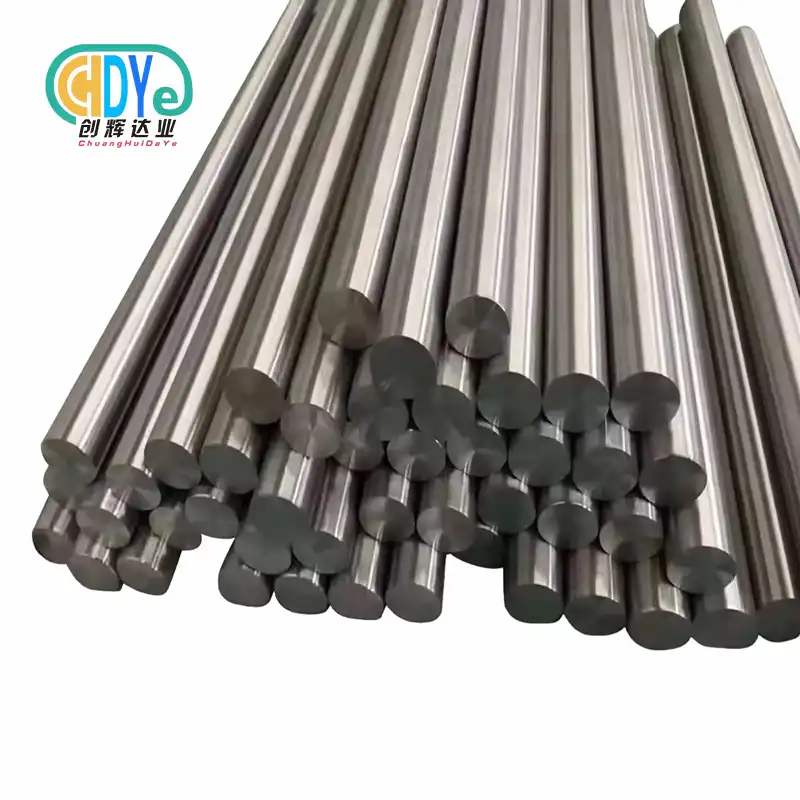
Understanding Tantalum Rods and Their Unique Properties
Composition and Manufacturing Excellence
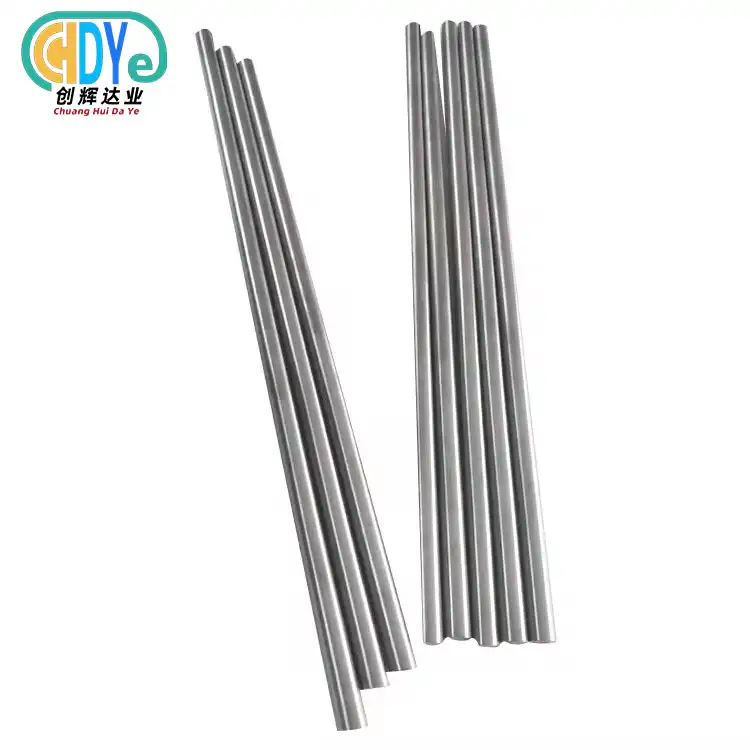
Tantalum metal bars made for medical uses usually have purity levels higher than 99.95%, which means they have very few impurities that could make them less biocompatible. The first step in the production process is vacuum arc melting or electron beam melting, which gets rid of any impurities and makes the material uniform. At Chuanghui Daye, our factory in Baoji's "Titanium Capital" uses modern electron beam furnaces and controlled annealing methods to make rods with diameters from 2 to 100 mm. This exact manufacturing makes sure that each rod has the same density of 16.65 g/cm³, which has a direct effect on the material's ability to be seen by X-rays and its ability to work mechanically in medical settings.
Exceptional Physical Characteristics
Tantalum has unique physical qualities that set it apart from other implant materials because of the way its atoms are arranged. With a melting point of 2,996°C, the material stays the same size even when sterilised at high temperatures, which is necessary in medical settings. Because it is naturally flexible, companies that make medical devices can machine complicated shapes without creating tiny cracks or stress points. This ability to be machined is especially useful when making unique implant parts that fit the anatomy of a specific patient. It has been noticed by our engineering team that unannealed tantalum rods are easier to thread and machine precisely than fully annealed alternatives. This gives manufacturers more options when making parts.
The Role of Tantalum Rods in Implant Technology
Comparative Advantages Over Traditional Materials
Procurement experts often look at titanium, niobium, tantalum rods and stainless steel, along with tantalum, when they compare different materials for implants. Titanium alloys are used in most implants because they have a good strength-to-weight ratio. However, tantalum is better at resisting corrosion in harsh biological settings. When exposed to body fluids that contain high levels of reactive species that usually speed up corrosion in other metals, the material doesn't break down very much. Niobium is chemically similar to tantalum, but it is not as radiopaque, which is something doctors like to use for imaging after surgery and making sure implants are in the right place. Even though stainless steel is cheap, it gives off nickel ions that can cause hypersensitive reactions in people who are vulnerable. This is not a problem at all with high-purity tantalum.
Orthopedic Applications and Bone Integration
When long-term fixation is important, orthopaedic surgeons use tantalum-based implants in hip and knee reconstruction treatments. When made as trabecular metal, the material's unique porous structure lets bone grow through interconnected holes that look like the structure of real bone. Solid tantalum rods are used to make acetabular cups, femoral components, and replacement implants that are used after the first surgery failed. When bone stock is weak, the high density works great as an anchor, spreading mechanical loads more evenly than lower-density options. Tantalum implants stay in place better with less bone loss over 15 years of clinical follow-up data compared to fixed or press-fit titanium designs.
Procurement Insights for Tantalum Rods in Implant Manufacturing
Selecting Appropriate Grades and Specifications
When looking for raw materials to make implants, medical device makers have to deal with different types of tantalum. Our standard grade tantalum rods are more than 99.95% pure and meet most general implant needs where biocompatibility and resistance to rust are very important. Powder metallurgy grades that have been processed through carefully controlled sintering parameters may be needed for speciality uses that need better ductility or certain grain structures. Choosing the right diameter affects the next steps in the machining process. For example, bigger cross-sections are better for making hip stem parts, while smaller diameters are better for making dental implants. We offer custom diameter tolerances of within ±0.05 mm so that as little material as possible is wasted during precise turning operations. Specifications for the surface finish are also important. For example, medical-grade implants usually need Ra values below 0.8 εm to help the body's tissues respond properly and stop germs from sticking to them.
Certification and Regulatory Compliance
When you buy tantalum rods from suppliers that are ISO 9001:2015 certified, like Chuanghui Daye, you can be sure that they will be made according to strict quality control standards. Our quality paperwork includes certificates of chemical makeup that have been checked using spectroscopy, test results for mechanical properties, and a full record of all the way back to the original melt batch. This paper trail is very important during the FDA submission and CE marking processes that are needed to get a medical gadget approved for sale. We keep careful records of the temperature cycles of our annealing furnace, the vacuum levels during melting, and the results of our dimensional inspections. These are all important things that regulatory bodies look at when they visit our facilities. Medical device makers are looking for providers that can give them material safety data sheets, summaries of biocompatibility tests, and certificates that their products meet the requirements of ASTM B365, which sets the standards for tantalum rods.
Ensuring Reliability: Quality and Compliance in Tantalum Rod Supply
Supplier Reputation and Partnership Value
Building relationships with experienced tantalum rods suppliers gives you benefits over other competitors that go beyond price. Chuanghui Daye was started by a man who has worked in the rare metals business for more than 30 years and brings a lot of scientific knowledge to its partnerships with customers. Our engineering team helps people who make medical devices choose the right materials by giving them information about how different grades of tantalum work with certain machining processes or sterilisation methods. Customers can avoid expensive design changes with this consultative method, which also speeds up the time it takes for new implant products to reach the market. We keep clear lines of contact about the availability of raw materials, which can change depending on where most of the world's tantalum mining operations are located. Our customers can make smart choices about inventory buffering and other sourcing strategies thanks to proactive supply chain insight.
Traceability and Quality Documentation
In the medical manufacturing industry, full material traceability meets both legal needs and risk management goals. When we ship a tantalum rod from our factory, it comes with paperwork that connects it to a specific production batch, a source of raw materials, and the results of quality control tests. Using laser cutting, we mark each rod with a unique identification code that stays on after it is machined and cleaned. This tracking goes all the way up to the companies that supply us with tantalum ore and products. This makes sure that we only buy from ethical companies and get minerals that aren't conflict-free certified. When implant companies have to deal with customer complaints or post-market surveillance investigations, thorough traceability makes it easy to find the affected material lots quickly and take targeted corrective actions. Our quality management system uses statistical process control to find trending deviations before they lead to products that don't meet specifications. This keeps the performance features consistent from lot to lot.
Future Trends and Innovations in Tantalum Rods for Implant Technology
Advanced Surface Modifications
Emerging research explores surface treatment technologies that enhance tantalum's already impressive biological performance. Plasma spray coating techniques deposit calcium phosphate layers onto tantalum substrates, combining the metal's mechanical strength with bone-mimetic surface chemistry that accelerates osseointegration. Anodization processes create controlled nanotopographies on tantalum surfaces, featuring nanopillar or nanopit structures that modulate cellular adhesion and differentiation. These surface modifications represent active areas of collaboration between material suppliers, academic researchers, and medical device manufacturers seeking competitive differentiation. Early clinical data suggest that surface-modified tantalum implants achieve stable fixation in shorter timeframes compared to unmodified controls, potentially allowing patients to resume weight-bearing activities sooner after surgery. We actively monitor these developments to provide customers with access to emerging processing tantalum rods capabilities as they transition from research protocols to commercial viability.
Integration with Smart Implant Technologies
The medical device industry increasingly incorporates electronic components and sensor systems into implant designs, creating new material requirements and interface challenges. Tantalum's excellent electrical conductivity and electromagnetic compatibility make it suitable for integration with biosensors monitoring pH, temperature, or mechanical strain within the implant microenvironment. Researchers have demonstrated prototype implants incorporating tantalum electrodes for electrical stimulation therapies that promote bone healing or neural regeneration. These multifunctional devices require material suppliers who understand both metallurgical properties and electronic packaging considerations—expertise that we cultivate through partnerships with electronics manufacturers and semiconductor companies that utilise tantalum in complementary applications. The convergence of implantable medical technology and digital health monitoring creates expanding opportunities for specialised tantalum components designed specifically for bioelectronic applications.
Sustainability and Ethical Sourcing
Growing attention to supply chain sustainability influences procurement decisions across the medical device sector. Tantalum mining operations face scrutiny regarding environmental impact and labour practices, driving demand for responsibly sourced materials with credible certification. We prioritise relationships with ore suppliers participating in conflict-free mineral initiatives and environmental remediation programs. Recycling technologies that reclaim tantalum from end-of-life electronic components offer supplementary material sources with reduced ecological footprint compared to primary mining. The inherent value of tantalum creates strong economic incentives for recycling programs, which can supply high-purity feedstock suitable for reprocessing into medical-grade rod products. Customers increasingly request documentation verifying sustainable sourcing practices as part of their corporate social responsibility reporting obligations. Our commitment to transparent supply chain practices positions Chuanghui Daye as a preferred partner for companies prioritising ethical procurement alongside technical performance requirements.
Conclusion
Tantalum rods have established themselves as indispensable materials in implant technology through a unique combination of biocompatibility, corrosion resistance, and mechanical reliability. The material's naturally forming oxide layer creates stable interfaces with biological tissues, while its exceptional density provides radiopacity valued by surgical teams. As medical device innovation advances toward smart implants and personalised medicine, tantalum's versatile properties continue supporting breakthrough applications across orthopedic, cardiovascular, and dental specialties. Procurement strategies emphasising supplier certification, material traceability, and technical partnership deliver advantages beyond transactional cost considerations, ensuring consistent quality and regulatory compliance throughout product lifecycles.
FAQ
1. What purity levels are required for medical-grade tantalum rods?
Medical implant applications demand tantalum purity exceeding 99.95% to ensure biocompatibility and minimise adverse tissue reactions. Higher purity grades (99.99% or greater) may be specified for critical cardiovascular or neurological implants where even trace contaminants could compromise patient safety. Our manufacturing process incorporates multiple purification steps, including electron beam refining, to achieve these stringent purity requirements consistently.
2. How does tantalum compare to titanium for implant applications?
Both materials offer excellent biocompatibility, but tantalum provides superior corrosion resistance in aggressive biological environments and greater radiopacity for imaging visibility. Titanium alloys deliver better strength-to-weight ratios, making them preferable for load-bearing orthopedic implants where minimising mass is advantageous. Material selection depends on specific application requirements, including mechanical loads, anatomical location, and imaging needs.
3. What certifications should I verify when sourcing tantalum rod suppliers?
Priority certifications include ISO 9001:2015 for quality management systems and compliance with ASTM B365 standards governing tantalum rod specifications. Medical device manufacturers should also verify that suppliers maintain traceability documentation, chemical composition certificates, and conflict-free mineral sourcing practices. Regulatory submissions often require material safety data sheets and biocompatibility test summaries from accredited laboratories.
Partner with a Trusted Tantalum Rod Manufacturer
At Shaanxi Chuanghui Daye, we combine three decades of rare metal expertise with ISO 9001:2015 certified manufacturing processes to deliver medical-grade tantalum rods that meet the most demanding implant specifications. Our facility in Baoji's advanced materials hub provides direct access to China's premier rare metal supply chain, enabling competitive pricing without compromising quality or traceability. We offer custom diameters from 2 to 100 mm, high-purity grades exceeding 99.95%, and flexible order quantities supporting both prototype development and tantalum rods production volumes. Our engineering team provides technical consultation throughout your product development cycle, from material selection guidance to machining recommendations. Contact our specialist team at info@chdymetal.com to discuss your tantalum rod requirements and discover how our reliable supply partnership can accelerate your medical device innovation. As an experienced tantalum rods supplier, we understand the critical importance of consistent quality and responsive service in supporting your manufacturing success.
References
1. Black J. "Biological Performance of Tantalum." Clinical Materials, Volume 16, Issue 3, 1994, pages 167-173.
2. Levine BR, Sporer S, Poggie RA, Della Valle CJ, Jacobs JJ. "Experimental and Clinical Performance of Porous Tantalum in Orthopedic Surgery." Biomaterials, Volume 27, Issue 27, 2006, pages 4671-4681.
3. Balla VK, Bodhak S, Bose S, Bandyopadhyay A. "Porous Tantalum Structures for Bone Implants: Fabrication, Mechanical and In Vitro Biological Properties." Acta Biomaterialia, Volume 6, Issue 8, 2010, pages 3349-3359.
4. Findlay DM, Welldon K, Atkins GJ, Howie DW, Zannettino AC, Bobyn D. "The Proliferation and Phenotypic Expression of Human Osteoblasts on Tantalum Metal." Biomaterials, Volume 25, Issue 12, 2004, pages 2215-2227.
5. Kato H, Nakamura T, Nishiguchi S, Matsusue Y, Kobayashi M, Miyazaki T, Kim HM, Kokubo T. "Bonding of Alkali and Heat Treated Tantalum Implants to Bone." Journal of Biomedical Materials Research, Volume 53, Issue 1, 2000, pages 28-35.
6. Matsuno H, Yokoyama A, Watari F, Uo M, Kawasaki T. "Biocompatibility and Osteogenesis of Refractory Metal Implants, Titanium, Hafnium, Niobium, Tantalum and Rhenium." Biomaterials, Volume 22, Issue 11, 2001, pages 1253-1262.

Learn about our latest products and discounts through SMS or email