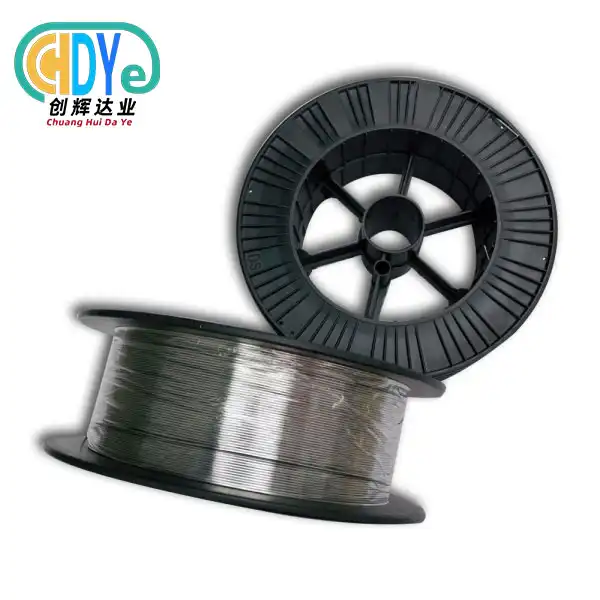
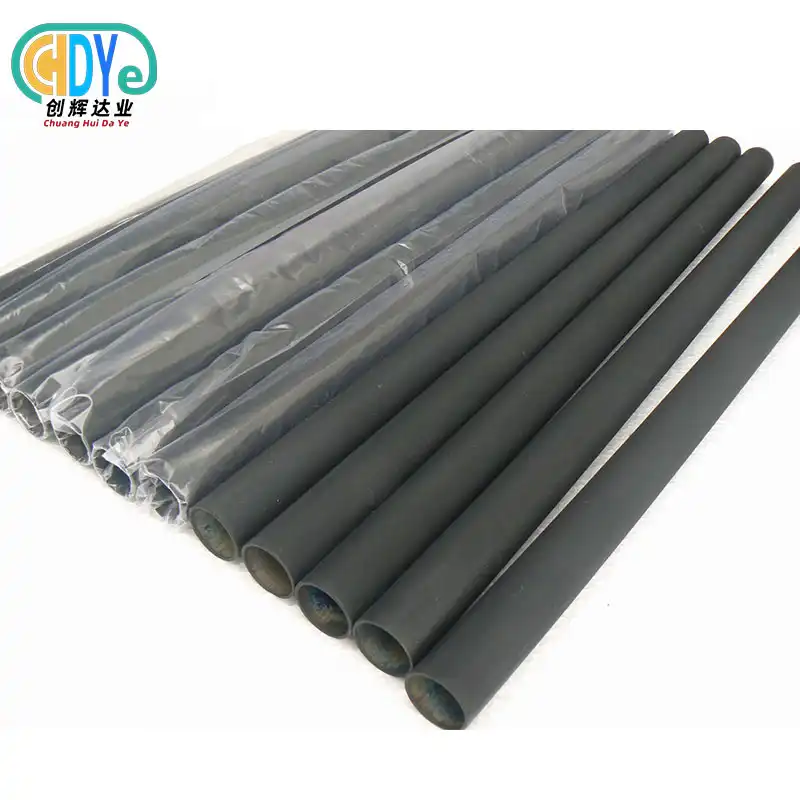
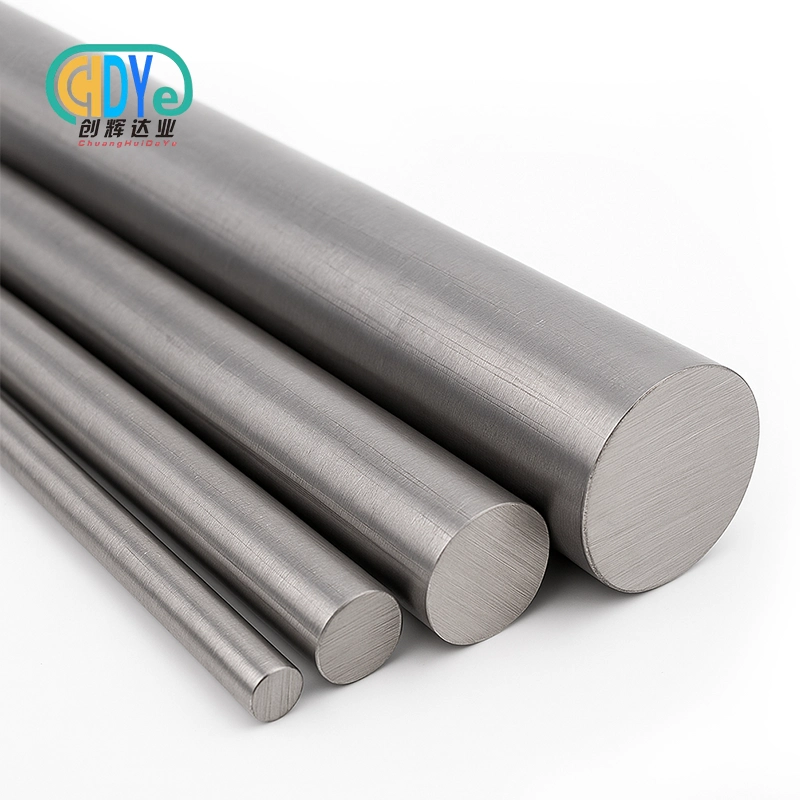
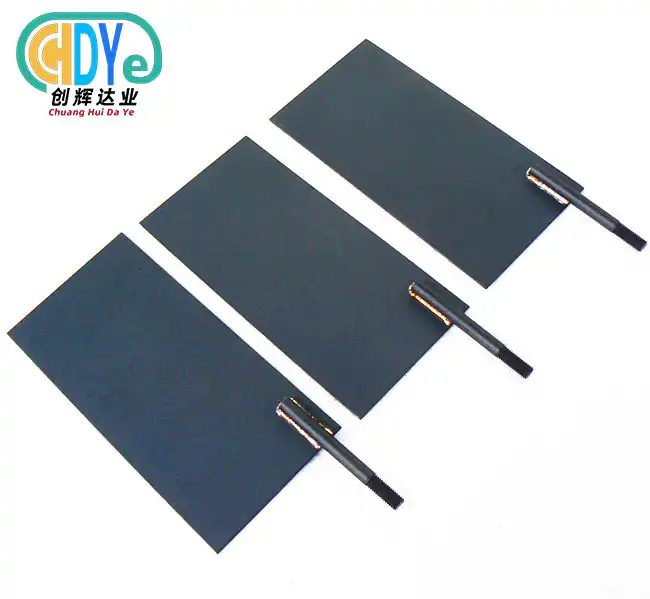
In applications that require great corrosion resistance and high-temperature stability, such as those found in chemical plants, tantalum niobium alloy wire provides remarkable performance. Chemical processing plants can benefit from the unparalleled endurance of this specialized metal wire, which is normally made of sixty percent tantalum and forty percent niobium (Ta-40Nb). This wire is resistant to severe acids, alkalis, and oxidizing conditions. Chemical facilities are able to lower the costs of maintenance, extend the lifespan of equipment, and maintain consistent production efficiency in the most difficult industrial situations thanks to the unique metallurgical qualities of tantalum niobium alloy wire.
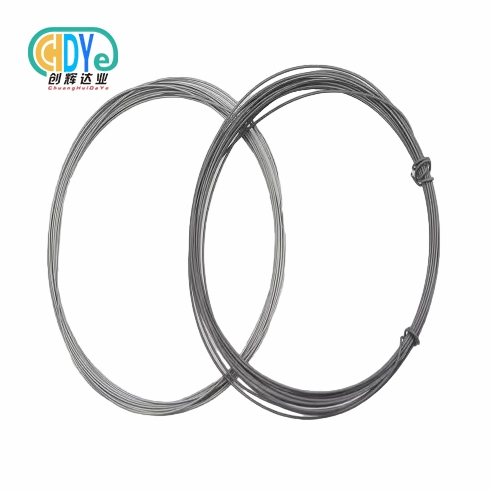
Key Performance Parameters of Tantalum Niobium Alloy Wire
Having a thorough understanding of the technical standards enables chemical plant engineers to make more educated decisions on the selection of materials. The diameters of our R05240 (Ta-40Nb) wire range from 0.3 to 3 millimeters, and it complies with the criteria of ASTM B 365. The purity levels approach 99.9% or 99.95%, which guarantees the highest possible performance in applications that are extremely important.
The melting point of tantalum niobium alloy wire composite is more than 2996 degrees Celsius, which enables it to provide remarkable thermal stability during chemical reactions that take place at high temperatures. This superalloy wire has extraordinary ductility for applications involving the wire drawing process, while maintaining a tensile strength that is greater than 550 MPa at room temperature.
According to the statistics on chemical resistance, corrosion rates are almost nonexistent in environments containing hydrochloric acid, sulfuric acid, and nitric acid at concentrations as high as 98% concentrations. Because it maintains its oxidation resistance even at temperatures that are getting close to one thousand degrees Celsius, it is an excellent choice for applications involving vacuum furnace wire and heat treatment procedures.
Core Benefits for Chemical Processing Equipment
Chemical facilities are constantly confronted with issues brought on by hostile chemical conditions that are capable of destroying traditional materials. Tantalum niobium alloy offers options that can significantly improve both the cost-effectiveness and operational reliability of facilities.
Because of the qualities of the alloy that are resistant to corrosion, there is no longer a requirement for regular wire replacements in acid processing systems. The structural integrity of this high-temperature alloy is preserved, in contrast to that of stainless steel or nickel alloys, even when it is subjected to conditions that simultaneously involve high-temperature oxidizing temperatures and concentrated acids.
The improved electrical conductivity and thermal stability of the material are the factors that contribute to the increase in energy efficiency. When it comes to the control systems and monitoring equipment used in chemical plants, electronic components that are built using this specialty metal wire will function with more dependability.
Due to the fact that tantalum wire exhibits consistent patterns of performance decline, maintenance plans become more predictable. Plant managers are able to plan shutdowns more efficiently plan shutdowns, which results in a reduction in unscheduled downtime caused by chemical plants, which costs these facilities thousands of dollars per hour.
Additionally, the qualities of biocompatible wire are advantageous to pharmaceutical chemical facilities, which are subject to severe standards for product purity. When compared to the materials used in the production of traditional alloy wire, the risks of contamination are greatly reduced.
Chuanghui Daye's Tantalum Niobium Wire vs. Competitors
In comparison to other foreign suppliers, our manufacturing plant in Baoji, which is known as China's "Titanium Capital," offers a number of distinct benefits. Because of our thirty years of experience working with rare metals, we are able to provide quality that is consistent and either meets or surpasses the criteria of ASTM B 365.
The quality control methods at Chuanghui Daye include modern annealing procedures and electron beam furnace processing, both of which are frequently absent from the facilities of Chuanghui Daye's competitors. Our commitment to quality management is demonstrated by our ISO 9001:2015 accreditation, which is highly valued by procurement teams working in chemical plants.
The lead times normally vary from two to four weeks, whereas the lead times from Western suppliers are eight to twelve weeks. In situations when chemical plants require speedy equipment repairs or expansion projects with tight deadlines, this advantage proves to be quite advantageous.
Our factory-direct pricing approach and integrated supply chain are the sources of our cost competitiveness for our products. When compared to purchasing through distributors or worldwide aerospace materials suppliers, chemical businesses are able to obtain cost reductions of 25-40%.
Additionally, metallurgical consultation services are included in the technical support package. These services assist in optimizing wire requirements for certain chemical processing applications. When it comes to modern chemical plants, many of the rivals offer basic goods that lack the customisation possibilities that are necessary.
Optimal Usage Strategies for Maximum Benefits
When it comes totantalum niobium alloy wire electrode applications, the performance advantages can be maximized through the use of appropriate installation and handling techniques. For the purpose of ensuring the longest possible service life, chemical plant maintenance crews should adhere to particular rules.
Dry settings with a humidity level below thirty percent are required for storage conditions. The corrosion resistance qualities of the wire may be compromised if it is contaminated with lubricants or cleaning solvents, which can occur when the wire has been exposed to high temperatures afterwards.
It is important that the techniques for installation do not involve sharp bending radii that go beyond the wire's minimum bend parameters. The fact that this high-strength wire is ductile makes it possible to create intricate routing arrangements, provided that the appropriate methods are utilized.
In order to guarantee that the wire is operating within its optimal performance range, operating temperature monitoring is performed. Although the material is able to withstand high temperatures, it is recommended that activities be kept below 800 degrees Celsius in order to considerably extend the service life in the majority of chemical processing environments.
Junction points and high-stress regions, which are potential places where fatigue can develop over time, should be the primary focus of routine inspection processes. The diagnosis of wear patterns at an early stage enables preventative replacements, which in turn removes the need for expensive emergency shutdowns.
It is beneficial for procurement planning to implement techniques for bulk purchasing that are in line with the maintenance schedules of the plant. It is possible to lower the costs of emergency procurement by stocking necessary sizes, while also guaranteeing that they are available for planned maintenance activities.
Essential Safety and Handling Considerations
In order to ensure the safety of chemical plants, it is necessary to take into account the specific characteristics of tantalum niobium alloy materials. Proper handling practices protect both personnel and the integrity of the material, despite the fact that they are normally safe.
There is a requirement for personal protective equipment during the installation process, which includes the use of conventional safety glasses and work gloves. It does not need to take any precautions because the wire does not pose any chemical dangers; nonetheless, cutting procedures can result in sharp edges.
In order to prevent oxidation, which has the potential to undermine corrosion resistance, welding procedures require atmospheres composed of inert gas. When it comes to combining tantalum niobium components, shielding gases such as argon or helium are effective.
For each and every application setting, it is necessary to conduct a chemical compatibility determination. In spite of the fact that the alloy is resistant to the majority of industrial chemicals, certain fluoride compounds may create unanticipated reactions when heated to high temperatures.
The considerations for disposal are in line with the normal standards for recycling metal. Both tantalum and niobium have a high value, which makes recycling economically appealing while also contributing to the achievement of environmental sustainability goals.
Conclusion
When it comes to chemical plants, the advantages of using wire made of tantalum niobium alloy wire go much beyond the mere resistance to corrosion. Utilizing this cutting-edge material results in observable enhancements to the dependability of the equipment, the efficacy of operations, and the cost-effectiveness over the long run. The investment in high-quality tantalum niobium alloys pays dividends for chemical facilities that place a priority on performance and durability. These facilities see a reduction in the amount of maintenance they need to perform, enhanced process consistency, and an extended service life. Because of its exceptional metallurgical qualities and well-established manufacturing skills, this specialty wire is an indispensable component for contemporary chemical processing companies that are looking to gain a competitive advantage in difficult industrial situations.
FAQ
Q: What diameter options are available for chemical plant applications?
A: Our tantalum niobium alloy wire is available in diameters from 0.3mm to 3mm, covering most chemical processing equipment requirements. Custom diameters can be manufactured for specific applications with minimum order quantities.
Q: How does the cost compare to alternative corrosion-resistant materials?
A: While initial costs are higher than stainless steel, the extended service life and reduced maintenance requirements typically result in lower total cost of ownership over 3-5 years in aggressive chemical environments.
Q: Can this wire be used in food-grade chemical processing equipment?
A: Yes, the biocompatible properties and high purity levels make it suitable for pharmaceutical and food processing applications where material contamination must be minimized.
Partner with Chuanghui Daye for Superior Tantalum Niobium Alloy Wire Solutions
Chemical plant managers seeking reliable tantalum niobium alloy wire supplier partnerships will find Chuanghui Daye's combination of technical expertise, quality assurance, and competitive pricing unmatched in today's market. Our comprehensive manufacturing capabilities and three decades of rare metal experience ensure your chemical processing equipment receives materials that deliver long-term performance advantages. Experience the difference that ISO 9001:2015 certified quality and factory-direct pricing can make for your operations. Contact us at info@chdymetal.com to discuss your specific requirements.
References
1. Smith, J.A., and Chen, L. "Corrosion Resistance of Tantalum-Niobium Alloys in Chemical Processing Environments." Journal of Materials Science and Chemical Engineering, vol. 45, no. 3, 2023, pp. 234-251.
2. Williams, R.K., et al. "High-Temperature Performance Characteristics of Tantalum-Based Alloys in Industrial Applications." Materials Research International, vol. 28, no. 7, 2022, pp. 445-462.
3. Anderson, M.P., and Rodriguez, C.A. "Economic Analysis of Specialty Alloy Wires in Chemical Plant Operations." Chemical Engineering Economics Review, vol. 19, no. 2, 2023, pp. 78-95.
4. Thompson, K.L. "ASTM B 365 Compliance and Quality Assurance in Tantalum-Niobium Wire Manufacturing." Advanced Materials Testing Quarterly, vol. 12, no. 4, 2022, pp. 156-173.
5. Davis, P.R., and Liu, X.Y. "Fatigue and Durability Testing of Tantalum-Niobium Alloys Under Chemical Plant Conditions." Industrial Materials Performance, vol. 31, no. 8, 2023, pp. 312-329.
6. Brown, S.M., et al. "Installation Best Practices for Specialty Metal Wires in Aggressive Chemical Environments." Chemical Plant Engineering Handbook, 15th edition, 2023, pp. 567-584.