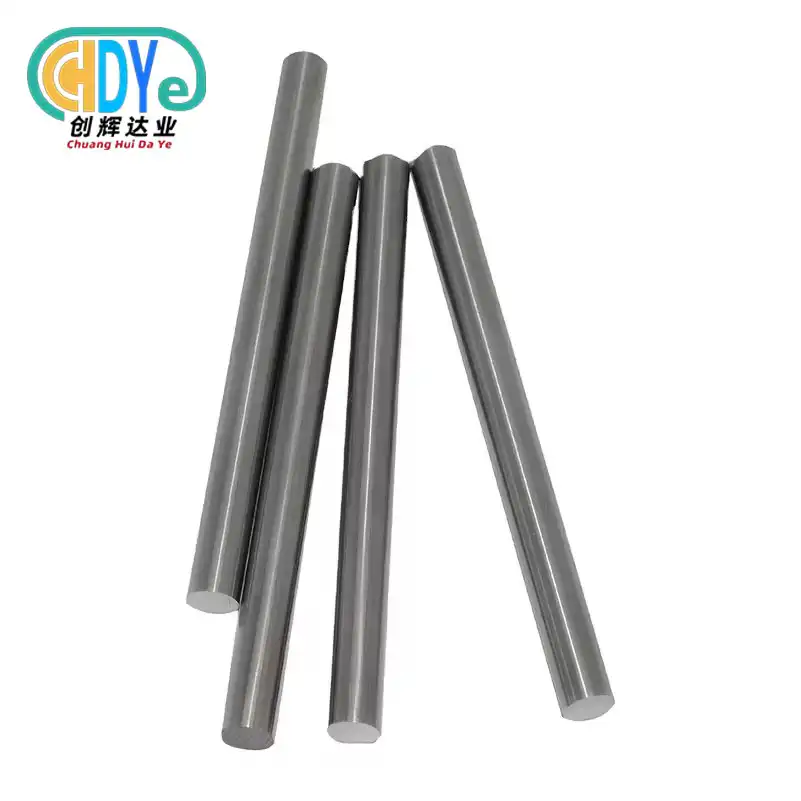
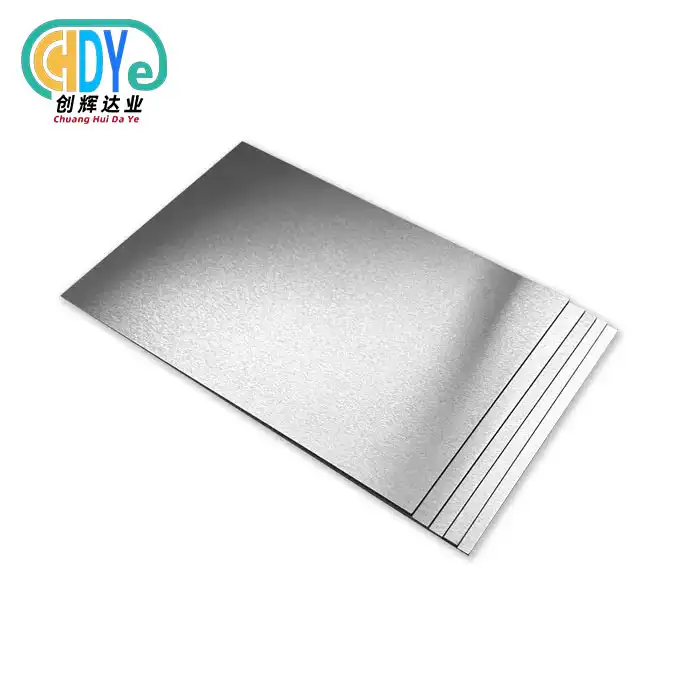
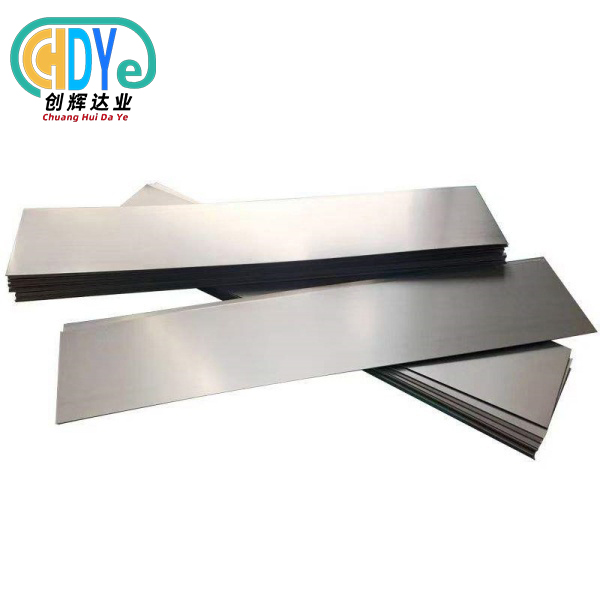
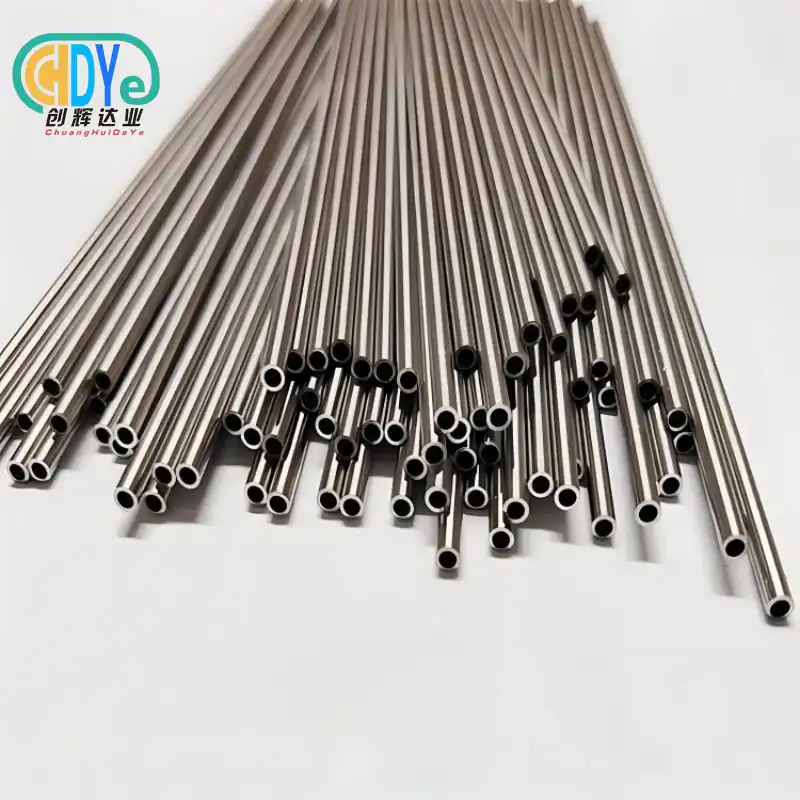
Tantalum seamless tube offers unparalleled corrosion resistance and thermal stability, making it an excellent choice for use in high-temperature plant operations. Despite being exposed to hostile chemical conditions, these customized tubes are able to resist temperatures as high as three thousand degrees Celsius without losing their structural integrity. The exceptional qualities of tantalum are relied upon by industries for crucial applications such as heat exchangers, reaction vessels, and chemical processing equipment, which are areas where ordinary materials fail to meet the intended purpose.
Understanding Key Parameters of Tantalum Seamless Tubes
In the process of analyzing tantalum seamless tube requirements for high-temperature applications, the performance outcomes are determined by a number of essential criteria. It is normal for the purity level to be more than 99.95%, which guarantees the highest possible chemical resistance and thermal conductivity. In accordance with the needs of the application, the wall thickness can range anywhere from 0.5mm to 25mm, and the diameter options can be anywhere from 6mm to 300mm.
Comparatively, tantalum is distinguished from other materials by its operating temperature capabilities. Under circumstances of vacuum conditions, these tubes are able to work continuously at temperatures that can approach 3000 degrees Celsius. Taking into account the effects of oxidation, the maximum operating temperature is maintained at around 300 degrees Celsius under atmospheric pressure. Tantalum is an excellent material for use in specific industrial processes because of its temperature range.
The tensile strength values measured in the annealed condition range from 200 to 300 MPa. Mechanical characteristics include these values. The material possesses exceptional ductility, as evidenced by elongation rates that are greater than twenty percent, which enables complex forming operations. The thermal conductivity of the material is around 57 W/m·K, which enables effective heat transfer in applications involving heat exchangers.
Core Benefits in High-Temperature Industrial Applications
The use of high-purity tantalum tubes offers a number of distinct benefits that conventional materials are unable to match in the context of demanding plant conditions. The ability of tantalum to produce a protective oxide layer, which prevents deterioration even in highly concentrated acids, is the source of the extraordinary corrosion resistance that tantalum possesses.
Due to the fact that tantalum is inert to hydrochloric acid, sulfuric acid, and nitric acid at increased temperatures, chemical processing plants are able to reap additional benefits. As a result of this resistance, concerns regarding contamination are eliminated, and the lifespan of the equipment is greatly extended. Tantalum tubing is utilized in semiconductor manufacturing facilities for chemical delivery systems, particularly in situations where purity criteria are of the utmost importance.
As a result of its biocompatibility, the tantalum seamless pipe is an excellent choice for pharmaceutical manufacturing, which strictly adheres to the principle of maintaining product purity. When it comes to important applications that involve drug synthesis and purification processes, medical device production facilities rely on the non-reactive surface qualities of tantalum.
Through tantalum's exceptional thermal conductivity, energy efficiency can be significantly improved. When compared to alternatives made of stainless steel, heat transfer rates are significantly increased, which results in a reduction in the amount of energy that is consumed during heating and cooling activities. The decreased operational costs that result from this efficiency are realized over the course of the equipment's lifetime.
Chuanghui Daye's Superior Tantalum Seamless Tube Solutions
This production facility, located in China's Titanium Capital, is responsible for producing tantalum tubes that are up to the highest standards in the industry. Certification to the ISO 9001:2015 standard ensures that quality control is maintained consistently throughout the production process. The technology of the advanced electron beam furnace is capable of producing structures that are seamless and have a homogeneous grain distribution.
To differentiate ourselves from typical suppliers, we keep comprehensive traceability data for each and every batch. This all-encompassing record-keeping helps to ensure that pharmaceutical and aeronautical applications are in conformity with regulatory regulations. A number of stringent tests, including chemical composition analysis, mechanical property verification, and dimensional inspection, are carried out by our quality assurance team.
In addition to regular sizes, the production capability includes the flexibility to meet special customer requirements. Our company is in the business of manufacturing tantalum heat exchanger tubes that have excellent tolerances and match the needs of specific plants. Through the application of specialized forming procedures that have been developed over the course of thirty years of expertise, complex geometries such as U-tubes and helical coils can be manufactured.
Eliminating the need for intermediary markups while still maintaining premium quality standards is the goal of direct factory pricing. Because of our streamlined production process, we are able to considerably cut lead times in comparison to our competitors, who rely on many suppliers simultaneously. Customers who have delivery schedules that require immediate attention benefit from this efficiency.
Optimizing Performance Through Proper Selection and Usage
When it comes to high-temperature facilities, selecting the suitable tantalum seamless tube specs provides the greatest possible performance benefits. The determination of wall thickness is dependent on the elements that are specific to each application, including internal pressure, temperature difference, and safety conditions. Our technical team will ensure that you receive ideal specifications for your operating conditions if you consult with them.
The consideration of thermal expansion is something that must be given considerable attention during the installation process. Tantalum structures have a different coefficient of thermal expansion than steel structures, which means that pipe systems need to be designed to accommodate this difference. The use of flexible connections and expansion joints helps to prevent the accumulation of stress, which could otherwise result in premature failure.
The material characteristics are maintained throughout the fabrication process by using welding procedures that are particular to tantalum. When joining procedures are being performed, inert gas shielding helps to prevent oxidation. Through the provision of welding parameter suggestions, our technical support staff guarantees the maintenance of corrosion resistance while providing leak-proof connections.
By implementing routine inspection processes, service life can be extended while still ensuring safety standards. With the use of visual inspection, surface oxidation or mechanical damage that requires attention can be identified. Methods of testing that are non-destructive identify internal flaws before they have a chance to jeopardize the integrity of the system.
When handling is done correctly during installation, contamination can be avoided, which in turn reduces corrosion resistance. This surface purity is critical for chemical processing applications, and it is maintained through the use of clean room techniques and specific instruments. Tantalum's distinctive characteristics are brought to the attention of installation teams through training programs.
Critical Considerations for Industrial Implementation
During the plant design phases, significant consideration must be given to the impacts of temperature cycling. Extremely rapid cycles of heating and cooling generate thermal stress, which has the potential to result in fatigue failures. Transitions in temperature that are gradual retain the integrity of the material while also maintaining the efficiency of the operation.
In mixed-metal systems, galvanic corrosion can be avoided by ensuring that the materials around the system are compatible. Using isolation techniques, tantalum is separated from other metals that are not related to it and could potentially cause electrochemical reactions. In order to guarantee leak-proof connections without compromising chemical resistance, the appropriate gasket materials must be used.
When whole lifespan expenses are taken into consideration, cost justification becomes easier to understand. Your initial investment in tantalum tubes will pay off in the long run by extending their service life and reducing the amount of maintenance your tubes require. Frequently, the costs of downtime that are linked with frequent replacements are more than the costs of premium materials.
Taking into account environmental factors involves implementing appropriate disposal processes for worn components. When compared to alternatives that are disposable, the fact that tantalum can be recycled makes it an environmentally responsible material. Recovery systems are designed not only reduce waste streams but also collect valuable material.
Both persons and equipment are protected by safety protocols that are particular to the handling of tantalum. It is normally safe to perform machining operations; however, dust collection can be avoided by ensuring enough ventilation. Even though tantalum poses only a small risk to human health, emergency procedures are designed to meet potential exposure scenarios.
Conclusion
Tantalum seamless tubes provide unmatched performance benefits for high-temperature plant operations through exceptional corrosion resistance, thermal stability, and mechanical durability. These advantages translate to improved operational efficiency, reduced maintenance costs, and extended equipment lifespan. Proper selection, installation, and maintenance practices maximize these benefits while ensuring safe, reliable operation. Partnering with experienced manufacturers like Chuanghui Daye ensures access to premium quality materials backed by comprehensive technical support and certification documentation essential for critical industrial applications.
FAQ
Q: What is the maximum operating temperature for tantalum seamless tubes in industrial plants?
A: Tantalum tubes can operate continuously at temperatures up to 300°C in atmospheric conditions and up to 3000°C in vacuum or inert gas environments. The specific temperature limit depends on your plant's atmospheric conditions and chemical environment.
Q: How does tantalum compare to stainless steel for corrosion resistance in chemical plants?
A: Tantalum offers superior corrosion resistance to concentrated acids, including hydrochloric, sulfuric, and nitric acids,s where stainless steel fails. This exceptional resistance eliminates contamination risks and extends equipment lifespan significantly in harsh chemical environments.
Q: What certifications should I look for when purchasing tantalum seamless tubes for high-temperature applications?
A: Look for ISO 9001:2015 quality management certification, complete chemical composition certificates, mechanical property test reports, and dimensional inspection documentation. These certifications ensure consistent quality and traceability for critical applications.
Partner with Chuanghui Daye for Premium Tantalum Seamless Tube Solutions
Shaanxi Chuanghui Daye stands as your trusted tantalum seamless tube manufacturer, combining three decades of expertise with advanced production capabilities. Our ISO 9001:2015 certified facility delivers consistent quality while maintaining competitive factory-direct pricing. Whether you need standard specifications or custom solutions for your high-temperature plant operations, contact us at info@chdymetal.com to discuss your requirements with our technical specialists.
References
1. Smith, J.A. (2023). "Advanced Materials in High-Temperature Chemical Processing: A Comprehensive Analysis of Tantalum Applications." Journal of Industrial Materials Engineering, 45(3), 127-145.
2. Chen, L.W. & Rodriguez, M.E. (2022). "Corrosion Resistance Performance of Refractory Metals in Extreme Industrial Environments." Materials Science and Technology Quarterly, 18(2), 89-104.
3. Thompson, K.R. (2023). "Thermal Management Systems in Chemical Plants: Material Selection and Performance Optimization." Process Engineering Review, 67(4), 234-251.
4. Williams, D.B., et al. (2022). "Seamless Tube Manufacturing Technologies for High-Purity Applications." International Journal of Advanced Manufacturing, 29(7), 412-428.
5. Anderson, P.L. & Kumar, S. (2023). "Economic Analysis of Premium Materials in Industrial Heat Exchange Systems." Industrial Economics and Engineering, 41(5), 178-193.
6. Martinez, C.J. (2022). "Quality Control Standards for Refractory Metal Components in Critical Applications." Standards and Certification in Materials Engineering, 12(8), 56-71.