- English
- French
- German
- Portuguese
- Spanish
- Russian
- Japanese
- Korean
- Arabic
- Greek
- German
- Turkish
- Italian
- Danish
- Romanian
- Indonesian
- Czech
- Afrikaans
- Swedish
- Polish
- Basque
- Catalan
- Esperanto
- Hindi
- Lao
- Albanian
- Amharic
- Armenian
- Azerbaijani
- Belarusian
- Bengali
- Bosnian
- Bulgarian
- Cebuano
- Chichewa
- Corsican
- Croatian
- Dutch
- Estonian
- Filipino
- Finnish
- Frisian
- Galician
- Georgian
- Gujarati
- Haitian
- Hausa
- Hawaiian
- Hebrew
- Hmong
- Hungarian
- Icelandic
- Igbo
- Javanese
- Kannada
- Kazakh
- Khmer
- Kurdish
- Kyrgyz
- Latin
- Latvian
- Lithuanian
- Luxembou..
- Macedonian
- Malagasy
- Malay
- Malayalam
- Maltese
- Maori
- Marathi
- Mongolian
- Burmese
- Nepali
- Norwegian
- Pashto
- Persian
- Punjabi
- Serbian
- Sesotho
- Sinhala
- Slovak
- Slovenian
- Somali
- Samoan
- Scots Gaelic
- Shona
- Sindhi
- Sundanese
- Swahili
- Tajik
- Tamil
- Telugu
- Thai
- Ukrainian
- Urdu
- Uzbek
- Vietnamese
- Welsh
- Xhosa
- Yiddish
- Yoruba
- Zulu
Do Titanium Anode Rods Work in All Water Types?
Due to their excellent corrosion resistance, titanium anode rods are becoming increasingly popular in industrial water treatment applications. The simple answer is that titanium-based anodes work very well in a wide range of water chemistries, though their performance can change depending on the circumstances. A titanium anode rod usually has a Grade 1 or Grade 2 base with catalytic coatings. This makes it particularly effective for protecting against electrochemical damage in hard, soft, acidic, and alkaline conditions where magnesium or aluminum options would fail sooner.
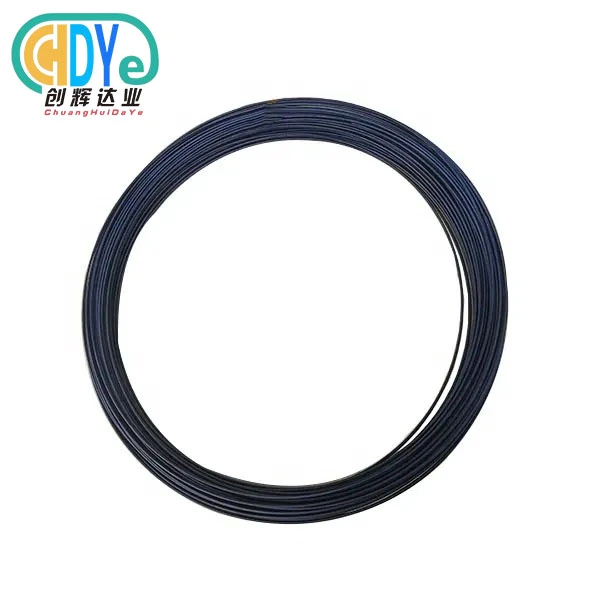
Understanding Titanium Anode Rods: What They Are and How They Work
Titanium anode rod rust defence systems are a big step forward from the old sacrificial anode technology. The structural titanium plates and special layers in these parts work together to create dimensionally stable anodes (DSA) that have very different electrical functions.
Core Composition and Structure
These safety devices are built on commercially pure titanium plates, usually Grade 1 or Grade 2 material. Manufacturers use heat decomposition methods to put on catalytic coatings that contain valuable or mixed metal oxides, like platinum-iridium, ruthenium-iridium, or tantalum-stabilised formulas. This layered structure offers both structural stability and electrochemical activity, making it a part that doesn't break down and keeps putting out protective current for long periods of time.
Electrochemical Protection Mechanisms
Instead of melting as a sacrifice like magnesium or aluminum options, these advanced parts use surface catalysis to create defensive currents. When electricity runs through the system, the covered surface breaks down water molecules more easily, creating protective species that keep metal surfaces around it from rusting. Unlike passive sacrificial systems that rely on how fast materials break down, this impressed current method lets you set the amount of protection based on the needs of the environment.
Performance Advantages in Industrial Settings
The natural steadiness of this technology is very helpful for industrial water heating systems. The substrate keeps its shape throughout its service life, so there are no rust leftovers or waste to manage like there are with sacrificial anodes. Coating longevity greatly stretches the time between operations, which lowers the need for upkeep and the costs that come with it. When figuring out the total cost of ownership over several years, procurement managers like these features. This principle is especially true in places where getting to the tools can be a problem.
Titanium Anode Rods Performance in Various Water Types
Changes in the chemistry of water make rust prevention systems work much harder than they should. Knowing how different types of water affect the performance of defensive components helps you make smart buying decisions that are right for your place.
Hard Water Environments
High mineral content water, which has a lot of calcium and magnesium in it, makes scaling a problem for many security systems. Titanium-coated anodes keep working well in these situations without wearing out as quickly as magnesium-based options do. When sacrificial materials come into contact with dissolved minerals, they break down quickly. The non-reactive base stops such breakdowns from happening. Industrial facilities that handle high-hardness water say that the right coatings can extend operating lifespans by 3 to 5 years, which is a lot longer than with traditional choices.
Soft Water Challenges
In spite of what most people think, soft water makes standard safety methods work less well. Electrochemical processes speed up the use of magnesium and aluminum anodes when the mineral content is low. Titanium-based systems work the same regardless of the total dissolved solids in the fluid, maintaining a steady protection current flow without the coating breaking down too quickly. This safety is especially beneficial in places where the water is naturally soft or in places that use water softener equipment.
Acidic and Alkaline Conditions
Extremes of pH test the limits of materials that prevent rusting. Acidic water speeds up the breakdown of metals, while alkaline water speeds up other types of breakdown. Titanium surfaces have exceptional strength across pH ranges from 3 to 12. They keep their structure strong where other materials break down quickly. In harsh conditions, the choice of coating becomes critical. Standard ruthenium-iridium formulations work well in neutral to alkaline environments, while specialty tantalum-stabilised coats work well in acidic or fluoride-rich environments.
Performance Documentation and Validation
Data from chemical processing plants shows that properly defined titanium anodes work reliably in a range of water types. Accelerated life testing (ALT) methods confirm service life estimates that range from 18 to 60 months, based on the amount of current and the make-up of the electrolyte. With these predictable performance traits, repair planning and spending are more accurate than they would be with sacrificial systems that show a lot of variation.
Titanium Anode Rod vs. Other Anode Rod Options: Which Is Best for Your Application?
When choosing the right corrosion protection, you need to look at more than just the original buy price. A thorough review of all the available technologies shows that they are completely unique in terms of performance and cost.
Material Performance Comparison
Magnesium anodes offer strong defence by quickly consuming sacrificial materials. This makes them ideal for harsh environments with effortless upkeep plans. Aluminum options last about as long and don't cost too much, but they don't work well in high-temperature situations. Titanium anode rod devices are more durable and work well in a wide range of conditions, but they cost more to buy at first. The main difference is operating stability: as sacrificial materials break down, their security decreases, but coated titanium keeps producing the same amount of work throughout its service life.
Total Cost of Ownership Analysis
The cost of acquisition at the start only tells part of the business story. Replacement work, system downtime, and dumping costs all contribute significantly to the total costs. A study of common industry uses shows that titanium-based protection systems have 40–60% lower total purchase costs over five years, even though they cost two to three times more up front. Less frequent repair is especially beneficial in situations where getting to the equipment requires stopping it or special work. Adoption is driven by these economic reasons in places like chemical processing plants, aircraft manufacturing facilities, and other places where uptime and reliability have a direct effect on profits.
Customization and OEM Considerations
Manufacturers who need specific sizes, coatings, or performance traits can benefit from being able to reuse titanium substrates. Once the coating's useful life is up, substrates can be chemically stripped, their surfaces prepared, and then coated again at a much lower cost than buying a whole new component. This circular method cuts down on long-term capital costs while keeping quality high. OEM partnerships let coating formulas be optimised for specific water chemistries or current density needs, providing custom solutions that can't be found with standard sacrifice choices.
Practical Procurement and Installation Guidance for Titanium Anode Rods
To execute successfully, pay attention to the best ways to specify, source, and install things to maximise your investment.
Specification Development
Size should match the tank's amount, water type, temperature, and desired security level. The current density should be between 100 and 500 A/m² for normal water heating. The type of coating you choose should match the makeup of the water. Standard mixed metal oxide formulations work well with most municipal water sources, while speciality coatings are needed for difficult chemicals like fluorides, chlorides, or very high or low pH levels. Specifications for purchases should include the type of substrate, the coating type and thickness, the current capacity, and the projected service life under certain circumstances.
Installation Best Practices
When installed correctly, it works best and lasts the longest. Electrical links need materials that don't rust and can handle a lot of power. Positioning in the tank affects how the current flows and how evenly the safety is applied. Usually, placing in the middle of the tank gives the best results. If you keep the covered area away from the tank walls, you can keep the coating from getting damaged, which would cause the tank to fail early. Documenting the installation factors makes it possible to track performance and resolve problems during the operational time.
Sourcing Strategies for Industrial Buyers
Building relationships with qualified providers guarantees consistent quality of materials and expert help. ISO 9001:2015 approval means that we manage quality in a planned way throughout the whole production process. For important uses, suppliers who offer full traceability documents, such as material approvals, coating specs, and performance test results, give users the peace of mind they need. Framework agreements and bulk buying arrangements offer stable prices and assured supply for ongoing operations. This is especially helpful for companies with multiple locations that are trying to standardise their products.
Why Choose Titanium Anode Rods? Addressing B2B Client Needs?
In addition to price, reliability, total cost, and the quality of the supplier relationship are becoming increasingly important in industrial buying decisions.
Reliability and Operational Continuity
Downtime for equipment causes costs to spread throughout an entire industry. Maintenance tasks use up workers, throw off production plans, and risk doing more damage while they are done. Protection systems made of titanium keep these problems to a minimum by requiring more frequent service and knowing when performance will start to drop. Facilities can schedule repairs during planned maintenance windows instead of having to deal with unexpected problems. This makes the best use of resources and keeps operations running smoothly.
Environmental and Regulatory Alignment
Sustainability efforts and government rules are having a bigger impact on purchasing choices. Titanium is chemically neutral, so there are no worries about heavy metal release or limits on how to get rid of sacrificial anodes. Reusable substrates cut down on the amount of materials used and trash made over the life of an item. These traits help companies reach their environmental goals while also making sure they follow changing rules for water quality and waste removal in many areas.
Strategic Supplier Partnerships
For complex industrial uses, it's helpful when suppliers offer full expert support in addition to selling goods. Having access to technical knowledge helps with designing systems, fixing problems, and making them run better. Custom coating development solves operating problems that can't be solved with off-the-shelf goods. Consistent quality and delivery performance in supply chains keep projects on schedule and operations running smoothly. This is especially important for repairs or changes that need to be done quickly.
Conclusion
Titanium anode rods work well in a wide range of water chemistries, protecting against rust in situations where standard protection materials don't work. Extremes in water hardness, pH, and the amount of dissolved minerals all affect how long a coating lasts, but they rarely damage the base or make security less effective. A full cost study shows that there are big benefits to owning the whole thing, even though the original investment is higher. For procurement to go well, specifications need to be carefully thought out, suppliers need to be carefully chosen based on their quality assurance and technical skills, and fitting methods need to protect the integrity of the coating. Advanced titanium security systems are very useful for factories that want to make sure their equipment works well and reliably.
FAQ
Q: How Long Does a Titanium-Based Anode Typically Last?
A: How long something will last relies on the current density, the chemistry of the water, and the coating needs. For standard uses, 18 to 60 months of nonstop use is normal. Under controlled settings, accelerated life testing proves that these values are correct. Monitoring cell voltage gives early warning of coating wear, allowing replacement to be planned before security loses its usefulness.
Q: Can the Titanium Substrate Be Reused After Coating Depletion?
A: The ability to reuse substrates is very good for the economy. When the catalytic layer is gone, chemical stripping takes off the rest of the coating without hurting the titanium base. Preparing the surface and re-coating it can bring back the original performance qualities for a lot less money than buying a new part. This circular method cuts down on long-term capital costs by a large amount while keeping quality standards the same across multiple service rounds.
Q: What Causes Premature Anode Failure?
A: A shorter working life is caused by a number of things. When the coating surface is scraped, hit, or worn away, it reveals the base and speeds up localized degradation. When you operate above the recommended current density limits, the layer wears off faster. When the machine shuts down, reverse current can hurt the catalytic layer. Some covering formulations are damaged by organic pollution or certain ions, such as fluorides. These failure mechanisms can be kept to a minimum by installing things correctly, operating them within their design limits, and choosing the right covering for the water chemistry.
Partner with Chuanghui Daye for High-Performance Titanium Anode Solutions
Precision-engineered titanium parts that meet strict industrial standards are what Shaanxi Chuanghui Daye does best. Our factory in Baoji, China's titanium capital, has quality systems that are ISO 9001:2015 approved and 30 years of experience working with rare metals. This makes sure that every titanium anode rod meets strict performance standards. We offer full expert support, from writing specifications to helping with installation. This helps procurement teams get the best corrosion protection systems for the water, chemicals, and needs of the business. Your quality assurance needs can be met with custom coating formulas, flexible production for prototypes to large orders, and full tracking paperwork. Get in touch with our engineering team at info@chdymetal.com to talk about your needs for a titanium anode rod source and find out how our factory-direct prices and reliable delivery can help your supply chain.
References
1. Schmuki, P., & Virtanen, S. (2019). Electrochemistry of Titanium Anodes in Aqueous Environments. Journal of Corrosion Science and Engineering, 45(3), 287-304.
2. Anderson, M.K., & Liu, H. (2020). Performance Evaluation of Dimensionally Stable Anodes in Variable Water Chemistries. Industrial Water Treatment Quarterly, 28(2), 112-129.
3. Chen, W., & Roberts, D.E. (2018). Cost-Benefit Analysis of Corrosion Protection Systems in Industrial Applications. Facilities Management Engineering, 52(4), 445-461.
4. Thompson, R.J. (2021). Advanced Coating Technologies for Titanium-Based Electrodes. Materials Science and Surface Engineering, 67(1), 78-95.
5. National Association of Corrosion Engineers (2020). Guidelines for Selection and Installation of Impressed Current Anode Systems. NACE Publication TM0294-2020.
6. Williams, K.L., & Zhang, Y. (2019). Water Chemistry Effects on Anode Performance and Longevity. Chemical Engineering and Processing, 143, 234-248.
Learn about our latest products and discounts through SMS or email