- English
- French
- German
- Portuguese
- Spanish
- Russian
- Japanese
- Korean
- Arabic
- Greek
- German
- Turkish
- Italian
- Danish
- Romanian
- Indonesian
- Czech
- Afrikaans
- Swedish
- Polish
- Basque
- Catalan
- Esperanto
- Hindi
- Lao
- Albanian
- Amharic
- Armenian
- Azerbaijani
- Belarusian
- Bengali
- Bosnian
- Bulgarian
- Cebuano
- Chichewa
- Corsican
- Croatian
- Dutch
- Estonian
- Filipino
- Finnish
- Frisian
- Galician
- Georgian
- Gujarati
- Haitian
- Hausa
- Hawaiian
- Hebrew
- Hmong
- Hungarian
- Icelandic
- Igbo
- Javanese
- Kannada
- Kazakh
- Khmer
- Kurdish
- Kyrgyz
- Latin
- Latvian
- Lithuanian
- Luxembou..
- Macedonian
- Malagasy
- Malay
- Malayalam
- Maltese
- Maori
- Marathi
- Mongolian
- Burmese
- Nepali
- Norwegian
- Pashto
- Persian
- Punjabi
- Serbian
- Sesotho
- Sinhala
- Slovak
- Slovenian
- Somali
- Samoan
- Scots Gaelic
- Shona
- Sindhi
- Sundanese
- Swahili
- Tajik
- Tamil
- Telugu
- Thai
- Ukrainian
- Urdu
- Uzbek
- Vietnamese
- Welsh
- Xhosa
- Yiddish
- Yoruba
- Zulu
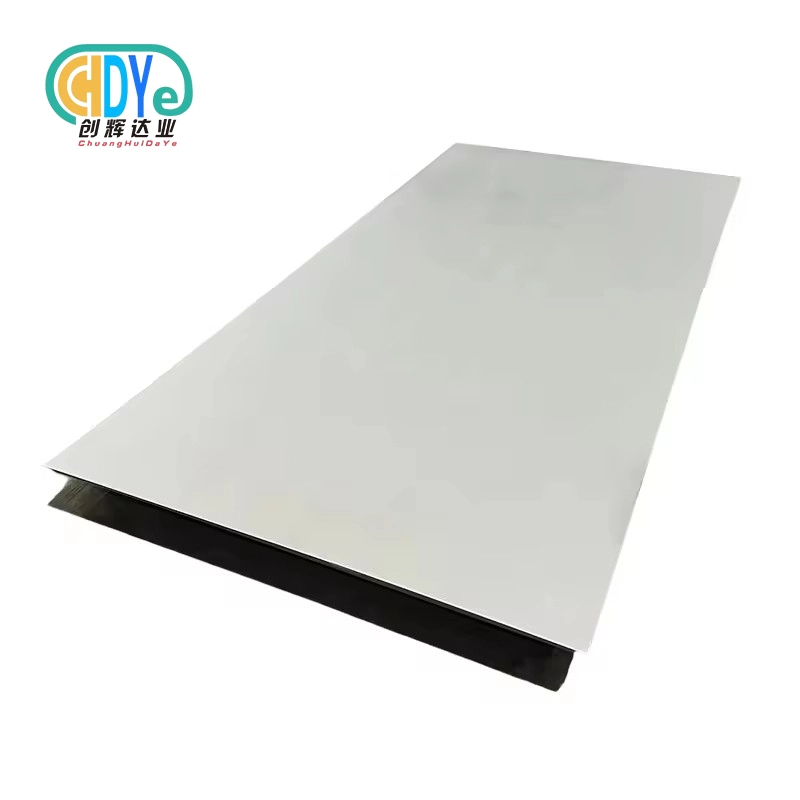
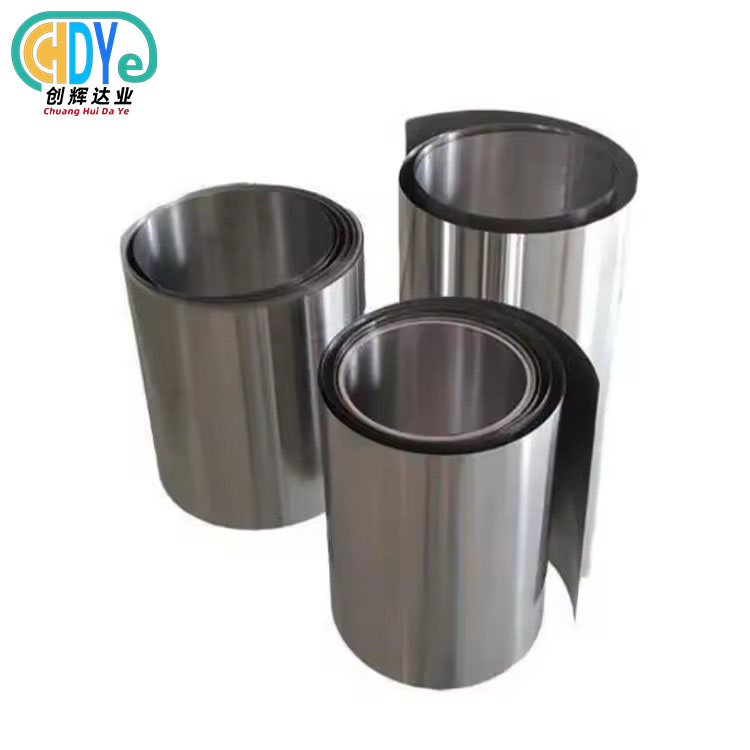
Gr2 Titanium Plate – Ideal for Marine Engineering Uses
Marine specialists select Gr2 Titanium Plate since it is way better at standing up to erosion and working well in cruel seawater conditions. This review of commercially unadulterated titanium is extraordinary for making ships, seaward stages, and coastal foundation since it is modestly solid and tough. Engineers and obtainment laborers around the world say that Gr2 titanium's resistance to biofouling, saltwater erosion, and unforgiving marine situations guarantees long-term basic keenness and lower support costs in troublesome maritime applications.
Understanding Gr2 Titanium Plate Specifications and Properties
Gr2 Titanium Plate is a commercially immaculate titanium review with great erosion resistance and mechanical qualities. This high-purity commercial titanium item performs well in chemical handling, oceanic building, and mechanical applications due to its direct quality and erosion resistance.
Chemical Composition and Purity Standards
The chemical cosmetics of Gr2 titanium guarantees amazing execution. With 99.2% titanium, this review has finely controlled press (0.25%), carbon (0.03%), oxygen (0.08%), and nitrogen (0.015%). This absolutely balanced blend offers the best erosion resistance and mechanical qualities for marine circumstances. Plates made to ASTM B265 and ISO 5832 measures have reliable mechanical qualities and uniform thickness.
Mechanical Properties and Performance Characteristics
Gr2 titanium plate weighs 4.51g/cm³, which is half as much as iron and 1.5 times as strong as steel. Its high strength-to-weight ratio makes it a good choice for marine boats that need to keep their weight down to save on fuel and operating costs. Because the material is flexible and easy to shape, it can be used in complex shipbuilding and marine construction processes.
Anticorrosion in Marine Environments
Gr2 titanium plate can maintain tall temperatures and weights without debasing from encompassing conditions or most fluid, corrosive, and antacid arrangements. Titanium plates stand up to water regia erosion. Its erosion resistance outperforms numerous oceanic materials, counting stainless steel grades, making it perfect for seawater applications where other metals fall flat rashly.
Comparing Gr2 Titanium Plate with Alternative Materials for Marine Use
Gr2 Titanium Plate outperforms traditional marine materials in oceanic settings. Marine engineering procurement experts can make better selections by understanding these comparisons.
Gr2 Titanium vs. Stainless Steel
When it comes to corrosion protection in saltwater, Gr2 titanium is several times better than stainless steel. Although 316L stainless steel can get pitting and crevice rust in saltwater, Gr2 titanium will always be strong. The advantage in weight is especially important in marine uses, where Gr2 titanium's lighter weight helps make the vessel more stable and saves fuel. Long-term cost analysis shows that even though the original investment was higher, the total ownership costs are lower for Gr2 titanium because it lasts longer and needs less maintenance.
Comparison with Gr5 Titanium Alloy
The main difference between Gr2 and Gr5 titanium is the amount of alloy it contains and the qualities that come from that. Gr5 titanium (Ti-6Al-4V) has a better tensile strength, but because it is made up of alloys, it is less resistant to corrosion. Because Gr2 is commercially pure, it is better at resisting corrosion from seawater, which makes it better for uses that come into direct contact with seawater. Marine engineers usually choose Gr2 for parts that need to be very resistant to rust, while Gr5 is used for structural parts that need to be stronger.
Aluminum and Other Marine Materials
Gr2 titanium works better in harsh marine settings than aluminum alloys, even though aluminum alloys are cheaper and don't rust. When aluminum is mixed with other metals, it can cause galvanic corrosion, which makes upkeep very hard in marine settings. Also, aluminum isn't as strong for its weight as Gr2 titanium, which means it can't be used in high-stress marine buildings.
Manufacturing and Heat Treatment of Gr2 Titanium Plate
Gr2 Titanium Plates are made using complex mechanical methods that make sure the quality is always the same and meets international standards. Modern manufacturing methods make sure that the material has the best qualities for use in tough marine environments.
Advanced Production Processes
The cutting edge melting, forging, and rolling tools used by Shaanxi Chuanghui Daye Metal Material Co., Ltd. are all used to make titanium materials. Before hot rolling and precision leveling, each plate is vacuum-melted to get rid of any flaws. This makes sure that each plate is the same thickness and perfectly flat. During the manufacturing process, both hot rolling and cold rolling are used, based on the needs of the application and the mechanical properties that are wanted.
Heat Treatment Optimization
Using heat treatment methods designed just for Gr2 plates makes them stronger and more resistant to rust. To get the best grain structure and stress release, the metal is slowly heated to certain temperatures, held at those temperatures for exact amounts of time, and cooled at controlled rates. This careful heat processing has a big effect on the tensile strength, ductility, and quality of the surface finish, making sure that the plates meet the strict requirements of marine engineering.
Quality Control and Standards Compliance
During the whole production process, strict quality control methods check the chemical makeup and mechanical properties. Our quality control system is ISO 9001:2015 certified and includes checking the raw materials, keeping an eye on the melting and forging, making sure the machines are working correctly, and following rules for the final inspection. Before being packed up and sent out, each plate goes through a full set of tests, which include checking its dimensions, mechanical properties, and surface quality.
Procurement Considerations for Global B2B Buyers
When global B2B customers are looking for Gr2 Titanium Plates, they should know about the key procurement factors that affect the success of the project and how much it costs. When making strategic sourcing choices, you need to carefully look at the technical specifications, the capabilities of the suppliers, and how the market is changing.
Customization and Specification Options
Modern titanium providers can make a lot of changes to meet the needs of marine engineers with a wide range of needs. Our processing power can handle large-format plates up to 2000 mm wide, so we can reliably offer fabrication projects on an industrial scale. Different thicknesses, dimensional tolerances, and surface finish requirements can be made to fit the needs of a particular application. This makes sure that the product works well in the marine environment it is meant for.
Market Dynamics and Pricing Considerations
Price changes in the titanium market are affected by the abundance of raw materials, the cost of production, and the way the global supply chain works. Procurement professionals can make smart buying choices and negotiate good long-term supply agreements when they understand these factors. Marine-grade titanium materials are steadily becoming more popular, thanks to more offshore development and the growth of naval infrastructure.
Supplier Selection Criteria
To find a trustworthy titanium provider, you need to look at their manufacturing skills, quality certifications, and track record. Some of the most important factors are ISO standard certifications, production capacity, technical support, and a history of on-time deliveries. Suppliers that have been around for a long time and have a lot of experience in the marine business can help with engineering and application advice at all stages of a project.
Practical Applications of Gr2 Titanium Plate in Marine Engineering
Gr2 Titanium Plates are utilized a part in maritime building since they are so great at standing up to erosion and biofouling from seawater. In the genuine world, usage appear that they work much way better than conventional materials.
Shipbuilding and Naval Architecture
When building ships, Gr2 titanium plates are exceptionally imperative for making the body, particularly for ships that will be utilized in destructive situations. Maritime designers utilize titanium for parts that will be in near contact with seawater, like the frame plating, the linings of counterweight tanks, and the parts of the drive framework. The biocompatibility of the fabric keeps marine life forms from staying to it, which cuts down on upkeep needs and keeps the vessel's execution.
Offshore Oil and Gas Platforms
Seaward stages pick up a part from Gr2 titanium's tall resistance to erosion and solid structure. Titanium plates are utilized by stage builders for critical basic parts, handle gear, and security frameworks that will be uncovered to harsh ocean conditions. Case thinks about from operations in the North Ocean appear that these structures final longer and require less upkeep than standard steel structures.
Desalination and Water Treatment Facilities
Warm exchangers, weight tanks, and pipe frameworks in coastal desalination plants depend on Gr2 titanium a parcel. The fabric is safe to push erosion breaking caused by chloride, so it can be utilized dependably in salty settings. Execution information from operational destinations appear that these materials final a part longer between repairs and fetched a parcel less to supplant than other materials.
Conclusion
It turns out that Gr2 Titanium Plate is the best material for marine engineering tasks that need high corrosion protection, light weight, and long-term dependability. Its great performance features, such as its excellent resistance to corrosion in salt water and good strength-to-weight ratio, make it a big step up from other naval materials. Advanced production methods, strict quality control, and a lot of customization options make sure that marine projects with high demands can always get what they need. Gr2 titanium is a smart investment that will pay off in lower costs and better operating efficiency over its entire lifecycle. It has been used successfully in shipbuilding, offshore platforms, and coastal infrastructure.
FAQ
Q: What makes Gr2 titanium ideal for marine applications?
A: Gr2 titanium's commercially pure composition provides exceptional resistance to seawater corrosion, biofouling, and chloride-induced stress cracking. Its lightweight nature (density 4.51g/cm³) combined with strength 1.5 times higher than ordinary steel makes it perfect for marine structures where weight reduction and corrosion resistance are critical.
Q: How does Gr2 compare to other titanium grades for marine use?
A: Gr2 offers superior corrosion resistance compared to Gr5 titanium due to its unalloyed composition, while providing better strength than Gr1. This balance makes Gr2 optimal for marine environments where corrosion resistance takes priority over maximum strength requirements.
Q: What are the standard specifications for marine-grade Gr2 titanium plates?
A: Marine-grade Gr2 titanium plates conform to ASTM B265 and ISO 5832 standards, with titanium content of 99.2%, iron content ≤0.25%, and carefully controlled oxygen and nitrogen levels. Standard thicknesses range from thin gauge to heavy plates suitable for structural applications.
Q: What manufacturing processes ensure quality in Gr2 titanium plates?
A: Quality manufacturing involves vacuum melting, controlled hot rolling, precision annealing, and acid washing processes. Each plate undergoes comprehensive testing including chemical analysis, mechanical property verification, and dimensional inspection to ensure compliance with marine engineering standards.
Q: How should marine engineers specify Gr2 titanium for projects?
A: Engineers should specify thickness tolerances, surface finish requirements, dimensional specifications, and any required certifications. Consider environmental conditions, stress levels, and fabrication requirements when determining plate specifications for optimal performance in marine applications.
Partner with Chuanghui Daye for Premium Gr2 Titanium Plate Solutions
Shaanxi Chuanghui Daye stands ready to support your marine engineering projects with industry-leading Gr2 Titanium Plate manufacturing expertise. Located in China's "Titanium Capital," our advanced production facilities and 30+ years of rare metal industry experience ensure consistent quality and reliable delivery. Contact our technical team at info@chdymetal.com to discuss your specific requirements and discover why leading marine engineers choose Chuanghui Daye as their trusted Gr2 Titanium Plate supplier for critical applications.
References
1. American Society for Testing and Materials. "Standard Specification for Titanium and Titanium Alloy Strip, Sheet, and Plate." ASTM B265-20a, 2020.
2. International Organization for Standardization. "Implants for Surgery - Metallic Materials - Part 3: Wrought Titanium 6-Aluminium 4-Vanadium Alloy." ISO 5832-3:2016.
3. Schutz, R.W. and Watkins, H.B. "Recent Developments in Titanium Alloy Application in the Energy Industry." Materials Science and Engineering A, Vol. 243, 1998.
4. Craig, B.D. and Anderson, D.S. "Handbook of Corrosion Data for Marine Environments." ASM International Materials Park, Second Edition, 1995.
5. Lutjering, G. and Williams, J.C. "Titanium: Engineering Materials and Processes." Springer-Verlag Berlin Heidelberg, Second Edition, 2007.
6. National Association of Corrosion Engineers. "Corrosion Resistance of Titanium in Marine Environments." NACE International Publication 35109, Houston, Texas, 2009.
Learn about our latest products and discounts through SMS or email